



48 Colonial Drive, Horseheads, NY 14845
For more information about senior living options: (866) 208-4318
Overall Review of Elcor Nursing And Rehabilitation Center
Pros
 The nurses were good, and care was very safe during COVID; everyone was nice.
- The therapists provided great care that helped patients get stronger and return home.
- The nursing staff delivered great care across departments, with each team educated and helpful.
- The staff were wonderful and caring, helping patients get back on their feet quickly.
- The food was very good and the therapy was excellent.
- The Admin ED provides great care and is one of a kind.
Cons
 The facility locks residents inside when no one is at the front desk, creating a dangerous liability.
- The place is filthy and neglected, with an elderly wheelchair user left begging for help in the hall.
- The nursing center pretends to care but delivers neglect instead of help.
- Meals are missed or limited, with no diabetic or low-sodium options, and medications are sometimes altered or cut without consent.
- Hot water for the laundry has been unavailable for days, and residents were given a dirty cloth as a "clean" one.
- There is no weekend staffing, leaving residents without care.
- The facility is described as horrible and neglectful, with abusive treatment toward residents.
- A family member states that a resident fell and died due to care issues.
Review
Elcor Nursing and Rehabilitation Center in Horseheads is best suited for families pursuing a short- to mid-term rehabilitation track where a resident can benefit from solid physical therapy and attentive nursing oversight, and where active family involvement can help compensate for staffing gaps. The strongest fit lives in a situation where the person is medically stable enough to participate in intensive rehab, can make meaningful gains with skilled therapists, and does not require around-the-clock, high-touch supervision. In short, Elcor works best for rehab-focused stays rather than long-term, high-dependency care.
Those with grave safety or consistency concerns should seriously consider alternatives. Families facing chronic medical complexity, high risk of neglect, or a need for reliable weekend staffing and constant oversight will likely be uncomfortable with the facility’s documented gaps. If a loved one relies on transparent accountability, predictable daily routines, and unambiguous communication from leadership, other communities with proven continuity and stronger day-to-day operations are likely a wiser choice.
The positive signals center on the therapy program and the nursing team when functioning at their best. Several residents and families highlight capable therapists who drive strength, mobility, and functional gains, often enabling a return home after rehab. When the nursing staff is engaged, there is credible care in essential areas, and some families report genuine dedication from clinicians that translates into meaningful progress. In these moments, Elcor demonstrates what effective rehab-focused care can look like and provides a credible path to independence for motivated residents.
Yet the downsides are systemic and persistent enough to overshadow those victories. Understaffing surfaces as a recurring theme, with weekends frequently described as understaffed or silent from a leadership perspective. Numerous accounts speak to neglect, missed meals, supply shortages, and even lapses in medication handling and basic safety. The physical environment is repeatedly portrayed as dirty or poorly maintained, and there are troubling anecdotes about residents not receiving timely attention or care. Such conditions erode trust and raise legitimate safety concerns for families evaluating a long-term living arrangement.
The key question is whether the remedy, strong therapy and capable nursing, can realistically compensate for the broader operational weaknesses. For a rehab-first resident who arrives with clear mobility goals and a plan to return home, the therapy and nursing support can deliver tangible, short-term gains that justify the stay. But for anyone needing consistent, high-level daily care, ongoing supervision, and a consistently clean, well-run environment, the cons undermine the overall value. The decisive conclusion is that Elcor can work when rehab is the priority and oversight is solidified from the family side, but it cannot be recommended as a reliable long-term solution without significant improvements in staffing, safety protocols, and daily operations.
For families considering a move to Elcor, approach with a concrete, proactive checklist. Schedule unannounced visits to observe weekend and evening staffing, speak directly with the therapy and nursing leaders, and request a full tour of the incident and quality-control logs. Confirm staffing ratios, evaluate meal service reliability and dietary accommodations, and inspect the living areas for cleanliness and safety practices. Ask about the process for medication administration and how changes are communicated to families. If possible, interview current residents or families about their day-to-day experiences. If these assurances cannot be obtained or if red flags persist, alternatives with stronger reputations for safety, consistency, and transparent administration should be pursued.
 305 resident community capacity
 Skilled Nursing Facility
 Air-conditioning
 Beauty salon
 Cable or satellite TV
 Computer center
 Dining room
 Fitness room
 Fully furnished
 Gaming room
 Garden
 Housekeeping services
 Kitchenette
 Move-in coordination
 Outdoor space
 Private bathrooms
 Restaurant-style dining
 Small library
 Telephone
 Wellness center
 Wi-Fi/high-speed internet available
 Elmira Corning Regional (2 miles away)
 Community operated transportation
 12-16 hour nursing
 24-hour call system
 Activities of daily living assistance
 Assistance with bathing
 Assistance with dressing
 Assistance with transfers
 Diabetes diet
 Medication management
 Mental wellness program
 Special dietary restrictions
 Concierge services
 Planned day trips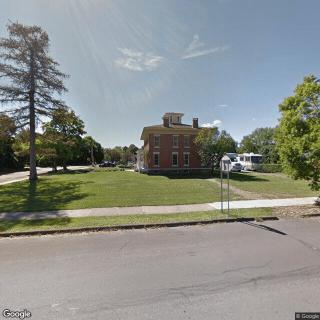







 Fecal Incontinence in Older Adults: A Comprehensive Guide
 Recognizing the Journey: Understanding and Navigating Anticipatory Grief
 Encouraging Participation in Adult Day Care: A Guide to Supporting a Hesitant Parent