

231 W Water St Suite 206, Elmira, NY 14901
To contact a resident: (607) 215-4471
For more information about senior living options: (866) 208-4318
Overall Review of Home Instead - Elmira, NY
Pros
 Home Instead provided compassionate, personable, and flexible care for his dad.
- Marvia Hopson's care-log notes helped uncover his father's colon cancer, leading to life-saving surgery.
- Home Instead collaborates with families and is personable, flexible, and caring.
- The experience was great, with caregivers who kept him company and whom he looked forward to visiting.
- The quality of care met or exceeded expectations.
- Pricing and value were excellent, especially given that his children live out of state.
- The service provided peace of mind with regular check-ins several days a week.
- They were extremely helpful in finding the right in-home care agency for his mother.
Cons
 Caregivers could have done more, only if he let them do more.
- The experience was limited by the father's control over what basic services could be provided.
Review
This Elmira-based Home Instead is best suited for families that need steady, compassionate in-home care for an aging loved one while balancing distance or demanding schedules. It shines when the goal is reliable daily check-ins, meaningful companionship, and a care team that collaborates closely with the family to craft routines that fit real life, not just theoretical plans. The accounts depict a team that is personable, flexible, and genuinely attentive, willing to adjust to a senior’s preferences and tempo. For a parent who benefits from regular social interaction and a steady safety net, this option offers a practical path forward without uprooting the loved one. The model is particularly strong for households where out-of-state children seek consistent oversight and reassurance.
For families evaluating alternatives, the key caveat is the level of medical or supervisory intensity required on a daily basis. If the senior demands round-the-clock nursing oversight, highly specialized medical tasks, or a setting where immediate, on-site results are non-negotiable, more structured options, such as full-time skilled home health or an assisted living environment with continuous staff availability, may serve better. Likewise, when a resident is largely unable or unwilling to participate in basic services, and safety hinges on near-constant intervention, a facility designed for higher acuity or 24/7 supervision could outperform at-home care. The Elmira program can still support such transitions, but families should calibrate expectations against the patient’s willingness to engage.
The strongest advantages lie in the human touch and the family-forward model. Caregivers are described as someone who keeps company, builds rapport, and becomes a dependable presence in the senior’s week. The power of collaboration with family runs deep here: care plans adapt as needs evolve, and the team remains open to questions, scheduling tweaks, and updates. A standout benefit is the practical documentation of daily observations, the care log entry noting a discovery that led to life-saving cancer treatment. That kind of detail, captured early and shared with the family, transforms a routine check-in into a potentially life-altering intervention. Companionship during visits, and the satisfaction that someone is looking in on the person several days a week, translates directly into peace of mind for distant caregivers. Administration, while not the centerpiece, is solid enough to handle payment questions and keep the process running smoothly.
On the downside, the primary constraint is patient autonomy. If the senior does not permit more extensive assistance or refuses basic tasks, the care team’s ability to step in is naturally limited, regardless of training or good intent. This is less a fault of the agency than a natural boundary created by the client’s preferences and behavior. Small administrative frictions, such as occasional payment questions, are acknowledged, but they were resolved without major disruption. In short, the model’s effectiveness hinges on a cooperative care dynamic between the senior and the caregivers; when that dynamic is present, the service delivers far more-than-adequate value.
Those pros effectively offset the cons by delivering reliable, life-enriching engagement and a safety net that feels personal rather than transactional. The positive impact of consistent visits and the ability to monitor health trends over time create a familiarity that out-of-town families rely on to gauge wellbeing. The documented discovery of a serious health issue demonstrates that the approach can produce clinically significant benefits, not merely comfort and companionship. For families who prize transparent communication, flexible scheduling, and a partner in care who treats a loved one with genuine warmth, the Elmira Home Instead team proves its worth.
Bottom line: this community is a strong match for seniors who want dependable in-home care with robust family involvement, particularly when children are geographically dispersed. It offers excellent value given the distance and the level of personalized attention provided. Those prioritizing daily continuity, companionship, and proactive reporting will find the model compelling. However, if 24/7 professional oversight or high-acuity medical needs are non-negotiable, alternatives such as more intensive home health support or a higher-structure assisted living arrangement should be explored. A candid discussion with the Elmira team about care goals, the patient’s participation willingness, and the expected cadence of updates will crystallize whether this is the right fit.
 Elmira Corning Regional (6 miles away)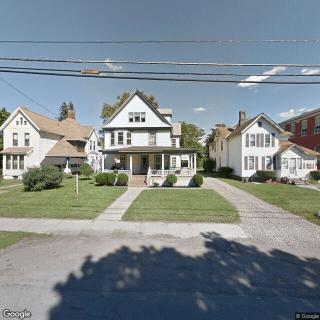




 Caring for Those Who Care: Recognizing, Understanding, and Overcoming Caregiver Burnout
 Caregiver Exhaustion: Recognizing the Signs and Restoring Your Well-Being
 Understanding Hospice Care at Home: Comprehensive Services, Key Benefits, and Eligibility