
103 Washington Street, Elmira, NY 14901
For more information about senior living options: (866) 208-4318
Overall Review of Chemung County Health Center - Nursing Facility
Pros
 They describe the facility and staff as wonderful and caring.
- They note that the caregivers are very nice.
- They report that there are great staff members.
- They describe the atmosphere as friendly and inviting, with staff who are always helpful.
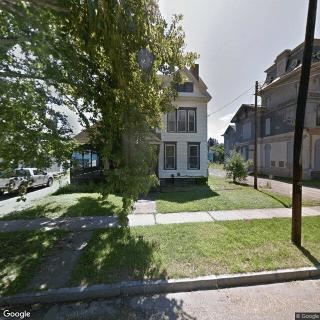
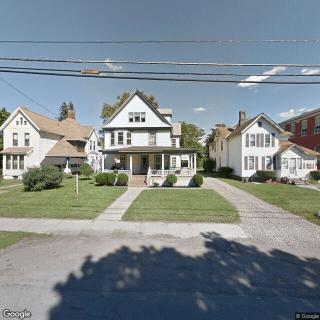
- They say the building is accessible and easy to find.
- They praise the cafeteria for lots of choices and good food.
- They would not hesitate to use this nursing home again in the future.
- They would rate the facility highly, often five stars.
Cons
 The social worker didn't do her job.
- They lied on several occasions.
- Many dropped the ball with care.
- A patient was left cold and wet when kidney tubes leaked, and a student nurse took care of it instead of staff.
- The patient couldn't be transferred, resulting in a fall that injured their knee.
- Laundry lost a lot of clothing, leaving patients to advocate for themselves.
- Meals looked like something a dog wouldn’t eat; the food was inedible.
- One of the worst experiences due to rude staff, a grandmother left in dirty diapers for hours, no water brought, and a fall occurred.
Review
Chemung County Health Center - Nursing Facility is best suited for families that prize a social, accessible environment with genuinely caring moments from staff and reasonably decent dining, and who can commit to active oversight to ensure consistency in care. The campus-friendly layout, multiple common areas, and visible efforts to keep residents engaged make it a promising fit for those who want a place where visitors can always find an inviting voice, a familiar face, and opportunities to participate in activities. It works best when a resident or family member can function as an active advocate, monitoring care plans, med schedules, and responsiveness to call bells, because steady oversight dramatically influences daily life here.
Those who may want to consider alternatives are families prioritizing predictable, uniformly high-quality care and rock-solid reliability in urgent moments. The reviews reveal notable gaps in staffing consistency, with occasional long waits for assistance and uneven responses to calls. Social workers and some staff members have fallen short, and several incidents point to gaps in accountability. For anyone who cannot tolerate lapses in urgent care, med administration, or basic daily needs, a different facility with stronger staffing ratios and tighter oversight will likely be a safer match.
On the upside, the facility’s strongest points align with the slower, more social side of long-term care. The atmosphere is described as friendly and inviting, with staff who can be both compassionate and helpful on the right shifts. The building itself is accessible, well-maintained, and easy to navigate, with a variety of spaces for visiting and engaging residents. Activities are regularly offered, and the cafeteria, along with the dining areas, provides a level of social life that many families value. When care staff are engaged and reliable, these elements translate into meaningful quality-of-life improvements that can offset some everyday inconveniences.
Yet the principal concerns cut straight to safety and dignity. Understaffing and overwork show up as missed med times, delayed responses to call buttons, and moments where residents are left without assistance for extended periods. Several reviews recount disquieting episodes, being left in soiled conditions, inadequate hydration, or rough care during transfers, that undermine trust and raise serious questions about consistency and supervision. Laundry misplacement and administrative lapses, such as communication gaps with family or even incorrect contact numbers, compound the fragility of daily routines. These factors significantly temper the positives and demand robust family advocacy to compensate.
With those realities in view, families should demand concrete assurances before committing. In practical terms, a thorough critique of staffing patterns, med-pass protocols, and call-bell response times is essential, ideally observed across different shifts. Ask for recent quality improvement plans, nurse practitioner coverage, and transparent reporting on incidents. Take multiple tours at various times, speak candidly with frontline caregivers and other families, and request direct access to the care coordination team to understand how problems are tracked and resolved. If a resident requires frequent assistance or has complex medical needs, this facility should not be the default choice without explicit safeguards.
Bottom line: Chemung County Health Center offers a workable blend of social energy, accessible design, and decent meals, but it carries meaningful reliability risks that can overshadow strengths. It is a strong option for families who can actively supervise care, insist on timely responses, and leverage the positive staff and environment to their advantage. For those unable or unwilling to provide that level of advocacy, or for residents who demand unwavering consistency and rapid, respectful care, pursuing alternatives will likely yield greater peace of mind. Informed, proactive engagement is the key to making this community work well.
 200 resident community capacity
 Skilled Nursing Facility
 Air-conditioning
 Beauty salon
 Cable or satellite TV
 Computer center
 Dining room
 Fitness room
 Fully furnished
 Gaming room
 Garden
 Housekeeping services
 Kitchenette
 Move-in coordination
 Outdoor space
 Private bathrooms
 Restaurant-style dining
 Small library
 Telephone
 Wellness center
 Wi-Fi/high-speed internet available
 Elmira Corning Regional (7 miles away)
 Community operated transportation
 12-16 hour nursing
 24-hour call system
 Activities of daily living assistance
 Assistance with bathing
 Assistance with dressing
 Assistance with transfers
 Diabetes diet
 Medication management
 Mental wellness program
 Special dietary restrictions
 Concierge services
 Planned day trips




 Highly Beneficial Low-Impact Exercises for Senior Living Residents
 Is In-Home Healthcare Tax Deductible? Your Comprehensive Guide
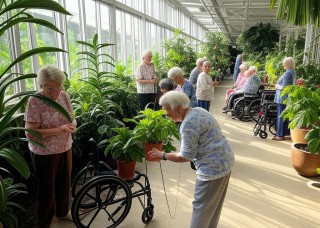 Nurturing Well-Being Through Gardening: A Detailed Guide for Senior Enthusiasts