
350 Parrish Street, Canandaigua, NY 14424
For more information about senior living options: (866) 208-4318
Overall Review of M M Ewing Continuing Care Center
Pros
 The staff at the Meadows are compassionate and caring, giving the family a sense of security.
- The Ewing Continuing Care Center was the first and only choice for her care, reflecting strong trust.
- The staff get to know residents immediately and are consistently caring.
- The center provides physical and occupational rehabilitation that helps residents regain mobility.
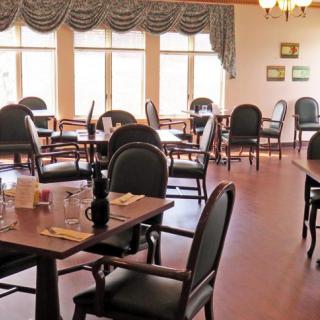
- The facility is clean, well-maintained, and the meals are good.
- The CNAs and staff are patient, friendly, and easy to work with.
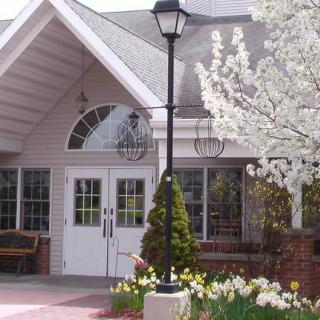
- The environment feels homey and is a good fit for loved ones needing supervision and care.
Cons
 There have been longstanding concerns about the facility, including persistent short staffing.
- There are increasing signs of neglect, such as bedsores from not being turned, infections, and severe dehydration.
- Visitation restrictions during COVID prevented families from seeing their loved ones and worsened conditions.
- Insurance does not cover the nursing home, resulting in a large out-of-pocket bill.
- The reviewer could not view the resident’s room due to COVID restrictions.
Review
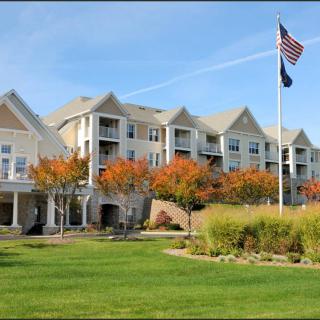
M M Ewing Continuing Care Center in Canandaigua is best suited for families seeking a warm, companionship-forward environment where a resident can receive meaningful rehabilitation and daily living support without sacrificing a sense of home. The Meadows unit in particular stands out as a cohesive team where staff turnover appears low, and caregivers form rapid, trusting relationships with residents. This setting works well for older adults who need structured assistance with mobility, toileting, meals, and routine activities, alongside the potential for ongoing long-term care within a facility that emphasizes attentive, personalized attention.
Those evaluating alternatives should consider this community if staffing stability and a consistently hands-on care approach are non-negotiable. While many families praise the compassion and competence of the aides and nurses, several reviews acknowledge short-staffing as an ongoing reality in senior care generally, and a few accounts point to gaps in attention that can heighten concern for residents with higher care needs. Families seeking near-zero risk of lapses in turning, hydration, or communication might want to compare with facilities that publish aggressive staffing metrics or have documented processes to prevent pressure injuries and dehydration.
The core strengths, compassionate staff, clean and homey surroundings, and robust rehabilitative services, nearly always justify the choice to situate a loved one here. Caregivers who know residents quickly are repeatedly noted, with CNAs and therapists seemingly attuned to individual needs and preferences. Cleanliness and a calm, welcoming environment underpin daily life, which helps residents feel secure and engaged. The rehabilitation component is a standout, featuring physical and occupational therapy that supports progress toward greater mobility, and staff who assist with activities of daily living in a respectful, patient manner. Family members consistently point to meals and daily routines as reliable, well-managed aspects of life at the center.
Rehab and daily care are complemented by real opportunities for social participation and personal autonomy within a safe framework. Residents often benefit from the chance to participate in activities, receive regular meals, and enjoy a setting that feels less clinical than some institutions. The Meadows unit, in particular, is described as a space where care feels coordinated and familiar, with staff who take time to learn a resident’s preferences. In short, for families prioritizing a practical blend of recovery-focused therapy, consistent daily support, and a home-like atmosphere, these attributes tend to outweigh most drawbacks.
Where concerns surface, they tend to center on staffing levels and the potential for neglect signs in certain reviews. Instances cited include bedsores from turning delays and dehydration risks, indicators that require vigilant oversight. These concerns do not define the facility, but they do signal the necessity for proactive, ongoing communication with administrators and a concrete, written care plan. Prospective families are advised to verify nurse-to-resident ratios, request a detailed schedule of CNA assignments, and insist on routine progress notes, so care continuity is observable and verifiable. Initiatives like routine nurse check-ins and explicit turning schedules can materially reduce risk where staffing is tight.
Ultimately, the decision hinges on priorities. If a family needs a facility that blends effective rehabilitation with a genuinely caring staff and a home-like atmosphere, M M Ewing Continuing Care Center emerges as a strong candidate. If, however, priority rests on unwavering staffing consistency, exhaustive incident prevention, or a slower drift toward neglect risk, exploring alternatives with more transparent staffing commitments and stronger proactive risk controls is prudent. The prudent path is to visit with the Meadows team, review a resident’s care plan in detail, speak with several CNAs and nurses, and assess whether the daily rhythm, responsiveness, and demonstrable improvements align with the loved one’s goals and health needs.
 178 resident community capacity
 Skilled Nursing Facility
 Air-conditioning
 Beauty salon
 Cable or satellite TV
 Computer center
 Dining room
 Fitness room
 Fully furnished
 Gaming room
 Garden
 Housekeeping services
 Kitchenette
 Move-in coordination
 Outdoor space
 Private bathrooms
 Restaurant-style dining
 Small library
 Telephone
 Wellness center
 Wi-Fi/high-speed internet available
 Community operated transportation
 12-16 hour nursing
 24-hour call system
 Activities of daily living assistance
 Assistance with bathing
 Assistance with dressing
 Assistance with transfers
 Diabetes diet
 Medication management
 Mental wellness program
 Special dietary restrictions
 Concierge services
 Planned day trips



 Comprehensive Approaches for Arthritis: A Detailed Guide to Symptoms, Causes, and Care
 Comprehensive Insights and Practical Strategies to Help Older Adults Avoid Falls
 6 Crucial Ways an Elder Law Attorney Assists Families