Throgs Neck Rehabilitation & Nursing Center in Bronx, NY

Save

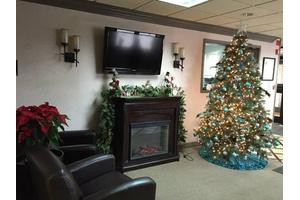
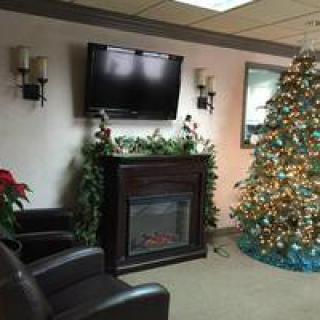
  • Interior

    A cozy living room decorated for the holidays with a Christmas tree, fireplace, and comfortable seating.
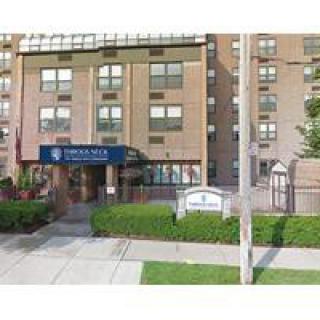
  • Building

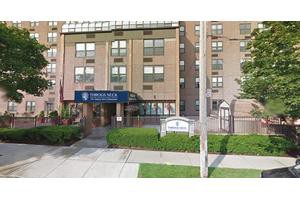
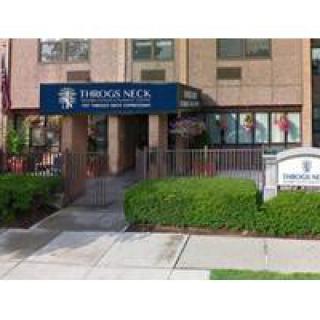
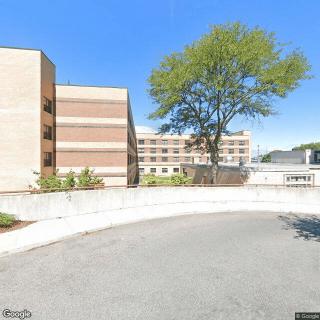
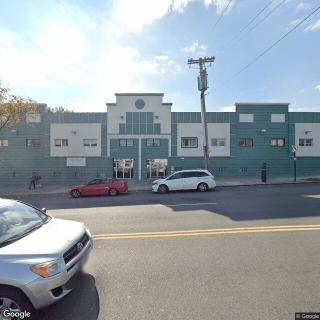
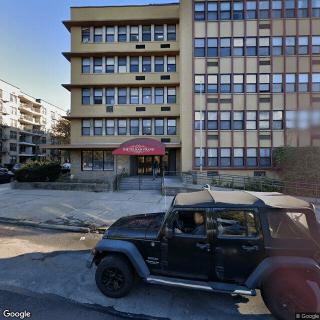
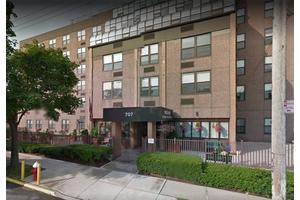
    The image shows the facade of an urban apartment building with a main entrance and signage.
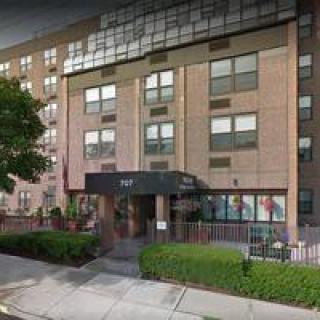
  • Architecture

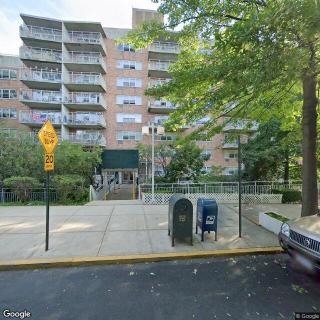
    A residential apartment building with a central entrance and surrounding greenery.
  • Windows

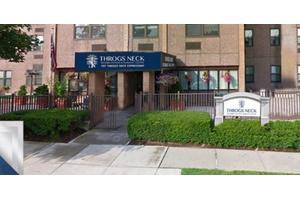
    Entrance to Throgs Neck medical care facility with blue awning and landscaped surroundings.
  • Entrance

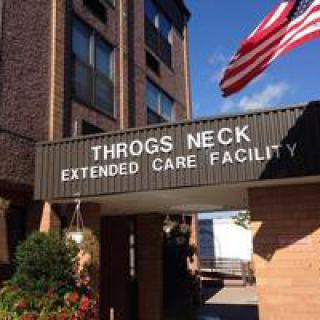
    Entrance to a building with a 'Throgs Neck' sign and an American flag.
  • Outdoor

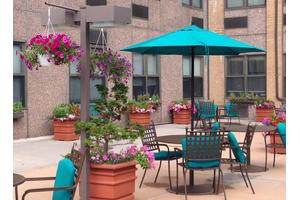
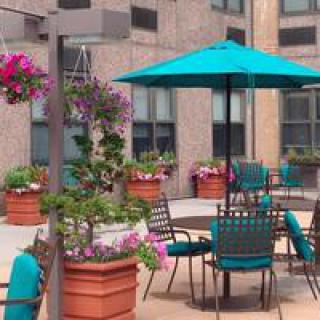
    A cozy outdoor patio area with teal umbrellas, surrounded by potted plants and flowers.
  • Flag

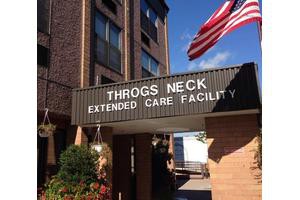
    Entrance to Throgs Neck Extended Care Facility with an American flag.

Throgs Neck Rehabilitation & Nursing Center in Bronx, NY

Information last verified:

707 Throgs Neck Expressway, Bronx, NY 10465

For more information about senior living options: (844) 490-3973

4.4 from 124 reviews
5 stars
96
4 stars
11
3 stars
1
2 stars
4
1 stars
12

Overall Review of Throgs Neck Rehabilitation & Nursing Center

Pros

  • pro The staff are courteous and helpful.
  • pro The facility is clean and well-maintained.
  • pro The administration team is amazing.
  • pro The prices are reasonable.
  • pro Lena delivers a great haircut.
  • pro The front desk security officer is pleasant and helpful.
  • pro The staff are friendly and welcoming.
  • pro The care provided is exceptional, and the nurses and aides are kind and compassionate.
  • pro The CNAs are great and the administration department is great.
  • pro The facility feels like a home away from home, with staff that feel like family.
  • pro The rehab staff go above and beyond to help residents reach their goals.
  • pro Shirley's professionalism and compassion are appreciated.

Cons

  • pro The facility is the worst; the room had mice droppings and a trapped mouse, the room smelled, and no one checked before it was given to a resident.
  • pro Stay away from this place; it’s horrible and there’s no option to rate it 0 stars.
  • pro The staff were rude, lazy, and lacked compassion, doing as little as possible and calling for cameras to be installed.
  • pro The nursing staff and doctors were horrible; they neglected residents and often ignored calls for help for hours.
  • pro This facility is terrible; the care is below par and there is clear negligence.
  • pro The front desk and maintenance staff allowed the place to be dirty and smelled like weed, with little courtesy shown to visitors.
  • pro Family members were not notified after a resident fell, and the staff appeared unconcerned by safety issues.
  • pro The ownership and administration need a complete overhaul; major renovations are overdue.
  • pro The call bell system is unreliable and response times are unacceptably slow.
  • pro A nurse yelled at a 91-year-old resident and was arrogant and rude to the family.
  • pro Some staff treated residents as if they were just another patient, showing little warmth or empathy.
  • pro The facility has seen residents regress and is not suitable for rehabilitation or permanent residency.

Review

Throgs Neck Rehabilitation & Nursing Center in the Bronx is a solid fit for seniors who need post-acute rehabilitation or short-term rehab and who prize a warm, well-kept environment with a clearly engaged staff. Families that want hands-on therapy, daily activities, and a front-office team that feels accessible will find this community responsive and reassuring. The reviews consistently highlight clean rooms and common areas, a calm atmosphere, dependable housekeeping, and rehab professionals who push clients to regain strength. When the focus is on getting back home after a procedure or a breakthrough in mobility, the facility’s rehabilitation team, including therapists who are repeatedly praised for their skill and encouragement, provides a practical path to discharge. For families seeking a home-like feel where staff interactions are frequent and friendly, Throgs Neck often delivers the right tone and tempo to support recovery.

Those most likely to want alternatives are families whose priority is unwavering, day-in-day-out medical oversight, predictable call-bell response, and consistently high-standard care across every shift. Several reviews flag staffing dips that surface as longer wait times or less prompt attention when patient needs spike. Others worry about specific episodes of miscommunication or perceived lapses in supervision, with reports detailing concerns about wound care, medication administration, or urgent medical follow-up. Prospective residents who require intensive, ongoing medical management or have had negative experiences with staff responsiveness elsewhere should compare options carefully. The facility’s strengths can falter if shifts are thin or if administrative follow-through on family questions is inconsistent.

The strongest positives, the genuine warmth of frontline staff, the facility’s cleanliness, and the rehab-first culture, do meaningful work in offsetting many downsides. Families repeatedly describe a “home-like” vibe where aides, nurses, and therapists are present, attentive, and hopeful for each resident’s progress. The rehabilitation staff, cited by multiple families as capable and motivating, often becomes the hinge point for a successful stay. Security, reception, and housekeeping staff are frequently praised for courtesy and reliability, contributing to a feeling of safety and dignity throughout the building. When those pros align with clear discharge planning and open communication, the risk of slipping into a purely indifferent environment diminishes, making the center a compelling option for short-term recovery.

Yet the darker notes cannot be ignored. Several families recount experiences of frustration, delayed responses, or perceived neglect on certain floors or during high-demand periods. Instances range from allegations of miscommunication about care plans to reports of inadequate wound care, dehydration, or even medication-management concerns. A few reviews describe odor, cleanliness lapses, or a disconnect between administration and family needs, with some families feeling their loved ones did not receive timely attention. There are also voices calling for major renovations, better camera surveillance in certain areas, and more consistent accountability at the leadership level. These divergent experiences underscore a central truth: quality can vary by floor, shift, and individual staff member.

For families weighing a decision, approach this community with a practical, evidence-based plan. Visit for a firsthand tour on a weekday to observe therapy sessions, call-bell responsiveness, and how therapists coordinate with nursing staff. Ask to speak with the director of nursing and the social worker about discharge planning, family updates, and how care plans are communicated across shifts. Review recent Department of Health inspections and live audits for concrete metrics on safety and care standards. Inquire about floor-specific staffing ratios, the availability of a dietitian when concerns arise, and how daily activities are structured to keep residents engaged. Demand transparent communication channels, and set expectations for timely issue resolution, then verify those expectations in real time during the visit.

Bottom line: Throgs Neck Rehabilitation & Nursing Center can be an excellent choice for short-term rehabilitation where a compassionate, clean, and active environment accelerates recovery and discharge. When rehab momentum and a welcoming staff are the priority, this community shines and families often breathe a sigh of relief. However, for long-term residency or for families that demand unwavering, uniformly excellent care across all shifts and floors, it pays to explore alternatives or to probe deeply on staffing, supervision, and wound-care protocols before committing. A well-timed, candid tour that centers on therapy quality, nurse responsiveness, and family communication will reveal whether Throgs Neck meets the specific care philosophy and safety standards needed for a loved one’s unique trajectory.

Features

Housing

  • 205 resident community capacity 205 resident community capacity

Types of Care

  • Skilled Nursing Facility Skilled Nursing FacilitySkilled Nursing Facilities are crucial for seniors as they provide round-the-clock medical care, rehabilitation services, and assistance with daily activities. These facilities ensure that seniors receive the specialized care they need to maintain their health and well-being as they age.

Amenities

  • Air-conditioning Air-conditioningAir conditioning is important for seniors as they are more vulnerable to heat-related illnesses and may have underlying health conditions that make it difficult for them to regulate their body temperature. It helps to keep them comfortable, safe, and healthy in hot weather.
  • Beauty salon Beauty salonBeauty salons are important for seniors because they provide a space for them to feel pampered, socialize, and maintain their personal grooming and hygiene. Regular visits to a beauty salon can help boost seniors' self-esteem and overall well-being.
  • Cable or satellite TV Cable or satellite TVCable or satellite TV is important for seniors because it provides entertainment, news, and companionship, helping to combat loneliness and boredom. It also offers a wide range of programming options tailored to different interests and preferences.
  • Computer center Computer centerA computer center is essential for seniors as it provides access to technology, communication tools, and resources that can enhance their daily lives. It allows them to stay connected with loved ones, engage in online activities, and learn new skills, ultimately promoting socialization and mental stimulation.
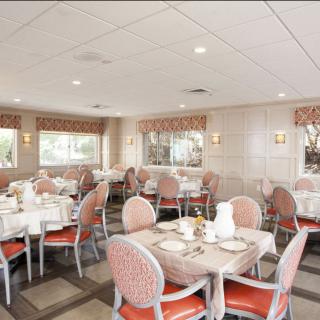
  • Dining room Dining roomDining rooms are important for seniors as they provide a space for socialization, connection, and nutritious meals. They offer opportunities for residents to bond over shared meals, foster a sense of community, and promote healthy eating habits. Dining rooms also ensure that seniors have access to well-balanced meals tailored to their dietary needs and preferences.
  • Fitness room Fitness roomHaving a fitness room in a senior living community is essential for seniors to stay active, maintain their physical health, and improve their overall well-being. Regular exercise can help prevent falls, reduce the risk of chronic diseases, and promote mental sharpness. It also provides social opportunities for residents to connect with others and enjoy a sense of community.
  • Fully furnished Fully furnishedFully furnished senior living communities are important for seniors because they provide convenience, comfort, and a hassle-free moving experience. Seniors can easily settle into their new living space without the stress of having to buy and move furniture. This allows them to focus on enjoying their new home and community.
  • Gaming room Gaming roomGaming rooms are important for seniors as they provide a fun and engaging environment for socializing, cognitive stimulation, and physical activity. Games can improve memory, problem-solving skills, and overall mental well-being while fostering friendships and reducing feelings of isolation.
  • Garden GardenGardens are important for seniors as they provide a peaceful and therapeutic environment for relaxation, physical activity, and socialization. Being in nature has been shown to reduce stress, improve mood, and promote overall well-being. Gardens also offer opportunities for seniors to engage in gardening activities, which can improve mobility, flexibility, and cognitive function. Additionally, gardens create a sense of community and connection with others who share a passion for plants and outdoor spaces.
  • Housekeeping services Housekeeping servicesHousekeeping services are important for seniors because they help maintain a clean and safe living environment, promote independence, and reduce the risk of accidents or illnesses. Additionally, having assistance with household chores can alleviate physical strain and allow seniors to focus on other aspects of their well-being.
  • Kitchenette KitchenetteKitchenettes are important for seniors living in senior living communities because they provide the convenience and independence of being able to prepare simple meals and snacks in the comfort of their own living space. This can help promote a sense of autonomy and well-being for seniors, allowing them to maintain some level of control over their dietary choices and daily routines.
  • Move-in coordination Move-in coordinationMove-in coordination is important for seniors because it helps ease the transition into their new living environment. It ensures that all logistics, such as packing, organizing movers, and setting up utilities are taken care of, allowing seniors to focus on settling in and adjusting to their new home. Having a smooth move-in process can alleviate stress and anxiety, making the transition smoother and more enjoyable for seniors.
  • Outdoor space Outdoor spaceOutdoor spaces are important for seniors as they provide opportunities for physical activity, social interaction, exposure to natural light and fresh air, and a sense of connection to nature. Having access to outdoor spaces can improve overall well-being and quality of life for older adults living in senior communities.
  • Private bathrooms Private bathroomsPrivate bathrooms are important for seniors in senior living communities because they provide independence, dignity, and comfort. Having a private bathroom allows seniors to maintain their personal hygiene routines without the need for assistance, promoting a sense of autonomy and privacy. Additionally, private bathrooms help prevent the spread of infections and provide a safe and clean environment for seniors to navigate safely.
  • Restaurant-style dining Restaurant-style diningRestaurant-style dining is important for seniors because it allows them to enjoy delicious, nutritious meals in a social and upscale setting. This enhances their dining experience, promotes healthy eating habits, and fosters socialization with fellow residents, ultimately contributing to their overall well-being and quality of life.
  • Small library Small librarySmall libraries are important for seniors as they provide access to a variety of reading materials, including books, newspapers, and magazines. This can help stimulate their minds, keep them engaged, and provide a sense of community through book clubs and other social activities. Additionally, reading has been shown to improve cognitive function and overall mental well-being in older adults.
  • Telephone TelephoneTelephones are important for seniors as they provide a lifeline for communication with loved ones, emergency services, and healthcare providers. They offer a sense of security and independence, enabling seniors to stay connected and access assistance when needed.
  • Wellness center Wellness centerWellness centers are important for seniors because they offer a variety of programs and services that promote physical, mental, and emotional well-being. These centers provide opportunities for exercise, socialization, education, and relaxation, helping seniors maintain their overall health and quality of life.
  • Wi-Fi/high-speed internet available Wi-Fi/high-speed internet availableWi-Fi/high-speed internet is important for seniors to stay connected with loved ones, access online resources, and participate in virtual activities to combat feelings of loneliness and isolation. It also allows them to easily manage healthcare needs, access entertainment, and engage in lifelong learning opportunities.

Transportation

  • LaGuardia (4 miles away) LaGuardia (4 miles away)
  • John F Kennedy International (13 miles away) John F Kennedy International (13 miles away)
  • Westchester Cty (17 miles away) Westchester Cty (17 miles away)
  • Newark International (21 miles away) Newark International (21 miles away)
  • Community operated transportation Community operated transportationCommunity operated transportation is crucial for seniors as it provides them with the means to access essential services, social activities, and medical appointments. It allows seniors to maintain their independence and quality of life by ensuring they can participate in activities outside of their homes. Additionally, community-operated transportation services offer a safe and reliable way for seniors to travel without having to rely on family or friends for assistance.
  • Transportation arrangement Transportation arrangementTransportation arrangements are crucial for seniors as they may face challenges with driving, mobility, or access to public transportation. Having reliable transportation services ensures that seniors can easily attend appointments, social activities, and maintain their independence and quality of life.
  • Transportation arrangement (non-medical) Transportation arrangement (non-medical)Transportation arrangements are essential for seniors as they provide access to essential services, activities, and social interactions outside the home. This service helps maintain independence, mobility, and overall well-being for seniors who may have limited transportation options.
  • Transportation to doctors appointments Transportation to doctors appointmentsTransportation to doctors appointments is crucial for seniors as it ensures they have access to necessary medical care and support, promoting their health and well-being. It allows them to receive timely treatment, monitor existing conditions, and address any new health concerns efficiently. Additionally, transportation services can help seniors maintain their independence and quality of life by enabling them to stay connected with their healthcare providers.

Care Services

  • 12-16 hour nursing 12-16 hour nursing12-16 hour nursing care is crucial for seniors in order to ensure around-the-clock monitoring, timely medication administration, and prompt response to any health concerns or emergencies. This level of care helps to promote the overall well-being and safety of seniors living in senior living communities.
  • 24-hour call system 24-hour call system24-hour call systems are important for seniors because they provide peace of mind and immediate assistance in case of emergencies. This technology ensures that help is always available, promoting safety and security for elderly individuals living alone or in assisted living facilities.
  • 24-hour supervision 24-hour supervision24-hour supervision is important for seniors to ensure their safety, well-being, and access to immediate assistance in case of emergencies or health issues. This constant support provides peace of mind for both seniors and their loved ones, allowing them to age in place with dignity and security.
  • Activities of daily living assistance Activities of daily living assistanceActivities of daily living assistance are important for seniors because they provide essential support with tasks such as eating, bathing, dressing, and mobility. This assistance helps seniors maintain their independence, dignity, and overall quality of life as they age.
  • Assistance with bathing Assistance with bathingAssistance with bathing is crucial for seniors as it helps maintain personal hygiene, prevents infections, and ensures their overall well-being and comfort. It also provides a sense of dignity and independence for seniors who may struggle with this task on their own.
  • Assistance with dressing Assistance with dressingAssistance with dressing is important for seniors because it helps maintain their independence, promotes personal hygiene, prevents accidents and injuries, and improves overall quality of life. This service ensures that seniors can continue to dress comfortably and confidently, despite any physical limitations they may have.
  • Assistance with transfers Assistance with transfersAssistance with transfers is crucial for seniors as it helps prevent falls and injuries, maintains their independence, and ensures they can safely navigate their living environment. It also provides peace of mind for both seniors and their loved ones.
  • Diabetes diet Diabetes dietA diabetes diet is crucial for seniors as it helps manage blood sugar levels, reduce risks of complications, and improve overall health and well-being. By following a balanced and nutritious diet tailored to their specific needs, seniors can better control their diabetes and enhance their quality of life.
  • Meal preparation and service Meal preparation and serviceMeal preparation and service are crucial for seniors as they may have limited mobility or energy to cook nutritious meals. Having access to healthy and convenient food options can ensure they are getting the proper nutrition needed to maintain their overall health and well-being.
  • Medication management Medication managementMedication management is crucial for seniors to ensure they are taking the right medications at the correct dosages and times. This helps prevent adverse drug interactions, reduces the risk of medication errors, and promotes overall health and well-being. Proactive management also allows for adjustments as needed based on changing health conditions or new prescriptions.
  • Mental wellness program Mental wellness programMental wellness programs are essential for seniors as they promote cognitive stimulation, emotional support, and social engagement. These programs help prevent isolation, depression, and cognitive decline, ultimately enhancing the overall quality of life for older adults.
  • Special dietary restrictions Special dietary restrictionsSpecial dietary restrictions are important for seniors because age-related changes in metabolism and health conditions can make it difficult for their bodies to process certain foods. By following a diet tailored to their specific needs, seniors can maintain their overall health and well-being, manage chronic conditions, and reduce the risk of complications such as malnutrition or food interactions with medications.

Dining

  • Diabetes diet Diabetes dietA diabetes diet is crucial for seniors as it helps manage blood sugar levels, reduce risks of complications, and improve overall health and well-being. By following a balanced and nutritious diet tailored to their specific needs, seniors can better control their diabetes and enhance their quality of life.
  • Special dietary restrictions Special dietary restrictionsSpecial dietary restrictions are important for seniors because age-related changes in metabolism and health conditions can make it difficult for their bodies to process certain foods. By following a diet tailored to their specific needs, seniors can maintain their overall health and well-being, manage chronic conditions, and reduce the risk of complications such as malnutrition or food interactions with medications.

Activities

  • Community-sponsored activities Community-sponsored activitiesCommunity-sponsored activities are important for seniors as they provide opportunities for social interaction, mental stimulation, and physical activity. These activities can help improve overall well-being, combat loneliness and isolation, and promote a sense of belonging and purpose among older adults.
  • Concierge services Concierge servicesConcierge services are essential for seniors as they provide assistance with daily tasks and errands, enhance their quality of life by offering convenience and personalized care, and promote a sense of safety and security.
  • Fitness programs Fitness programsFitness programs are crucial for seniors as they help improve strength, flexibility, balance, and overall well-being. Staying active can reduce the risk of chronic diseases, improve mental health, and enhance quality of life in older adults.
  • Planned day trips Planned day tripsPlanned day trips are important for seniors because they offer opportunities for socialization, mental stimulation, and physical activity. They provide a change of scenery and help seniors stay engaged and connected to their community, promoting overall well-being and quality of life.
  • Resident-run activities Resident-run activitiesResident-run activities are important for seniors as they encourage social interaction, creativity, and a sense of autonomy. These activities empower seniors to stay engaged and active in their community while fostering meaningful connections with their peers.
  • Scheduled daily activities Scheduled daily activitiesScheduled daily activities are important for seniors because they provide structure, socialization, mental stimulation, and physical activity. Engaging in regular activities can improve overall well-being and quality of life for seniors living in a community setting.

Description

Throgs Neck Rehabilitation & Nursing Center in Bronx, NY is a vibrant and well-equipped assisted living community that offers a wide range of amenities and care services to enhance the quality of life for residents. The community boasts a beauty salon where residents can indulge in pampering treatments and maintains cable or satellite TV connections to keep them entertained. Community-operated transportation is available for easy access to nearby destinations, and a computer center is provided for those who wish to stay connected digitally.

The dining room at Throgs Neck Rehabilitation & Nursing Center offers restaurant-style dining with delicious meals prepared by skilled chefs. Special dietary restrictions can be accommodated to ensure each resident's unique needs are met. The fully furnished accommodations feature private bathrooms, providing comfort and privacy.

There are multiple recreational spaces within the community, including a fitness room for physical exercise, a gaming room for entertainment purposes, and a small library for quiet reading or studying. The outdoor space allows residents to enjoy fresh air and nature, while the wellness center fosters holistic well-being.

High-speed Wi-Fi/internet connectivity is available throughout the premises so that residents can stay connected with friends and family virtually. Housekeeping services ensure that the common areas and individual living spaces remain clean and organized at all times.

Throgs Neck Rehabilitation & Nursing Center takes care of its residents' medical needs by offering assistance with activities of daily living, bathing, dressing, transfers, special diets, medication management, and transportation arrangements for non-medical purposes. A mental wellness program is also provided to support emotional well-being.

Residents can engage in various activities such as fitness programs, planned day trips organized by the community staff, resident-run activities determined by their interests and preferences, as well as scheduled daily activities designed to promote socialization among peers.

For added convenience, there are pharmacies located nearby for easy access to medications when needed. Additionally, several restaurants provide options for dining out within close proximity to the community. With multiple transportation options and a hospital nearby, residents have access to comprehensive medical services and can easily explore the surrounding area.

Throgs Neck Rehabilitation & Nursing Center offers a well-rounded and comfortable living environment, prioritizing the needs and preferences of its residents while providing the necessary care and support to ensure their well-being.

Nearby Places of Interest

Pharmacies

  • CVS Pharmacy (0.2 miles)
  • Walgreens (1.4 miles)
  • CVS Pharmacy (3.2 miles)
  • CVS Pharmacy (3.5 miles)
  • Queens Crossing (4.7 miles)
  • CVS Pharmacy (5.2 miles)
  • CVS Pharmacy (5.4 miles)

Transportation

  • MTA Subway - Parkchester (2.2 miles)
  • MTA Fordham Metro-North Station (4.4 miles)
  • LGA Apron (4.6 miles)
  • Terminal C (4.6 miles)
  • Terminal D (4.7 miles)
  • LaGuardia Airport (LGA) (4.7 miles)
  • Terminal B (4.7 miles)

Theaters

  • AMC Bay Plaza Cinema 13 (2.7 miles)
  • AMC Fresh Meadows 7 (6.3 miles)

Restaurants

  • McDonald's (4 miles)
  • Taco Bell (5.1 miles)
  • McDonald's (5.3 miles)
  • Last Stop Bar & Grill (5.4 miles)
  • Burger King (5.6 miles)
  • Harlem Kebab Grill (6.8 miles)
  • Ikraveit Foods (7.4 miles)

Hospitals

  • St Barnabas Hospital (4.2 miles)
  • Bronx VA Medical Center (5.3 miles)
  • NewYork-Presbyterian Allen Hospital (5.8 miles)
  • Montefiore New Rochelle Hospital (6.1 miles)
  • Russ Berrie Medical Science Pavilion (6.3 miles)
  • Manhattan Psychiatric Center (6.4 miles)
  • Milstein Hospital Building (6.6 miles)

Cafes

  • Starbucks (5.4 miles)
  • Cafe Zeppieri (5.5 miles)

Parks

  • Allenwood Park (5.5 miles)
  • Flushing Meadows Corona Park (5.8 miles)
  • Randall's Island Park (5.9 miles)
  • Inwood Hill Park (6 miles)
  • J. Hood Wright Park (6.5 miles)
  • St Nicholas Park (6.7 miles)
  • Marcus Garvey Park (6.7 miles)

Physicians

  • North Shore Gastroenterology Associates PC (6 miles)
  • Morgan Stanley Children's Hospital (6.5 miles)

Places of Worship

  • The Riverdale Minyan (6.6 miles)

Frequently Asked Questions

Where is Throgs Neck Rehabilitation & Nursing Center?
What photos are available for Throgs Neck Rehabilitation & Nursing Center in Bronx, New York?

Nearby Communities

  • Fort Schuyler House Inc

    Fort Schuyler House Inc

    Bronx, NY

    4.2 from 9 reviews
    $718 to $1,085 / month

    pro Affordable rent with on-site meals and activities

  • Providence Rest

    Providence Rest

    Bronx, NY

    3.4 from 108 reviews
     

    pro Effective rehab therapies in a clean, well-organized facility.

  • Jeanne Jugan Residence - Bronx

    Jeanne Jugan Residence - Bronx

    Bronx, NY

    5 from 11 reviews
     

    pro Comprehensive care with 24/7 supervision, medication management, ADL support, a mental wellness program, furnished accommodations, and restaurant-style dining with special diets.

  • Rebekah Rehab and Extended Care Center

    Rebekah Rehab and Extended Care Center

    Bronx, NY

    4 from 126 reviews
    $3,190 to $10,675 / month

    pro Clean, modern facility with a highly regarded physical therapy program.

  • Leake & Watts Svc Inc

    Leake & Watts Svc Inc

    Bronx, NY


    pro Proximity to parks, pharmacies/hospitals, transit, dining, and places of worship nearby.

  • Plummer Pavillion

    Plummer Pavillion

    Bronx, NY

     
    $1,500 to $2,500 / month

    pro Affordable rents with independent living and on-site spiritual amenities.

  • Amber Court of Pelham Gardens

    Amber Court of Pelham Gardens

    Bronx, NY

    4.2 from 65 reviews
    $3,800 to $4,300 / month

    pro Cleanliness and location with engaging activities and restaurant-style dining.

  • Morningside Nursing and Rehabilitation Center

    Morningside Nursing and Rehabilitation Center

    Bronx, NY

    4.4 from 110 reviews
     

    pro Caring staff that improves quality of life and provides families peace of mind.

  • Regeis Care Center

    Regeis Care Center

    Bronx, NY

    3.6 from 17 reviews
     

    pro Caring staff, pleasant atmosphere, clean facility, and strong rehab support.

Related Resources

  • how much does private home care cost per hourIn-Home Care Costs in 2025: A Detailed State-by-State Exploration

    In-home care is increasingly sought after by older adults for maintaining independence, with average private home care rates in 2025 varying by state and service type, reflecting geographical and local labor market influences. As demand rises, families are considering funding options like Medicaid waivers and long-term care insurance to manage costs effectively while ensuring quality care.

  • what is home health careUnderstanding Home Health Care: A Comprehensive Guide

    Home health care has become essential for supporting independence among the aging population, offering diverse services such as skilled nursing and rehabilitation in familiar environments, while also incorporating technology for personalized care. Despite its benefits, including improved recovery rates and emotional well-being, challenges like safety, staff availability, and insurance navigation must be managed for effective implementation.

  • what is home health careHome Health Care Demystified: A Comprehensive Guide for Families and Caregivers
    Home health care offers a range of clinical services provided in a patient's home, including nursing and therapy, tailored to individual needs, particularly for aging seniors with chronic conditions. This approach enhances patient independence, promotes better disease management, and utilizes technology for real-time monitoring while fostering collaboration among healthcare providers and family members.