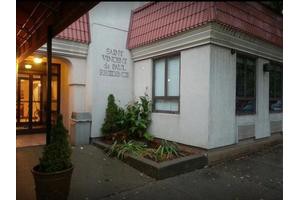

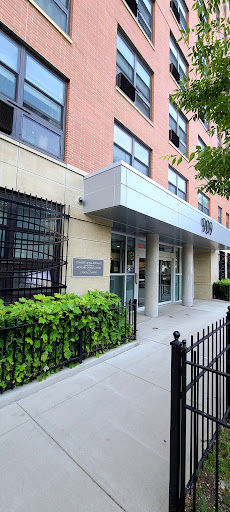
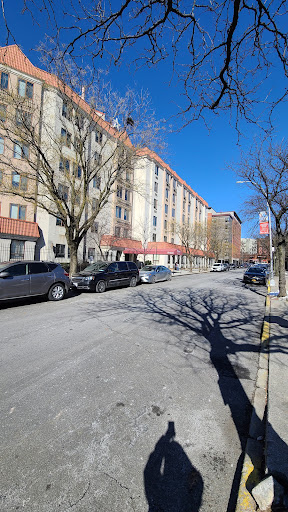




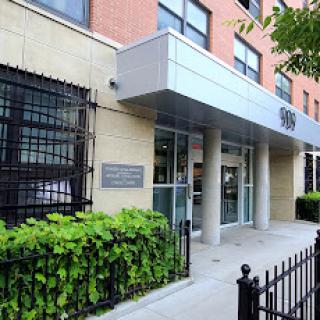

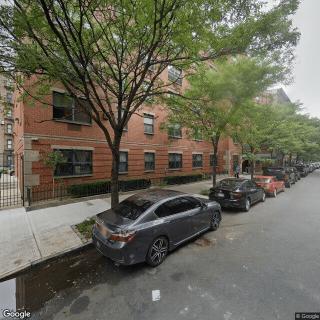
900 Intervale Avenue, Bronx, NY 10459
For more information about senior living options: (866) 208-4318
Overall Review of St Vincent De Paul Residence
Pros
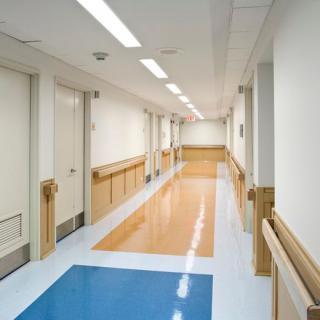
 The facility is very clean.
- The patients are well cared for.
- Azary Tamarov is a great instructor who is hands-on with CPR teaching.
- The staff are friendly, family-oriented, and welcoming.
- The care prioritizes safety and respectful treatment, with residents eating well.
- The site visit and virtual tour accurately describe the facility and reassure it is the right place for care.
- The compassion and 24/7 care are priceless, and residents feel safe, supported, and able to socialize.
Cons
 The facility was quite dismal.
- The staff neglected to change the great aunt's catheter for days, which led to an infection.
- Privacy in the rooms was minimal.
- Interactions among patients seemed minimal at best.
Review
St. Vincent De Paul Residence in the Bronx is best suited for families seeking a clean, safe, home-like setting where residents receive around-the-clock care and feel culturally at ease. The community earns high marks for genuine, hands-on attention from staff, a clean environment, and a welcoming, family-oriented atmosphere that translates into reliable daily oversight for seniors navigating memory challenges. It stands out for its ability to curb wandering risk, provide consistent meals and routines, and show up for families with transparent, ongoing communication. For relatives who value a culturally familiar environment, where staff and residents share language and routines, the facility’s climate can dramatically reduce the stress of transition and daily caregiving.
That said, this is not the right fit for every family. Those who demand maximal privacy should know that some rooms offer limited personal space, and one account highlighted privacy as a persistent drawback in the facility’s most intimate settings. Families needing hospital-grade medical oversight or the most stringent infection-control protocols may want to compare options with more robust private accommodations and clearer catheter-management procedures. If privacy and exceptionally tight clinical oversight are non-negotiables, alternatives with stronger reputations in these areas may be preferable, even if they come with different trade-offs around warmth and community.
On the positive side, the strongest attributes are observable in the daily care, safety nets, and staff accessibility. Cleanliness and the perception that patients are well cared for provide a strong foundation for trust, while a 24/7 care model supports both wandering protection and timely assistance for daily needs. The facility’s family-centered approach, evident in updates and follow-up, helps families stay informed and reassured. The Latino-friendly environment and the sense of community can meaningfully improve mood and social engagement for residents, turning a facility stay into a more homelike experience that reduces isolation and depression risks.
The CNA externship described in a related review adds another layer of confidence about the staff culture. That account depicts a clean, well-run space where learners receive practical guidance, and where instructors emphasize hands-on care and timely CPR training. Such impressions align with a routine of engaged, customer-service-oriented workers who understand the moment-by-moment needs of residents. Taken together with resident and family feedback, these impressions suggest a facility where competent, empathetic staff can deliver steady care even as the population ages and care demands evolve.
For families evaluating St. Vincent De Paul against alternatives, a disciplined, question-driven tour is essential. Ask about floor-by-floor staffing ratios, the specifics of catheter care protocols, and how care plans are updated when a resident’s condition changes. Probe the privacy options, are private rooms standard or limited? Seek clarity on how and when families are contacted about changes or concerns, and how cultural or language needs are accommodated in daily routines, meals, and social activities. If memory care is anticipated, request concrete examples of programs, activities, and supervision that support cognition and safety on a 24/7 basis.
Ultimately this community delivers a compelling combination of safety, cleanliness, and a warm, family-oriented atmosphere that can make a difficult transition more bearable. The main caveat is a privacy trade-off and the risk implied by a single report of neglect, which underscores the importance of proactive monitoring and clear medical protocols. For families whose priorities are steady oversight, responsive communication, and a nurturing environment in a Bronx setting, St. Vincent De Paul Residence is a strong candidate worth visiting. For those who prioritize privacy or require uncompromising, hospital-level clinical rigidity, alternatives should be explored with a plan for a careful comparison.
 200 resident community capacity
 Skilled Nursing Facility
 Air-conditioning
 Beauty salon
 Cable or satellite TV
 Computer center
 Dining room
 Fitness room
 Fully furnished
 Gaming room
 Garden
 Housekeeping services
 Kitchenette
 Move-in coordination
 Outdoor space
 Private bathrooms
 Resident parking
 Restaurant-style dining
 Security gate
 Small library
 Spa
Spa Telephone
 Wi-Fi/high-speed internet available
 LaGuardia (3 miles away)
 Community operated transportation
 12-16 hour nursing
 24-hour call system
 Activities of daily living assistance
 Assistance with bathing
 Assistance with dressing
 Assistance with transfers
 Diabetes diet
 Medication management
 Mental wellness program
 Physical therapy
 Special dietary restrictions
 Concierge services
 Planned day trips
 English


 Effective Strategies for Keeping Seniors' Minds Active: A Deep Dive into Brain Games and Apps
 In-Depth Look at the VA Aid and Attendance Program
 Nurturing Our Loved Ones: A Daughter's Journey in Caring for Her Mother