
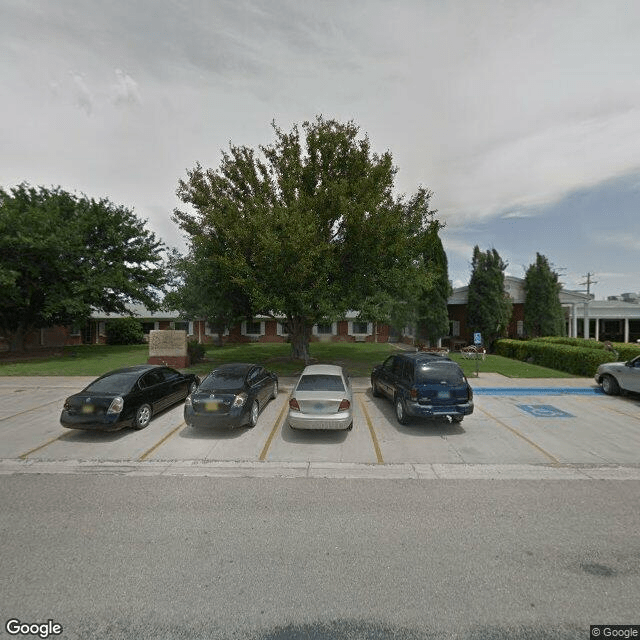
1600 W Avenue I, Lovington, NM 88260
To contact a resident: (505) 396-5212
For more information about senior living options: (866) 208-4318
Overall Review of Lovington Good Samaritan Ctr
Pros
 Some of the caregivers are really loving.
- Some of the caregivers who administer medications really know what they are doing.
- They have some great activities.
Cons
 Some caregivers are just there for the paycheck.
- They don’t keep enough track or supervision of the residents.
- They put everyone together and let them roam, including dementia patients.
- They could use more staff, and the staff could use more training, especially for dementia or Alzheimer’s patients.
- The activities aren’t always appropriate for everyone since people have different needs.
Review
Lovington Good Samaritan Center in Lovington, NM is best suited for families seeking a small-community atmosphere where some caregivers genuinely connect with residents and a steady calendar of group activities can support social engagement for those with moderate needs. The setting appears most compatible with residents who can tolerate a variable level of supervision and who benefit from routine, structured outings rather than highly individualized programming. Those with advanced memory impairment or behaviors that require vigilant, dedicated monitoring will likely struggle here, as the reviews describe a lack of consistent supervision and safety measures for wandering dementia patients. In short, this is a workable fit for relatively independent or lightly frail seniors who do not require intensive, dementia-centered care, with the caveat that advocacy and oversight will be necessary from family or a trusted representative.
Families considering alternatives should weigh options that emphasize strong dementia care, higher staffing ratios, and explicit roaming controls. If a loved one needs around-the-clock supervision, secure memory-care frameworks, or a staff team trained to respond quickly to wandering or agitation, another facility may offer greater peace of mind. The center's strengths don't fully cover those needs: activities exist and some caregivers are attentive, but the quality is uneven, and staff training on dementia or Alzheimer's care appears inconsistent. For residents who require consistent, specialized behavioral management or close medication synchronization in a regulated environment, exploring options with dedicated memory-care wings or higher staffing levels is prudent.
On the upside, the strongest positives are real warmth from some caregivers and reasonably capable medicine administration by others. When staff members connect, they can deliver reliable help with daily tasks, and the medication pass is described as competent by knowledgeable aides. The activity program is a real plus, offering engagement that can lift mood and provide social opportunities. However, these benefits are undermined by a broader pattern: not all caregivers display the same level of commitment, and the passion that drives good interactions is uneven. The result is a setting where residents may receive meaningful attention at times, yet others bear the burden of minimal supervision and impersonal handling, undermining safety for those with cognitive challenges.
Safety gaps are the core risk. The reviews repeatedly flag that residents, especially those with dementia, are allowed to roam or join activities without adequate supervision. The staff can feel thin, and training in dementia- or Alzheimer's-specific care appears limited, leaving caregivers ill-prepared to de-escalate confusion or prevent wandering. This combination means that even well-meaning care can slip into a reactive mode, with family members or advocates needing to step in to fill the gaps. In practical terms, that translates to a facility where positives like warmth and activity options do not fully compensate for the likelihood of lapses in supervision, misreads of cognitive status, and insufficient staff oversight during transitions and outings.
Prospective residents should arrive with a concrete plan to protect safety and ensure personalized care. Ask for current staff-to-resident ratios, particularly during peak activity times and mealtimes; request specifics on dementia-care training, certifications, and ongoing education; and seek written protocols for wandering prevention, supervision during activities, and incident reporting. Observe a full day if possible, looking for how staff respond to confusion, how medications are administered under supervision, and whether dementia residents are kept within safe boundaries. Request a trial period or a clearly defined care plan with measurable goals, and insist on open channels with the administrator to address concerns quickly. If the answer raises red flags, that is a strong signal to evaluate other communities.
When the expectations align with reality, Lovington Good Samaritan Center can serve residents who value real human warmth and accessible activities and who do not require robust memory-care infrastructure. For families facing memory-care intensity or safety needs, alternatives with dedicated dementia programs and stronger staffing are advisable. The decision should hinge on whether consistent, specialized supervision can be guaranteed, and whether staff training will be prioritized and monitored over time. With careful advocacy, the center can be a feasible option for the right resident, but it is not a best-fit choice for those needing rigorous dementia safety and tightly supervised, individualized care.
 Skilled Nursing Facility
 Lea County Regional (19 miles away)

 Weight Training for Seniors: Building Strength and Vitality
 Understanding the Sandwich Generation: Stress and Responsibilities for Multigenerational Caregivers
 8 Essential Assistive Devices for Older Adults