






1928 College Lane, Hobbs, NM 88240
For more information about senior living options: (866) 208-4318
Beehive Homes Of Hobbs Costs & Pricing
Beehive Homes of Hobbs offers a studio room at a monthly cost of $4,500, which is notably higher than the average rates in both Lea County and New Mexico. In comparison, the average cost for similar accommodations in Lea County stands at $3,925, while New Mexico's overall average is even lower at $3,553. This pricing indicates that Beehive Homes may provide enhanced services or amenities that justify the higher costs. Prospective residents should consider these factors when evaluating their options to ensure they find the best fit for their needs and budget.
| Floor plans | Beehive Homes Of Hobbs | Lea County | New Mexico |
|---|---|---|---|
| Studio | $4,500 | $3,925 | $3,553 |
Overall Review of Beehive Homes Of Hobbs
Pros
 Bee Hive is an amazing facility.
- The staff truly cares and provides exceptional care for residents.
- Starla and the entire staff are incredibly supportive and understanding.
- The transition to Beehive is smoother than anticipated, with residents settling in quickly.
- The home treats families like family and feels warm and welcoming.
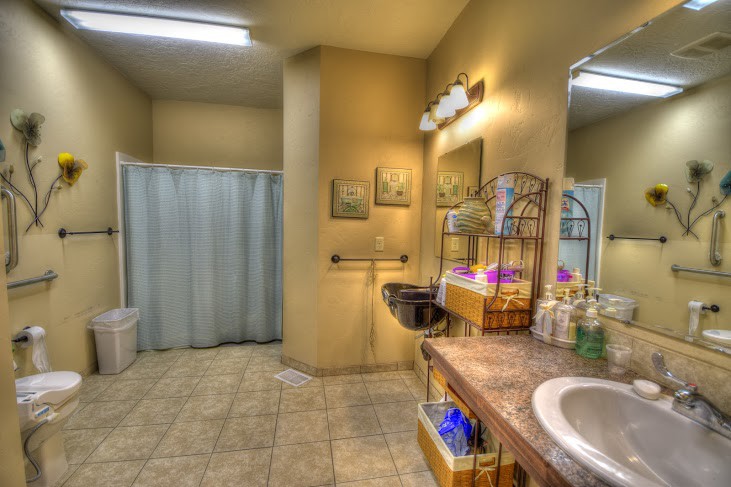
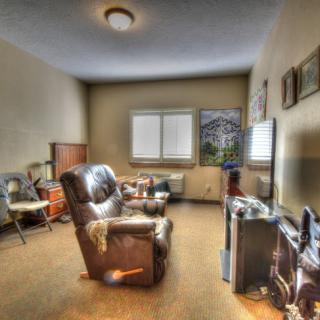
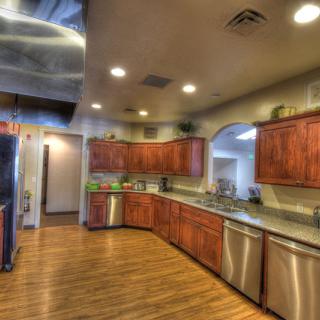
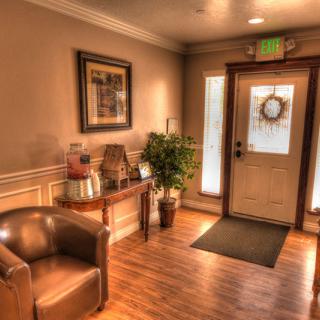
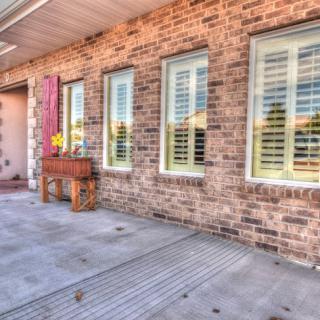
- The facility is beautiful, clean, and well organized, with compassionate, professional care.
Cons
 They observed inattentive care and a lack of cleanliness at a previous Hobbs location.
Review
Beehive Homes of Hobbs is clearly best suited for families seeking an intimate, home-like assisted living and memory care environment where staff demonstrate genuine care and residents are treated like family. The community earns its strength from a warm, neatly maintained setting, where residents transition with minimal disruption and can maintain their dignity, humor, and daily routines. Families note that the atmosphere feels different from larger, more impersonal facilities, delivering daily reassurance through attentive hands-on care and steady, supportive leadership.
People who should consider alternatives include those who require hospital-style medical oversight or access to highly specialized, on-site clinical programming. The reviews highlight remarkable warmth and attentiveness, but there is no indication of extensive on-site medical teams or high-tech therapy suites. For families facing complex medical regimens, acute rehabilitation needs, or very intensive nursing requirements, it would be prudent to compare Beehive’s capabilities with larger campuses that routinely staff physicians, therapists, and around-the-clock skilled nursing.
The strongest pros center on the human connection between staff and residents. The caregivers are repeatedly described as compassionate, patient, and professional, with management that is cohesive and approachable. The experience during a loved one’s transition and end-of-life care stands out: the staff’s steady presence, Starla’s leadership, and the whole team’s supportive attitude helped preserve dignity and comfort at a difficult time. This level of responsiveness and personal attention is what makes the community stand apart from less attentive environments.
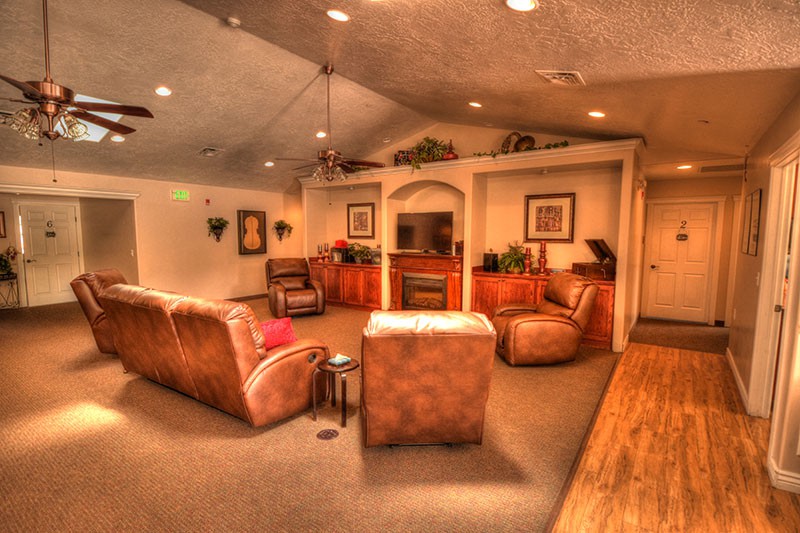
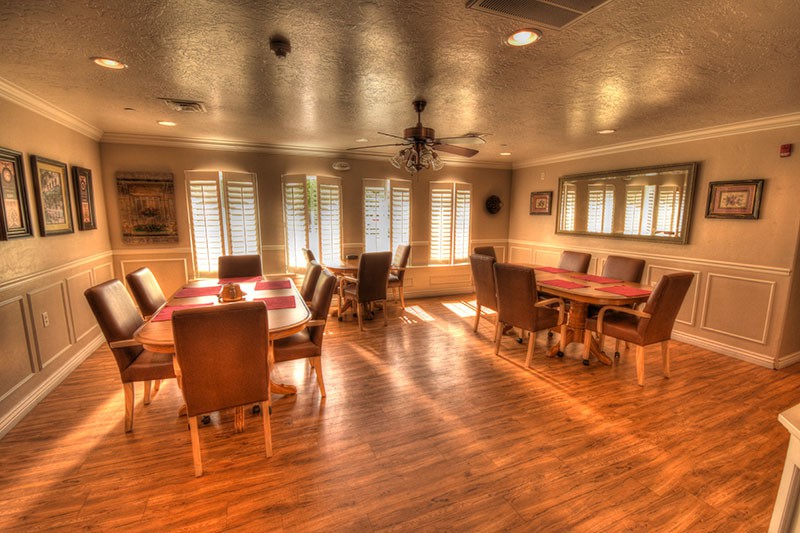
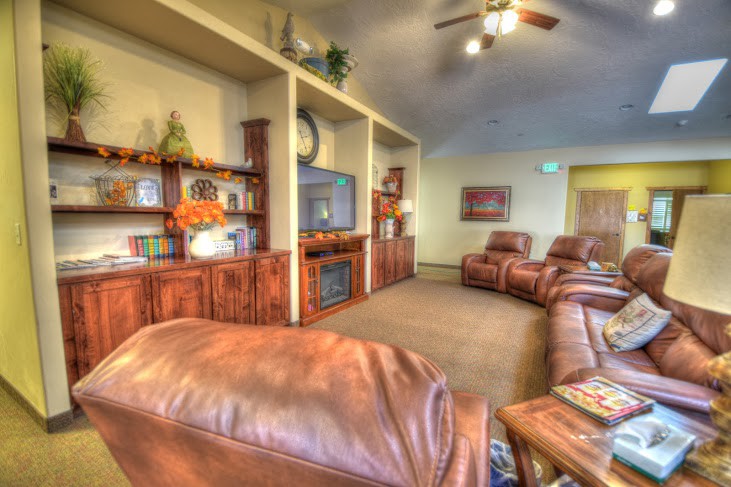
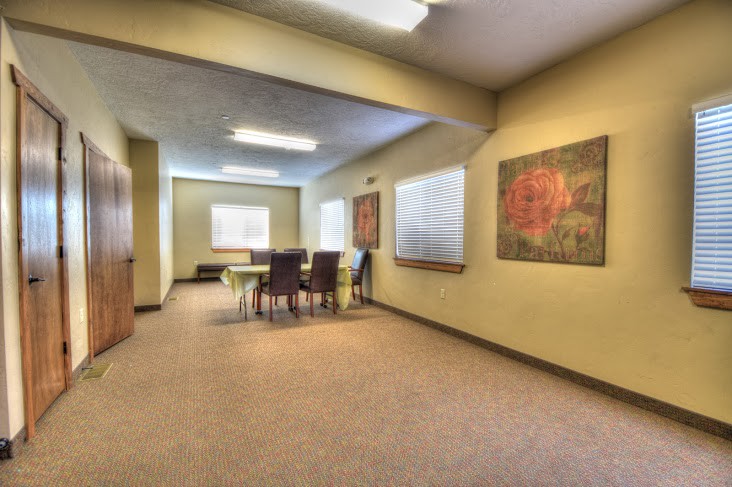
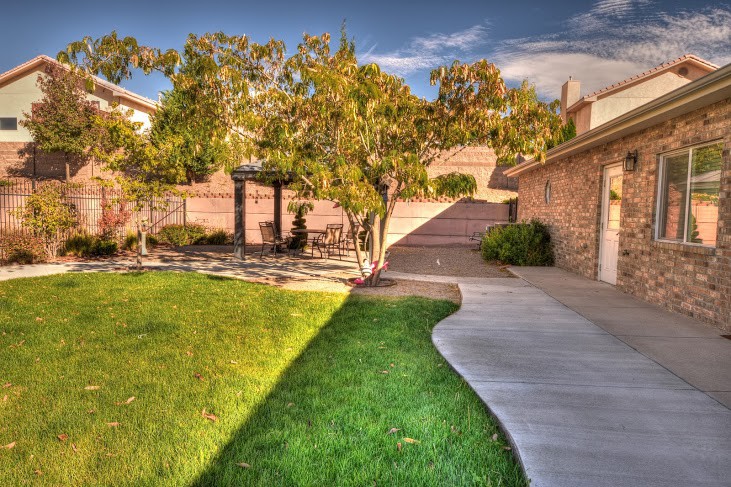
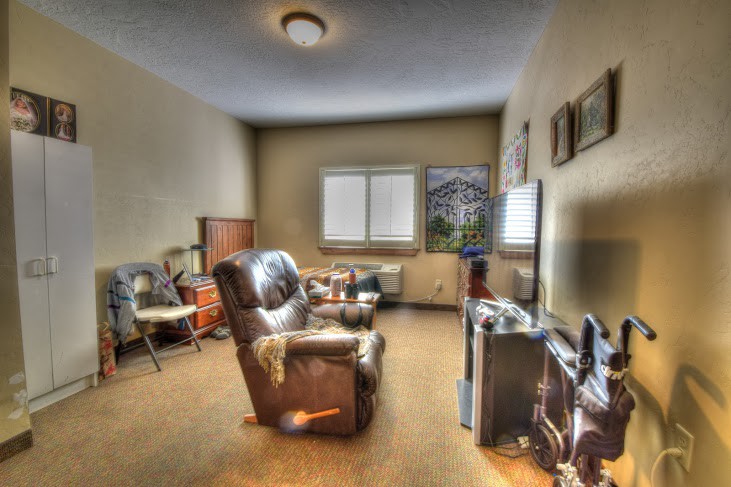
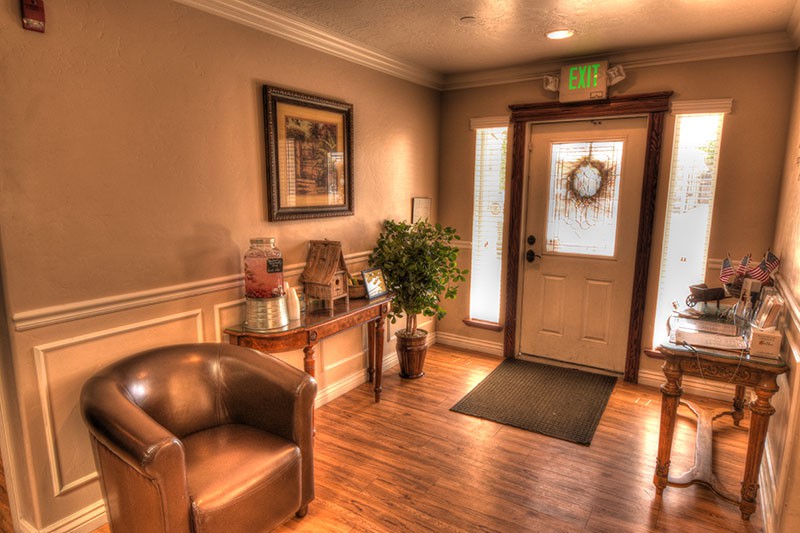
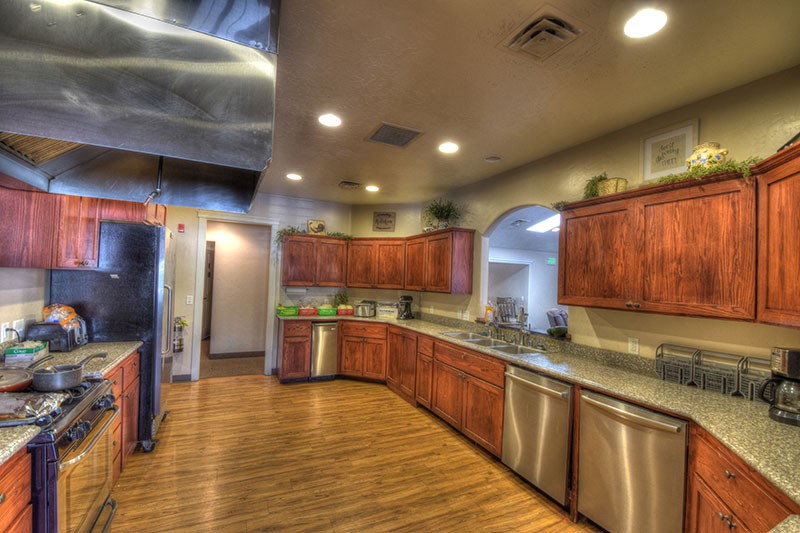
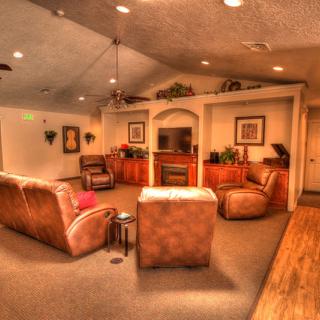
Another standout is the quality of day-to-day living, an aesthetically pleasing, clean, and well-organized home that feels like “home.” The facility earns praise for its atmosphere, including home-cooked meals and special family events that foster connection and reassurance. Descriptions of dinner experiences and Thanksgiving gatherings illustrate a culture that prioritizes nourishment, community ties, and meaningful engagement for both residents and their families. The “best memory care facility” designation in Hobbs reflects a sustained commitment to residents’ emotional and cognitive well-being in a familiar setting.
In weighing potential drawbacks, the reviews reveal no significant, recurring negatives. However, the practical tradeoffs inherent to intimate memory-care-focused homes should be considered. While Beehive excels at staff attentiveness, cleanliness, and family alignment, families with expectations of broad, hospital-grade medical resources or expansive, campus-wide programming may want to verify the exact scope of on-site clinical services and the availability of specialists. The offset is clear: the same intimate, neighborly culture that delivers exceptional daily care also tends to prioritize comfort and personalized attention over sheer volume of amenities.
Ultimately, Beehive Homes of Hobbs stands out as a top option for families prioritizing authentic care, a supportive community, and a smooth transition for loved ones needing assisted living or memory care. For those who value immediate warmth, practical help with daily tasks, respectful end-of-life support, and a setting that feels like a cared-for home, this is a compelling choice. Prospective families should schedule a tour, observe staff-resident interactions, inquire about care planning and memory-care specifics, and verify that the level of medical oversight aligns with their loved one’s needs. When alignment is found, Beehive Homes of Hobbs delivers a rare combination of heart, cleanliness, and dependable daily structure.
 21 resident community capacity
 Assisted Living
 Memory Care
 Activities on-site
 Beauty salon
 Cable or satellite TV
 Devotional services off-site
 Dining room
 Fully furnished
 Garden
 Housekeeping services
 Indoor common areas
 Kitchenette
 Move-in coordination
 Outdoor space
 Telephone
 Wi-Fi/high-speed internet available
 Lea County Regional (7 miles away)
 24-hour call system
 Assistance with bathing
 Assistance with dressing
 Assistance with transfers
 Diabetes diet
 Diabetic care
 Incontinence care
 Meal preparation and service
 Medication management
 Mental wellness program
 Special dietary restrictions
 Transportation arrangement (medical)
 Transportation to doctors appointments



 5 Early Indicators of Dementia and What You Can Do
 8 Important Indicators That Memory Care May Be Necessary
 Delving into the Inner World of Dementia: Insights into Thoughts and Awareness