Lea Regional Medical Center - Transitional Care Unit in Hobbs, NM
Lea Regional Medical Center - Transitional Care Unit is a nursing home community in Hobbs, NM.
Information last verified:
5419 North Lovington Highway, Hobbs, NM 88240
For more information about senior living options: (866) 208-4318
2.3 from 118 reviews
5 stars
36
4 stars
3
3 stars
0
2 stars
3
1 stars
76
Overall Review of Lea Regional Medical Center - Transitional Care Unit
caveat22 reviews mention this
Wait times affect the experience
Residents describe long waits and limited updates before they are seen.
A recurring concern is how long people say they waited for care, including waits measured in hours without seeing a doctor or getting consistent communication. Several reviewers describe feeling dismissed or discharged without addressing their symptoms after extended waiting. A number of comments also mention patients being in hallways or waiting in the waiting room for long stretches.
common14 reviews mention this
Nursing support is sometimes praised
Many reviewers say nurses showed kindness and responsiveness.
Even among negative experiences, multiple reviewers single out nursing staff as kind, attentive, or professional. Several positive reviews describe nurses and other workers as helpful, supportive, and calm during stressful situations, including surgery and ICU stays. At the same time, other reviews criticize doctors specifically, or describe care that felt inconsistent once it was time for physician input.
caveat12 reviews mention this
Care quality concerns and misdiagnosis
Some residents report inaccurate or delayed treatment decisions.
Several reviewers describe situations where they believe problems were missed, misdiagnosed, or not treated appropriately, sometimes requiring follow-up care elsewhere. A few comments point to examples like needing later testing after being told it was fine, or concerns about not examining patients as expected. Other reviews also describe neglect-related issues, such as lack of responsiveness or difficulty getting appropriate attention.
caveat2 reviews mention this
Billing and expense raise complaints
Some reviewers say hospital costs felt excessive for the care received.
At least a couple of reviewers mention bills they felt were too high, including charges they associated with visits where they felt they did not receive meaningful treatment. These comments connect the cost concern directly to negative care experiences, rather than describing billing as a standalone issue.
caveat10 reviews mention this
People recommend nearby alternatives
Multiple reviews suggest driving to other nearby facilities instead.
When reviews are negative, a common workaround is going to other hospitals in nearby towns, with reviewers describing faster or better experiences elsewhere. This theme also shows up alongside complaints about wait times, delays, and perceived lack of timely treatment. In the local area list, the closest hospital options include Lea Regional Medical Center and several physician and clinic offices within short driving distance.
How we summarize
Counts show how many written reviews mention each theme; a review can touch several themes, and only frequently mentioned themes are displayed.
The guide outlines the eligibility criteria for home health care services, emphasizing clinical requirements, insurance options, and application processes. It distinguishes between Medicare's strict and Medicaid's flexible qualifications while addressing challenges families may face in securing necessary care at home.
Elder abuse affects many older adults worldwide and includes physical, emotional, neglectful, and financial harm, with about one in six individuals over 60 experiencing abuse annually. Prevention and intervention strategies focus on awareness, support for caregivers, and mandatory reporting, while recovery necessitates comprehensive support for both physical and emotional needs.
The guide details ten essential responsibilities of senior caregivers, including personal care, mobility assistance, medication management, and emotional support, while emphasizing the importance of safety, nutrition, and maintaining a safe living environment to enhance seniors' quality of life and independence.
Get PricingAsk A QuestionSchedule A TourContact Senior Advisor
By clicking submit, you agree to our Partner's Terms of Use. You
also consent to receive calls and texts, which may be autodialed, from our Partner. Your consent is not a condition to
using our Partner's service. Please visit our Partner's Privacy Policy for information about their privacy practices.

 16 resident community capacity
 Skilled Nursing Facility
 Cable or satellite TV
 Dining room
 Fully furnished
 Garden
 Housekeeping services
 Move-in coordination
 Outdoor space
 Telephone
 Wi-Fi/high-speed internet available
 Lea County Regional (6 miles away)
 24-hour supervision
 Activities of daily living assistance
 Assistance with bathing
 Assistance with dressing
 Assistance with transfers
 Diabetes diet
 Meal preparation and service
 Medication management
 Special dietary restrictions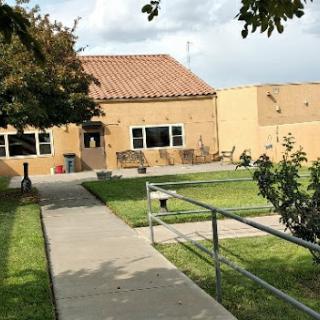
 Extensive amenities and wellness services (dining, transportation, fitness, activities).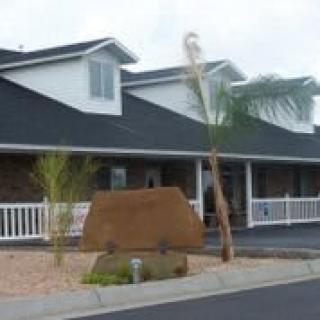


 Comprehensive Guide to Qualifying for Home Health Care Services
 Powerful Realities of Elder Abuse and the Most Effective Ways to Report It
 Ten Vital Duties of a Senior Caregiver: A Comprehensive Guide