Cedar Ridge Inn

Save

Cedar Ridge Inn

800 Saguaro Trail, Farmington, NM 87401

For more information about senior living options: (844) 490-3973

3.7 from 33 reviews
5 stars
19
4 stars
3
3 stars
1
2 stars
1
1 stars
9

Skilled Nursing Facility

Overall Review of Cedar Ridge Inn

Pros

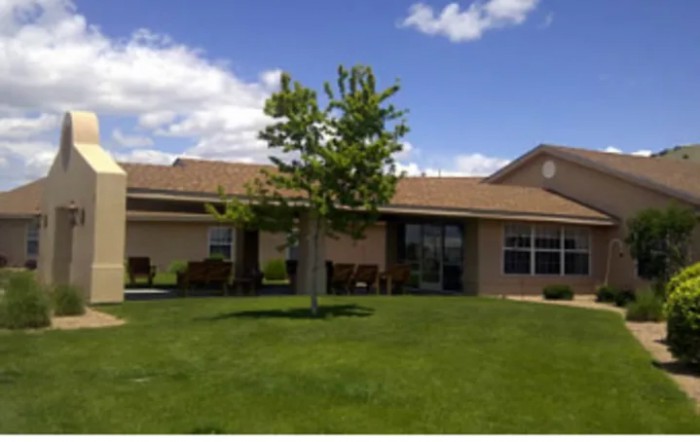
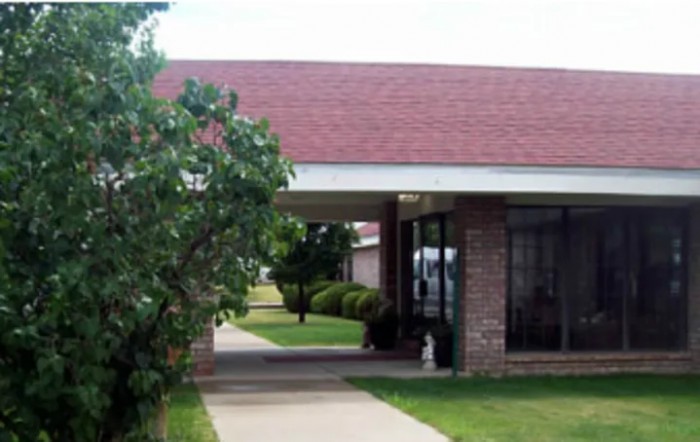
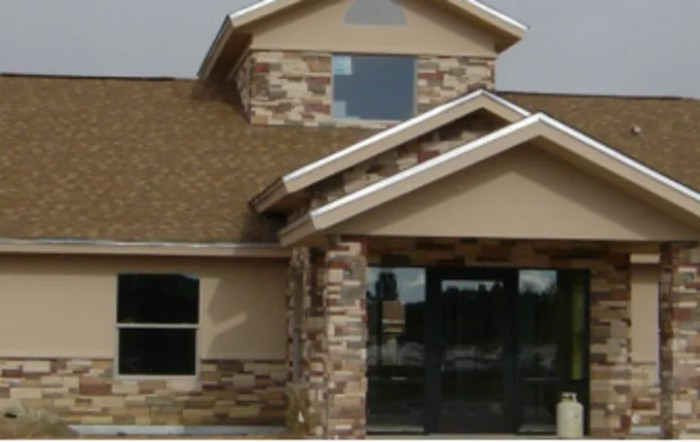
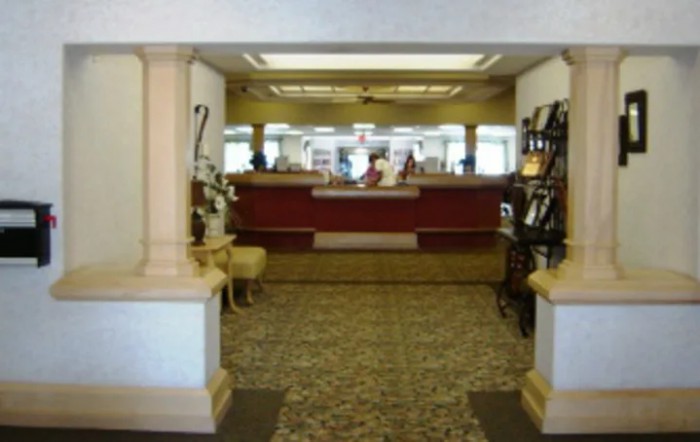
  • pro Cedar Ridge is described as a clean, calm facility with a nice building.
  • pro The staff are nice, caring, and genuinely show they care for residents.
  • pro Lawrence, the administrator, is said to do a great job.
  • pro The staff are great and the food is good, and they really care.
  • pro The staff members are thanked for helping loved ones on their road to recovery.
  • pro Families feel Cedar Ridge is the best place to get help for a loved one and would highly recommend it.
  • pro The nurses and CNAs are friendly, caring, and knowledgeable, and they greet patients by name.
  • pro The therapists are outstanding and focused on patients' progress.
  • pro The on-staff physicians are caring and qualified; recovery and well-being are a top priority.
  • pro The facility is very clean, well-maintained, and sanitized daily.
  • pro Family involvement is encouraged and valued.
  • pro The kitchen staff are friendly and contribute to a positive experience.

Cons

  • pro The reviewer states Cedar Ridge forced their grandfather to do daily physical therapy despite it being an ordeal and not advised by doctors.
  • pro The reviewer claims the resident contracted C. diff at the facility, which contributed to his death.
  • pro The reviewer describes the staff as rarely returning calls, being very rude, and the facility appearing understaffed with inexperienced management.
  • pro The reviewer accuses the administrator of dishonesty and mismanagement, with appointments missed or canceled to boost billing.
  • pro The reviewer notes neglect, such as nails not being trimmed and the patient being left alone in their room without help.
  • pro The reviewer reports Covid-19 outbreaks and restricted visits, leading to illness and distress for families.

Review

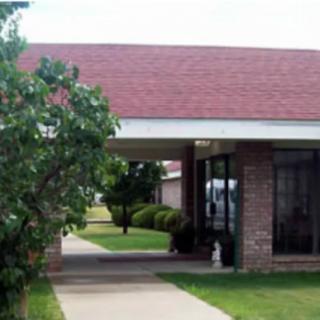
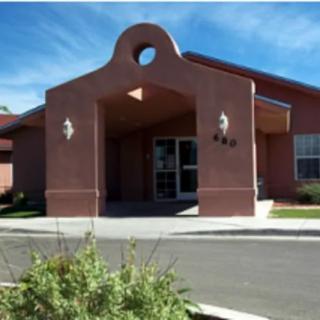
Cedar Ridge Home and Rehab Center appears to be a facility that many people associate with a clean, calm environment, quality nursing staff, and a sense that the place is run with care. Several reviews praise the building and the atmosphere, calling it a "clean home" and "very clean environment," with phrases like "great staff" and "very helpful, family involvement is a plus." Some residents and family members describe the nursing team as friendly, knowledgeable, and attentive, noting that nurses and CNAs often greet them by name and that the on-site physicians are caring and qualified. Others recount years-long residency with positive experiences, especially for loved ones who seemed comfortable and well-supported over time. In moments of success, caregivers and therapists are celebrated for their dedication, and the overall sense conveyed is that Cedar Ridge has the potential to be a warm, respectful place for healing and daily living.

Yet the same reviews reveal a starkly different reality for some families. One deeply troubling account centers on a family's Din? grandfather who was moved from a hospital to Cedar Ridge during a battle with pancreatic cancer that had spread to the lymph nodes and legs. The family describes a troubling sequence: the patient was asked to perform daily physical therapy that was physically painful and seemed inconsistent with hospital doctors' recommendations, followed by a rapid decline in mobility. They report being told this decline was interpreted as a refusal to cooperate, and they were asked to remove him from the facility. Shortly after returning home, the patient developed a severe infection - clostridioides difficile colitis - that the family attributes to his stay at Cedar Ridge, compounded by a weakened immune system and cancer. The narrative concludes with the patient's death less than ten days later, prompting a warning to consider home care when possible. This account is a clear, strong caution about potential risks and the emotional toll of decisions made within the facility.

There are also broader criticisms about communication, responsiveness, and administrative conduct. Several reviewers express frustration with call backs from admissions or administrative staff, describing rude behavior, long delays, or a sense that their inquiries were not treated with respect. One reviewer recalls an interaction where prepaying for care was misinterpreted by a manager as an attempt to "dump" a relative there, creating a feeling of distrust. Another strongly-worded critique questions the integrity and functionality of the administration, suggesting that appointments are missed, and that the left hand does not seem to know what the right hand is doing. These stories contribute to a perception that, for some, the administrative side of Cedar Ridge may be disorganized or less transparent, especially during periods of transition or high demand.

COVID-19 adds another layer of complexity in several testimonials. A number of readers describe outbreaks within the facility and talk about stringent restrictions on visits, which they link to negative experiences and emotional distress for patients and families. One reviewer notes a two-month period with limited or no opportunities for family contact via in-person visits or even video calls, describing the impact as heartbreaking for both patient and kin. Another expresses bitter disappointment at losing a loved one to the virus, underscoring how the pandemic magnified concerns about safety, communication, and compassionate care. The mixed messages about infection control and the realities of end-of-life care during the pandemic color the overall impression for some families.

Despite these serious cautions, some reviews acknowledge positive elements in specific contexts. A number of accounts highlight the care provided during end-of-life and post-acute phases, with families expressing gratitude for compassionate staff, supportive nurses, and the sense that their loved ones were held with dignity. There are mentions of excellent physical therapy teams and a recognition that therapists care deeply about patient progress and recovery. Some reviewers emphasize the value of staff who go the extra mile, the presence of caring physicians, and the overall impression of a facility that can deliver high-quality care when circumstances align and when management and staffing are stable. In other words, Cedar Ridge is seen by some as capable of delivering excellent care and comfort, particularly for those who experience continuity, communication, and supportive relationships with the caregiving team.

A recurring theme across the mixed reviews is the importance of management and consistency. A few commenters note improvement after new leadership or changes in administration, suggesting that leadership quality can meaningfully affect the experience of residents and families. Others point out moments of strong staff performance - nurses and CNAs who demonstrate empathy, attentiveness, and professional competence - while simultaneously calling out gaps in responsiveness or care plans. The testimonials collectively paint a facility that can be a source of real healing and comfort for some, but that also carries significant risks and frustrations for others, particularly when expectations about medical recommendations, infection control, and clear communication are not met.

In sum, Cedar Ridge Home and Rehab Center emerges as a place of contrasts. For some families, it represents a trustworthy, warm environment where loved ones are treated with respect, kindness, and professional skill. For others, it becomes a site of distress and doubt - where medical decisions feel contested, where infections and restrictions complicate care, and where experiences with administration as well as pace and attentiveness can leave lasting hurt. If one is considering Cedar Ridge, these varied perspectives underscore the importance of visiting, asking pointed questions about medical oversight, infection control, and admission processes, and seeking honest, timely communication from both the clinical and administrative teams. The stories collectively suggest that the quality of care at Cedar Ridge can be exceptional, but it is crucial for families to assess how well the facility's practices align with their loved one's needs, values, and the level of reassurance they require.

Features

Housing

  • 101 resident community capacity 101 resident community capacity

Types of Care

  • Skilled Nursing Facility Skilled Nursing FacilitySkilled Nursing Facilities are crucial for seniors as they provide round-the-clock medical care, rehabilitation services, and assistance with daily activities. These facilities ensure that seniors receive the specialized care they need to maintain their health and well-being as they age.

Amenities

  • Air-conditioning Air-conditioningAir conditioning is important for seniors as they are more vulnerable to heat-related illnesses and may have underlying health conditions that make it difficult for them to regulate their body temperature. It helps to keep them comfortable, safe, and healthy in hot weather.
  • Beauty salon Beauty salonBeauty salons are important for seniors because they provide a space for them to feel pampered, socialize, and maintain their personal grooming and hygiene. Regular visits to a beauty salon can help boost seniors' self-esteem and overall well-being.
  • Cable or satellite TV Cable or satellite TVCable or satellite TV is important for seniors because it provides entertainment, news, and companionship, helping to combat loneliness and boredom. It also offers a wide range of programming options tailored to different interests and preferences.
  • Computer center Computer centerA computer center is essential for seniors as it provides access to technology, communication tools, and resources that can enhance their daily lives. It allows them to stay connected with loved ones, engage in online activities, and learn new skills, ultimately promoting socialization and mental stimulation.
  • Dining room Dining roomDining rooms are important for seniors as they provide a space for socialization, connection, and nutritious meals. They offer opportunities for residents to bond over shared meals, foster a sense of community, and promote healthy eating habits. Dining rooms also ensure that seniors have access to well-balanced meals tailored to their dietary needs and preferences.
  • Fitness room Fitness roomHaving a fitness room in a senior living community is essential for seniors to stay active, maintain their physical health, and improve their overall well-being. Regular exercise can help prevent falls, reduce the risk of chronic diseases, and promote mental sharpness. It also provides social opportunities for residents to connect with others and enjoy a sense of community.
  • Fully furnished Fully furnishedFully furnished senior living communities are important for seniors because they provide convenience, comfort, and a hassle-free moving experience. Seniors can easily settle into their new living space without the stress of having to buy and move furniture. This allows them to focus on enjoying their new home and community.
  • Gaming room Gaming roomGaming rooms are important for seniors as they provide a fun and engaging environment for socializing, cognitive stimulation, and physical activity. Games can improve memory, problem-solving skills, and overall mental well-being while fostering friendships and reducing feelings of isolation.
  • Garden GardenGardens are important for seniors as they provide a peaceful and therapeutic environment for relaxation, physical activity, and socialization. Being in nature has been shown to reduce stress, improve mood, and promote overall well-being. Gardens also offer opportunities for seniors to engage in gardening activities, which can improve mobility, flexibility, and cognitive function. Additionally, gardens create a sense of community and connection with others who share a passion for plants and outdoor spaces.
  • Housekeeping services Housekeeping servicesHousekeeping services are important for seniors because they help maintain a clean and safe living environment, promote independence, and reduce the risk of accidents or illnesses. Additionally, having assistance with household chores can alleviate physical strain and allow seniors to focus on other aspects of their well-being.
  • Kitchenette KitchenetteKitchenettes are important for seniors living in senior living communities because they provide the convenience and independence of being able to prepare simple meals and snacks in the comfort of their own living space. This can help promote a sense of autonomy and well-being for seniors, allowing them to maintain some level of control over their dietary choices and daily routines.
  • Move-in coordination Move-in coordinationMove-in coordination is important for seniors because it helps ease the transition into their new living environment. It ensures that all logistics, such as packing, organizing movers, and setting up utilities are taken care of, allowing seniors to focus on settling in and adjusting to their new home. Having a smooth move-in process can alleviate stress and anxiety, making the transition smoother and more enjoyable for seniors.
  • Outdoor space Outdoor spaceOutdoor spaces are important for seniors as they provide opportunities for physical activity, social interaction, exposure to natural light and fresh air, and a sense of connection to nature. Having access to outdoor spaces can improve overall well-being and quality of life for older adults living in senior communities.
  • Private bathrooms Private bathroomsPrivate bathrooms are important for seniors in senior living communities because they provide independence, dignity, and comfort. Having a private bathroom allows seniors to maintain their personal hygiene routines without the need for assistance, promoting a sense of autonomy and privacy. Additionally, private bathrooms help prevent the spread of infections and provide a safe and clean environment for seniors to navigate safely.
  • Restaurant-style dining Restaurant-style diningRestaurant-style dining is important for seniors because it allows them to enjoy delicious, nutritious meals in a social and upscale setting. This enhances their dining experience, promotes healthy eating habits, and fosters socialization with fellow residents, ultimately contributing to their overall well-being and quality of life.
  • Small library Small librarySmall libraries are important for seniors as they provide access to a variety of reading materials, including books, newspapers, and magazines. This can help stimulate their minds, keep them engaged, and provide a sense of community through book clubs and other social activities. Additionally, reading has been shown to improve cognitive function and overall mental well-being in older adults.
  • Telephone TelephoneTelephones are important for seniors as they provide a lifeline for communication with loved ones, emergency services, and healthcare providers. They offer a sense of security and independence, enabling seniors to stay connected and access assistance when needed.
  • Wellness center Wellness centerWellness centers are important for seniors because they offer a variety of programs and services that promote physical, mental, and emotional well-being. These centers provide opportunities for exercise, socialization, education, and relaxation, helping seniors maintain their overall health and quality of life.
  • Wi-Fi/high-speed internet available Wi-Fi/high-speed internet availableWi-Fi/high-speed internet is important for seniors to stay connected with loved ones, access online resources, and participate in virtual activities to combat feelings of loneliness and isolation. It also allows them to easily manage healthcare needs, access entertainment, and engage in lifelong learning opportunities.

Transportation

  • Community operated transportation Community operated transportationCommunity operated transportation is crucial for seniors as it provides them with the means to access essential services, social activities, and medical appointments. It allows seniors to maintain their independence and quality of life by ensuring they can participate in activities outside of their homes. Additionally, community-operated transportation services offer a safe and reliable way for seniors to travel without having to rely on family or friends for assistance.
  • Transportation arrangement Transportation arrangementTransportation arrangements are crucial for seniors as they may face challenges with driving, mobility, or access to public transportation. Having reliable transportation services ensures that seniors can easily attend appointments, social activities, and maintain their independence and quality of life.
  • Transportation arrangement (non-medical) Transportation arrangement (non-medical)Transportation arrangements are essential for seniors as they provide access to essential services, activities, and social interactions outside the home. This service helps maintain independence, mobility, and overall well-being for seniors who may have limited transportation options.
  • Transportation to doctors appointments Transportation to doctors appointmentsTransportation to doctors appointments is crucial for seniors as it ensures they have access to necessary medical care and support, promoting their health and well-being. It allows them to receive timely treatment, monitor existing conditions, and address any new health concerns efficiently. Additionally, transportation services can help seniors maintain their independence and quality of life by enabling them to stay connected with their healthcare providers.

Care Services

  • 12-16 hour nursing 12-16 hour nursing12-16 hour nursing care is crucial for seniors in order to ensure around-the-clock monitoring, timely medication administration, and prompt response to any health concerns or emergencies. This level of care helps to promote the overall well-being and safety of seniors living in senior living communities.
  • 24-hour call system 24-hour call system24-hour call systems are important for seniors because they provide peace of mind and immediate assistance in case of emergencies. This technology ensures that help is always available, promoting safety and security for elderly individuals living alone or in assisted living facilities.
  • 24-hour supervision 24-hour supervision24-hour supervision is important for seniors to ensure their safety, well-being, and access to immediate assistance in case of emergencies or health issues. This constant support provides peace of mind for both seniors and their loved ones, allowing them to age in place with dignity and security.
  • Activities of daily living assistance Activities of daily living assistanceActivities of daily living assistance are important for seniors because they provide essential support with tasks such as eating, bathing, dressing, and mobility. This assistance helps seniors maintain their independence, dignity, and overall quality of life as they age.
  • Assistance with bathing Assistance with bathingAssistance with bathing is crucial for seniors as it helps maintain personal hygiene, prevents infections, and ensures their overall well-being and comfort. It also provides a sense of dignity and independence for seniors who may struggle with this task on their own.
  • Assistance with dressing Assistance with dressingAssistance with dressing is important for seniors because it helps maintain their independence, promotes personal hygiene, prevents accidents and injuries, and improves overall quality of life. This service ensures that seniors can continue to dress comfortably and confidently, despite any physical limitations they may have.
  • Assistance with transfers Assistance with transfersAssistance with transfers is crucial for seniors as it helps prevent falls and injuries, maintains their independence, and ensures they can safely navigate their living environment. It also provides peace of mind for both seniors and their loved ones.
  • Diabetes diet Diabetes dietA diabetes diet is crucial for seniors as it helps manage blood sugar levels, reduce risks of complications, and improve overall health and well-being. By following a balanced and nutritious diet tailored to their specific needs, seniors can better control their diabetes and enhance their quality of life.
  • Meal preparation and service Meal preparation and serviceMeal preparation and service are crucial for seniors as they may have limited mobility or energy to cook nutritious meals. Having access to healthy and convenient food options can ensure they are getting the proper nutrition needed to maintain their overall health and well-being.
  • Medication management Medication managementMedication management is crucial for seniors to ensure they are taking the right medications at the correct dosages and times. This helps prevent adverse drug interactions, reduces the risk of medication errors, and promotes overall health and well-being. Proactive management also allows for adjustments as needed based on changing health conditions or new prescriptions.
  • Mental wellness program Mental wellness programMental wellness programs are essential for seniors as they promote cognitive stimulation, emotional support, and social engagement. These programs help prevent isolation, depression, and cognitive decline, ultimately enhancing the overall quality of life for older adults.
  • Special dietary restrictions Special dietary restrictionsSpecial dietary restrictions are important for seniors because age-related changes in metabolism and health conditions can make it difficult for their bodies to process certain foods. By following a diet tailored to their specific needs, seniors can maintain their overall health and well-being, manage chronic conditions, and reduce the risk of complications such as malnutrition or food interactions with medications.

Dining

  • Diabetes diet Diabetes dietA diabetes diet is crucial for seniors as it helps manage blood sugar levels, reduce risks of complications, and improve overall health and well-being. By following a balanced and nutritious diet tailored to their specific needs, seniors can better control their diabetes and enhance their quality of life.
  • Special dietary restrictions Special dietary restrictionsSpecial dietary restrictions are important for seniors because age-related changes in metabolism and health conditions can make it difficult for their bodies to process certain foods. By following a diet tailored to their specific needs, seniors can maintain their overall health and well-being, manage chronic conditions, and reduce the risk of complications such as malnutrition or food interactions with medications.

Activities

  • Community-sponsored activities Community-sponsored activitiesCommunity-sponsored activities are important for seniors as they provide opportunities for social interaction, mental stimulation, and physical activity. These activities can help improve overall well-being, combat loneliness and isolation, and promote a sense of belonging and purpose among older adults.
  • Concierge services Concierge servicesConcierge services are essential for seniors as they provide assistance with daily tasks and errands, enhance their quality of life by offering convenience and personalized care, and promote a sense of safety and security.
  • Fitness programs Fitness programsFitness programs are crucial for seniors as they help improve strength, flexibility, balance, and overall well-being. Staying active can reduce the risk of chronic diseases, improve mental health, and enhance quality of life in older adults.
  • Planned day trips Planned day tripsPlanned day trips are important for seniors because they offer opportunities for socialization, mental stimulation, and physical activity. They provide a change of scenery and help seniors stay engaged and connected to their community, promoting overall well-being and quality of life.
  • Resident-run activities Resident-run activitiesResident-run activities are important for seniors as they encourage social interaction, creativity, and a sense of autonomy. These activities empower seniors to stay engaged and active in their community while fostering meaningful connections with their peers.
  • Scheduled daily activities Scheduled daily activitiesScheduled daily activities are important for seniors because they provide structure, socialization, mental stimulation, and physical activity. Engaging in regular activities can improve overall well-being and quality of life for seniors living in a community setting.

Description

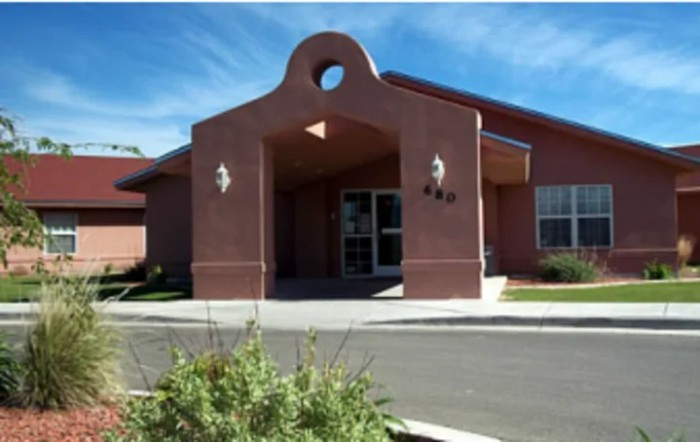
Cedar Ridge Inn in Farmington, NM is an assisted living community that offers a range of amenities and care services to support the well-being and comfort of its residents. The community features a beauty salon for residents to stay groomed and pampered, as well as cable or satellite TV to keep them entertained. For transportation needs, Cedar Ridge Inn provides community-operated transportation and can arrange non-medical transportation to doctors' appointments.

The community also boasts several facilities designed for resident enjoyment and convenience. These include a computer center, gaming room, small library, fitness room, and outdoor space where residents can relax and engage in various activities. Residents can also enjoy restaurant-style dining in the on-site dining room, ensuring they have access to delicious meals prepared by the staff.

Care services at Cedar Ridge Inn are comprehensive and personalized. The community has a 24-hour call system and supervision to ensure the safety of all residents. Trained staff members are available to provide assistance with activities of daily living such as bathing, dressing, and transfers. Medication management is also offered to ensure that residents receive their medications as prescribed.

The mental wellness program at Cedar Ridge Inn focuses on promoting emotional well-being among the residents. Special dietary restrictions are accommodated, including diabetes diets, allowing residents to maintain their health through proper nutrition. Additionally, Cedar Ridge Inn offers move-in coordination services for a smooth transition into the community.

In terms of nearby amenities, there are two cafes in close proximity to Cedar Ridge Inn where residents can enjoy socializing or grabbing a quick bite. There are also four parks nearby for those who enjoy nature walks or outdoor activities. Five pharmacies provide convenient access to medication supplies while 30 physicians are available for medical care needs. With 32 restaurants nearby, residents have plenty of options for dining out with family or friends. Transportation options abound with five different options located nearby.

Overall, Cedar Ridge Inn offers a vibrant and supportive environment for its residents, with a range of amenities and care services to promote their well-being and provide them with a fulfilling lifestyle.

Nearby Places of Interest

Parks

  • Green Park (0.3 miles)
  • Jaycee Park (2.2 miles)
  • Play Day (2.2 miles)
  • Berg Park (2.9 miles)

Physicians

  • Four Corners Spine & Pain (0.5 miles)
  • Grace Place for Women Pregnancy and Health Services (0.5 miles)
  • San Juan Endodontics (0.8 miles)
  • X-Ray Associates at Farmington (1.4 miles)
  • Adult & Pediatric Urology (1.5 miles)
  • Pinon Family Practice (1.5 miles)
  • Orthopedic Associates PA (1.5 miles)

Places of Worship

  • Navajo Lutheran Ministries (0.6 miles)
  • Logos Resources (0.8 miles)
  • Church of Jesus Christ of Latter Day Saints (1.5 miles)
  • Providence Presbyterian Church (2.3 miles)
  • Farmington New Mexico Mission Office (3 miles)
  • St John's Episcopal Church (3 miles)
  • Palais de Cristal (3.2 miles)

Hospitals

  • Harris Erin L San Juan Health Wellness Farmington (1.3 miles)
  • Four Corners Ambulatory Surgery Center (1.5 miles)
  • Davita San Juan Dialysis (2.9 miles)
  • Farmington Community Health Center (3.7 miles)
  • San Juan Endoscopy (4 miles)

Pharmacies

  • Good Neighbor Pharmacy (1.6 miles)
  • Smith's Food & Drug (1.8 miles)
  • Walgreens (1.9 miles)
  • Walgreens (2.4 miles)
  • Walmart Pharmacy (3.6 miles)

Cafes

  • Durango Joes Coffee (1.9 miles)
  • Nestle Toll House Cafe (2.4 miles)

Restaurants

  • Subway (1.9 miles)
  • Simply The Best Nutrition (2.2 miles)
  • Clancy's Pub (2.3 miles)
  • Si Senor (2.3 miles)
  • Stir Fry 88 (2.4 miles)
  • Sumo Grill & Sushi (2.5 miles)
  • Los Rios Cafe (2.5 miles)

Theaters

  • Allen 8 Theater Farmington (2 miles)

Transportation

  • Alamo (2.2 miles)
  • Great Lakes Airlines (3.2 miles)
  • Four Corners Regional Airport (FMN) (3.2 miles)
  • Lou Go's (3.4 miles)
  • U-Haul Neighborhood Dealer (3.4 miles)

Frequently Asked Questions

Where is Cedar Ridge Inn?
What photos are available for Cedar Ridge Inn in Farmington, New Mexico?

Nearby Communities

Related Resources

  • adult day careEncouraging Participation in Adult Day Care: A Guide to Supporting a Hesitant Parent

    Adult day care programs offer essential support and activities for older adults, yet many hesitate to participate due to concerns about independence and stigma. To alleviate these apprehensions, families should facilitate open discussions, explore financial resources, suggest trial visits, and collaborate with healthcare providers to highlight the benefits of such services for both the participants and their caregivers.

  • living will definitionComprehensive Exploration of Living Wills and Other Advance Directives

    Living wills and advance directives are crucial legal documents that outline an individual's healthcare preferences when they cannot make decisions themselves, enhancing patient autonomy and alleviating family stress during medical crises. The article emphasizes the need for these documents to be personalized, legally valid, and regularly updated, while also encouraging communication about end-of-life wishes among family members and healthcare providers.

  • living will definitionA Detailed Exploration of Living Wills and Advance Directives

    The article examines living wills and advance directives, highlighting their significance in expressing healthcare preferences for those unable to communicate due to illness or incapacity. It discusses their historical development, legal components, limitations, practical drafting advice, and the importance of clear communication among families and healthcare professionals regarding end-of-life decisions.