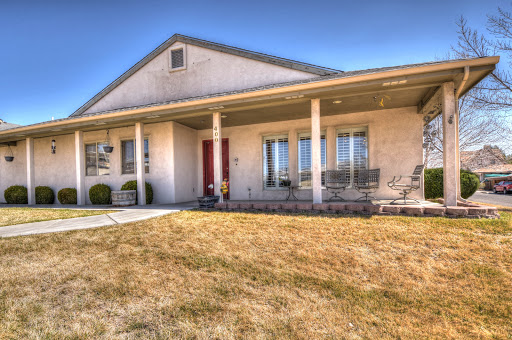






400 North Locke Avenue, Farmington, NM 87401
For more information about senior living options: (866) 208-4318
Beehive Homes Of Farmington Costs & Pricing
Beehive Homes of Farmington offers studio accommodations at a monthly cost of $4,500, which is notably higher than both the average rates in San Juan County ($3,835) and across New Mexico as a whole ($3,553). This pricing reflects the specialized care and unique environment provided by Beehive Homes, which may justify the premium for families seeking enhanced services and amenities. While the costs are above regional averages, potential residents should consider the comprehensive level of support and quality of life enhancements that come with choosing Beehive Homes of Farmington.
| Floor plans | Beehive Homes Of Farmington | San Juan County | New Mexico |
|---|---|---|---|
| Studio | $4,500 | $3,835 | $3,553 |
Overall Review of Beehive Homes Of Farmington
Pros
 The Beehive provides a warm welcome on entry, with staff saying “welcome home,” and caregivers who are friendly and always helpful.
- Beehive Homes is family-oriented, with compassionate staff.
- Beehive is a wonderful place for the care of loved ones, with wonderful staff and management.
- The staff are caring and attentive to residents’ needs, and Bernadette helped the family through a difficult time; the Beehive is highly recommended for loved ones.
- Beehive Memory Care Home #3 has experienced, caring, and friendly staff who ensure safety, respond quickly, and adapt to changing needs; residents enjoy a homelike atmosphere, private rooms, home-cooked meals, outdoor space, and engaging activities; memory care is strongly recommended.
- The Beehive’s staff are described as angels who keep rooms clean, speak sweetly to residents, and become like family, especially during Covid-19.
- The Beehive makes room for families and provides amazing care; staff go out of their way to help and care for loved ones, making it stand out from other facilities.
Cons
 The Beehive is a nice place, but the employees are another thing, so be careful.
- The first assisted living facility was a nightmare, with problems galore and the cruel separation of a couple after 60 years of marriage.
- The prior facility neglected tasks or tried to hide problems, which the reviewer found unacceptable.
- The reviewer hates thinking of anyone else going through what they endured there.
Review
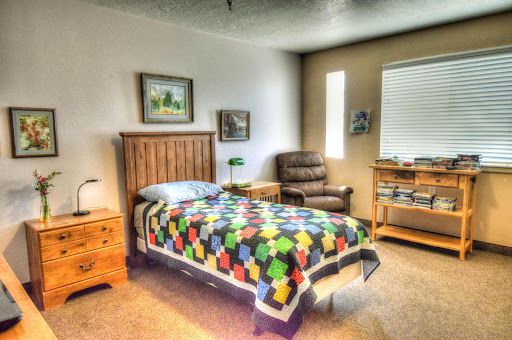
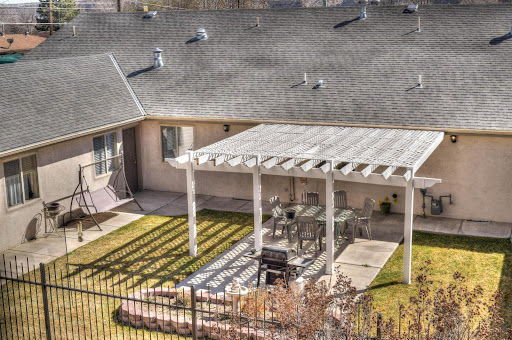
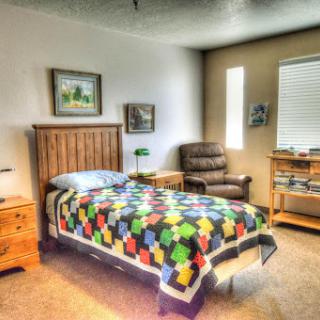
Beehive Homes Of Farmington is best suited for families who want a warm, home-like assisted living environment with genuinely engaged staff and a clear emphasis on personal connections, especially for residents who need memory-care support. The community cultivates a familial vibe from the moment a resident steps through the door, with greetings that reinforce a sense of belonging. Rooms tend to be well-appointed and private, meals are described as home-cooked, and the on-site grounds provide opportunities for outdoor activity. The strongest selling point is the care teams themselves: caregivers are consistently described as compassionate, attentive, and quick to respond, with memory-care staff in particular noted for their experience, calm approach, and ability to adapt to evolving resident needs. Families often highlight how staff establish trust, keep residents safe, and maintain a respectful, dignified atmosphere that feels less institutional and more like a well‑run home.
Those who may want to consider alternatives are primarily families seeking a more clinical or hospital‑style level of medical oversight, or those prioritizing a larger campus with a broader menu of on-site health services. Beehive’s strength is in its personalized, attentive care and homelike culture, not in delivering an expansive clinical footprint. If continuous, hospital-grade nursing support, a high caregiver-to-resident ratio across all shifts, or highly structured medical programming performed by a large operations team is non‑negotiable, other options may suit better. Additionally, one outspoken review cautions that staff reliability can vary, suggesting that families who require unwavering consistency should ask hard questions about staffing patterns and turnover before committing. In short, for residents needing steady, hands-on companionship in a cozy setting, Beehive shines; for those chasing a more clinical or highly regimented environment, alternatives deserve consideration.
The referable pros offset potential drawbacks in a practical, tangible way. The constant, welcoming greeting and the sense of “welcome home” translate into daily reassurance for residents and peace of mind for families. The combination of private rooms, home-cooked meals, and accessible outdoor spaces supports a comfortable, dignified daily routine, while the staff’s attentiveness translates into rapid responses to changing needs, an especially meaningful advantage in memory care where small shifts in behavior require timely attention. The memory-care program is repeatedly praised for its experienced team, who maintain safety without sacrificing warmth, keep families updated, and sustain a positive, respectful atmosphere even as residents’ needs evolve. Cleanliness and a homelike ambiance reinforce a sense of normalcy and respect that families often say they value above more clinical-feeling settings.
But the picture is not without its cautions. A minority voice flags concerns about variability in staff performance, urging prospective residents to probe for consistency, turnover, and training standards. Such concerns are not the dominant texture of the feedback, yet they matter, especially when choosing a long-term home for someone with memory impairment. This does not negate the abundant praise for compassion, accessibility, and personal attention, but it does counsel due diligence: observe interactions firsthand, inquire about caregiver-to-resident ratios, and ask how management handles shifts, vacations, and emergencies. The positive testimonials about staff going above and beyond, some even describing staff as family or “angels”, underscore that Beehive’s strongest asset is a caregiving culture that genuinely treats residents as people first.
When weighing the decision, the balance tilts toward Beehive’s strengths for most families, particularly those prioritizing a soothing, engaged environment with meaningful social programming and reliable, person-centered care. The benefits, trustworthy aides, meaningful engagement, transparent communication with families, and a home-like setting, often outweigh the potential concern of staff variability, provided that the family conducts careful diligence during a tour and asks direct questions about staffing practices. For residents with dementia or memory-related challenges, the demonstrated ability to adapt care plans, keep residents safe, and maintain dignity in daily routines makes Beehive Farmington a compelling choice. The emotional gulf between a formal institution and a supportive, familiar home is narrowed here, making Beehive a realistic, practical option for families prioritizing warmth, connection, and responsive care.
In the end, decision-makers should approach Beehive Farmington as a value-driven choice: a community that excels at creating a nurturing, resident-centered home where staff kindness, safety, and ongoing communication matter most. If the priority is a deeply human, low-stress living experience with memory-care expertise wrapped into everyday life, Beehive delivers with credibility and heart. If, instead, the top criterion is intensive medical programming, hospital-grade staffing consistency, or a larger campus with a broader clinical footprint, exploring alternatives is prudent. Prospective families should schedule a visit with clear objectives: observe staff-resident interactions, confirm staffing ratios during peak and off-peak hours, review sample care plans, and discuss how the team communicates progress and changes to families. With the right questions answered, this community stands out as a thoughtful, practical home that makes meaningful daily differences for both residents and their families.
 21 resident community capacity
 Assisted Living
 Memory Care
 Activities on-site
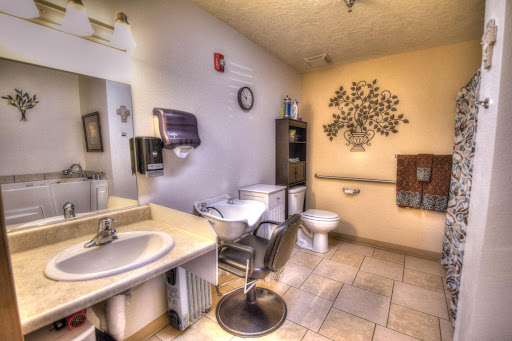
 Beauty salon
 Cable or satellite TV
 Devotional services off-site
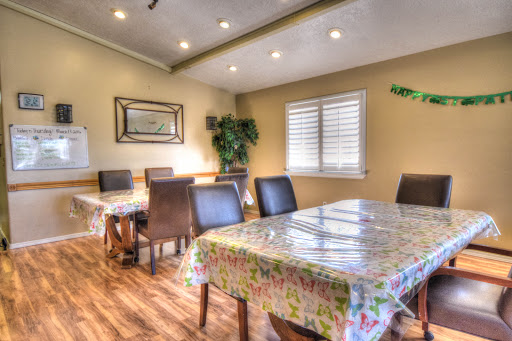
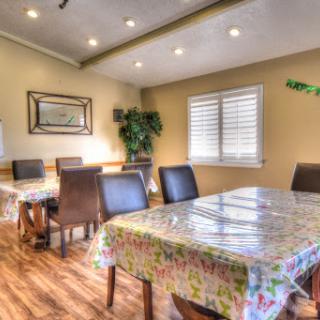
 Dining room
 Fully furnished
 Garden
 Housekeeping services
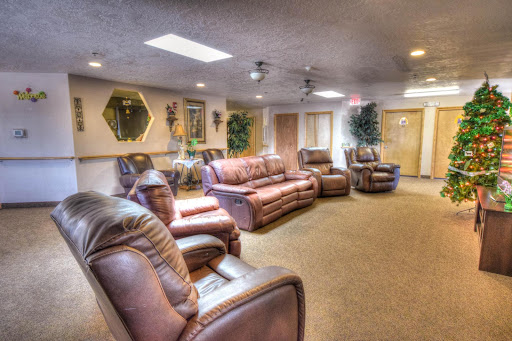
 Indoor common areas
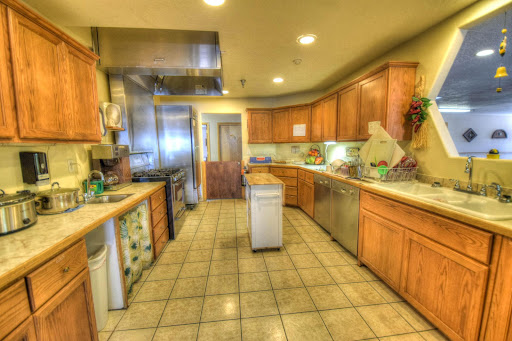
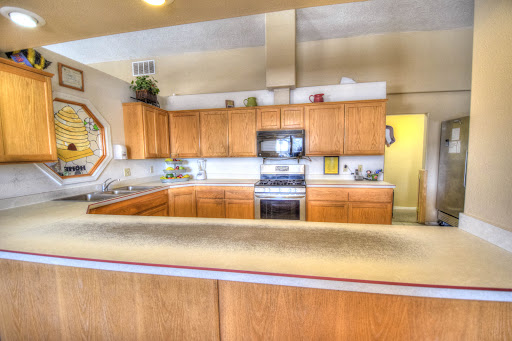
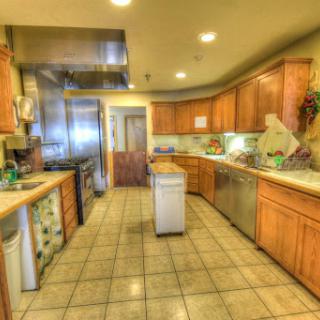
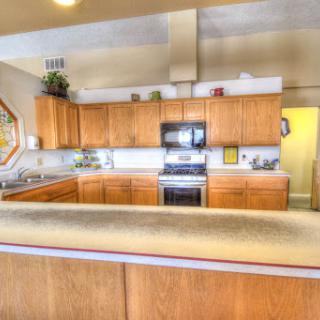
 Kitchenette
 Move-in coordination
 Outdoor space
 Telephone
 Wi-Fi/high-speed internet available
 24-hour call system
 Assistance with bathing
 Assistance with dressing
 Assistance with transfers
 Diabetes diet
 Diabetic care
 Incontinence care
 Meal preparation and service
 Medication management
 Mental wellness program
 Special dietary restrictions
 Transportation arrangement (medical)
 Transportation to doctors appointments






 A Thorough Discussion of Medications Potentially Linked to Dementia Risk
 Why Do Dementia Patients Sleep So Much? Understanding Oversleeping, Stages, and Care Approaches
 8 Key Indicators That Suggest It May Be Time to Transition from Assisted Living to Skilled Nursing Care