
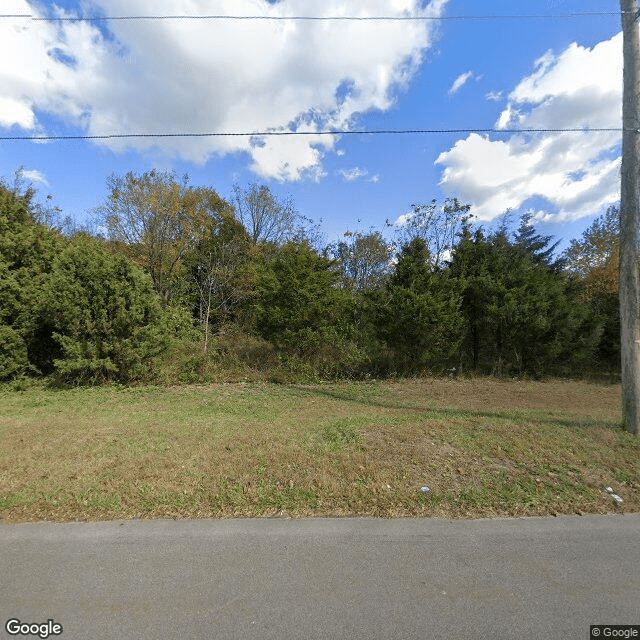
1328 S Black Horse Pike, Williamstown, NJ 08094
To contact a resident: (856) 875-0100
For more information about senior living options: (866) 208-4318
Overall Review of Meadow View Nursing Ctr
Cons
 The mother-in-law suffered a stroke and a UTI within a week, and the aides took about a half hour to answer call lights.
- After a week at the facility, the grandmother went from being able to talk, eat, and sit up to dehydration, eating only applesauce, developing bedsores, and needing to be taken back to the hospital, with irreversible damage.
- The reviewers warned not to bring a loved one to this facility.
Review
Meadow View Nursing Ctr in Williamstown is best avoided for anyone whose care hinges on steady medical oversight. The facility appears ill-suited for post-acute recovery, wound and infection management, or any resident who cannot self-advocate or tolerate delays. In the experiences reflected by families, the environment does not provide the reliable responsiveness required to support stroke recovery or hydration needs. When safety hinges on rapid assistance, this community routinely misses the mark. That combination, questionable medical monitoring paired with slow response times, renders Meadow View a last-resort option rather than a first choice. Families should view placement here as a stop-gap only, with a clear plan to transition to a higher-standard setting as soon as possible.
Who should consider alternatives? Any senior with recent stroke recovery, risk of dehydration, wounds, or infection requires a facility with strong RN oversight and proactive care teams. The feedback indicates not just occasional lapses but repeated patterns of dehydration, limited nourishment, bedsores, and hospital re-evaluation. If a loved one depends on timely assistance to manage lights, call bells, or medication, Meadow View’s reported half-hour responses undermine safety goals. For families with the ability to relocate, or with access to home health services that offer closer monitoring, other nearby facilities with demonstrated staffing stability, better wound care, and more robust post-acute protocols are a smarter preliminary target.
On the upside, the reviews do not point to specialized therapies, engaging activities, or consistent social engagement as notable strengths. Instead, the narrative focuses on structural and clinical failures that overshadow any intangible benefits. The painfully short narrative is that major medical events occurred after only a brief stay, dehydration, limited eating, bedsores, and the need for readmission. These outcomes do not occur in isolation; they reflect a pattern of delayed care and insufficient monitoring. In practical terms, the key pro here would have to be reliability and medical responsiveness; since those are absent, the supposed benefits never materialize to offset the risks.
Families evaluating care options should look for concrete indicators of safety culture: RN availability, wound-care leadership, and a care plan that explicitly addresses hydration, nutrition, and skin integrity. This case study suggests demanding a detailed day-to-day written protocol with measurable targets, such as scheduled meals and weight tracking, regular turning schedules to prevent bedsores, and an escalation ladder that ensures an RN or LPN response within minutes, not tens of minutes. Tours should probe bathroom assist, call-bell latency, and the facility’s track record with readmissions. If the current staff-to-resident ratio is unclear or seems insufficient, that is a warning flag.
Before committing, families should install guardrails: a risk assessment by an independent geriatric clinician, a guaranteed nurse-to-patient ratio, and a trial period with clear exit criteria. Request a current physician’s order sheet, daily hydration logs, a wound-care plan, and a nutrition program with calorie counts and appetite stimulation if needed. Ask for prospective residents’ relatives to speak with current families about actual day-to-day care. Verify state inspection results and any sanctions. If the answer to critical questions is evasive or inconsistent, move on rather than accepting silence as reassurance.
The verdict is clear: Meadow View Nursing Ctr does not meet the baseline safety and medical-support expectations required for post-stroke recovery, hydration management, or wound care. For families seeking dependable quality of life and reduced risk, the recommendation is to pursue alternative facilities with documented staffing stability, proactive medical oversight, and a proven track record of preventing readmissions. If options are overwhelming, consider in-home senior care or an all-inclusive continuing-care setting with integrated medical management. In every case, prioritize facilities that demonstrate transparent processes, measurable care plans, and immediate access to skilled nursing, while avoiding environments where delays and neglect are documented risks.
 Skilled Nursing Facility
 Philadelphia International (20 miles away)
 24-hour supervision with medication management and a mental wellness program.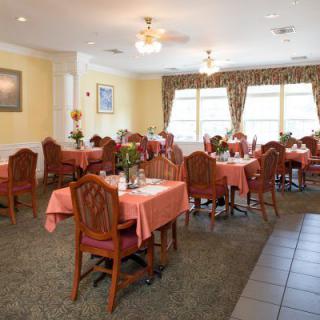


 A Closer Look at Private Pay Home Care
 Comprehensive Approaches for Arthritis: A Detailed Guide to Symptoms, Causes, and Care
 Comprehensive Insights and Practical Strategies to Help Older Adults Avoid Falls