
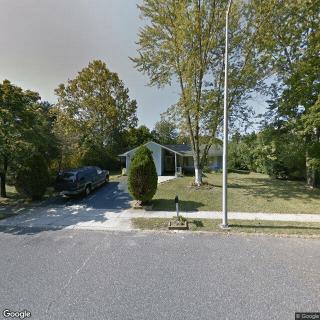
1025 Linden Ave, Williamstown, NJ 08094
To contact a resident: (856) 875-8363
For more information about senior living options: (866) 208-4318
Overall Review of Victory House
Pros
 They are very nice people.
- The staff are friendly.
- The staff do a good job providing the basics until a more permanent solution can be found.
Cons
 The inside is not shiny and new.
- The place isn't fun.
- The ranch is not fun.
Review
Victory House in Williamstown, New Jersey, is best suited for families facing an abrupt housing need for a child or teen who requires a temporary, protective space. It functions as a shelter with the express purpose of stabilization, not a long-term residence, and it prioritizes safety and basic oversight while a more permanent plan is worked out. The setting reflects a donation-driven operation whose interiors aren’t meant to dazzle, but where the core commitment is steady human contact and reliable care. For households navigating crisis, safety concerns, family disruption, or the need to buy time while options are explored, this option provides a dependable, if austere, refuge.
For officially elder care or senior living decision-making, this community should not be on the short list. Victory House is not designed to support aging in place, ongoing medical oversight, or long-range residential needs. Alternatives that align with senior housing goals include licensed assisted living, independent living, or memory-care communities that offer ongoing health support, structured programming, and a longer-term housing solution. If the objective centers on comfort, predictable routines, and a stable, adult-focused environment, those paths deliver far more suitability and clarity than this youth-oriented shelter.
The strongest positives here are staff warmth and a clear, safety-first approach. Reviewers repeatedly point to friendly, approachable staff who communicate and provide the basics in a crisis context. That relational stability matters deeply when a family’s situation is unsettled, and it can transform a potentially overwhelming moment into something more manageable. These humane qualities, consistent staff presence, genuine kindness, and a focus on supplying essential needs, do offset, to a degree, the most significant drawbacks: an austere facility, a lack of recreational appeal, and the understanding that stay is a temporary waypoint rather than a permanent home.
Yet the downsides are real and central to the decision. The interior is described as not shiny or new, a direct reflection of the donation-based model rather than a design-forward or comfort-driven goal. The atmosphere is not framed as a fun or engaging living space; phrases like “not a fun ranch” underscore a sober, utilitarian environment that prioritizes safety over enrichment. For families evaluating well-being, this matters because the daily experience for a resident, especially a young person, may feel cramped or emotionally muted compared with more welcoming residential options. In short, the pros lie in the people and the purpose; the cons lie in the environment and the temporary, transitional nature.
Programmatic clarity is a crucial, albeit imperfect, anchor. One account notes that a resident “graduated from the program” in 2000, signaling an intention to move youths toward a more permanent arrangement and away from shelter living. The implication is that Victory House operates with a transition mindset: stabilize, safeguard, and connect with longer-term housing or family-based solutions. However, the lack of current, explicit details about program depth, therapeutic supports, or post-stay placement pathways means families should probe carefully about exit timelines, case-management rigor, educational continuity, and post-shelter support. The upshot is that this is a viable stopgap only when a concrete plan exists for the next step.
The bottom-line recommendation is clear. Victory House serves a narrow, high-need niche: temporary shelter for children and teens during a crisis, supported by compassionate staff but constrained by an austere environment and a non-long-term purpose. For families seeking senior living options or a durable residential solution with enhanced amenities and ongoing health support, this is not the right destination. If the decision centers on youth safety and a transition-to-permanence strategy, insist on transparent exit plans, defined case-management actions, and assurances about educational and social supports during the stay. In this context, Victory House can be a practical, humane bridge, provided there is a solid, pre-arranged path to a stable, suitable long-term arrangement.
 Board and Care Home
 Philadelphia International (22 miles away)



 Fecal Incontinence in Older Adults: A Comprehensive Guide
 Recognizing the Journey: Understanding and Navigating Anticipatory Grief
 Encouraging Participation in Adult Day Care: A Guide to Supporting a Hesitant Parent