
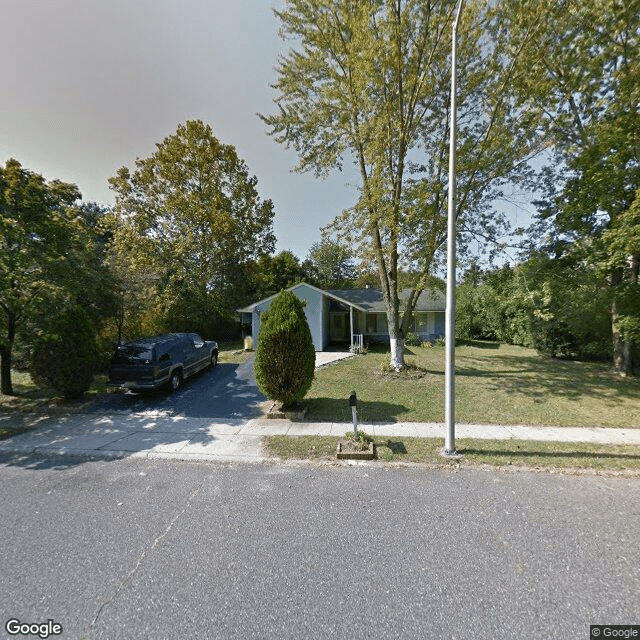
3 Pershing Lane, Sicklerville, NJ 08081
To contact a resident: (856) 318-1730
For more information about senior living options: (866) 208-4318
Primrose Personal Care Home Costs & Pricing
Primrose Personal Care Home offers competitive pricing for its residents compared to the broader market in Gloucester County and across New Jersey. With monthly costs of $1,000 for a semi-private room and $1,550 for a private room, Primrose stands out as an affordable option, especially when juxtaposed with the county's average rates of $3,672 for semi-private accommodations and $4,380 for private rooms. Additionally, these figures are significantly lower than the state averages of $5,068 and $5,799 respectively. This positioning not only highlights Primrose as an excellent value choice but also emphasizes their commitment to providing quality care at accessible prices in a region where senior living expenses can be notably high.
| Floor plans | Primrose Personal Care Home | Gloucester County | New Jersey |
|---|---|---|---|
| Semi-Private | $1,000 | $3,672 | $5,068 |
| Private | $1,550 | $4,380 | $5,799 |
Senior living communities with a similar price nearby
-
from -$60 / mo
Philadelphia Protestant Home
$940 to $1,266 / month24.7 miles away -
from +$50 / mo
Bridgetowne Arms Apartments
$1,050 to $1,195 / month24.7 miles away -
from -$100 / mo
Brith Sholom House
$900 / month24.4 miles away -
from -$100 / mo
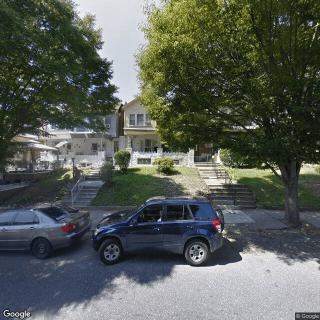
Elohim Personal Care Home
$900 / month24.9 miles away -
from -$100 / mo
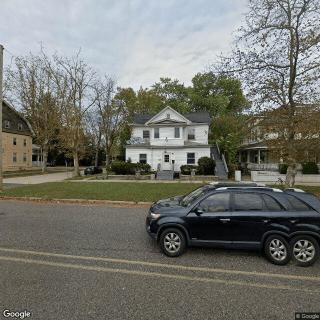
Harbor Hall
$900 to $1,500 / month20.5 miles away
Overall Review of Primrose Personal Care Home
Pros
 Primrose Personal Care Home provides really good overall quality care.
- They offer around-the-clock super care.
- It is a very nice place for dad.
- It has been a great experience, and they would highly recommend Primrose Personal Care Home.
- The patient's dad loves it there.
- They welcome the family and keep them involved.
Cons
 They did not like the person they spoke to.
- They did not like the living situation.
- They had to place the person in adult day care during the day.
- They found the arrangement more regimented than it should be.
- There were no MCR provisions, and when funds ran out they were turned away.
Review
Primrose Personal Care Home in Sicklerville is best suited for families seeking a small, home-like setting where around-the-clock supervision and highly personal attention are the norm. The community tends to appeal to families who value a warm, intimate atmosphere over a large institutional feel, with a veteran-friendly ethos and strong opportunities for family involvement. It works well for residents who prefer daily structure delivered with ongoing access to caregivers and for whom visits, shared meals, and participation in daily routines are essential to quality of life. In short, this is a practical fit for someone who wants consistent hands-on care without the bustle of a big facility.
There are clear reasons to consider alternatives, too. Financing is a key determinant: the model here is private pay, and reviewers flag the challenge of navigating funding if private resources dwindle, with concerns about continuing care when money runs out. Families needing Medicaid coverage or more formal, ongoing medical funding may find this model limiting. Others should be mindful of a potential mismatch for those demanding a larger, more clinical operation with expansive medical oversight or a highly regimented institutional routine. A couple of reviewers also noted living arrangements and daytime management felt too regimented, suggesting this may not be ideal for those seeking a tightly controlled schedule or more integrated daytime programming.
The positive attributes most consistently cited collide well with the potential drawbacks. The promise of around-the-clock supervision translates into reliable staffing presence and observation, which amid smaller settings often yields quicker response times and stronger connections with residents. The home-like footprint, distinct from a sprawling campus, helps residents feel seen and comfortable, not overwhelmed by a clinical atmosphere. A veteran-friendly environment, plus ownership that actively supports family engagement, translates into practical benefits: a daycare option funded by the VA is highlighted as a meaningful cost saver for eligible families, and weekly meal plans ease daily caregiving burdens. These strengths can substantially offset concerns about size or formality when the priority is sincere, continuous care and accessible family involvement.
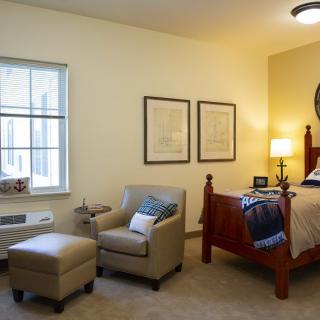
For families weighing a decision, the practical path is to seek clarity on routines, staffing, and what “around the clock” coverage actually means in daily life. A thorough tour accompanied by conversations with front-line caregivers is essential to assess consistency between impression and reality. Prospective buyers should ask how daytime activities are structured and whether the VA-assisted daycare remains a stable option, along with how personalized preferences, dietary needs, cultural or religious practices, and hobbies, are accommodated. It is also prudent to confirm room configurations, safety protocols, and how mobility support is delivered. The objective is to ensure the environment remains a strength, an approachable, inviting setting with genuine family involvement, without creating friction between expectations and experiences.
Primrose shines most clearly for veterans or others who can leverage private funds or VA assistance while cherishing a tight-knit, participatory atmosphere. It represents a niche that rewards intimate attention, continuity of care, and easy family access over expansive services. Those who require Medicaid coverage, broader clinical oversight, or a formalized, industry-grade activity program may find alternatives more aligned with evolving medical needs and strict funding realities. In practical terms, this community deserves serious consideration for families prioritizing warmth, consistency, and direct family roles in daily care, paired with a clear plan for funding as needs change.
The bottom line is pragmatic: Primrose Personal Care Home delivers trusted, attentive care within a comforting, home-like framework, reinforced by a veteran-friendly, family-inclusive culture. Its strongest asset, the dependable, around-the-clock attention in a small setting, directly serves families seeking hands-on involvement and a non-institutional feel. The chief cautions revolve around financial viability and potential rigidity in scheduling or structure, not clinical capability. For families able to navigate private pay or VA funding and who prioritize a personal touch and straightforward access to caregivers, this community merits a serious tour and candid discussions about long-term funding, care plans, and how continuity will be maintained as needs evolve.
 Board and Care Home
 Activities off-site
 Bath tubs
 Devotional services off-site
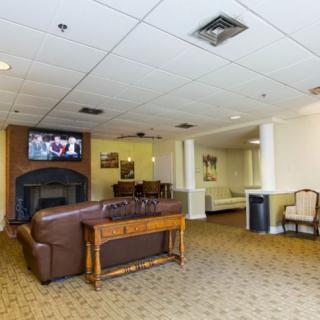
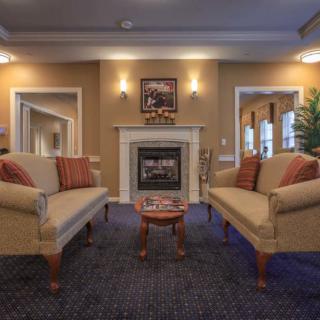
 Indoor common areas
 Outdoor common areas
 Private
 Respite or short term stays offered
 Philadelphia International (19 miles away)
 Ambulatory care
 High acuity care
 Incontinence care
 Medication management
 Meals provided

 Comprehensive Guide to Blood Pressure Charts for Older Adults: Understanding Normal and High Readings by Age
 Financing Long-Term Nursing Home Care Through Social Security: A Thorough Exploration
 Essential Knowledge on Pneumonia in Older Adults