Westfield Center presents a unique pricing structure for its room types compared to both Union County and the broader state of New Jersey. For semi-private accommodations, residents at Westfield Center can expect to pay $9,360 per month, significantly surpassing the county's average of $6,083 and the state's average of $5,068. Similarly, for private rooms, the cost at Westfield Center is $9,840, which again exceeds Union County's rate of $7,358 and New Jersey's average of $5,799. This indicates that while Westfield Center may offer premium services or amenities that justify these higher costs, potential residents should consider their budget in relation to local and state averages when making decisions about long-term care options.
Floor plans
Westfield Center
Union County
New Jersey
Semi-Private
$9,360
$6,083
$5,068
Private
$9,840
$7,358
$5,799
Skilled Nursing Facilities with a similar price nearby
About the same
Lincoln Park Renaissance Rehab & Nursing
4.6 from 135 reviews
$9,300 to $10,075 / month
20.0 miles away
from -$1860 / mo
Majestic Nursing and Rehabilitation Center at Red Bank
Rehab therapy is described as helping residents get back to walking and daily abilities.
A recurring theme is that therapy teams helped residents regain mobility after hospital stays or setbacks. Multiple reviewers describe being unable to stand or walk at arrival, then improving enough to walk again, climb stairs, or return toward their prior routines. Residents also call out both physical and occupational therapy as part of what drove their progress.
common26 reviews mention this
Staff attentiveness and caring tone
Staff friendliness and responsiveness are consistently mentioned by families and residents.
Across many reviews, residents and families describe nurses, CNAs, and other department staff as attentive, caring, and helpful. Reviewers mention staff members being available to answer questions, support residents during rehab, and treat people with respect. There are also a few sharply negative reviews, including complaints about neglect, attitudes, and long waits, so experiences are not uniformly positive.
common9 reviews mention this
Cleanliness shows up repeatedly
Many reviewers say the facility is clean, well maintained, and fresh.
Several reviews specifically highlight cleanliness and a maintained, tidy environment. Some reviewers also add sensory details like not noticing unpleasant odors and describe rooms or common areas as clean and neat. A small number of reviews raise concerns about dirt or overall conditions, which conflicts with the cleanliness praise.
caveat2 reviews mention this
Pricing runs high for private units
Cost is a concern, with some reviewers describing steep out-of-pocket pricing.
Pricing is a potential sticking point. The listing’s cost ranges sit well above both county and state comparisons for the private and semi-private options, and one reviewer directly mentions private-pay costs before discussing eligibility limits. This doesn’t appear in every review, but the issue is important enough to come up more than once.
common2 reviews mention this
Location near everyday essentials
The area offers nearby pharmacies, parks, clinics, and transit options.
Family access can be supported by nearby everyday destinations. Walgreens locations and CVS Pharmacy are listed within a few miles, along with parks such as Ponderosa Farm Park and Mindowaskin Park. Public transit nearby includes NJT stations at several listed distances, and there are medical and restaurant options as well.
How we summarize
Counts show how many written reviews mention each theme; a review can touch several themes, and only frequently mentioned themes are displayed.
Features
Types of Care
Skilled Nursing Facility
Pets
Cats allowed
Dogs allowed
Amenities
Private
Transportation
Newark International (10 miles away)
Nearby Places of Interest
Pharmacies
Walgreens (1.2 miles)
Walgreens (2.2 miles)
CVS Pharmacy (2.2 miles)
CVS Speciality (3.1 miles)
Walgreens (3.6 miles)
Walgreens (3.7 miles)
CVS Pharmacy (3.8 miles)
Parks
Ponderosa Farm Park (1.9 miles)
Mindowaskin Park (2.2 miles)
Winfield Park (2.2 miles)
Milton Lake Park (2.9 miles)
Forest Road Park (3.4 miles)
Merrill Park (3.6 miles)
Columbia Park (7 miles)
Physicians
Premier Urology Group (2.9 miles)
Kartan Saritha Summit Medical Group Westfield (3.7 miles)
Kenilworth Primary Care (3.9 miles)
Merck (4.5 miles)
University Radiology Group (6.3 miles)
Summit Medical Group (6.8 miles)
Raritan Bay Cardiology (6.9 miles)
Transportation
NJT - Rahway Station (3.2 miles)
New Jersey Transit - Metropark Station (4.1 miles)
NJT - Metuchen Station (6.1 miles)
NJT - Summit Station (6.4 miles)
NJT - Short Hills Station (6.8 miles)
NJT - Millburn Station (7 miles)
NJT - Maplewood Station (7.8 miles)
Restaurants
Bond Street Cafe (3.6 miles)
Stage House Tavern (3.9 miles)
Scotchwood Diner (4.2 miles)
Wendy's (4.3 miles)
Big Shots Sports Bar & Grill (4.7 miles)
Hibachi Grill & Supreme Buffet (4.7 miles)
Jose Tejas (4.8 miles)
Cafes
Starbucks (4.5 miles)
Starbucks (5.2 miles)
Wegmans Food Markets (5.7 miles)
The Bread Stand (7.5 miles)
Panera Bread (7.6 miles)
Starbucks (7.9 miles)
True Salvage Cafe (8.1 miles)
Theaters
AMC DINE-IN Menlo Park 12 (5.6 miles)
Places of Worship
Church of the Little Flower (6.7 miles)
Our Lady of Fatima Roman Catholic Church (7.5 miles)
Morrow Memorial United Methodist Church (7.6 miles)
Hospitals
Hackensack Meridian Health Raritan Bay Medical Center (7.9 miles)
Westfield Center presents a unique pricing structure for its room types compared to both Union County and the broader state of New Jersey. For semi-private accommodations, residents at Westfield Center can expect to pay $9,360 per month, significantly surpassing the county's average of $6,083 and the state's average of $5,068. Similarly, for private rooms, the cost at Westfield Center is $9,840, which again exceeds Union County's rate of $7,358 and New Jersey's average of $5,799. This indicates that while Westfield Center may offer premium services or amenities that justify these higher costs, potential residents should consider their budget in relation to local and state averages when making decisions about long-term care options.
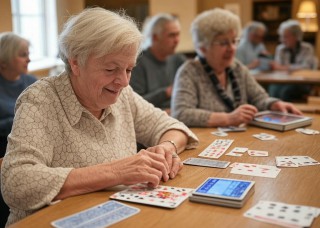
The article outlines strategies for keeping seniors' minds active through brain games and apps, highlighting the importance of cognitive exercises, social engagement, and a healthy lifestyle in combating cognitive decline. It emphasizes the benefits of various types of games and offers practical tips for maintaining mental wellness through enjoyable activities while acknowledging their limitations.
The VA Aid and Attendance program offers financial assistance to veterans needing help with daily activities due to health issues, available through a pension for low-income wartime veterans or an allowance for 100% disabled individuals. Eligibility depends on medical documentation of care needs and navigating guidelines about income and service history, with funds being usable for various healthcare-related expenses.
Get PricingAsk A QuestionSchedule A TourContact Senior Advisor
By clicking submit, you agree to our Partner's Terms of Use. You
also consent to receive calls and texts, which may be autodialed, from our Partner. Your consent is not a condition to
using our Partner's service. Please visit our Partner's Privacy Policy for information about their privacy practices.

 Skilled Nursing Facility
 Cats allowed
 Dogs allowed
 Private
 Newark International (10 miles away)
 Caring staff in a well-kept facility with engaging activities.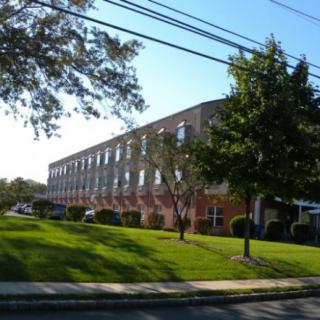

 Effective Strategies for Keeping Seniors' Minds Active: A Deep Dive into Brain Games and Apps
 In-Depth Look at the VA Aid and Attendance Program
 Nurturing Our Loved Ones: A Daughter's Journey in Caring for Her Mother