Arbor Terrace Mountainside offers competitive pricing for its accommodations in comparison to both Union County and the broader New Jersey market. For a semi-private room, residents can expect to pay $5,800 per month, which is slightly below the county average of $6,083 and more aligned with the statewide average of $5,068. Studio apartments are priced at $7,360 - higher than both Union County's average of $5,680 and New Jersey's average of $5,286. The one-bedroom option stands at $9,075, significantly above the county rate of $7,862 and the state's average of $5,994. Lastly, two-bedroom units command a monthly fee of $10,545, again exceeding both local ($7,481) and state averages ($6,216). This pricing structure indicates that while Arbor Terrace Mountainside may be on the higher end for certain room types compared to its immediate area and state benchmarks, it also reflects a commitment to quality living arrangements that cater to a range of resident needs.
Floor plans
Arbor Terrace Mountainside
Union County
New Jersey
Semi-Private
$5,800
$6,083
$5,068
Studio
$7,360
$5,680
$5,286
1 Bedroom
$9,075
$7,862
$5,994
2 Bedrooms
$10,545
$7,481
$6,216
Memory care communities with a similar price nearby
Residents and families describe multiple memory-care levels, including Bridges and Evergreen, with support for transitions.
Several reviewers point out that Arbor Terrace runs different neighborhoods for memory needs, including Bridges for milder dementia and Evergreen for more advanced dementia. Families mention that this structure can make it easier to move residents as symptoms change. One reviewer also cautions that the assisted-living-to-memory-care move process didn’t feel consultative for their family.
caveat3 reviews mention this
Food satisfaction varies
Dining reviews are mixed, with some families saying meals fall below expectations.
Some reviewers say the food is mediocre or unpleasant, and a few add that meals were served cold or not prepared the way they expected for residents’ needs. Others describe enjoying meals as part of day-to-day life, but the negative comments still show up often enough to be a concern. If dining quality matters most for your family, these reviews suggest you should ask detailed questions during the process.
caveat3 reviews mention this
Pricing feels high
Multiple reviewers call the community expensive compared with what they expected for care and day-to-day value.
Several reviews directly note that the monthly cost is high, with one describing it as expensive housing for seniors. One reviewer also flags that the facility can be too expensive for a “one-size-fits-all” fit, even while acknowledging the property’s overall quality. The listing pricing shown here ranges by unit type, with some categories priced below the county benchmark but above the state benchmark.
How we summarize
Counts show how many written reviews mention each theme; a review can touch several themes, and only frequently mentioned themes are displayed.
Features
Housing
79 resident community capacity
Types of Care
Assisted Living
Memory Care
Amenities
Activities on-site
Air-conditioning
Beautician on-site
Beauty salon
Cable or satellite TV
Computer center
Devotional services off-site
Dining room
Fitness room
Fully furnished
Gaming room
Garden
Ground floor units
Handicap accessible
Housekeeping services
Indoor common areas
Kitchenette
Move-in coordination
Outdoor common areas
Outdoor space
Private bathrooms
Respite or short term stays offered
Restaurant-style dining
Small library
Telephone
Wellness center
Wheelchair accessible showers
Wi-Fi/high-speed internet available
Transportation
Newark International (9 miles away)
Community operated transportation
Transportation arrangement
Transportation arrangement (non-medical)
Care Services
12-16 hour nursing
24-hour call system
24-hour supervision
Activities of daily living assistance
Ambulatory care
Assistance with bathing
Assistance with dressing
Assistance with transfers
Coordination with health care providers
Dementia waiver
Diabetes diet
Diabetic care
Hospice waiver
Incontinence care
Meal preparation and service
Medication management
Mental wellness program
Mild cognitive impairment
Special dietary restrictions
Specialized memory care programming
Transportation arrangement (medical)
Transportation to doctors appointments
Dining
Anytime dining
Diabetes diet
Gluten-free
Guest meals
Low / no sodium
Meals provided
No Sugar
Organic
Professional chef
Restaurant style dining
Special dietary restrictions
Special dining programs
Vegan
Vegetarian
Activities
Art classes
Community-sponsored activities
Concierge services
Cooking classes
Day trips and outings
Devotional activities offsite
Educational speakers / life long learning
Fitness programs
Happy hour
Karaoke
Live dance or theater performances
Live musical performances
Live well programs
Planned day trips
Resident-run activities
Scheduled daily activities
Wine tasting
Yoga / chair yoga
Videos
Nearby Places of Interest
Located in Mountainside, New Jersey, this area offers a variety of amenities that cater to senior living. With several physicians' offices and healthcare facilities nearby such as Summit Medical Group and Premier Urology Group, residents have convenient access to medical care. Additionally, there are multiple pharmacies in the vicinity including Walgreens and CVS Pharmacy. For dining options, there are local cafes like The Bread Stand and restaurants like Huck Finn Diner and Millburn Delicatessen. Outdoor enthusiasts can enjoy parks such as Mindowaskin Park and Memorial Park for leisurely walks or picnics. Transportation is easily accessible with NJT stations like Summit Station and Short Hills Station nearby, providing easy access to neighboring areas. Overall, this part of Mountainside offers a mix of healthcare services, dining options, recreational facilities, and transportation convenience for seniors looking to settle in a vibrant community.
Physicians
Kartan Saritha Summit Medical Group Westfield (0.1 miles)
Kenilworth Primary Care (2.2 miles)
Premier Urology Group (2.8 miles)
Merck (3 miles)
Summit Medical Group (3.2 miles)
New Jersey Spine Center (4.7 miles)
Summit Medical Group (6.5 miles)
Cafes
Starbucks (1.5 miles)
Starbucks (4.6 miles)
The Bread Stand (4.8 miles)
True Salvage Cafe (5.4 miles)
Starbucks (6.9 miles)
Dunkin (7.8 miles)
Parks
Mindowaskin Park (1.8 miles)
Forest Road Park (3.7 miles)
Winfield Park (3.9 miles)
Ponderosa Farm Park (4.2 miles)
Memorial Park (4.7 miles)
Milo S. Borden Park (5.6 miles)
Milton Lake Park (5.6 miles)
Pharmacies
Walgreens (2.1 miles)
CVS Pharmacy (2.5 miles)
Walgreens (2.6 miles)
ACME Markets Pharmacy (2.7 miles)
CVS Pharmacy (2.8 miles)
CVS Pharmacy (3 miles)
CVS Pharmacy (3.1 miles)
Restaurants
Huck Finn Diner (2.8 miles)
Bagels 4 U of Short Hills (2.8 miles)
El Gordo (3.1 miles)
Millburn Delicatessen (3.4 miles)
Magic Fountain (3.8 miles)
Stage House Tavern (4 miles)
Scotchwood Diner (4 miles)
Transportation
NJT - Summit Station (2.9 miles)
NJT - Short Hills Station (3.2 miles)
NJT - Millburn Station (3.5 miles)
NJT - Maplewood Station (4.6 miles)
NJT - Rahway Station (5.8 miles)
Newark Liberty International Airport Station (7.6 miles)
Avis Rent A Car (7.6 miles)
Places of Worship
Morrow Memorial United Methodist Church (4.4 miles)
Arbor Terrace Mountainside offers competitive pricing for its accommodations in comparison to both Union County and the broader New Jersey market. For a semi-private room, residents can expect to pay $5,800 per month, which is slightly below the county average of $6,083 and more aligned with the statewide average of $5,068. Studio apartments are priced at $7,360 - higher than both Union County's average of $5,680 and New Jersey's average of $5,286. The one-bedroom option stands at $9,075, significantly above the county rate of $7,862 and the state's average of $5,994. Lastly, two-bedroom units command a monthly fee of $10,545, again exceeding both local ($7,481) and state averages ($6,216). This pricing structure indicates that while Arbor Terrace Mountainside may be on the higher end for certain room types compared to its immediate area and state benchmarks, it also reflects a commitment to quality living arrangements that cater to a range of resident needs.
Arbor Terrace Mountainside's comprehensive array of features is designed to cater effectively to the unique needs of residents with dementia or Alzheimer's disease, enhancing their quality of life and promoting a sense of security. The provision of 24-hour supervision ensures that residents are continuously monitored, allowing for immediate assistance in case of emergencies or confusion. Personalized support with activities of daily living, such as bathing, dressing, and transfers, helps maintain dignity while fostering independence. Coordination with health care providers streamlines medical care, while medication management ensures adherence to prescribed regimens. The meal preparation and service focus on nutritious options tailored to individual dietary needs. Incontinence care offers comfort and minimizes distress associated with this common issue in dementia patients. Specialized memory care programming and mental wellness initiatives engage residents cognitively and emotionally, promoting social interaction and stimulation. Transportation arrangements for medical appointments further facilitate access to necessary healthcare services, ultimately contributing to a holistic approach in managing memory-related challenges.
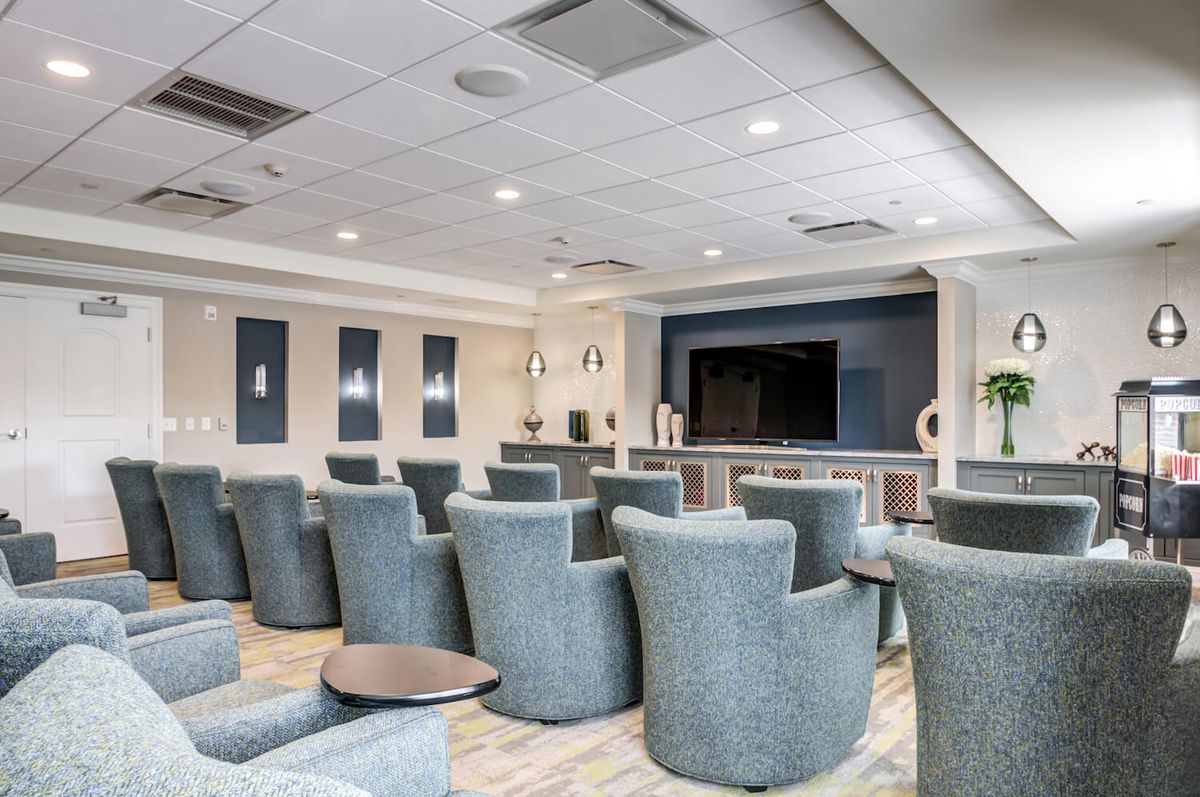
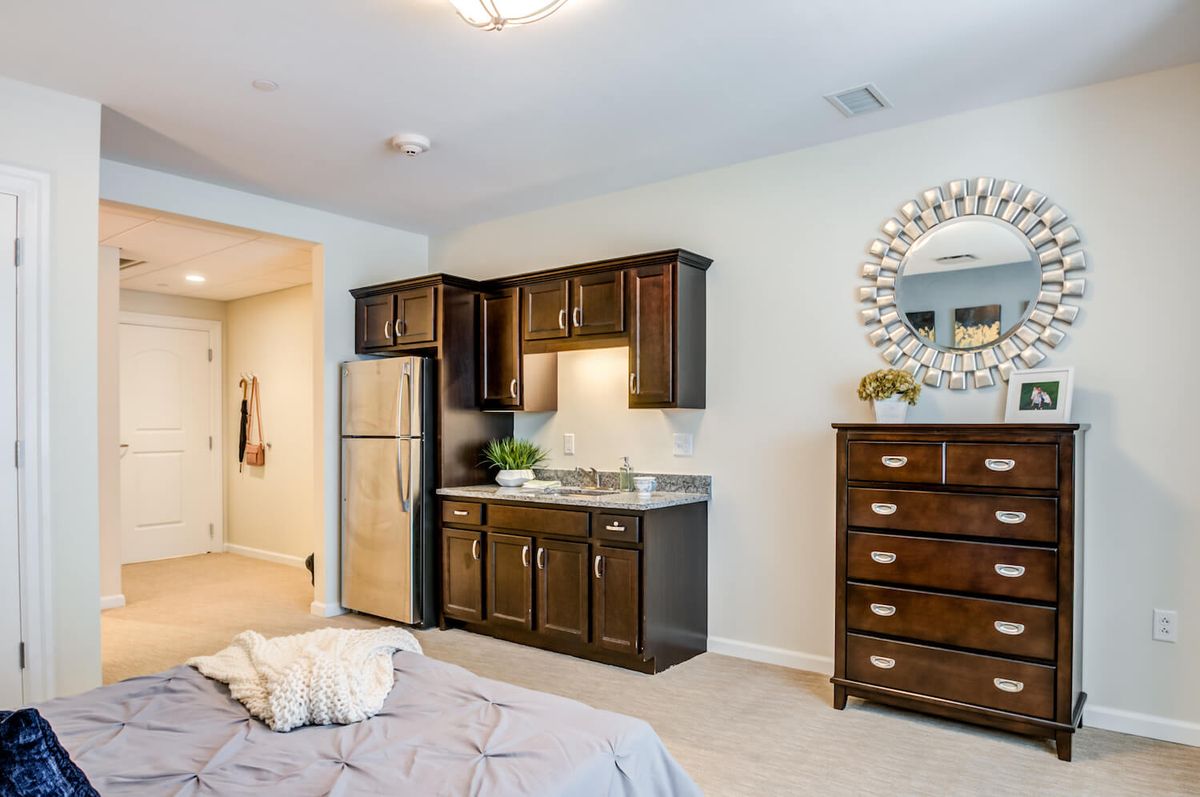
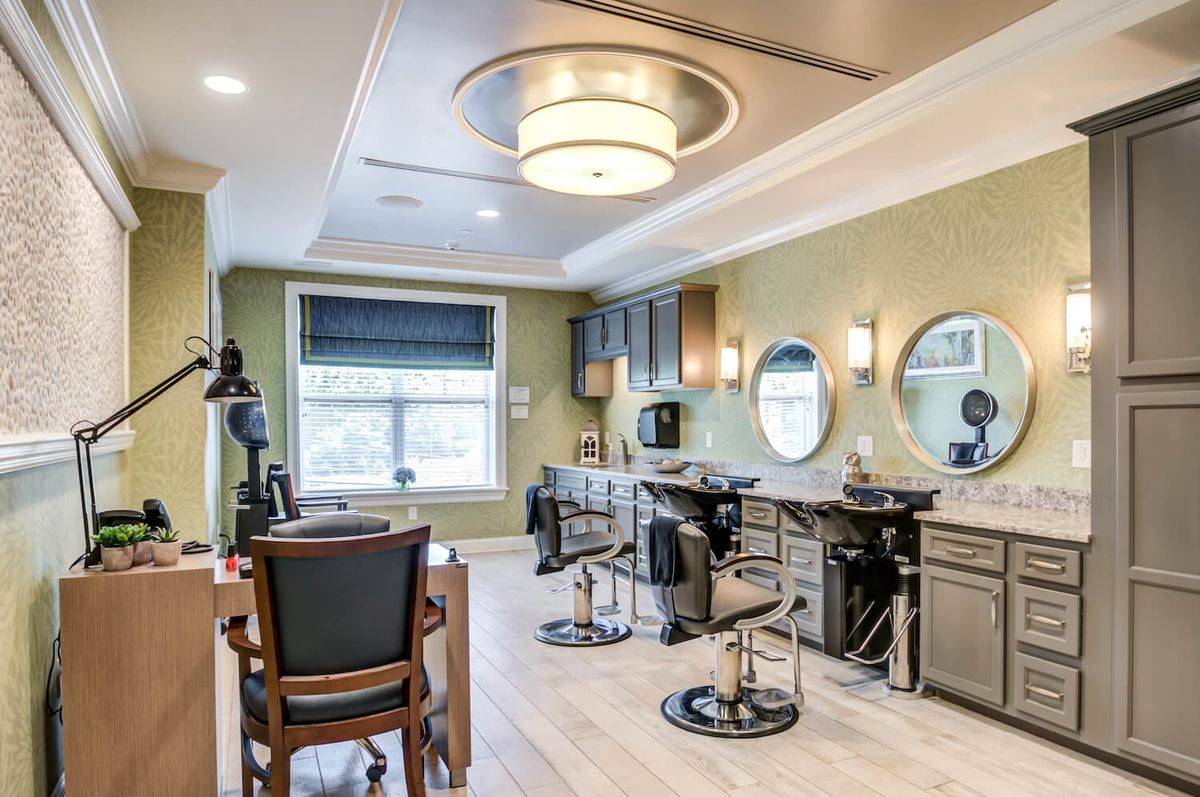
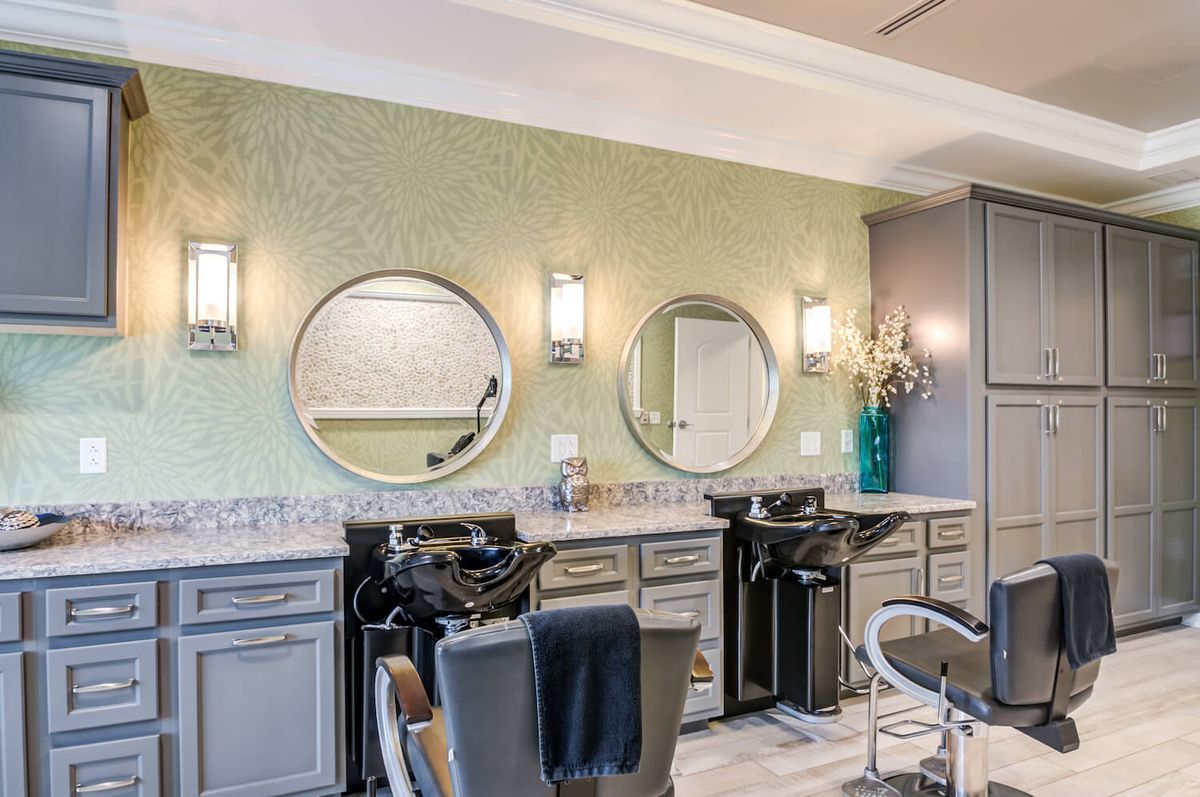
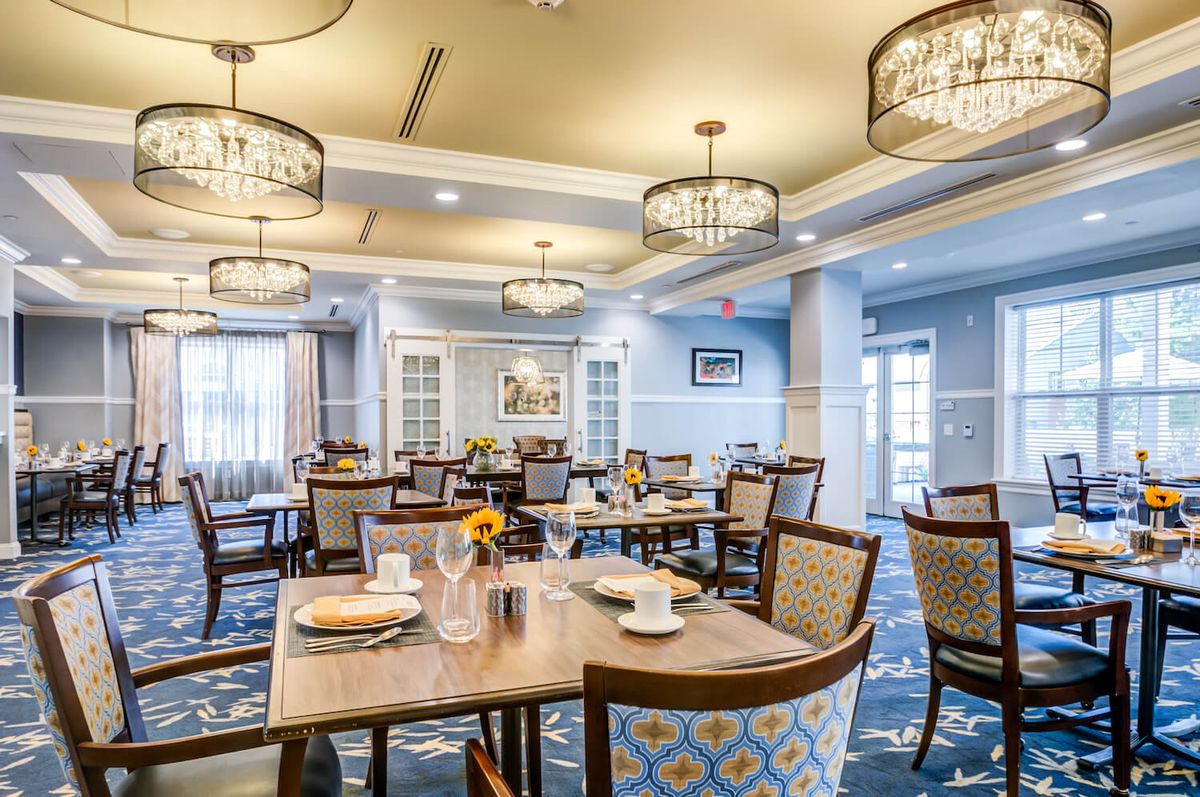
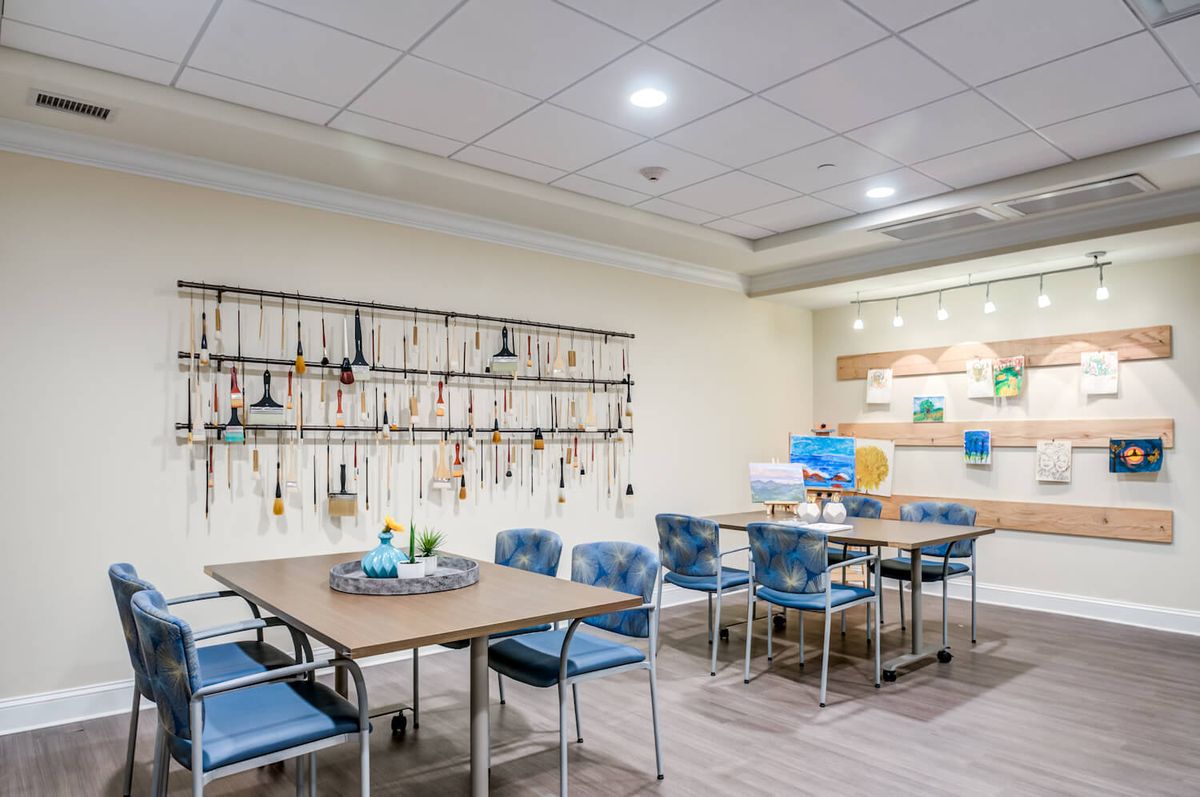
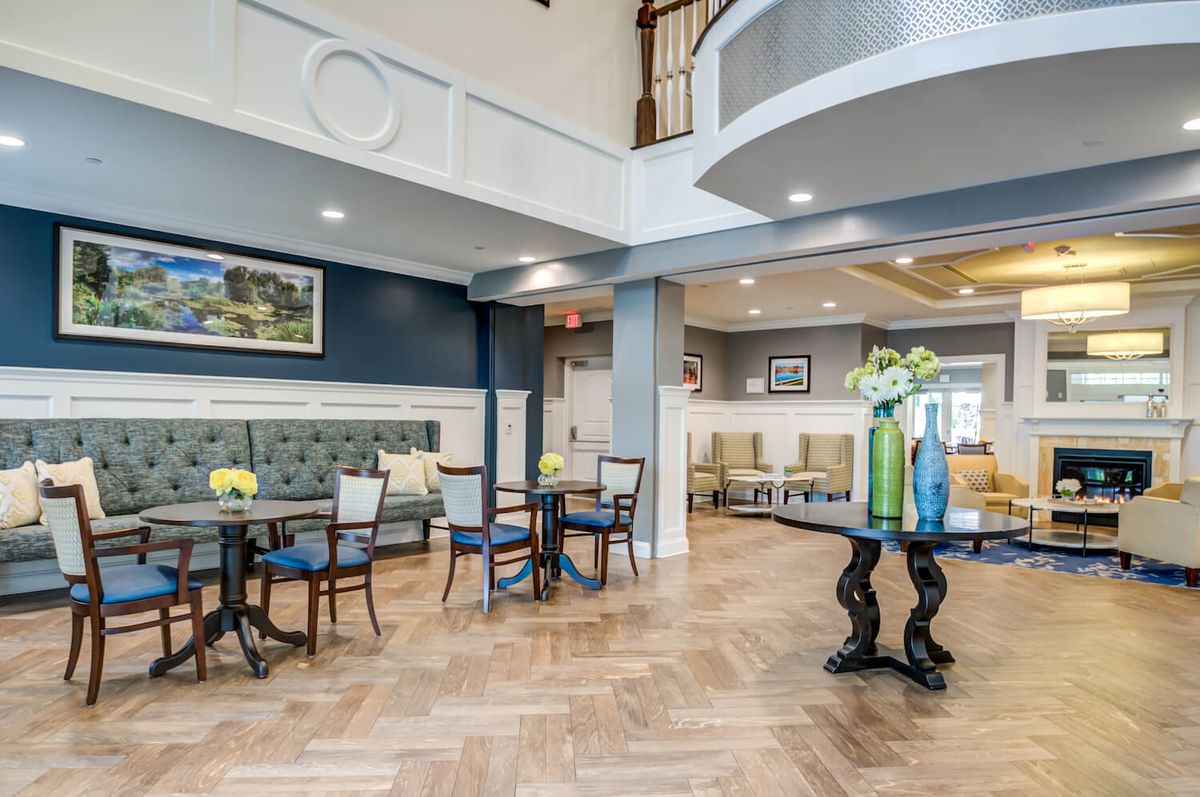
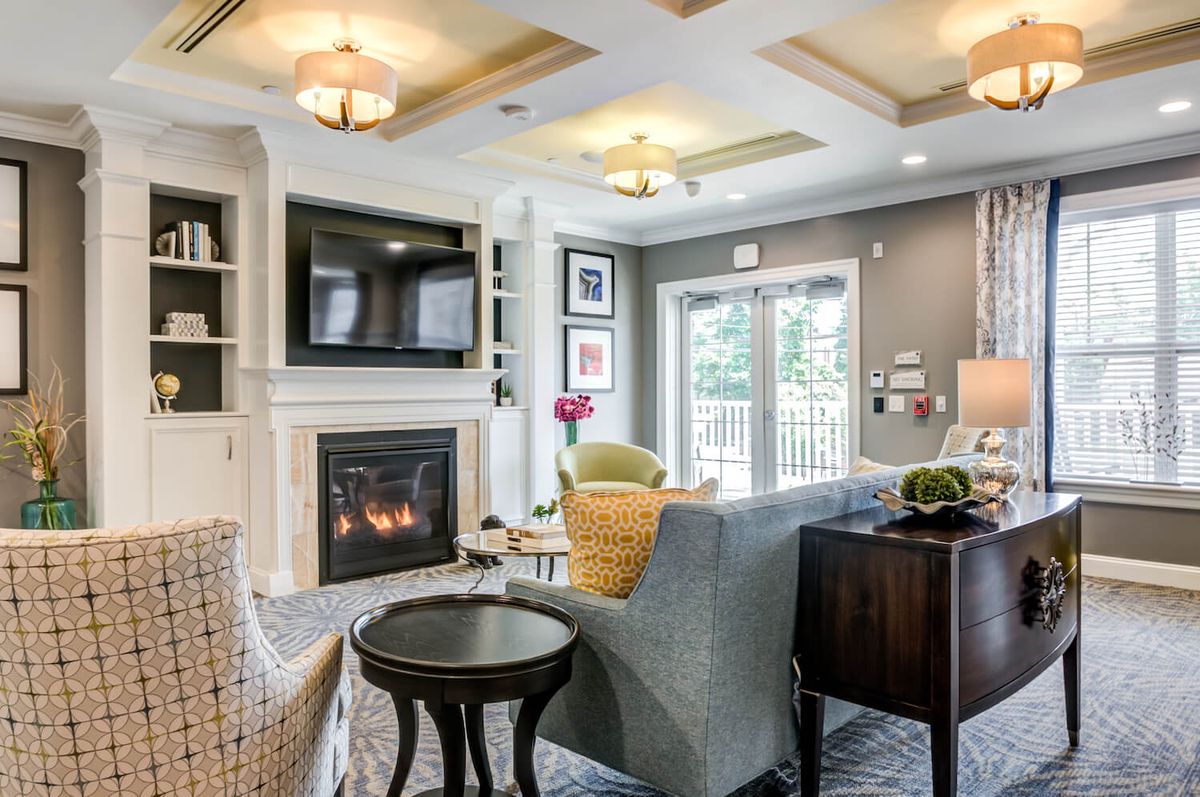
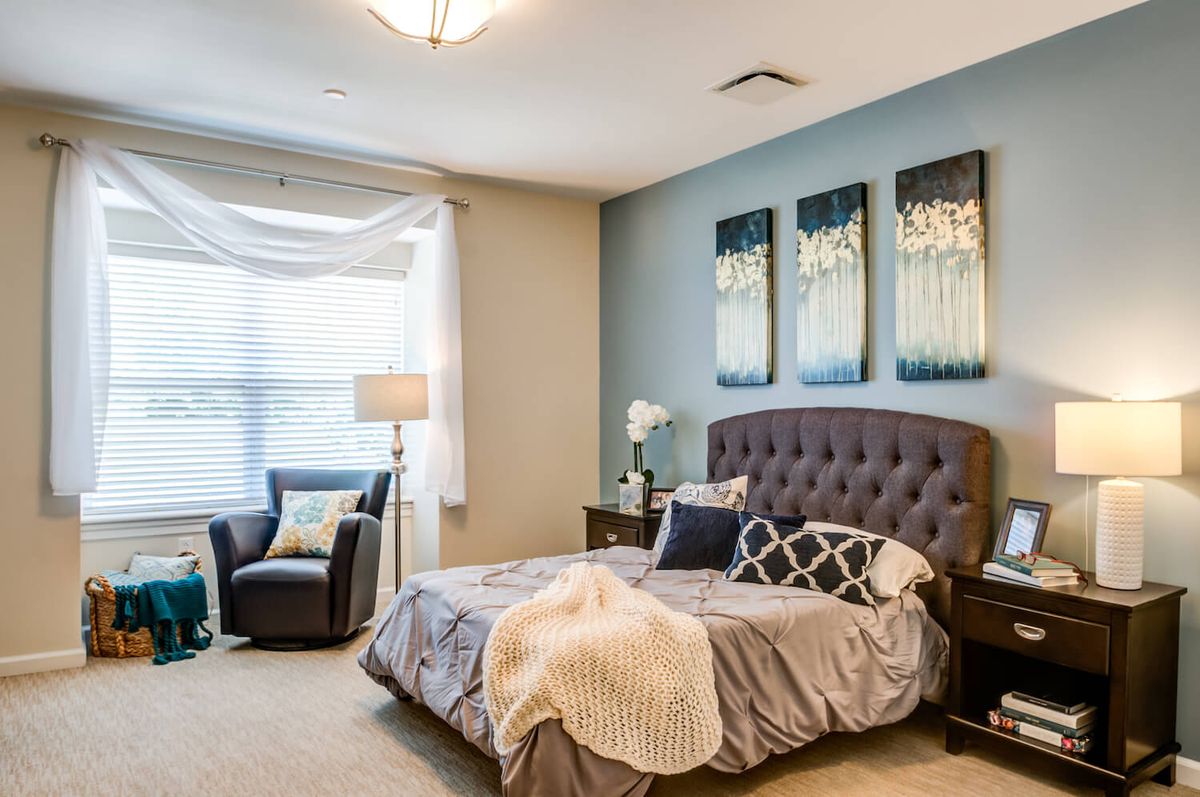
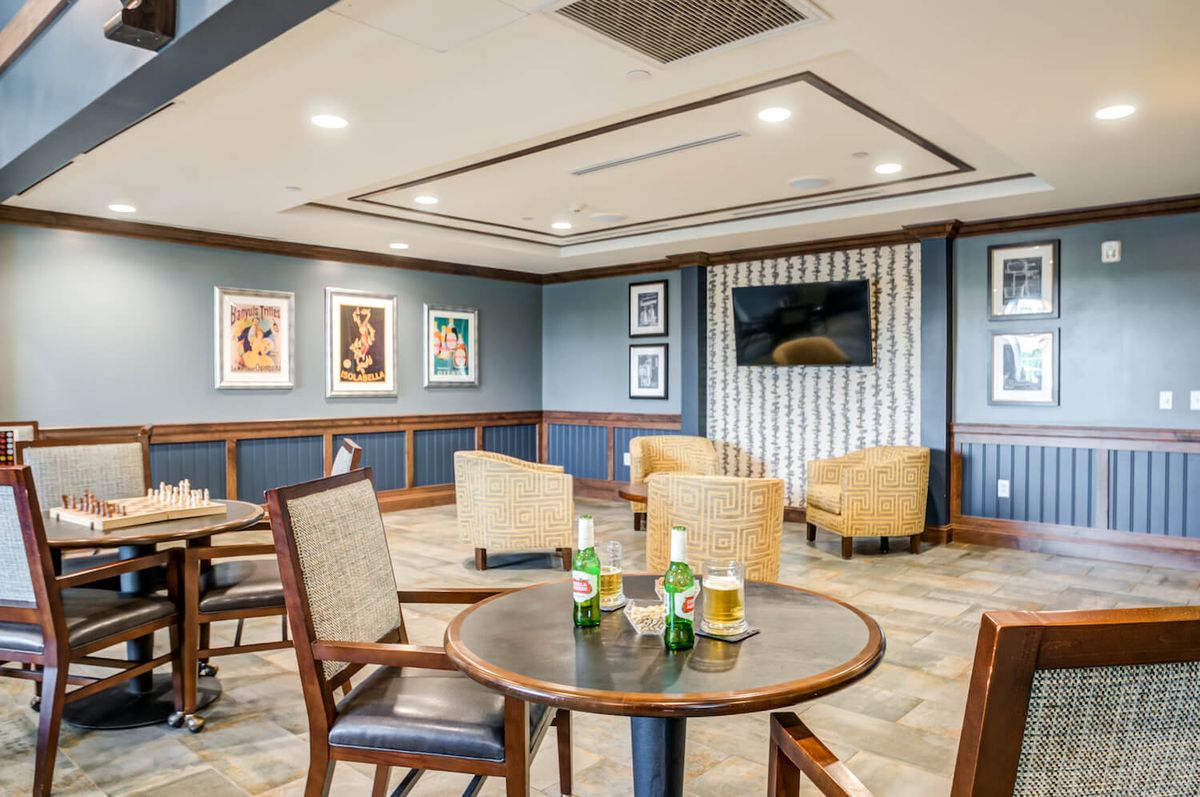
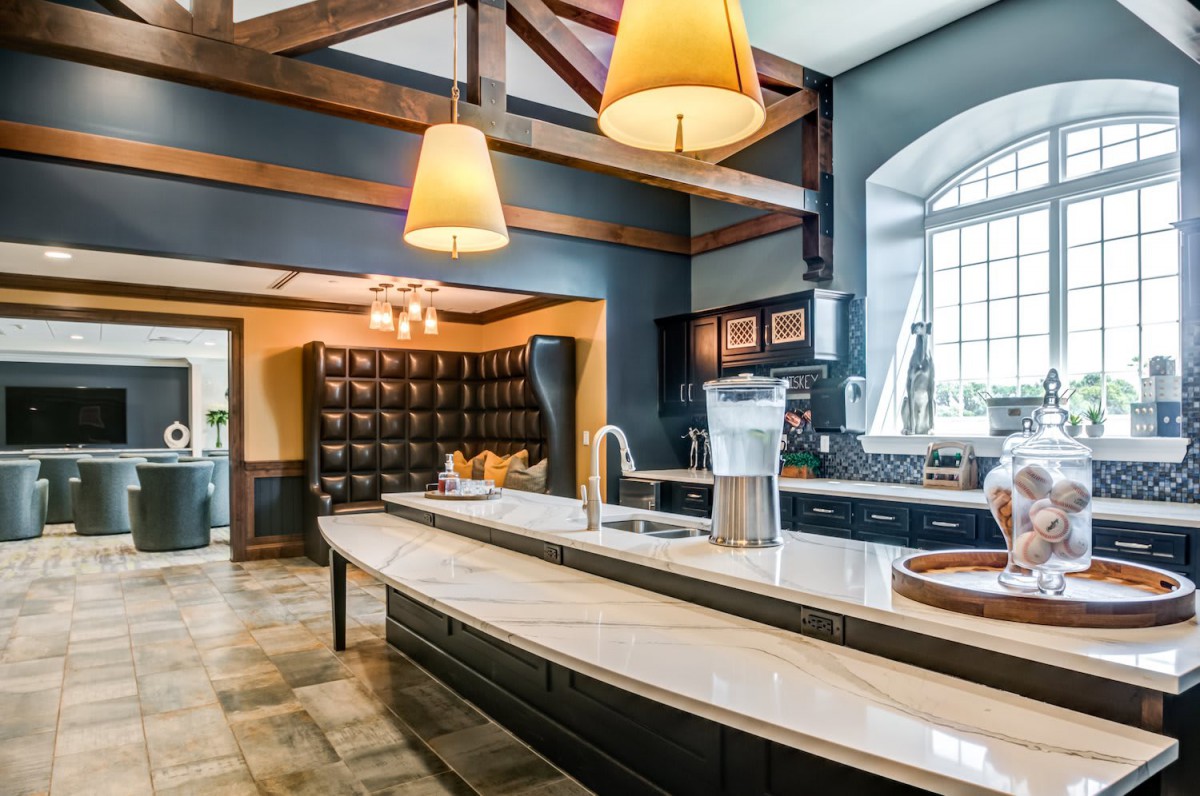
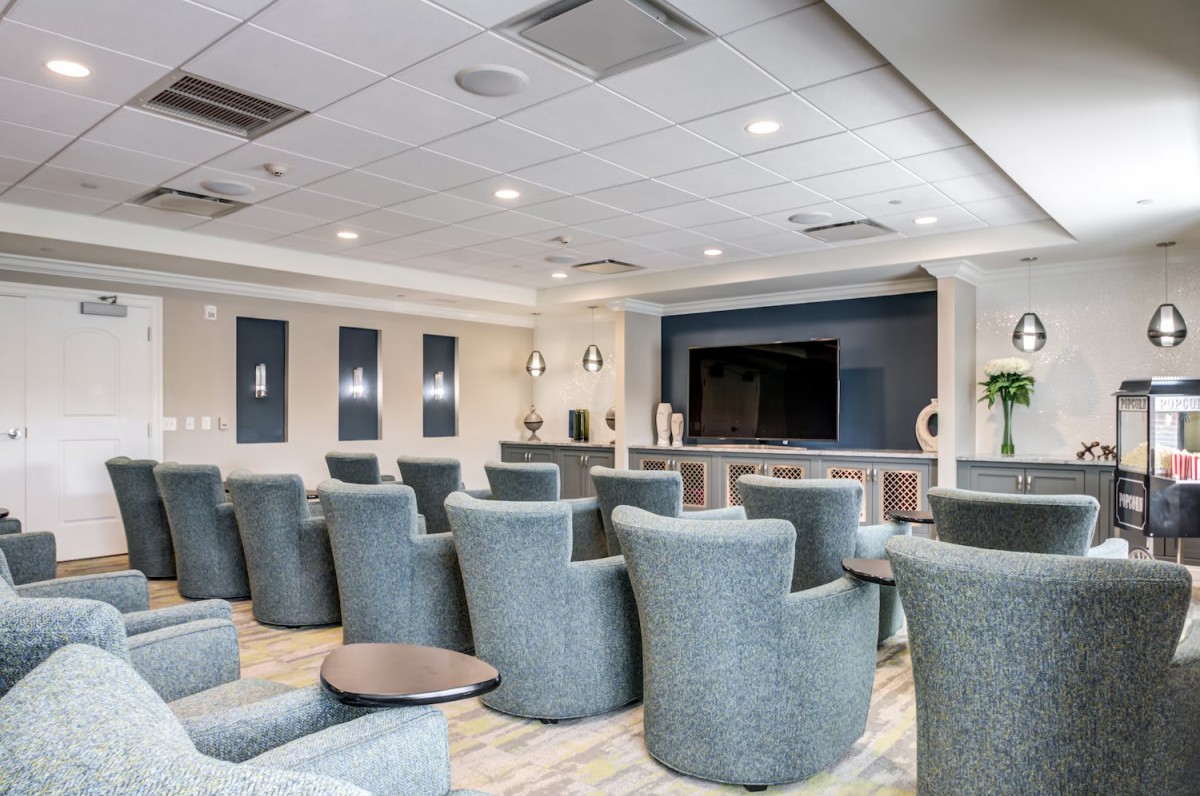
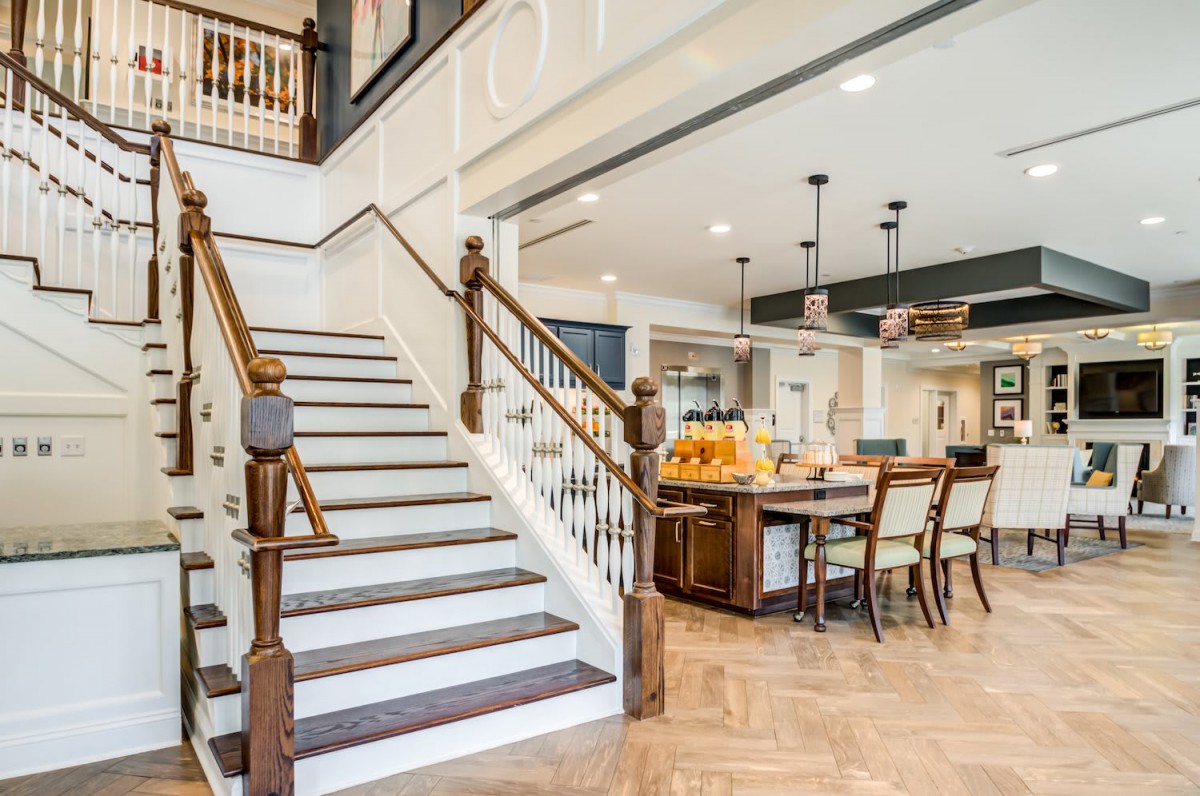
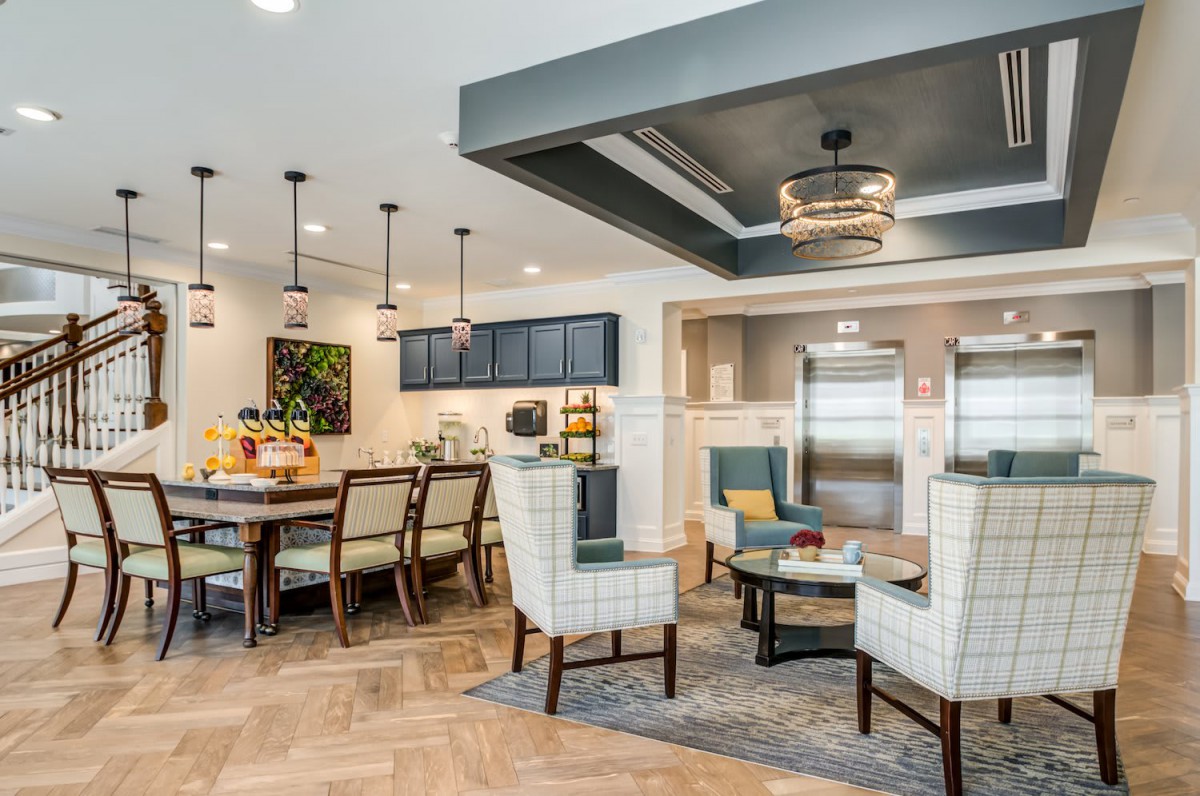
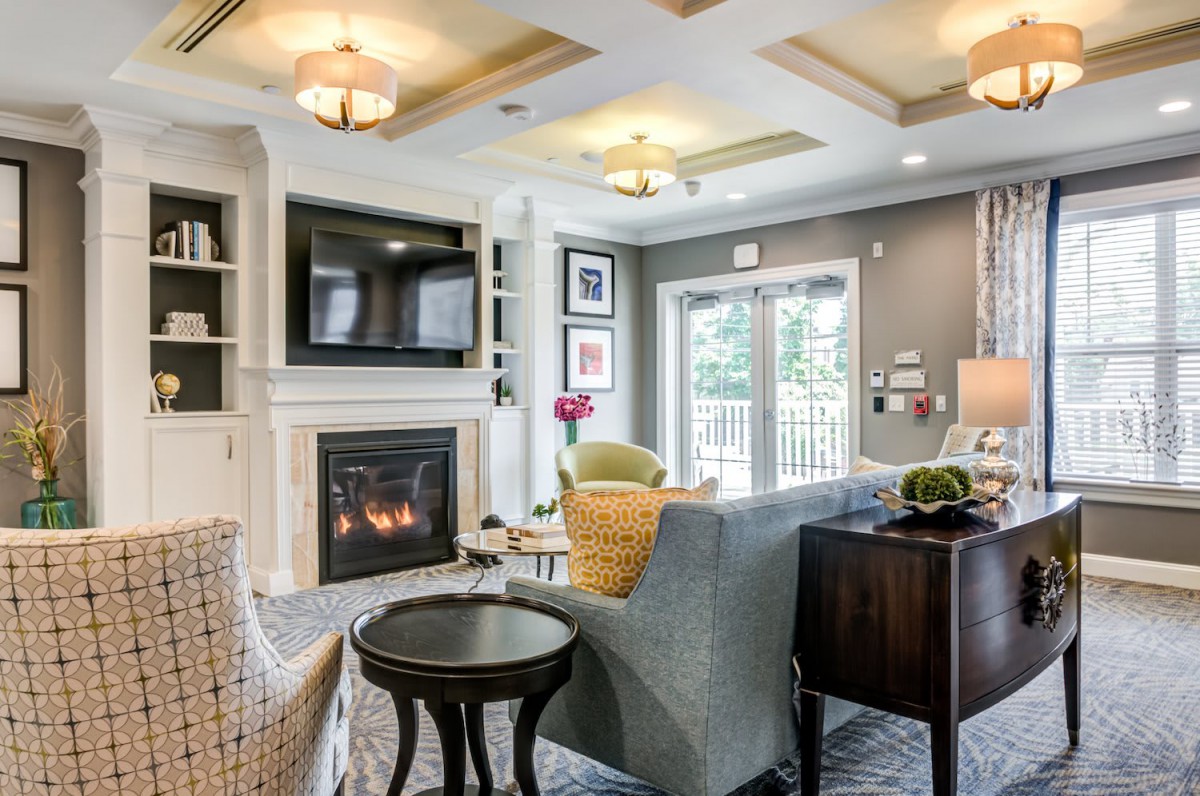
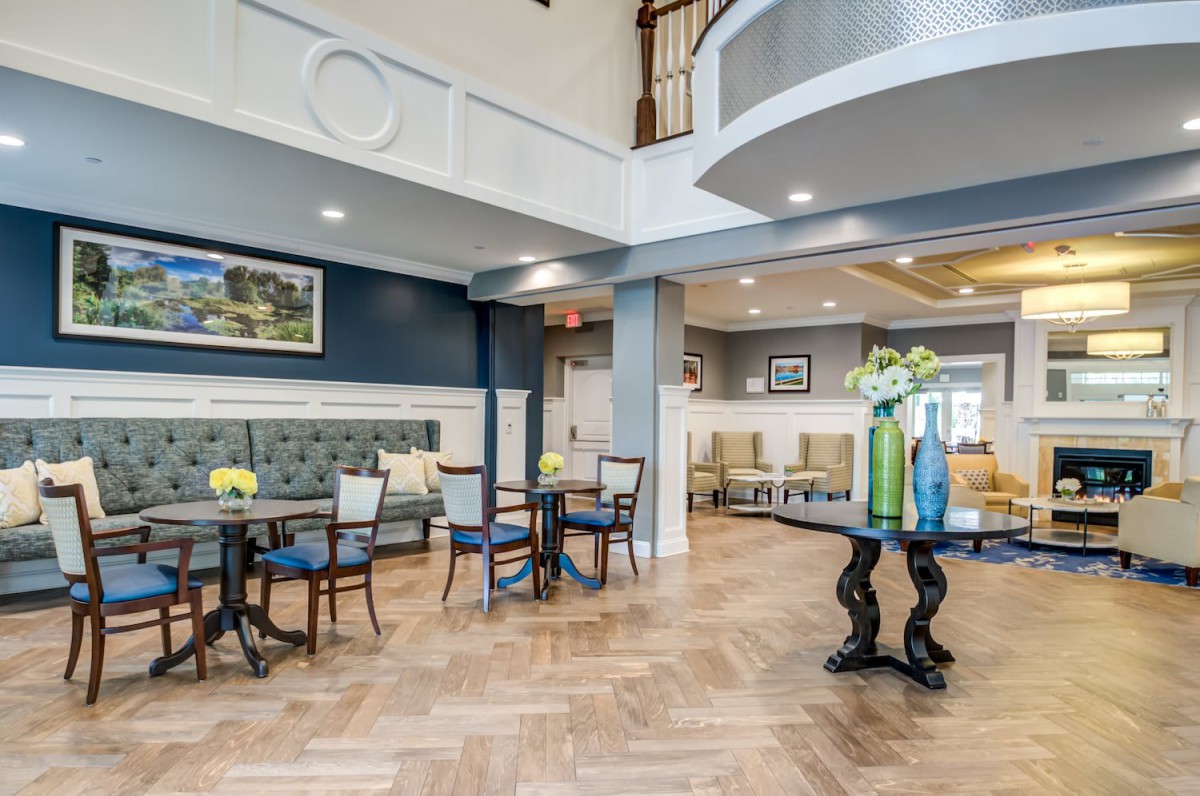
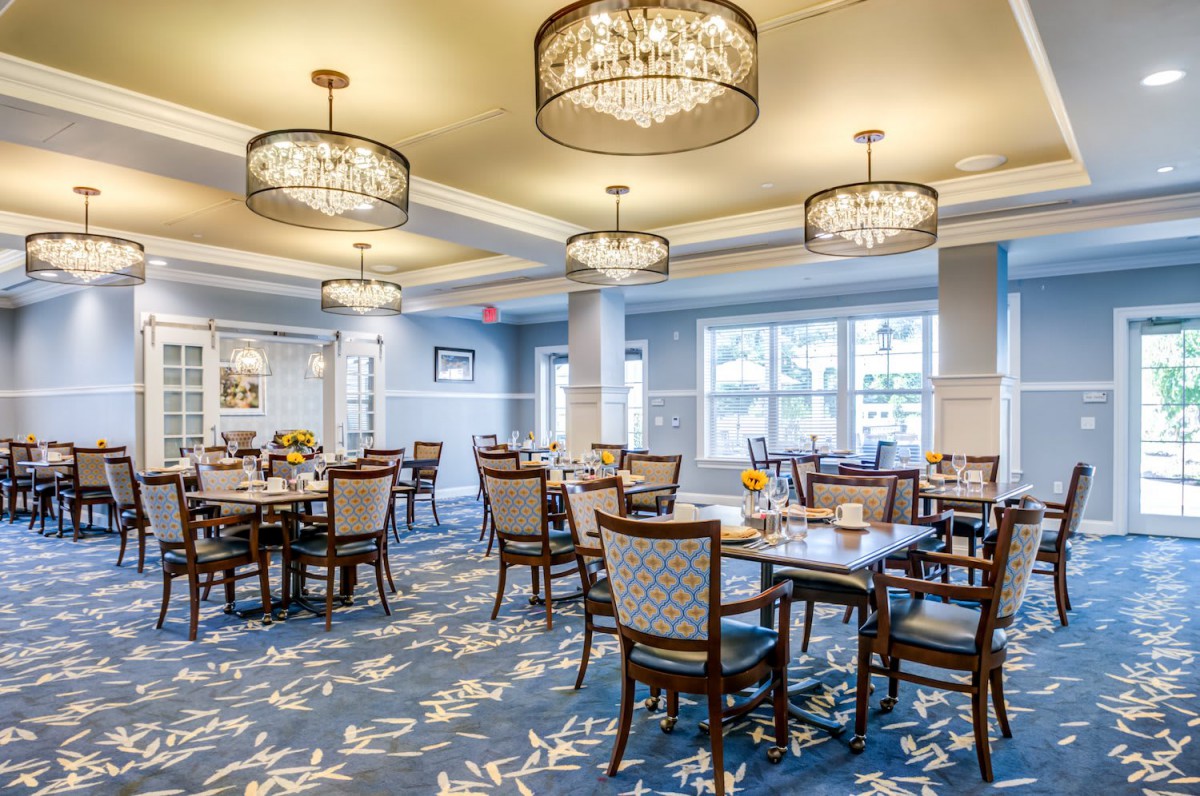
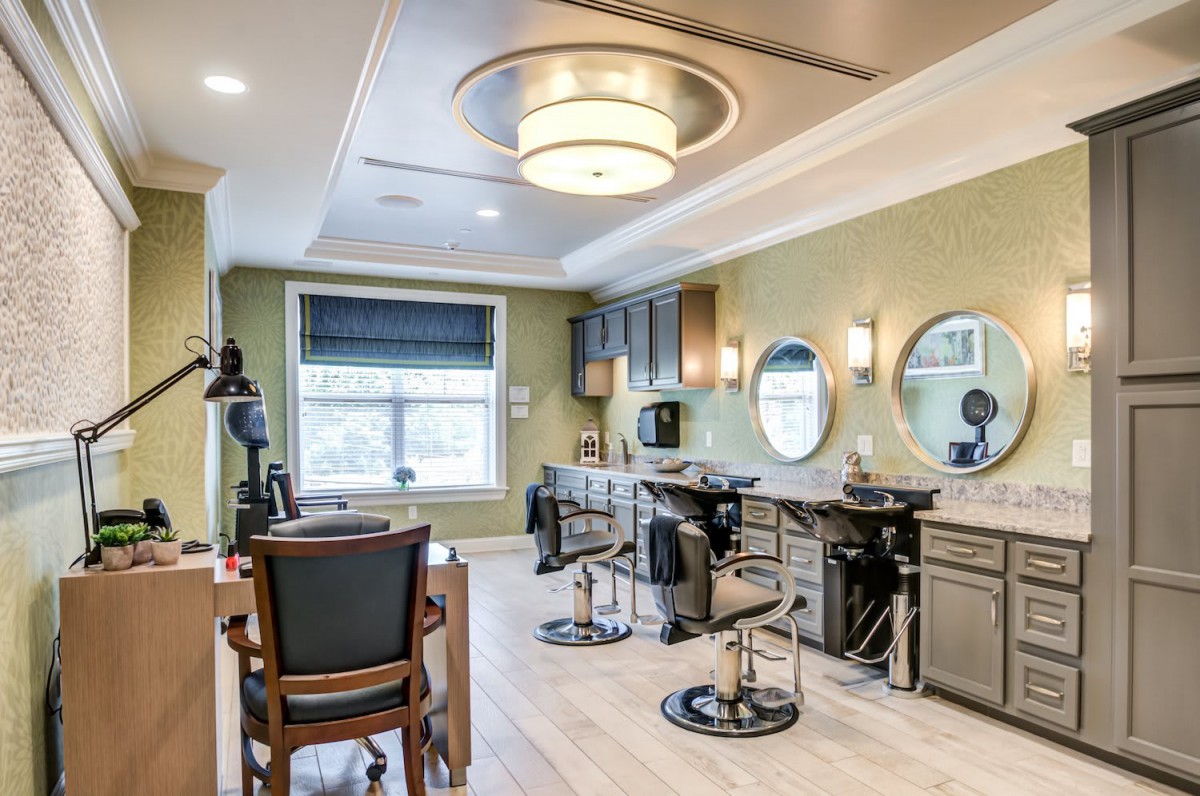
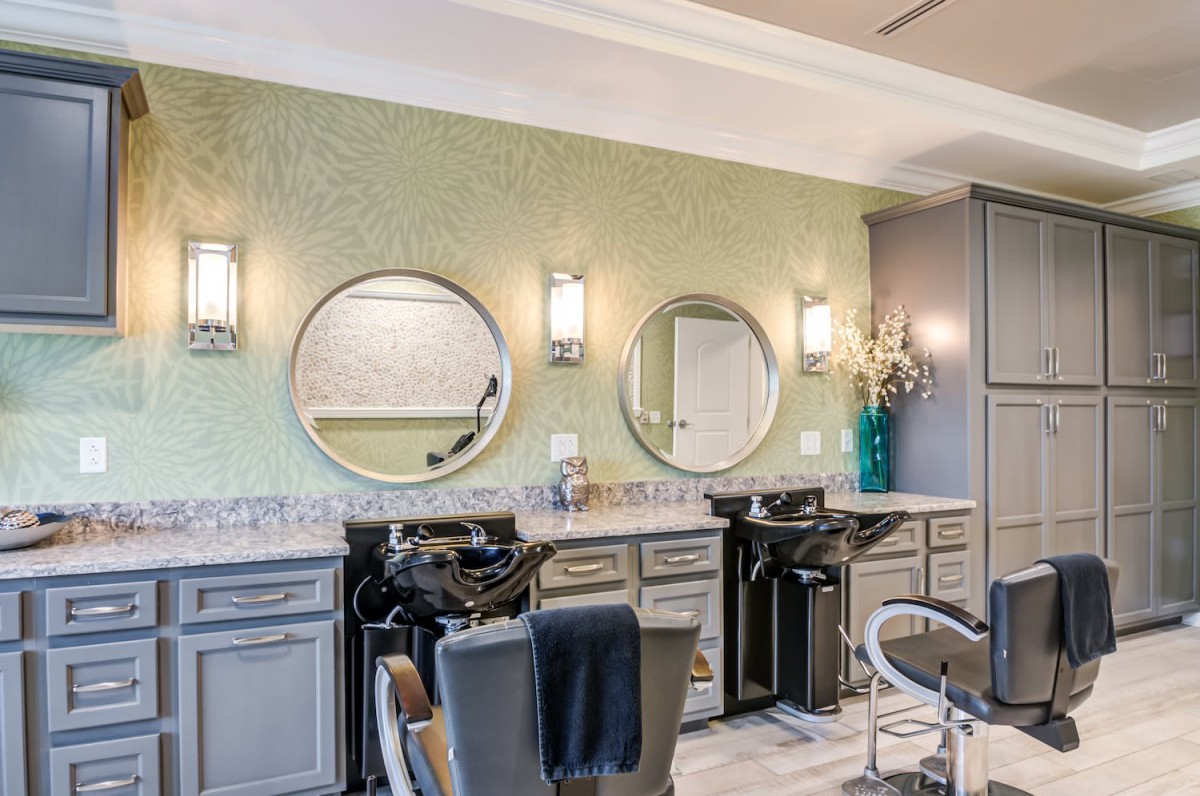
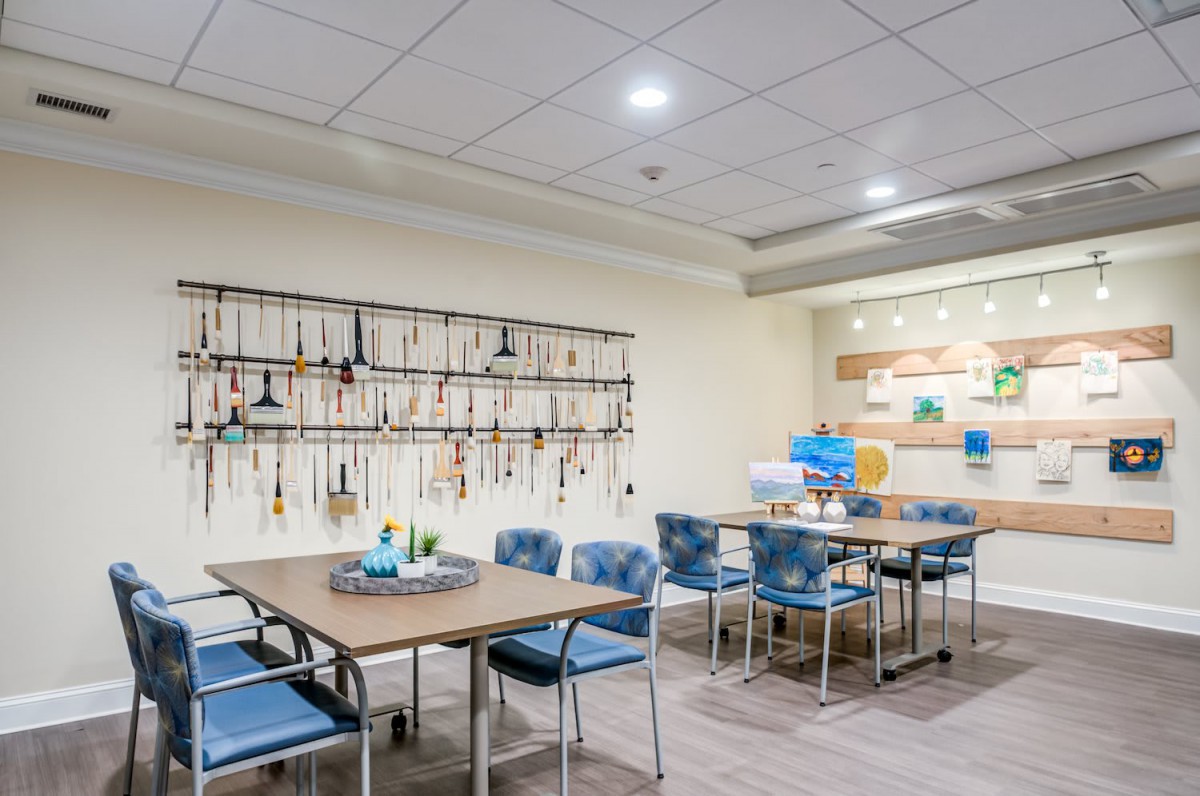
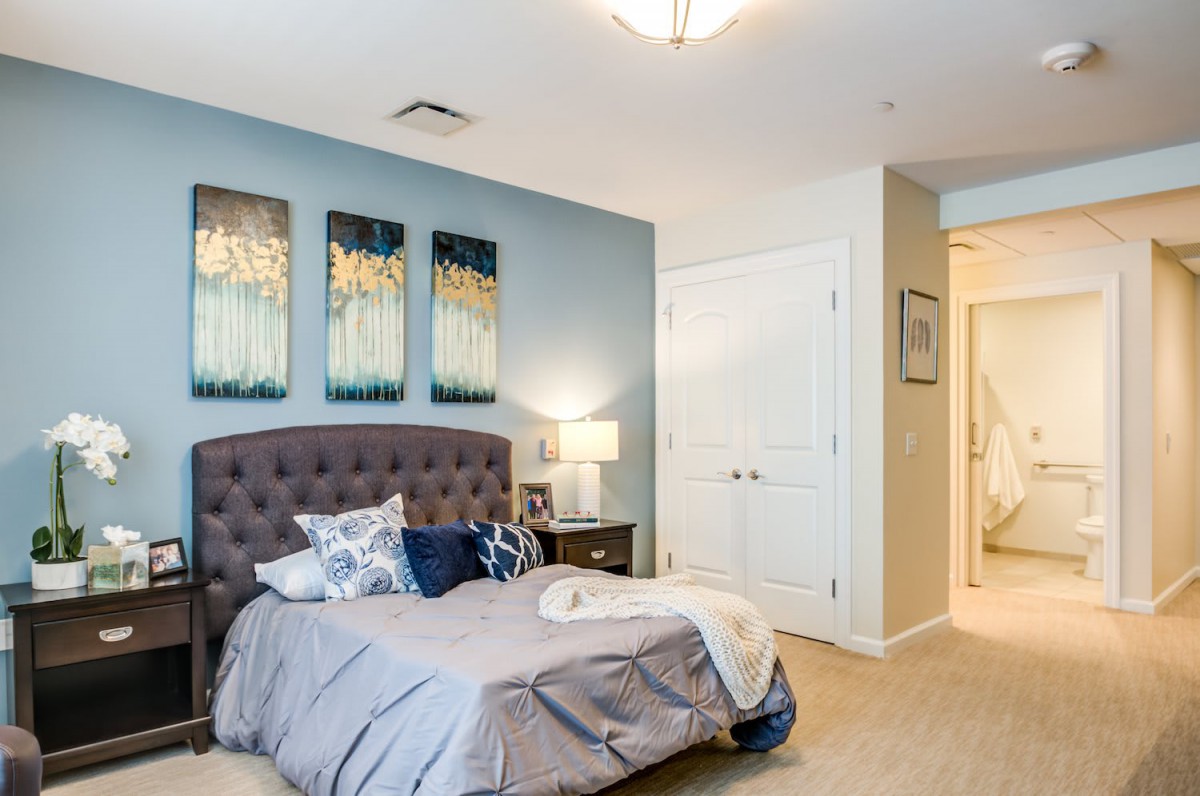
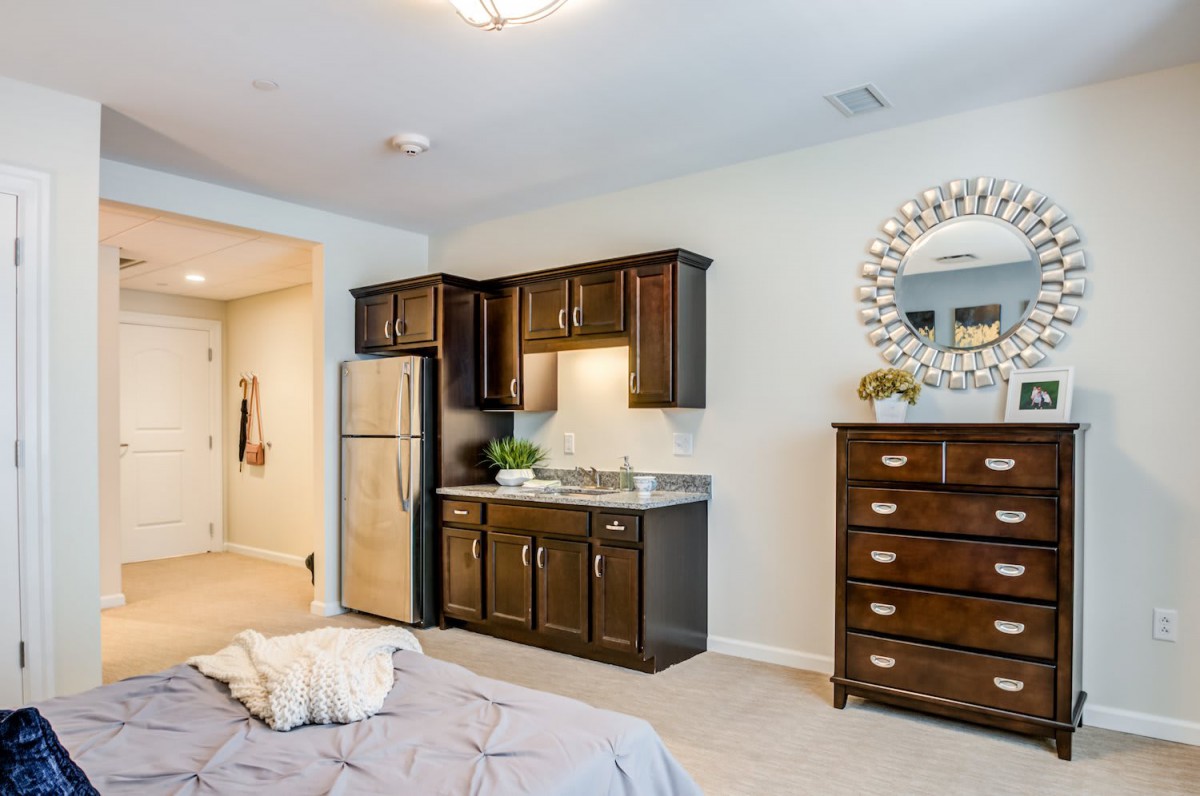
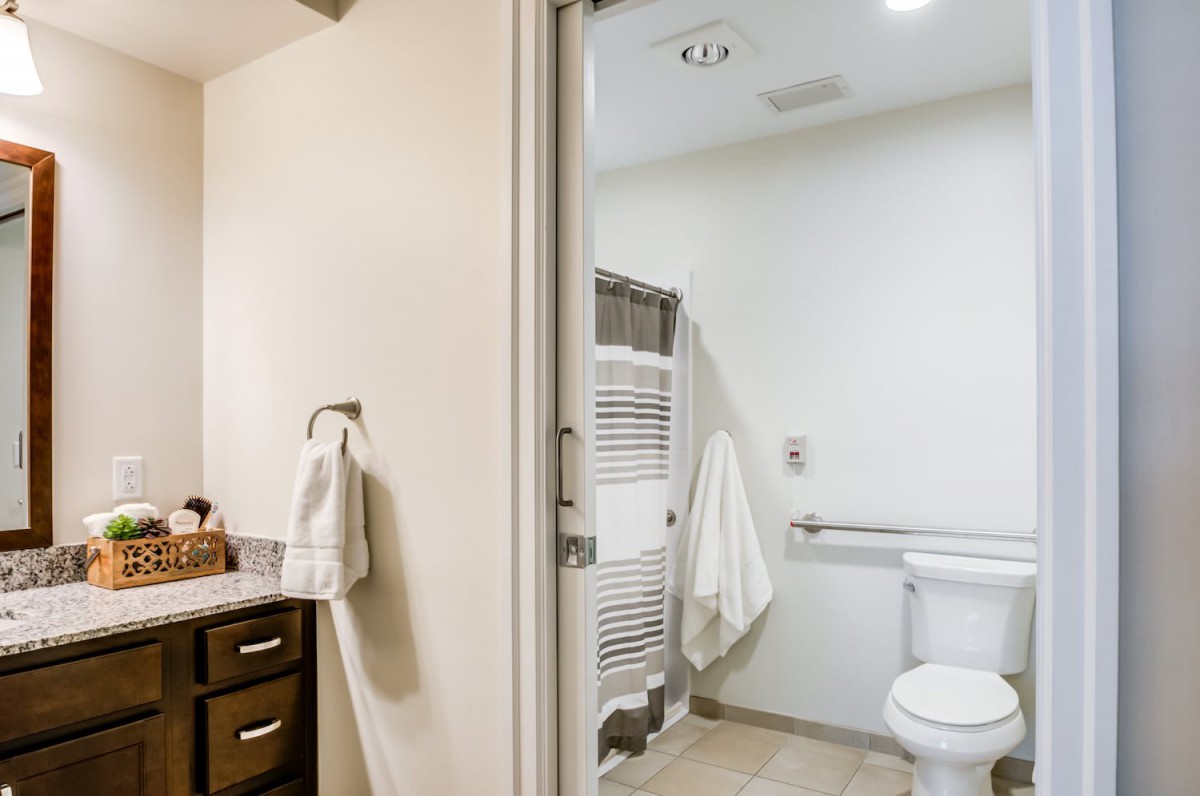
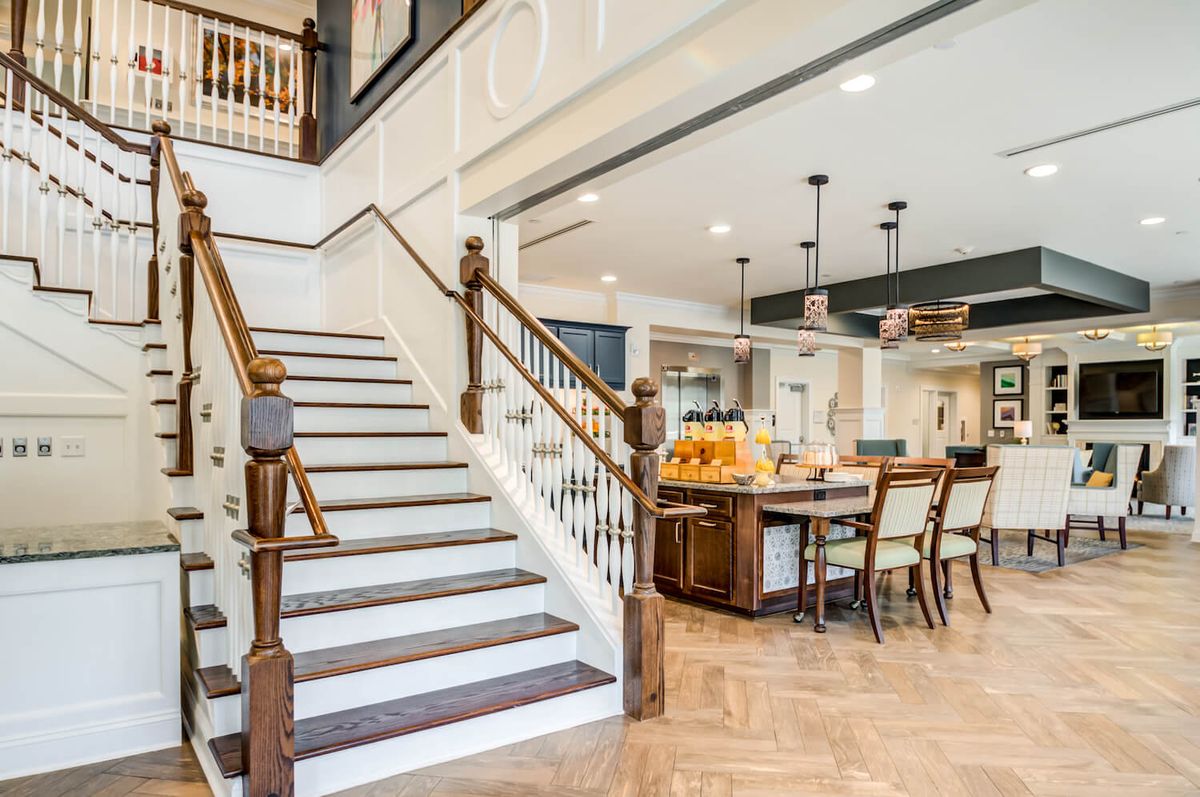
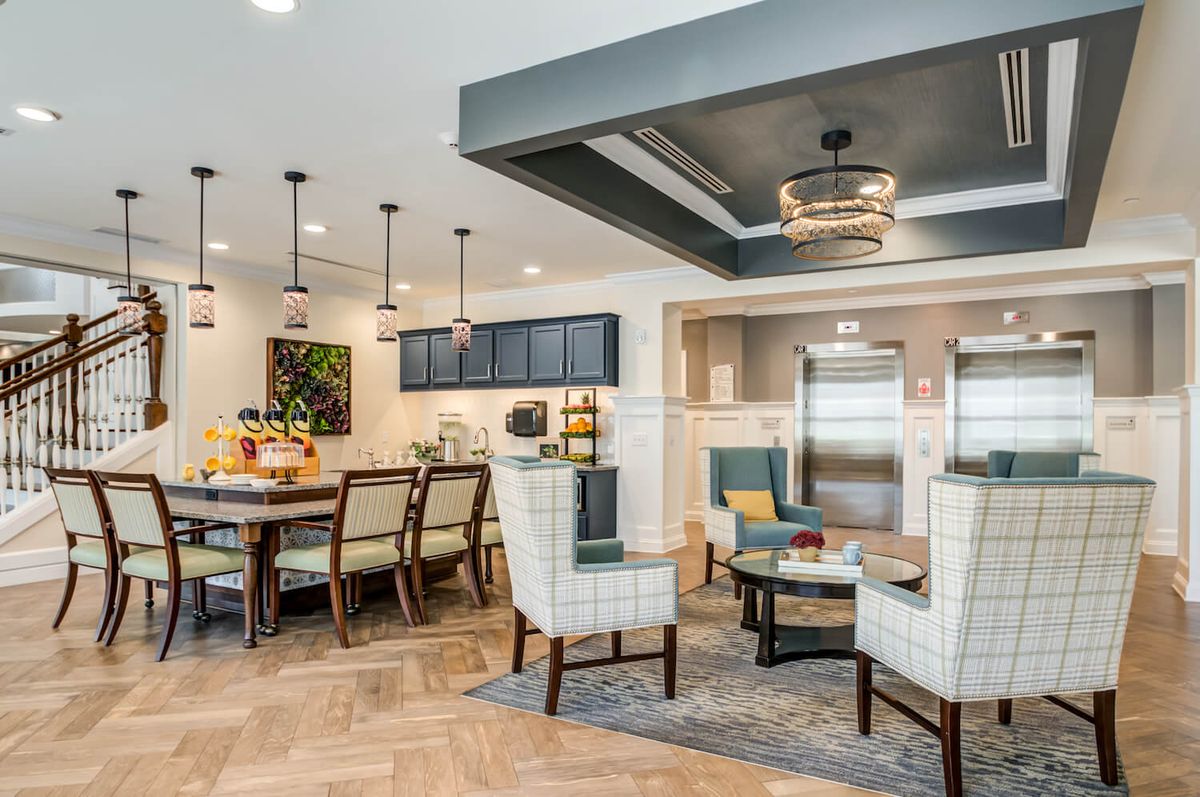
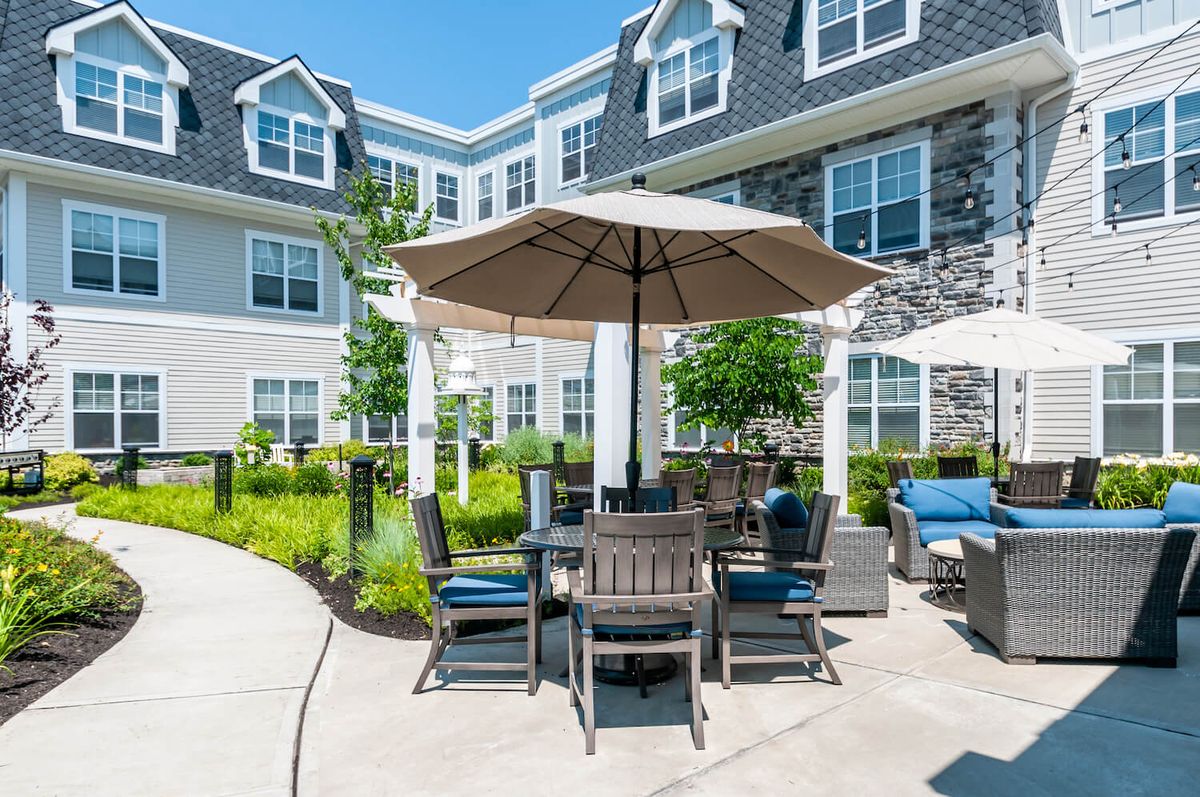
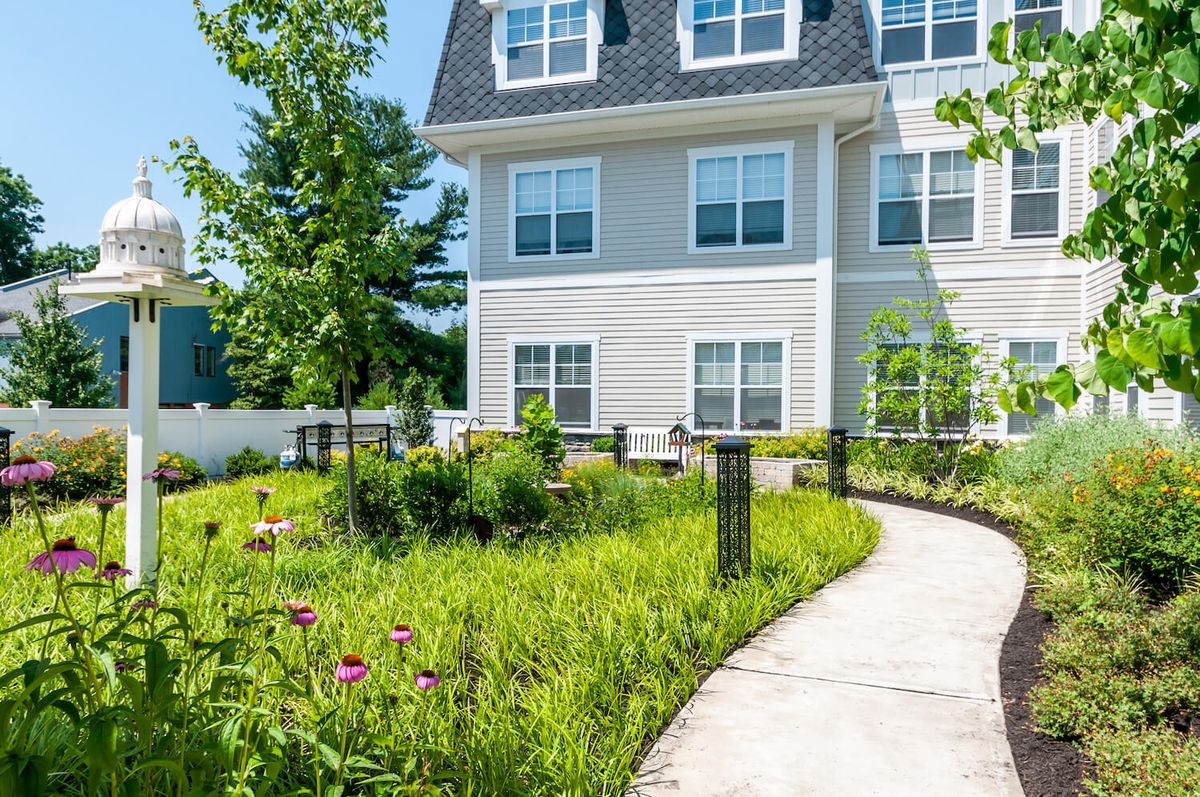
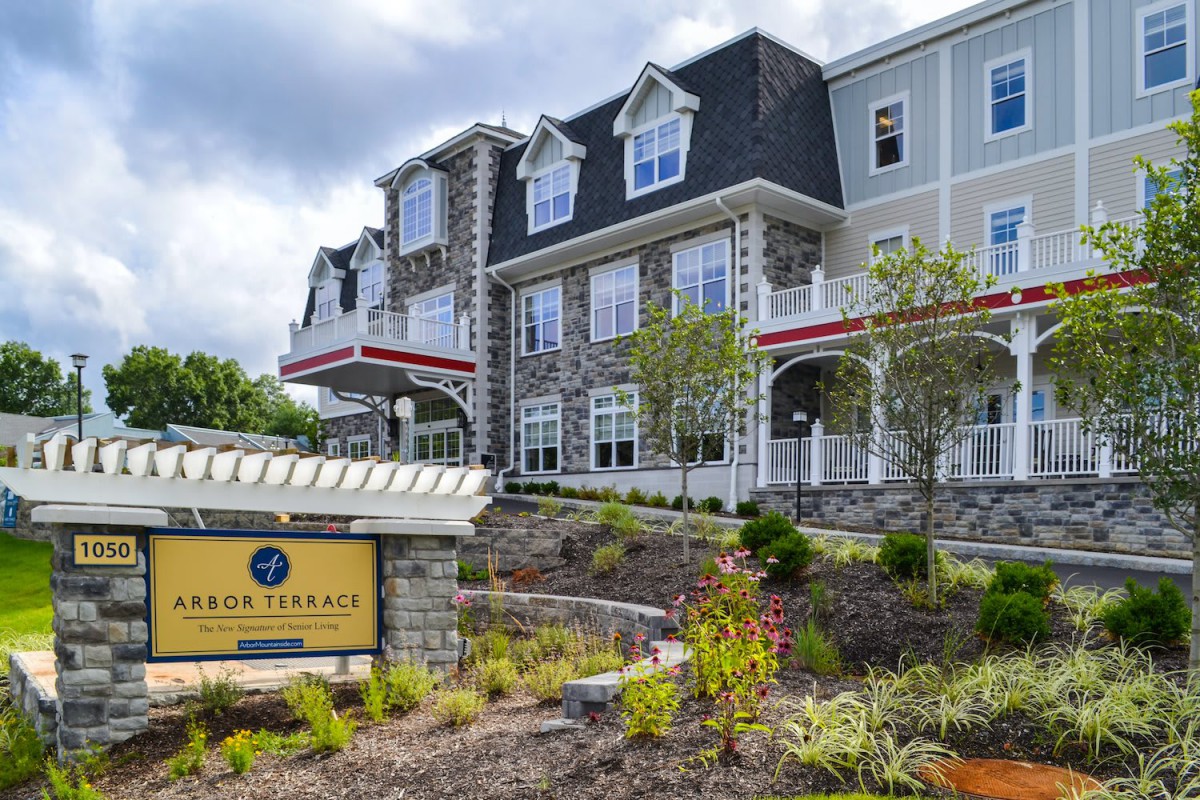
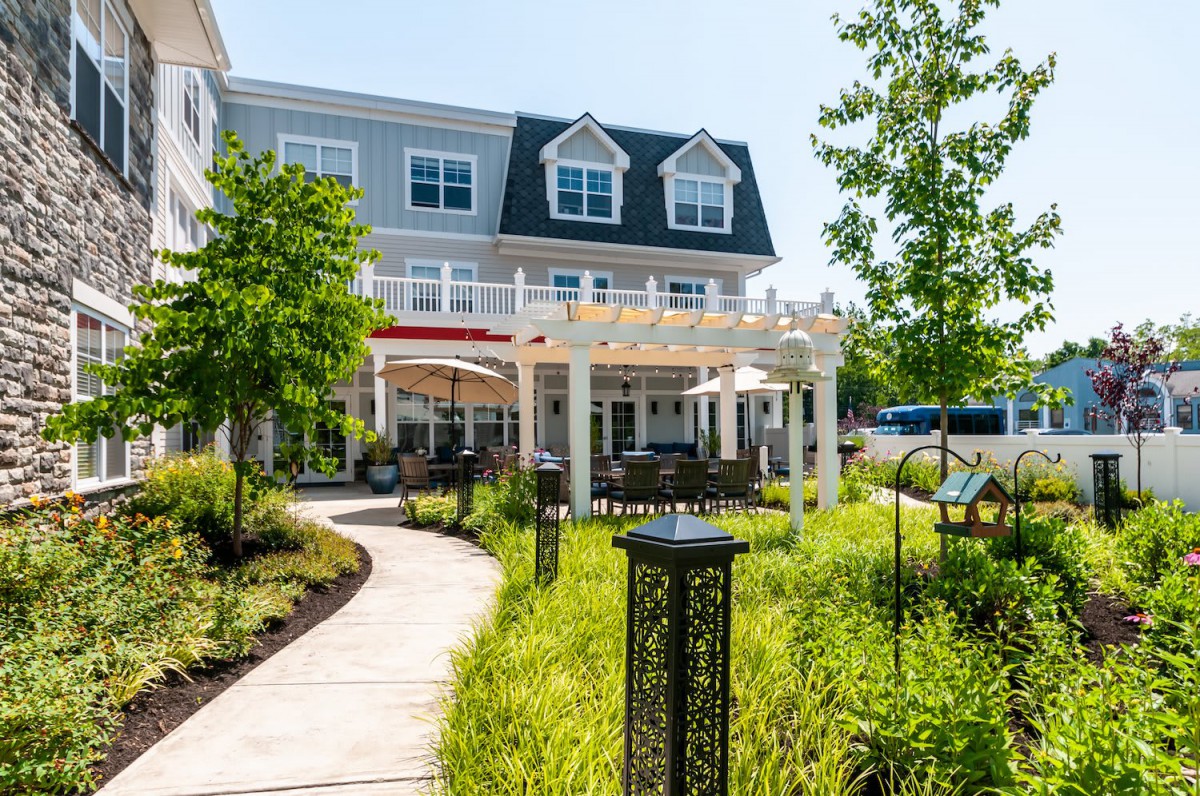
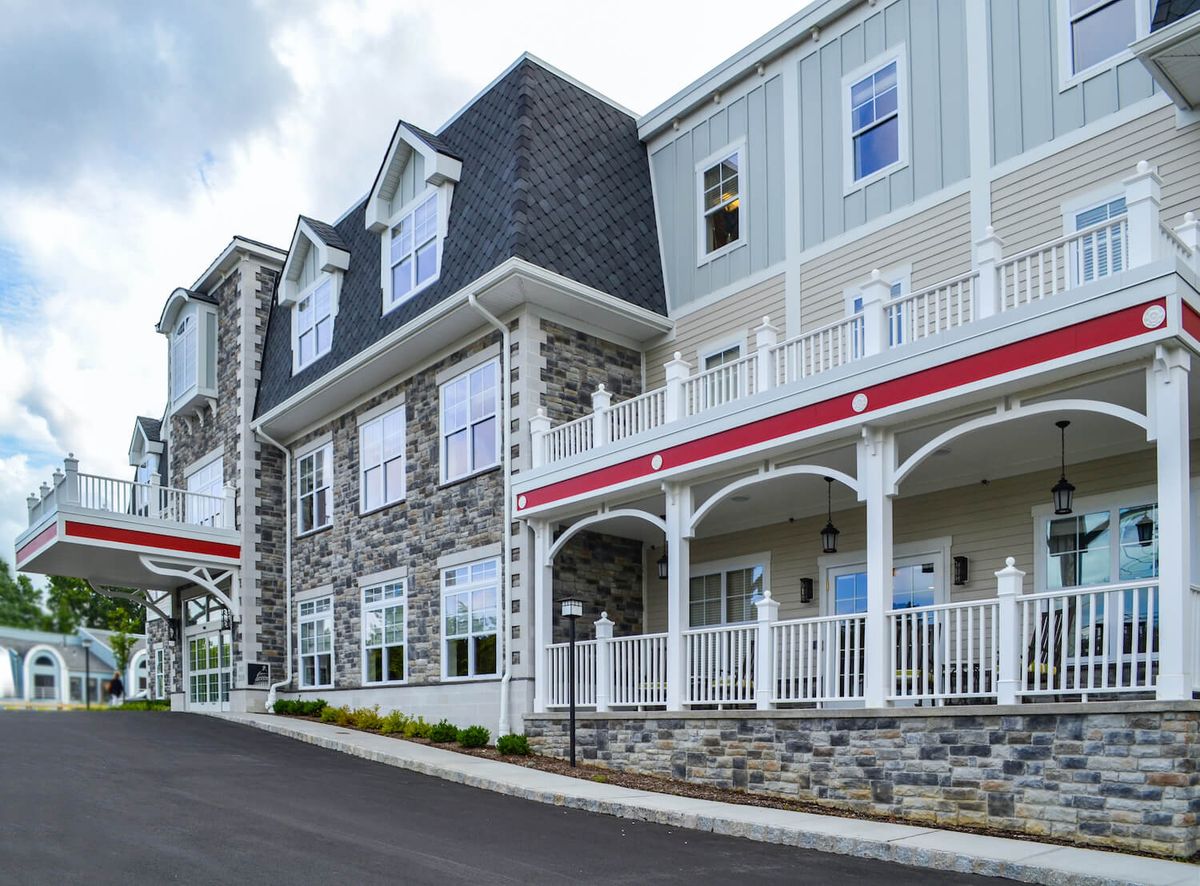
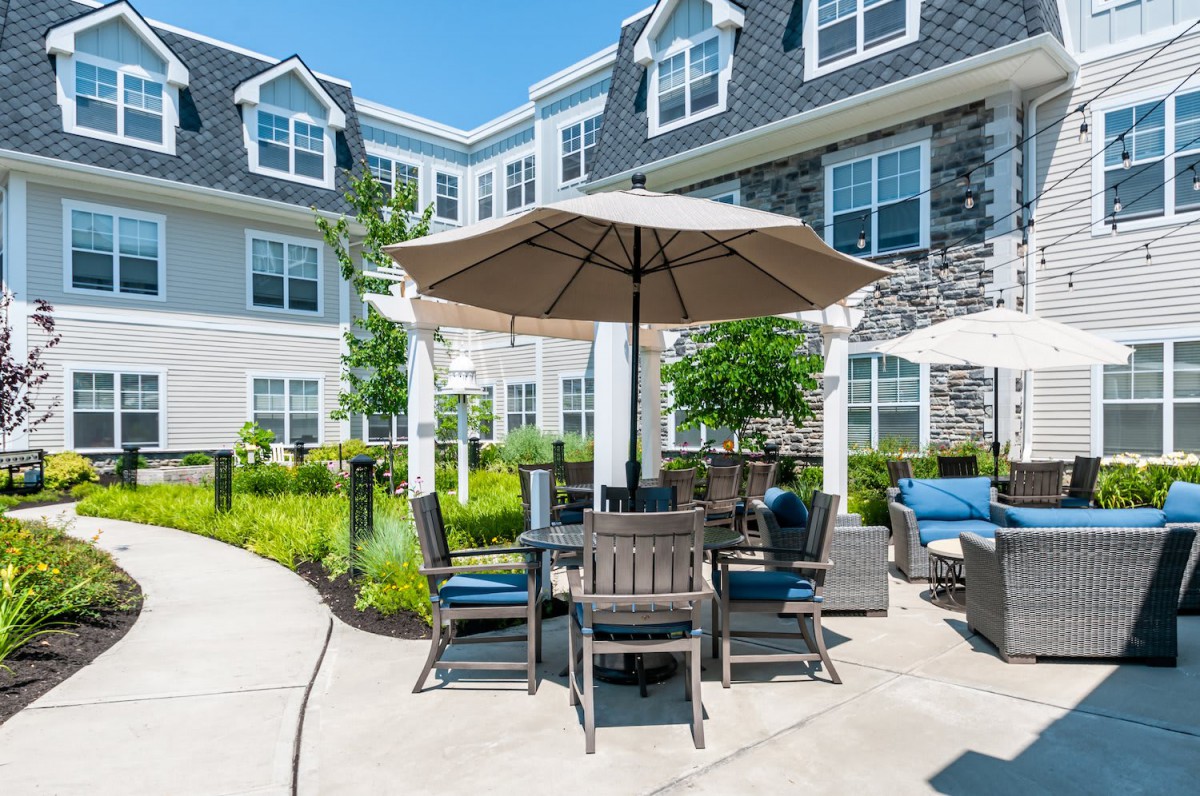
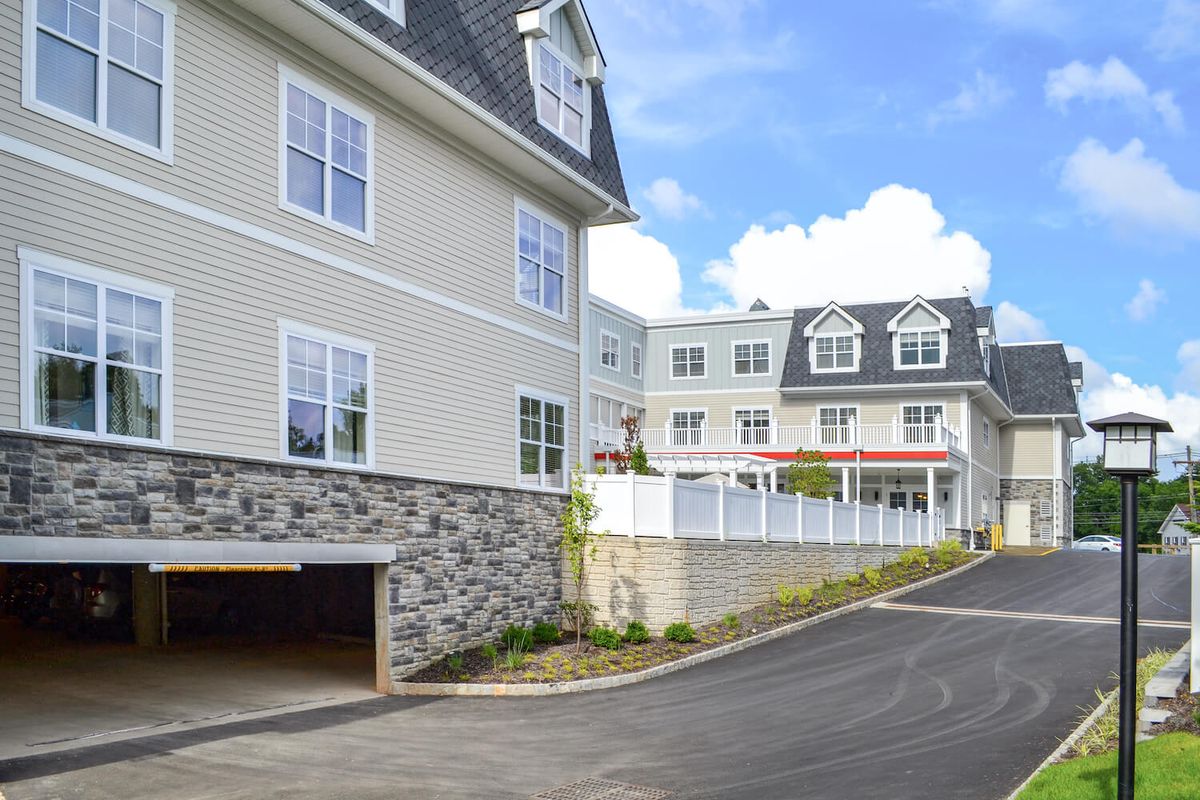
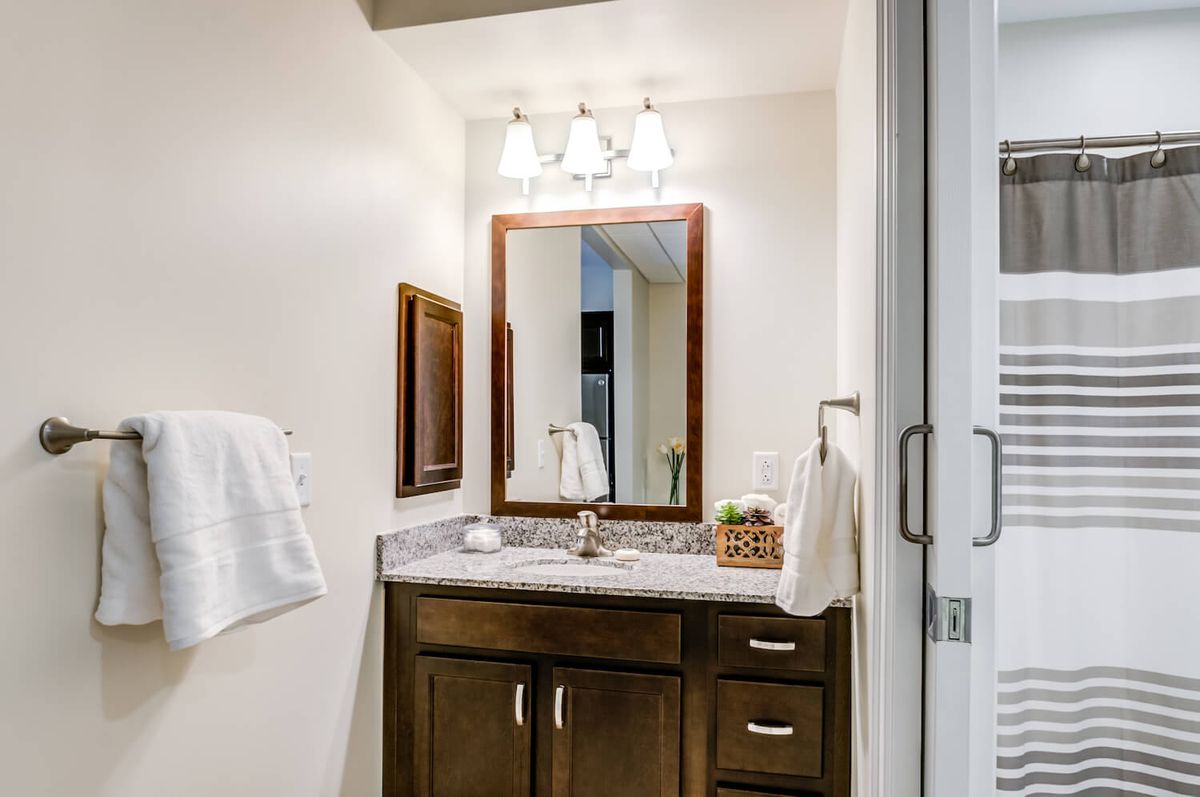
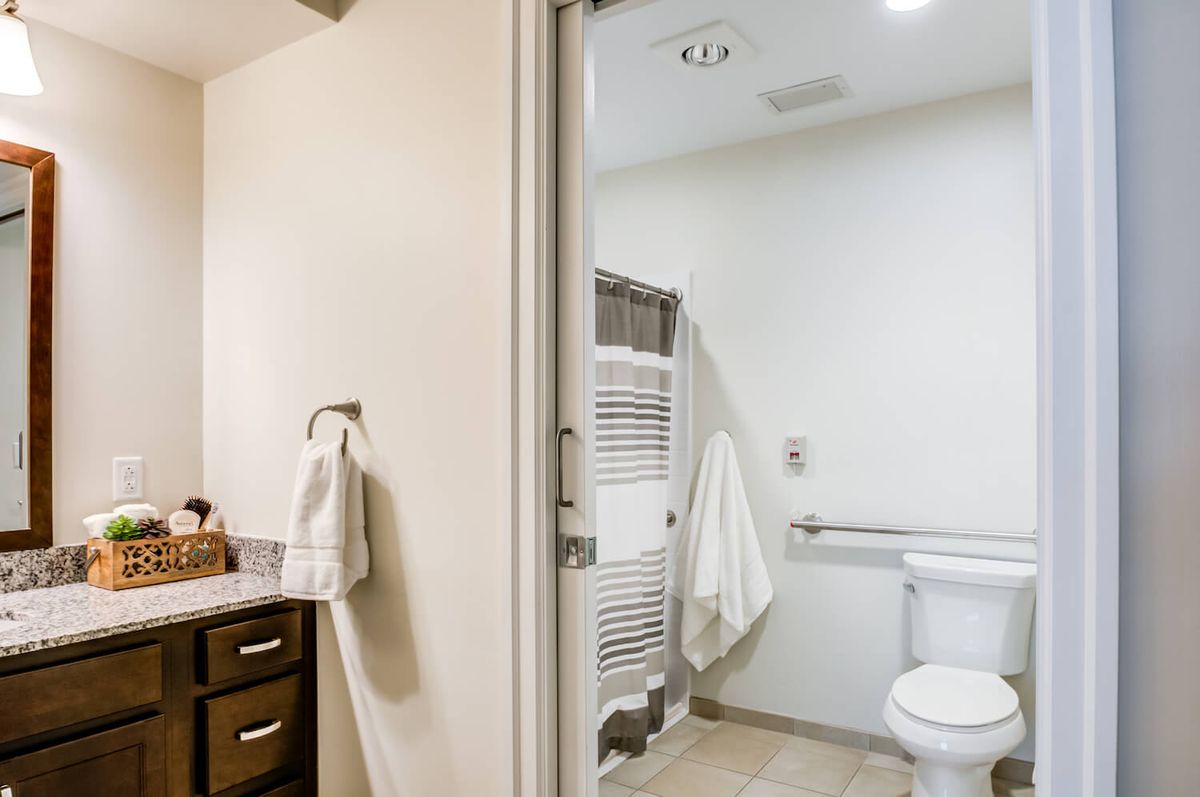
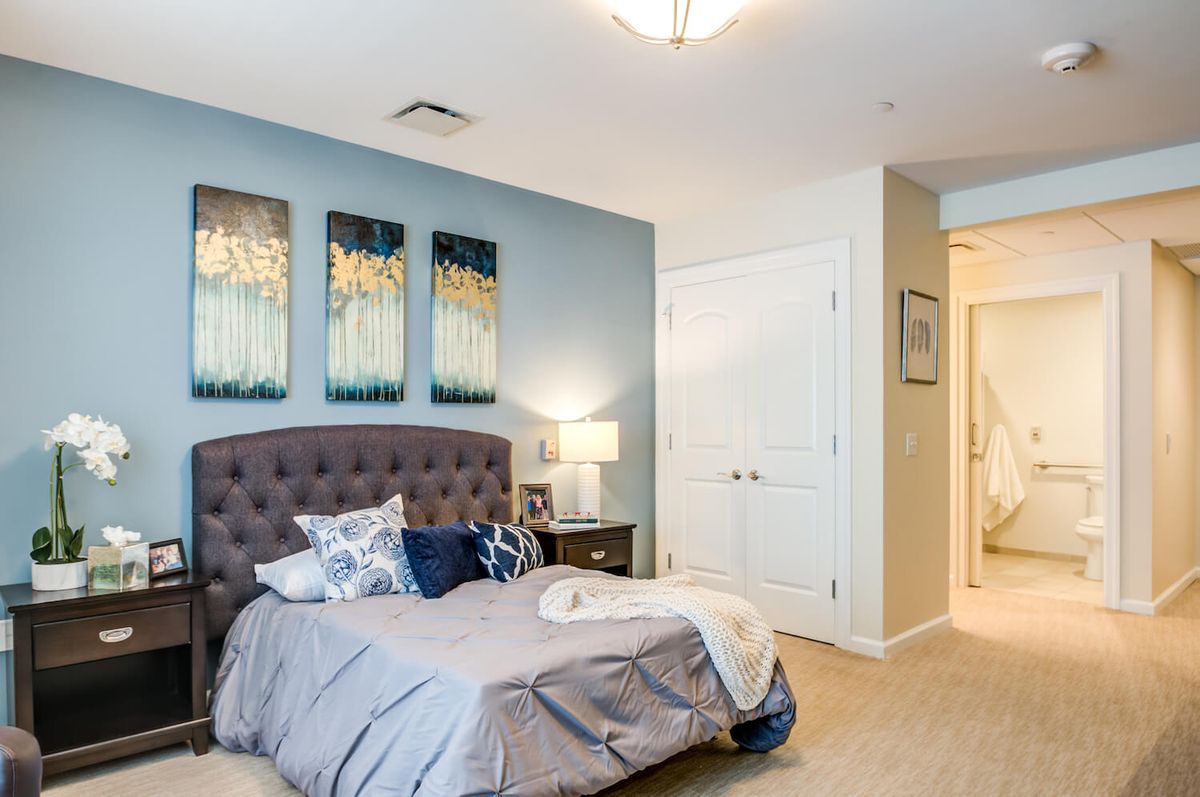
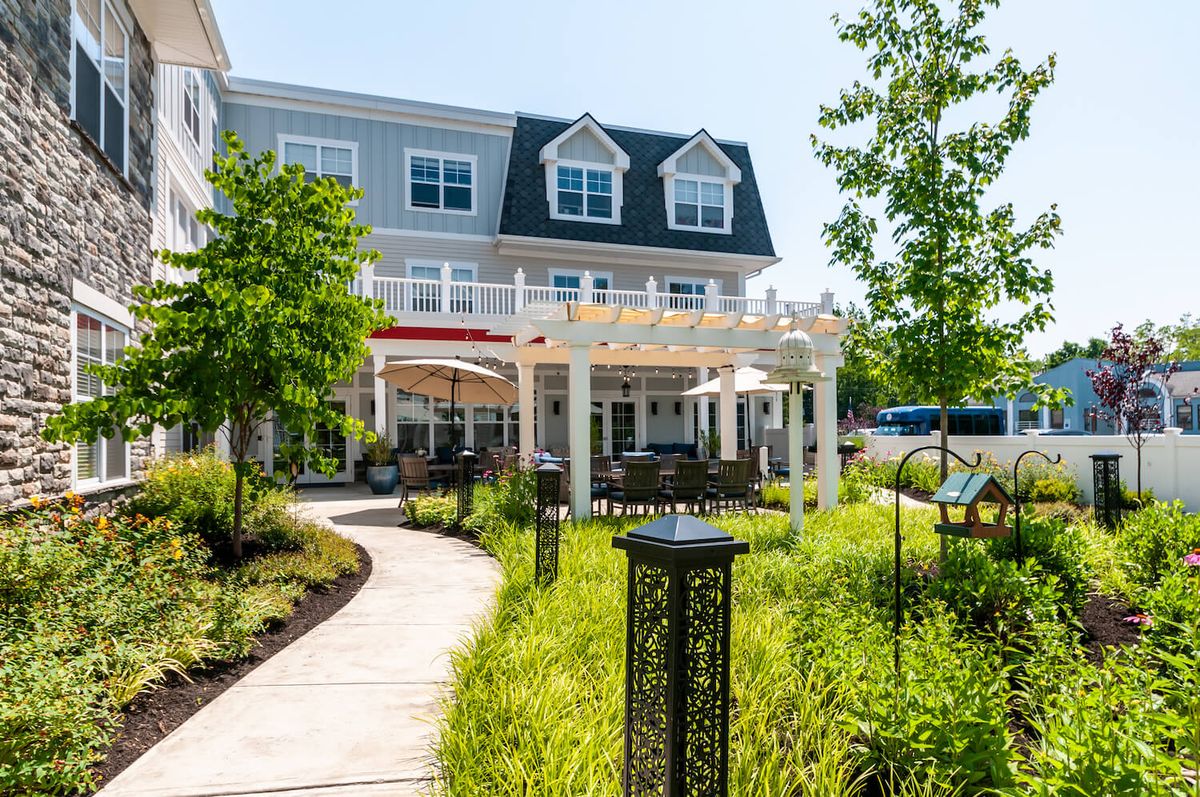
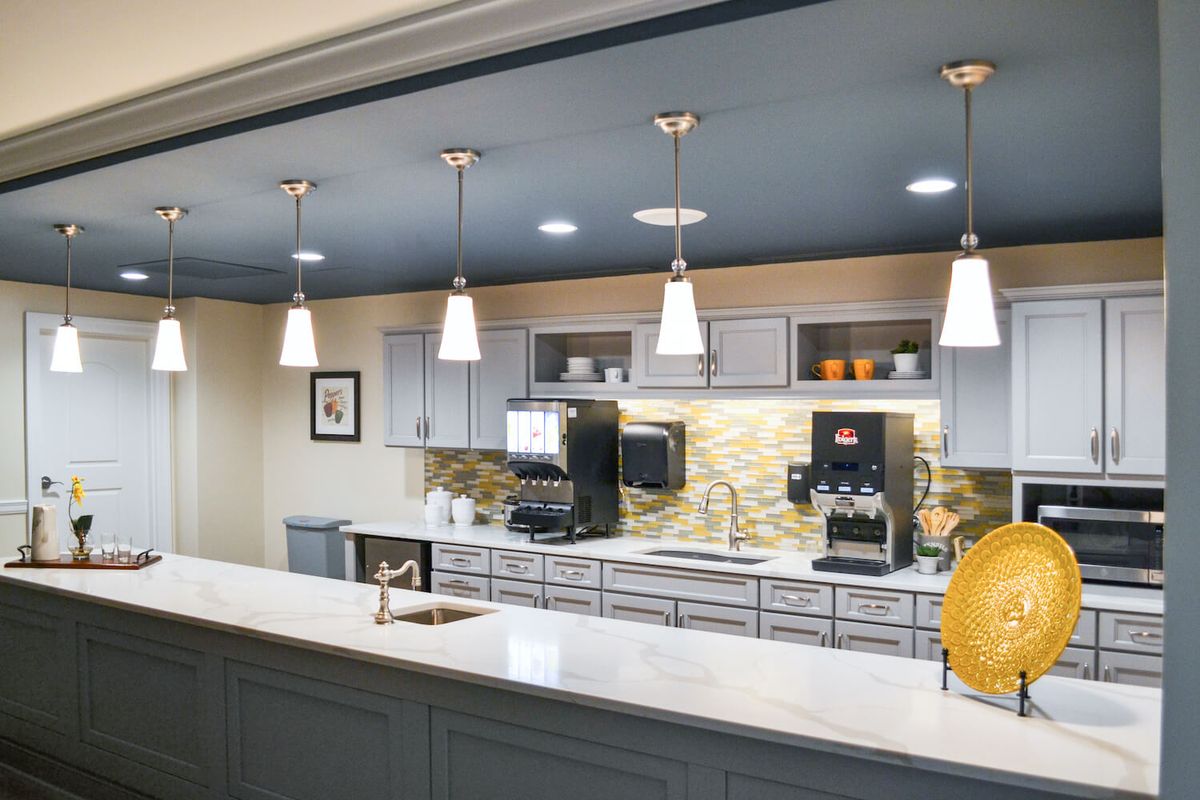
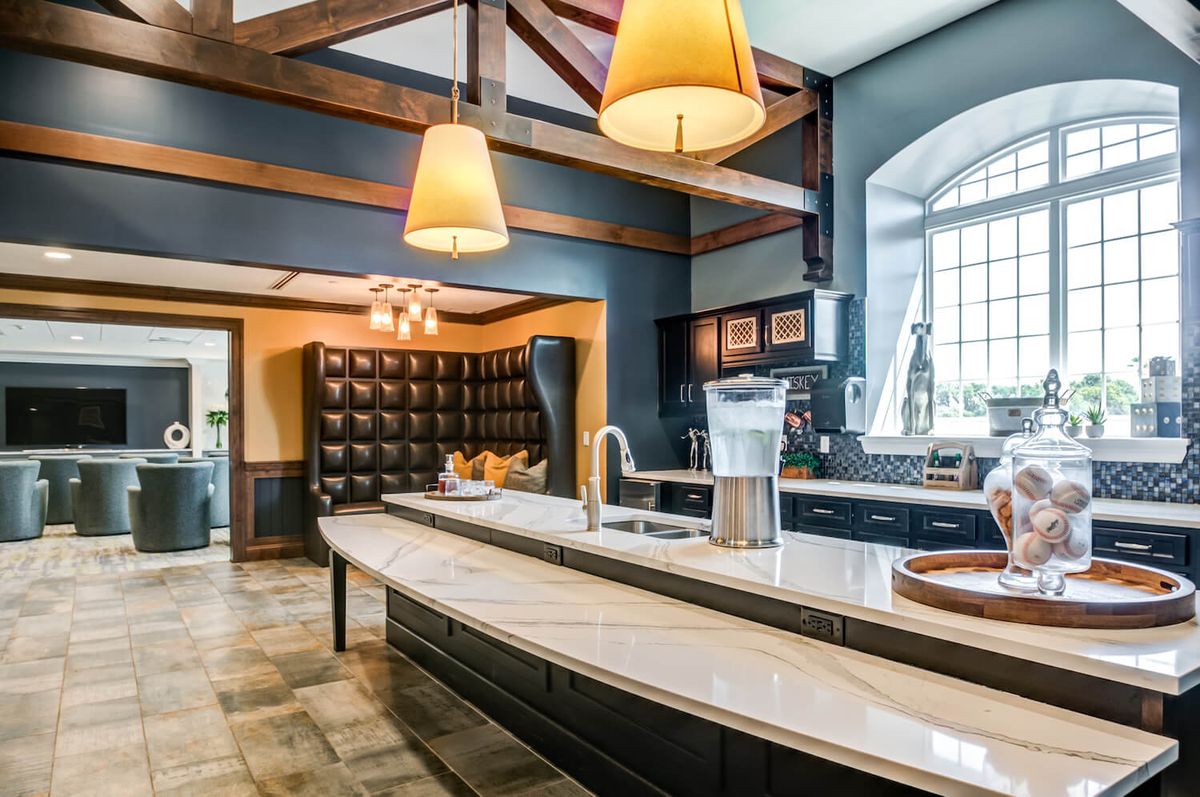
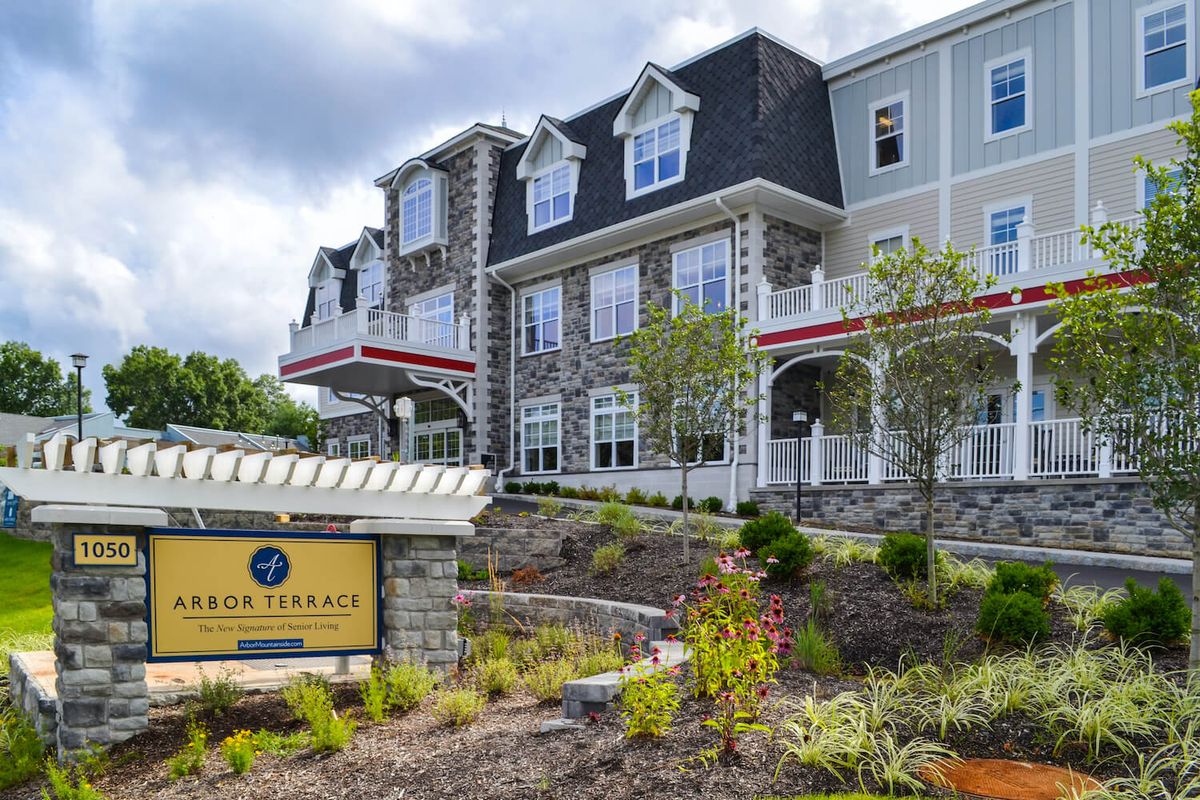
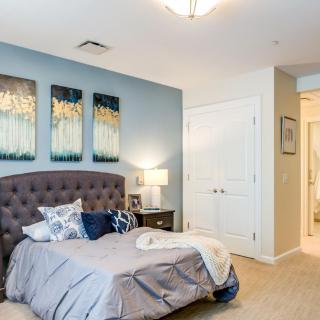
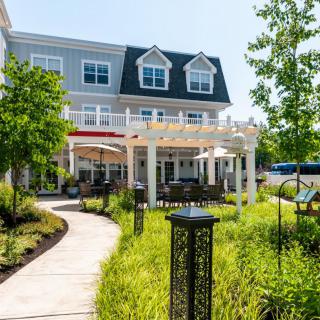
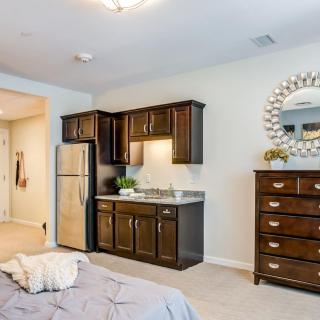
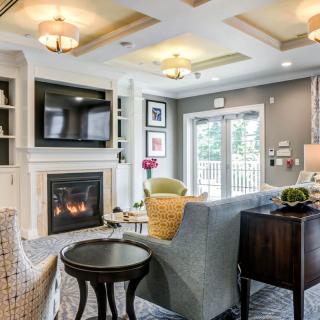
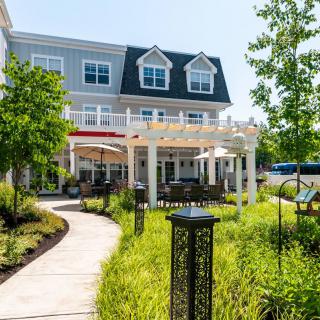
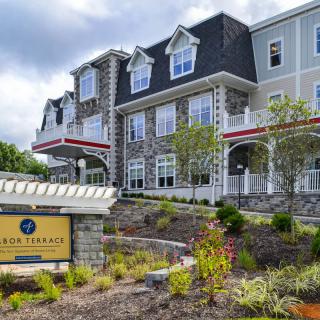
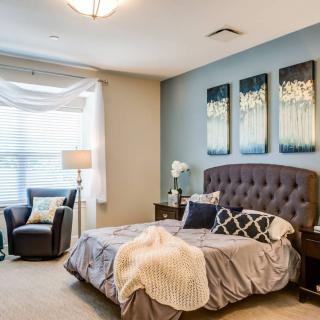
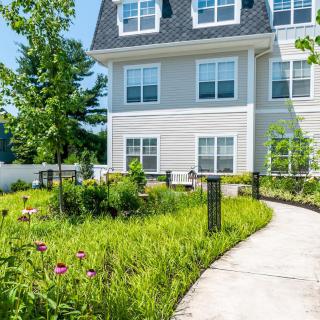
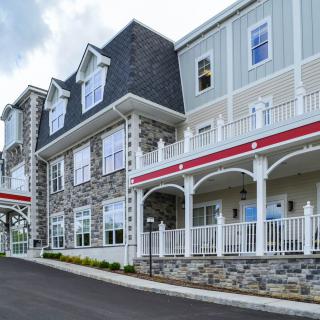
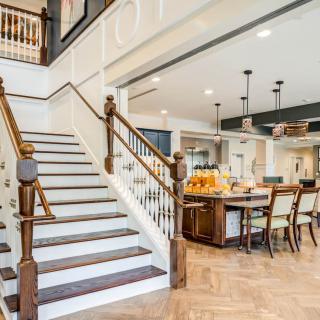
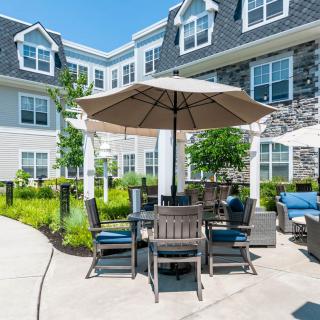
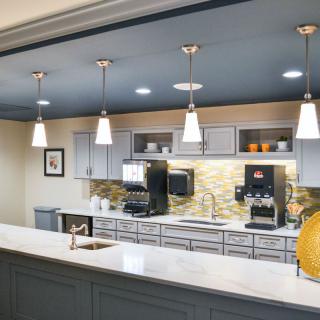
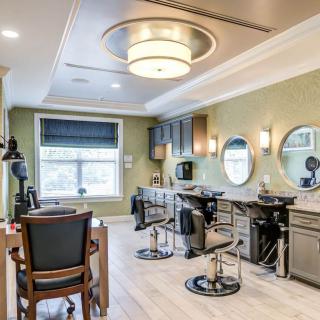
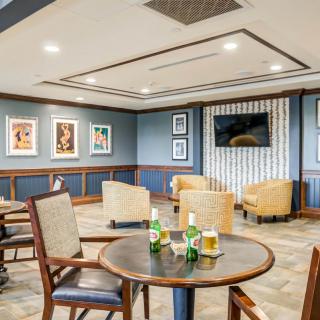
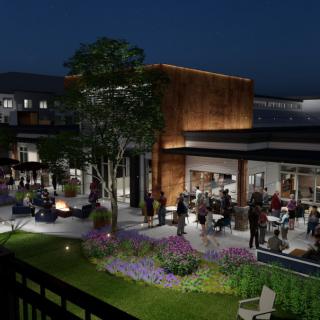
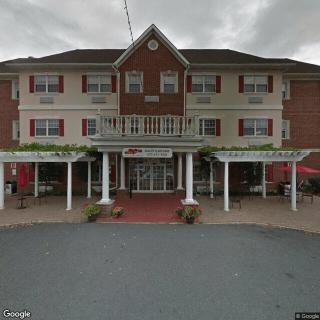
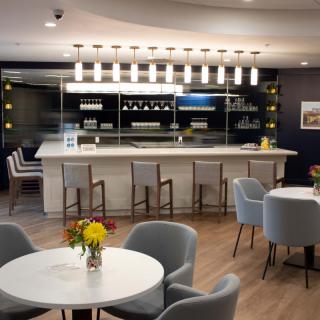
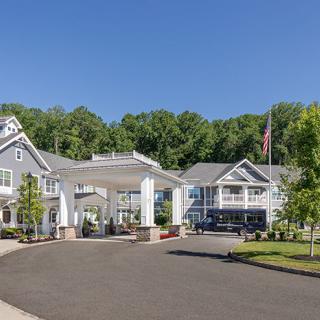
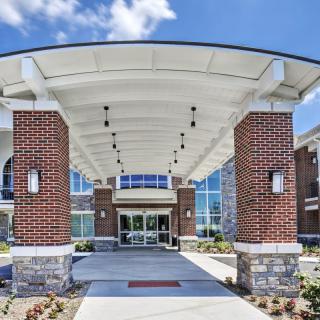
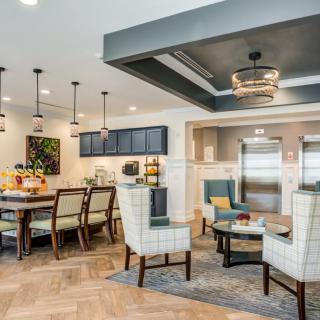
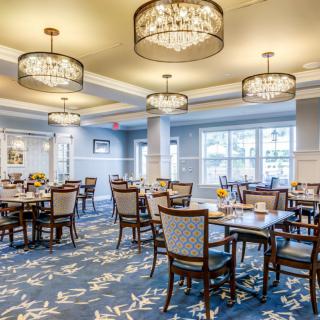
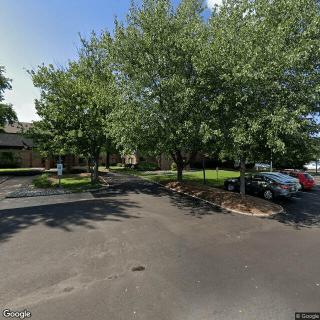
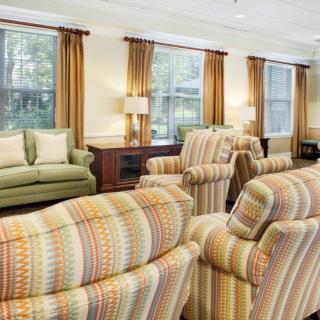
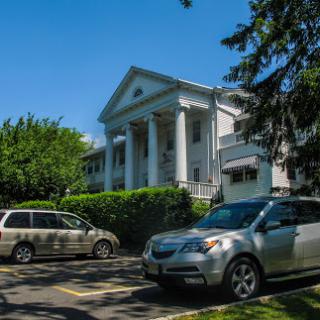
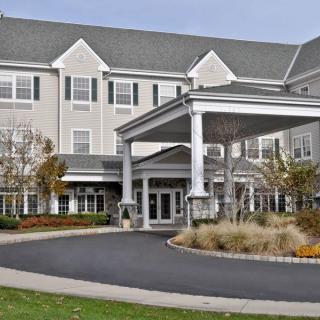
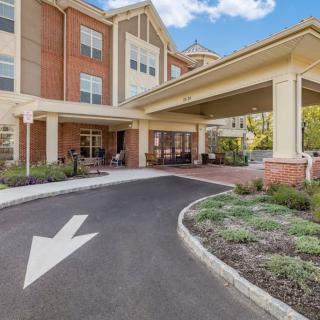
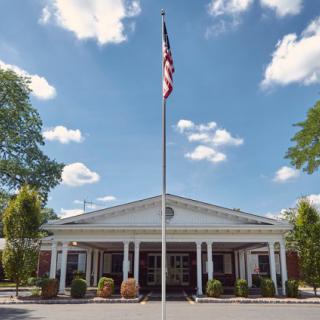
Arbor Terrace Mountainside on seniors.fyi includes 41 photos including images showing interior, decor, kitchen, lighting, bedroom, dining, building, landscaping, and more.
Nearby Communities
Sunrise of Westfield
Westfield, NJ
4.4 from 68 reviews
$7,000 to $10,680 / month
Caring, attentive staff and engaging activities.
Manor Care Mountainside
Mountainside, NJ
3.7 from 123 reviews
Strong rehab/PT services and some caring staff
ProMedica Mountainside
Mountainside, NJ
3.8 from 98 reviews
On-site activities and high-acuity care with extensive nearby amenities (cafes, parks, pharmacies, physicians, restaurants, transport, places of worship)
ComForcare Home Care Mountainside
Mountainside, NJ
4.7 from 17 reviews
Professional staff with good administrative communication.
Brighton Gardens of Mountainside
Mountainside, NJ
4.3 from 93 reviews
$6,450 to $8,820 / month
Friendly, attentive staff with engaging activities and a strong memory care program.
Childrens Specialized Hospital Mountainside
Mountainside, NJ
3.9 from 94 reviews
Comprehensive care with 24/7 supervision, ADL support, medication management, diverse dining with dietary options, and wellness programs.
Brandywine Living At Summit
Summit, NJ
4.5 from 50 reviews
$3,480 to $6,400 / month
Friendly, attentive staff; clean, well-maintained facility; good meals and engaging activities.
Sunrise of Summit
Summit, NJ
4.7 from 41 reviews
$9,240 to $12,240 / month
Engaging activities with a warm, caring staff.
Cornell Hall Care & Rehabilitation Center
Union, NJ
4.1 from 127 reviews
Caring staff and engaging activities in a clean, welcoming environment.
The article presents five subtle indicators of dementia, such as memory lapses and mood swings, to help families assess cognitive decline in loved ones. It emphasizes early detection, open communication, and seeking professional help while providing practical support steps.
Dementia encompasses progressive neurological disorders that impair cognitive functions and can lead to paranoia due to cognitive decline and emotional changes. The article discusses the triggers of paranoia in dementia, caregiver strategies for managing it, and the importance of distinguishing between dementia-related paranoia and other psychiatric conditions.
Memory care activities are essential for improving the quality of life of seniors with cognitive impairments, as they stimulate cognitive function, promote well-being, and encourage social interaction through tailored strategies. These activities combine structured exercises with spontaneous tasks, sensory engagement, physical workouts, creative pursuits, and intergenerational interactions to enhance emotional connection and a sense of purpose.
Get PricingAsk A QuestionSchedule A TourContact Senior Advisor
By clicking submit, you agree to our Partner's Terms of Use. You
also consent to receive calls and texts, which may be autodialed, from our Partner. Your consent is not a condition to
using our Partner's service. Please visit our Partner's Privacy Policy for information about their privacy practices.

 79 resident community capacity
 Assisted Living
 Memory Care
 Activities on-site
 Air-conditioning
 Beautician on-site
 Cable or satellite TV
 Computer center
 Devotional services off-site
 Dining room
 Fitness room
 Fully furnished
 Gaming room
 Garden
 Ground floor units
 Handicap accessible
 Housekeeping services
 Indoor common areas
 Kitchenette
 Move-in coordination
 Outdoor common areas
 Private bathrooms
 Respite or short term stays offered
 Restaurant-style dining
 Small library
 Telephone
 Wellness center
 Wheelchair accessible showers
 Wi-Fi/high-speed internet available
 Newark International (9 miles away)
 Community operated transportation
 12-16 hour nursing
 24-hour call system
 Ambulatory care
 Assistance with bathing
 Assistance with dressing
 Assistance with transfers
 Diabetes diet
 Diabetic care
 Hospice waiver
 Incontinence care
 Medication management
 Mental wellness program
 Special dietary restrictions
 Transportation arrangement (medical)
 Art classes
 Concierge services
 Cooking classes
 Day trips and outings
 Educational speakers / life long learning
 Happy hour
 Karaoke
 Live dance or theater performances
 Live musical performances
 Wine tasting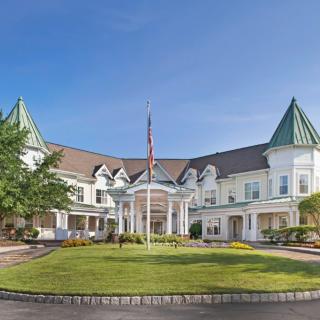
 Caring, attentive staff and engaging activities.

 Five Subtle Dementia Indicators to Observe: An In-Depth Guide to Understanding “Does My Mom Have Dementia?”
 Dementia, Paranoia, and Caregiver Guidance: Understanding the Connection
 Engaging Memory Care Activities That Enhance Quality of Life