Clark Nursing and Rehab Center offers a competitive monthly rate for private rooms at $3,200, which stands in marked contrast to the higher averages seen both in Union County, where the cost is approximately $7,358, and across New Jersey as a whole, which averages around $5,799. This pricing positions Clark Nursing and Rehab Center as an appealing option for individuals seeking quality care without the financial burden often associated with similar facilities in the region. By providing essential services at such a favorable rate, the center not only meets the needs of its residents but also alleviates some of the financial stress families may face when considering long-term care options.
Floor plans
Clark Nursing And Rehab Cntr
Union County
New Jersey
Private
$3,200
$7,358
$5,799
Skilled Nursing Facilities with a similar price nearby
Some residents and families report trouble getting timely help by phone and at the desk.
Several reviewers describe delayed or missed responses when they tried to reach staff, including long waits for basic help and difficulty getting anyone to answer phones. A few accounts also mention problems with nurse-station responsiveness and lack of follow-through after calls. Other reviews still highlight responsive care and frequent check-ins, so experiences appear mixed depending on timing and unit coverage.
caveat10 reviews mention this
Food quality is mixed
Dining reviews range from very good to cold or bland.
Some residents and families praise the food as delicious or very good, including meals that impressed them during visits. Others report food arriving cold or undercooked, describe it as awful or bland, or mention repeated issues with meals and diet orders. A review also points to missed meals due to kitchen mistakes, reinforcing that dining outcomes vary by person and situation.
common7 reviews mention this
Cleanliness and upkeep stand out
Many reviewers specifically mention the facility and rooms looking clean.
Multiple reviews describe a clean, welcoming building and clean rooms, with some families noting regular upkeep and housekeeping support. A smaller number of comments flag maintenance or cleaning problems, such as outdated conditions or specific issues with floors. Overall, the reviews suggest cleanliness is often a strong point, even though it is not universally consistent.
common26 reviews mention this
Caring, professional staff is common
Residents and families frequently describe the care team as caring, friendly, and professional.
A large share of reviewers say the staff treats residents with dignity and respect, and that the team is attentive to needs and updates families communicate with. Several also single out nursing, aides, and therapy staff as knowledgeable and supportive during rehab and recovery. At the same time, a few critical reviews call out inattentiveness and lack of compassion, so the overall theme is caring support with outliers.
How we summarize
Counts show how many written reviews mention each theme; a review can touch several themes, and only frequently mentioned themes are displayed.
Features
Housing
140 resident community capacity
Types of Care
Skilled Nursing Facility
Amenities
Air-conditioning
Beauty salon
Cable or satellite TV
Computer center
Dining room
Fitness room
Fully furnished
Gaming room
Garden
Housekeeping services
Kitchenette
Move-in coordination
Outdoor space
Private bathrooms
Restaurant-style dining
Small library
Telephone
Wellness center
Wi-Fi/high-speed internet available
Transportation
Newark International (9 miles away)
Community operated transportation
Transportation arrangement
Transportation arrangement (non-medical)
Transportation to doctors appointments
Care Services
12-16 hour nursing
24-hour call system
24-hour supervision
Activities of daily living assistance
Assistance with bathing
Assistance with dressing
Assistance with transfers
Diabetes diet
Meal preparation and service
Medication management
Mental wellness program
Special dietary restrictions
Dining
Diabetes diet
Special dietary restrictions
Activities
Community-sponsored activities
Concierge services
Fitness programs
Planned day trips
Resident-run activities
Scheduled daily activities
Nearby Places of Interest
Pharmacies
Walgreens (0.7 miles)
Walgreens (2 miles)
CVS Speciality (2.6 miles)
CVS Pharmacy (2.7 miles)
Walgreens (3.1 miles)
ACME Markets Pharmacy (4.1 miles)
Garden State Dispensary (4.2 miles)
Parks
Winfield Park (1.7 miles)
Ponderosa Farm Park (2.4 miles)
Milton Lake Park (2.4 miles)
Mindowaskin Park (2.5 miles)
Merrill Park (3.4 miles)
Forest Road Park (3.9 miles)
Columbia Park (7.5 miles)
Physicians
Premier Urology Group (2.6 miles)
Kenilworth Primary Care (3.7 miles)
Kartan Saritha Summit Medical Group Westfield (3.7 miles)
Merck (4.2 miles)
University Radiology Group (6.4 miles)
Raritan Bay Cardiology (6.8 miles)
Summit Medical Group (6.8 miles)
Transportation
NJT - Rahway Station (2.7 miles)
New Jersey Transit - Metropark Station (4.1 miles)
NJT - Metuchen Station (6.3 miles)
NJT - Summit Station (6.5 miles)
NJT - Short Hills Station (6.8 miles)
NJT - Millburn Station (6.9 miles)
NJT - Maplewood Station (7.6 miles)
Restaurants
Bond Street Cafe (3.1 miles)
Stage House Tavern (4.4 miles)
Big Shots Sports Bar & Grill (4.5 miles)
Jose Tejas (4.6 miles)
Scotchwood Diner (4.7 miles)
Wendy's (4.8 miles)
Hibachi Grill & Supreme Buffet (5.1 miles)
Cafes
Starbucks (4.4 miles)
Wegmans Food Markets (5.5 miles)
Starbucks (5.6 miles)
The Bread Stand (7.2 miles)
True Salvage Cafe (7.9 miles)
Panera Bread (8 miles)
Starbucks (8.1 miles)
Theaters
AMC DINE-IN Menlo Park 12 (5.6 miles)
2198 Amc Jersey Garden (8.3 miles)
Places of Worship
Church of the Little Flower (7.2 miles)
Morrow Memorial United Methodist Church (7.5 miles)
Our Lady of Fatima Roman Catholic Church (7.9 miles)
Hospitals
Hackensack Meridian Health Raritan Bay Medical Center (7.7 miles)
Clark Nursing and Rehab Center offers a competitive monthly rate for private rooms at $3,200, which stands in marked contrast to the higher averages seen both in Union County, where the cost is approximately $7,358, and across New Jersey as a whole, which averages around $5,799. This pricing positions Clark Nursing and Rehab Center as an appealing option for individuals seeking quality care without the financial burden often associated with similar facilities in the region. By providing essential services at such a favorable rate, the center not only meets the needs of its residents but also alleviates some of the financial stress families may face when considering long-term care options.
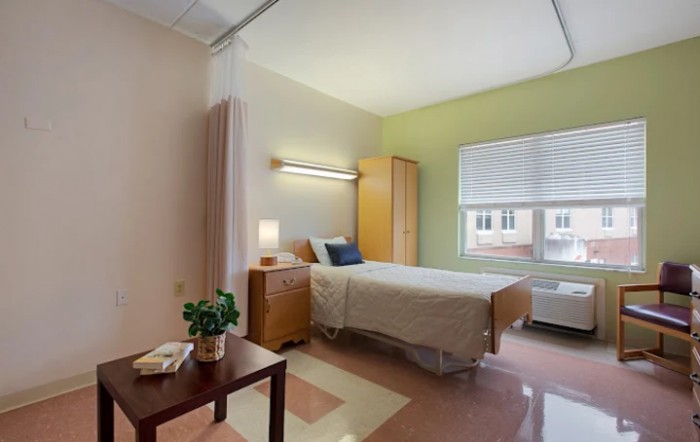
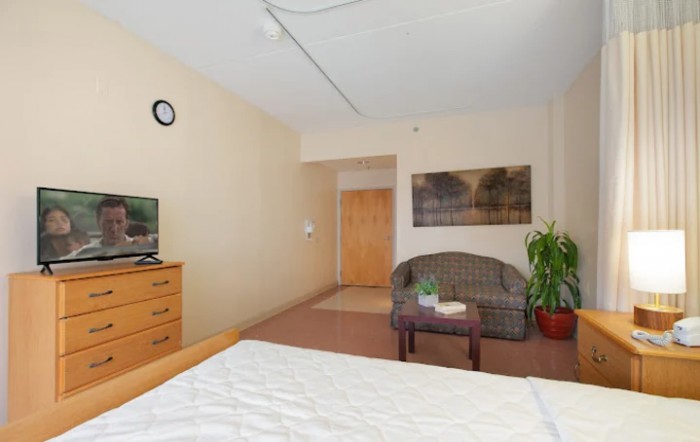
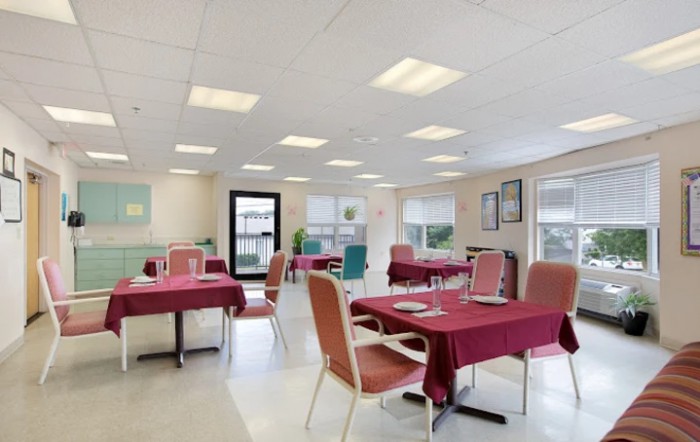
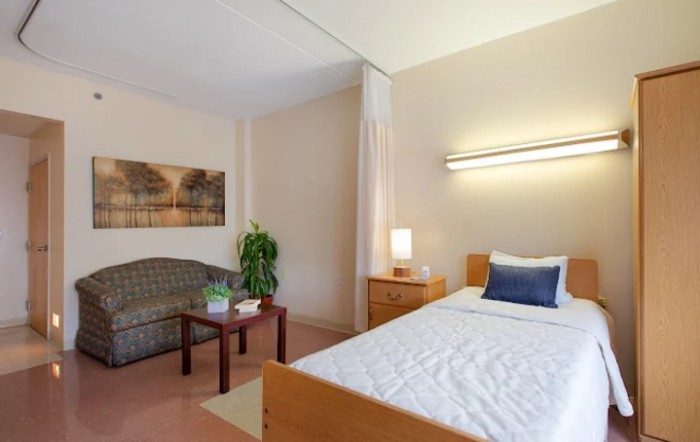
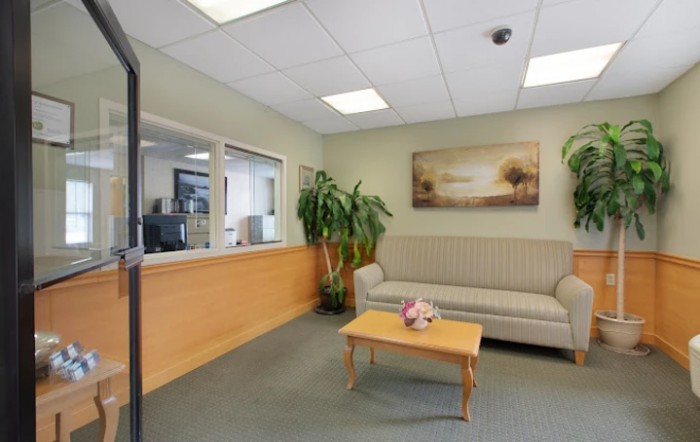
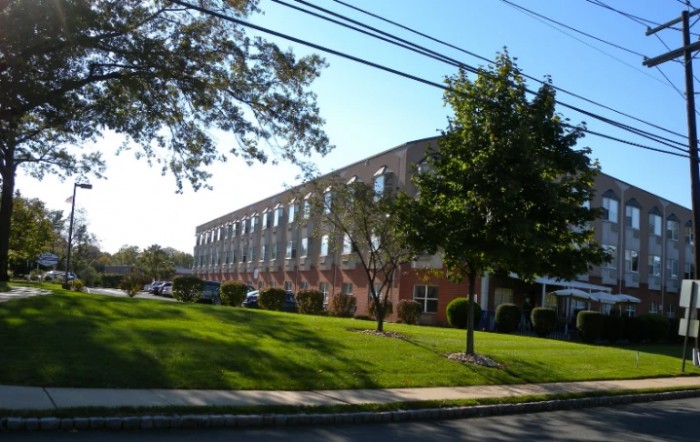
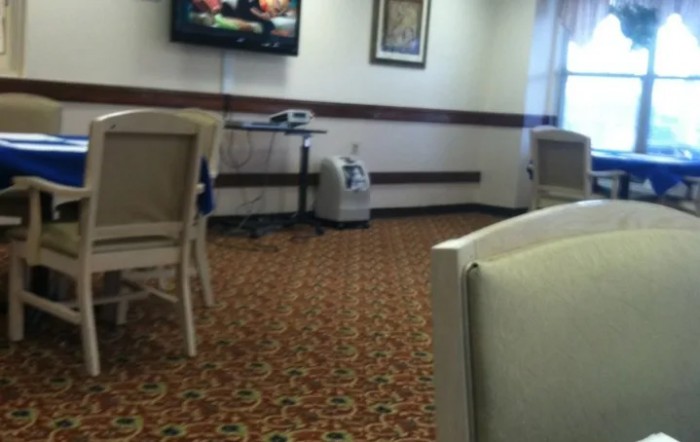
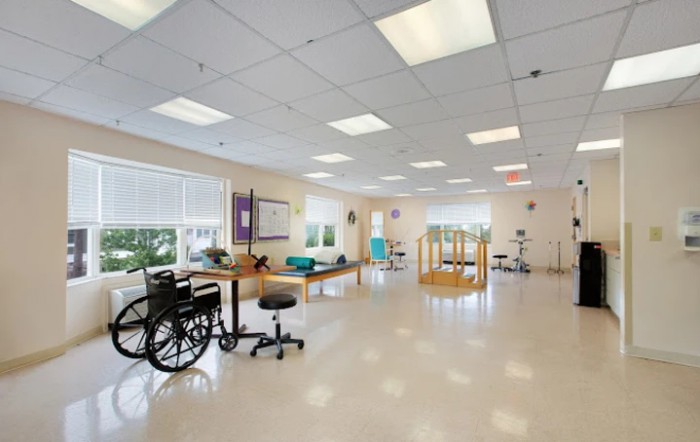
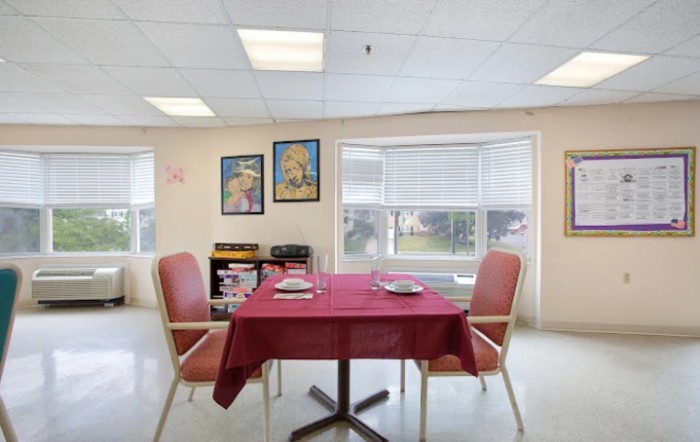
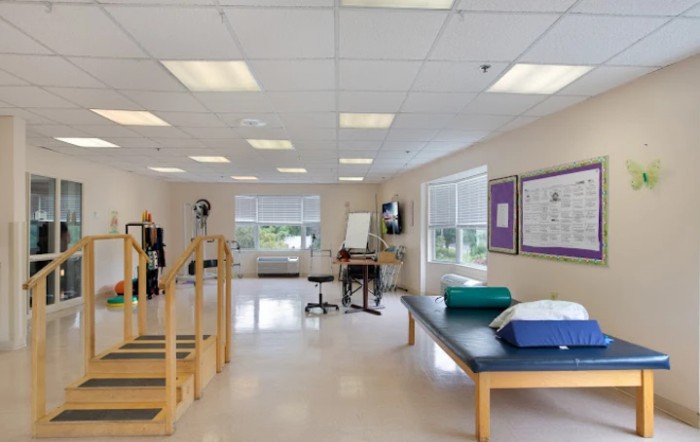
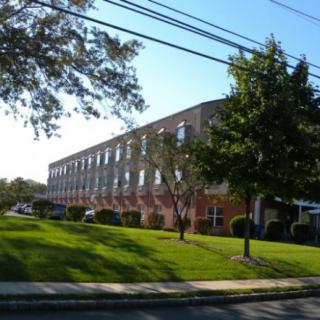
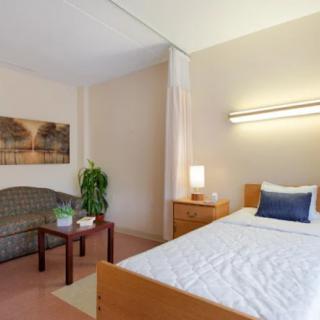
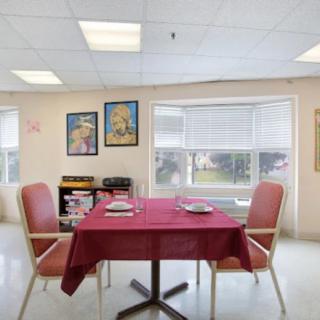
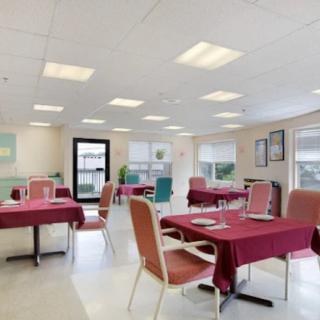
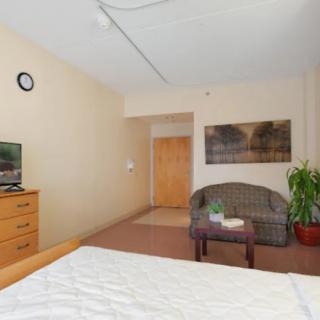
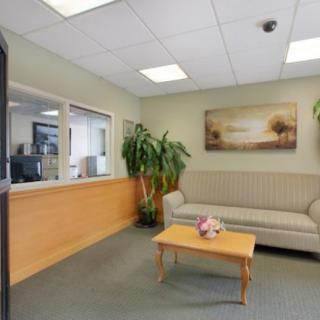
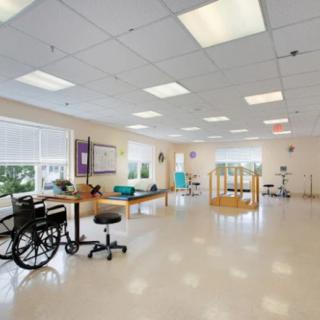
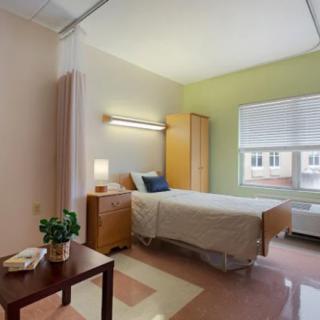
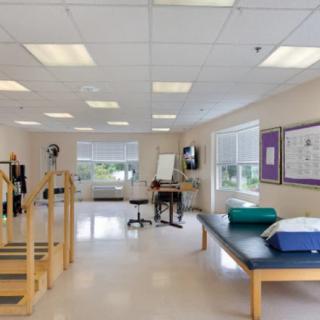
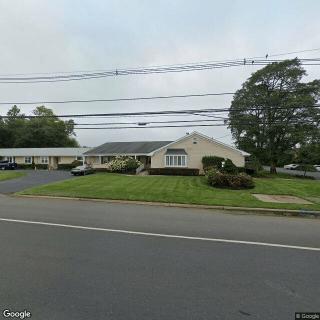
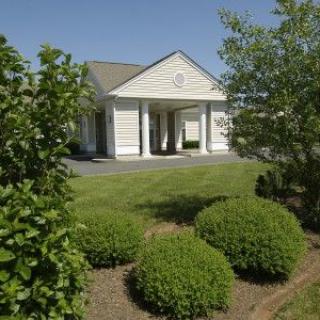
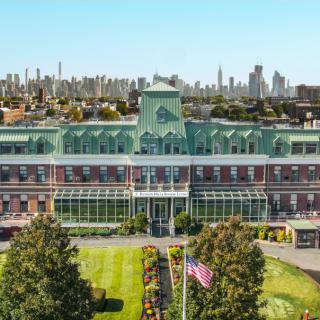
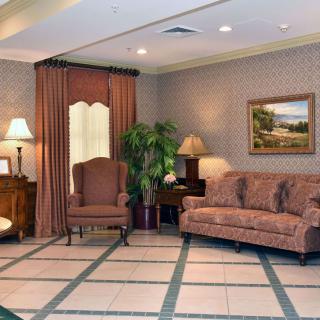
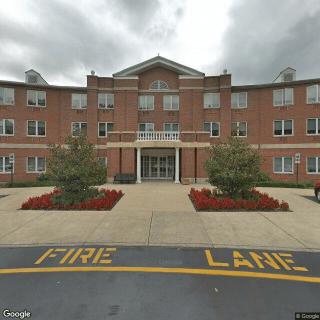
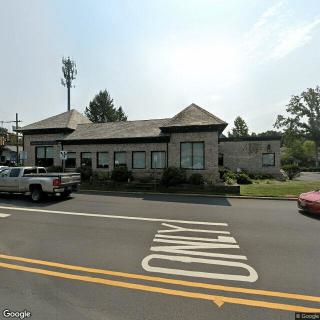
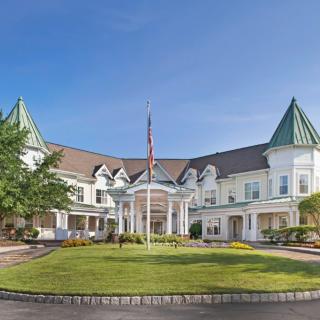
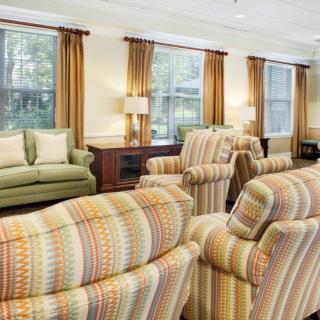
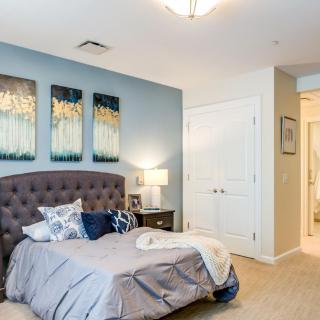
Clark Nursing And Rehab Cntr on seniors.fyi includes 10 photos including images showing interior, bedroom, dining, television, physical therapy, exercise equipment, therapy room, windows, and more.
Nearby Communities
Complete Care at Westfield
Westfield, NJ
4.6 from 128 reviews
Caring staff in a well-kept facility with engaging activities.
Westfield Center
Westfield, NJ
4.4 from 112 reviews
$9,360 to $9,840 / month
Excellent therapy staff and a clean, well-maintained environment.
Helping Hands Homecare
Clark, NJ
4.2 from 19 reviews
Caring, responsive staff with reliable caregiver coverage.
Family First Homecare
Westfield, NJ
4.1 from 11 reviews
Calm, comfortable senior living with convenient nearby amenities.
Enclave at Shackamaxon
Scotch Plains, NJ
4.4 from 7 reviews
Small, intimate community offering personalized care with access to nearby cafes, parks, pharmacies, and services.
Center For Hope Hospice
Scotch Plains, NJ
4.6 from 106 reviews
$2,900 / month
Studio pricing at $2,900/mo, significantly lower than nearby Union County and New Jersey averages.
Sunrise of Westfield
Westfield, NJ
4.4 from 68 reviews
$7,000 to $10,680 / month
Caring, attentive staff and engaging activities.
Brighton Gardens of Mountainside
Mountainside, NJ
4.3 from 93 reviews
$6,450 to $8,820 / month
Friendly, attentive staff with engaging activities and a strong memory care program.
Arbor Terrace Mountainside
Mountainside, NJ
4.6 from 101 reviews
$5,800 to $10,545 / month
Beautiful, well-maintained facility with caring staff and engaging activities.
Nursing home care costs in the U.S. vary significantly based on location, level of care, and amenities, with private room prices ranging from approximately $6,700 to over $30,000 monthly. Families need to explore various payment options and conduct thorough research to manage these expenses effectively.
Nonmedical home care provides assistance with daily activities and companionship for individuals wishing to maintain independence and quality of life at home, without medical intervention. Its growing popularity is driven by an aging population, the need for supportive environments for recovery, and the emotional benefits of caregiver companionship, while costs vary based on service frequency and location.
Maintaining cognitive fitness through engaging in various brain games, both traditional and digital, is crucial for seniors as it enhances memory retention, problem-solving abilities, and emotional well-being while helping to protect against age-related decline. A holistic approach that includes diverse activities, physical exercise, a balanced diet, and social interaction further supports mental health and cognitive function.
Exercise Equipment, Physical Therapy, and Therapy Room
Wall Art
Healthcare and Minimalist
Painting
Office
Plant
Indoor Plants
Wheelchair
Get PricingAsk A QuestionSchedule A TourContact Senior Advisor
By clicking submit, you agree to our Partner's Terms of Use. You
also consent to receive calls and texts, which may be autodialed, from our Partner. Your consent is not a condition to
using our Partner's service. Please visit our Partner's Privacy Policy for information about their privacy practices.

 140 resident community capacity
 Skilled Nursing Facility
 Air-conditioning
 Beauty salon
 Cable or satellite TV
 Computer center
 Dining room
 Fitness room
 Fully furnished
 Gaming room
 Garden
 Housekeeping services
 Kitchenette
 Move-in coordination
 Outdoor space
 Private bathrooms
 Restaurant-style dining
 Small library
 Telephone
 Wellness center
 Wi-Fi/high-speed internet available
 Newark International (9 miles away)
 Community operated transportation
 12-16 hour nursing
 24-hour call system
 Activities of daily living assistance
 Assistance with bathing
 Assistance with dressing
 Assistance with transfers
 Diabetes diet
 Medication management
 Mental wellness program
 Special dietary restrictions
 Concierge services
 Planned day trips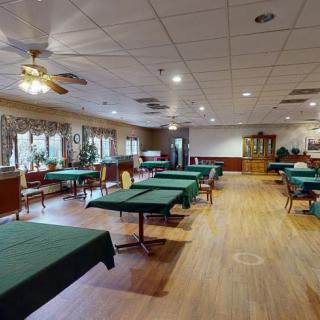
 Caring staff in a well-kept facility with engaging activities.
 A Detailed Examination of Nursing Home Costs Across the U.S.
 Exploring Nonmedical Home Care: Understanding Services, Costs, and Financial Approaches
 Engaging Brain Games and Innovative Apps to Keep Senior Minds Active