For more information about senior living options: (866) 208-4318
2.7 from 120 reviews
5 stars
49
4 stars
2
3 stars
1
2 stars
1
1 stars
67
Overall Review of Bergen New Bridge Medical Center
differentiator8 reviews mention this
Recovery support for sobriety stands out
Residents describe strong recovery support that helps them stay engaged and motivated.
Several residents highlight the recovery-focused environment as a reason they felt supported during detox and longer-term recovery. Reviews mention staff who offer resources, encourage participation, and provide group or program guidance, including counseling-style support for maintaining sobriety. Some also credit the community with helping them keep appointments and follow through with next steps. A few reviews describe specific staff members at the recovery center as especially helpful.
caveat11 reviews mention this
Care and communication draw sharp criticism
Multiple reviewers say communication and coordination problems undermined their care.
A substantial number of reviews describe communication breakdowns, including delays, not returning calls, and difficulty getting clear answers. Some residents and families mention problems with follow-through after appointments, including medication or record handling and needing to repeatedly contact staff. Others describe interactions with security or front-desk staff as unprofessional or rude. Taken together, reviewers portray care as inconsistent—where some individuals praised specific caregivers, others felt unsupported or dismissed.
caveat5 reviews mention this
Cleanliness and condition concerns recur
Some reviews raise recurring concerns about cleanliness and physical upkeep.
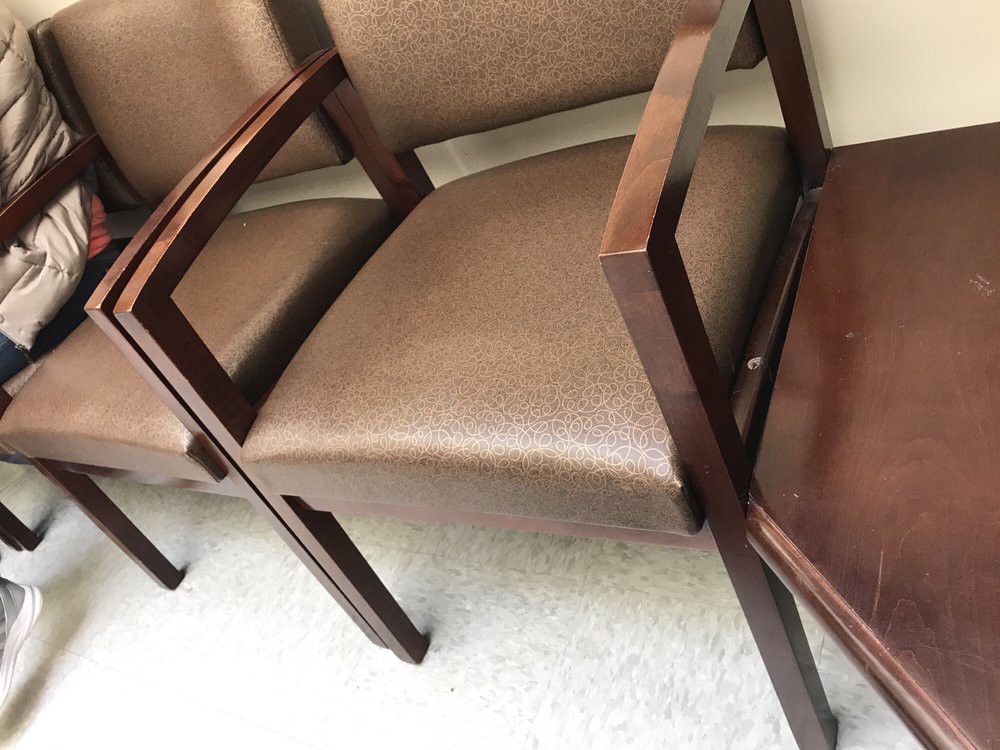
Several residents describe the facility as dirty or not well maintained, including mentions of unpleasant odors and unsanitary conditions in rooms or common areas. Other reviews mention issues with the building environment—such as confusion, a creepy layout, or maintenance problems that affected their experience. A few reviews specifically call out that their ward or recovery spaces were not clean during their stay. These accounts stand in contrast to the more positive comments from other residents who praised the cleanliness.
caveat6 reviews mention this
Billing and payment issues upset families
Reviewers frequently report billing and payment frustrations after receiving care.
Some families describe unexpected or disputed charges, including repeated bills, incorrect amounts, or billing that continued after care ended. Others mention financial stress tied to administrative issues, such as delayed Medicaid submission or delayed billing resolution. Several reviews also express difficulty paying and frustration with how billing questions were handled. While some residents praised medical care, billing-related complaints appear often and are a consistent source of dissatisfaction.
How we summarize
Counts show how many written reviews mention each theme; a review can touch several themes, and only frequently mentioned themes are displayed.
Features
Housing
574 resident community capacity
Types of Care
Skilled Nursing Facility
Amenities
Air-conditioning
Beauty salon
Cable or satellite TV
Computer center
Dining room
Fitness room
Fully furnished
Gaming room
Garden
Housekeeping services
Kitchenette
Move-in coordination
Outdoor space
Private bathrooms
Restaurant-style dining
Small library
Telephone
Wellness center
Wi-Fi/high-speed internet available
Transportation
LaGuardia (16 miles away)
Newark International (19 miles away)
Westchester Cty (20 miles away)
Community operated transportation
Transportation arrangement
Transportation arrangement (non-medical)
Transportation to doctors appointments
Care Services
12-16 hour nursing
24-hour call system
24-hour supervision
Activities of daily living assistance
Assistance with bathing
Assistance with dressing
Assistance with transfers
Diabetes diet
Meal preparation and service
Medication management
Mental wellness program
Special dietary restrictions
Dining
Diabetes diet
Special dietary restrictions
Activities
Community-sponsored activities
Concierge services
Fitness programs
Planned day trips
Resident-run activities
Scheduled daily activities
Nearby Places of Interest
Restaurants
Popeyes Louisiana Kitchen (1.5 miles)
Suburban Diner (1.6 miles)
McDonald's (1.7 miles)
The Capital Grille (2.7 miles)
Van Dyke Ice Cream (3.7 miles)
Houston's (3.9 miles)
Park Wood Deli (4.3 miles)
Parks
Van Saun County Park (1.9 miles)
Saddle River County Park - Dunkerhook Area (1.9 miles)
Saddle River County Park (2.4 miles)
Paterson Great Falls National Historical Park (6.7 miles)
Flat Rock Brook Nature Center (7.5 miles)
Rutherford Memorial Park (8.3 miles)
Pharmacies
CVS Pharmacy (2.7 miles)
CVS Pharmacy (2.9 miles)
CVS Pharmacy (3.1 miles)
CVS Pharmacy (3.6 miles)
CVS Pharmacy (3.7 miles)
Franklyn's Pharmacy (3.9 miles)
CVS Pharmacy (3.9 miles)
Hospitals
The Valley Hospital (2.8 miles)
Hackensack Meridian Health Pascack Valley Medical Center (3.2 miles)
Holy Name Medical Center (5.7 miles)
St Joseph's Regional Medical Center (6.5 miles)
Theaters
Dreamscape at AMC Garden State Plaza (2.9 miles)
AMC DINE-IN Shops At Riverside 9 (3.9 miles)
Places of Worship
All Saints Episcopal Church (3.2 miles)
Community Church Of Glen Rock (3.2 miles)
Hawthorne Gospel Church (5.2 miles)
Clifton Blue Mosque (7.1 miles)
Good Shepherd Lutheran Church (7.7 miles)
Bais Torah U'tefilah (7.9 miles)
St Pauls Parish (8.1 miles)
Physicians
Kayal Orthopedic - Westwood (3.2 miles)
Tenafly Pediatrics (5.4 miles)
Park Medical Group PA (5.7 miles)
Christian Health Care Center () (6 miles)
Paterson Community Health Center (6.1 miles)
Women's Total Health of Woodcliff Lake (6.2 miles)
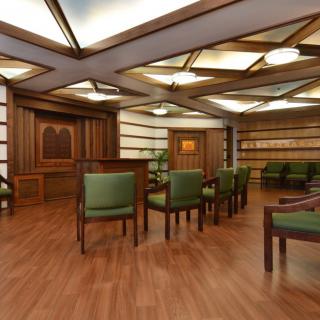
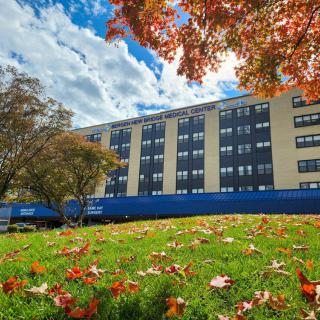
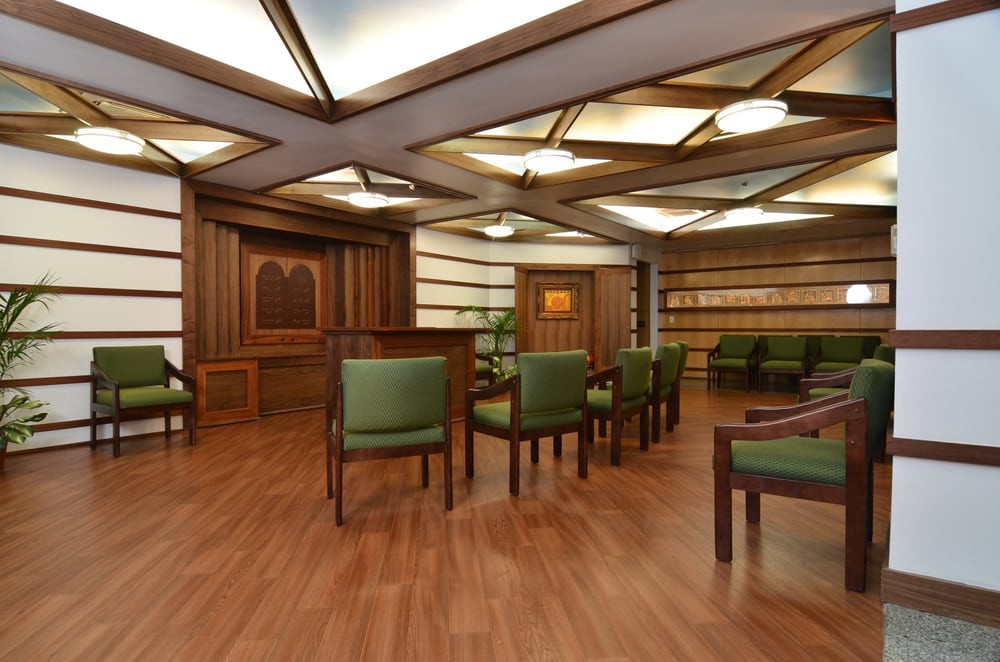
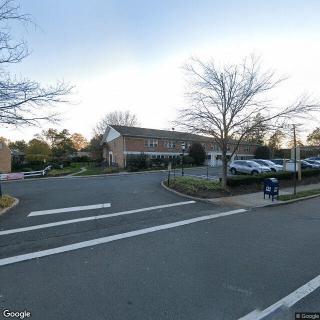
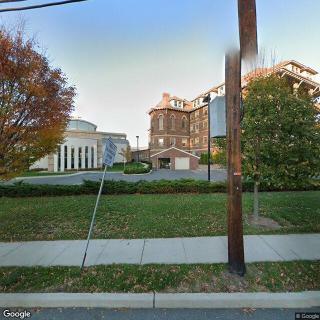
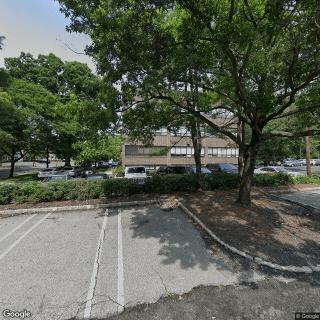
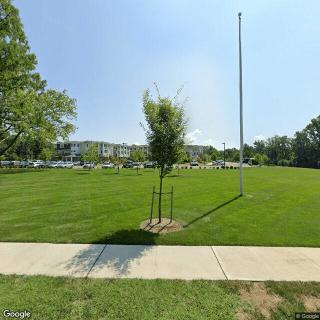
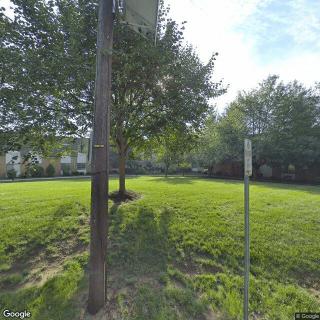
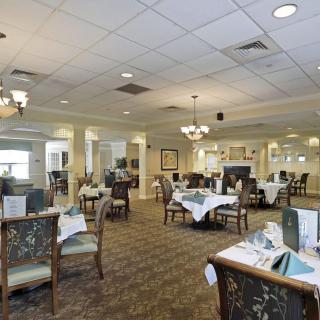
Bergen New Bridge Medical Center on seniors.fyi includes 9 photos including images showing conference room, meeting room, wood paneling, bookshelves, outdoors, park, nature, garden, and more.
Nearby Communities
N J Veterans Mem Home Paramus
Paramus, NJ
3.5 from 35 reviews
Beautifully furnished, well-equipped facility with comprehensive on-site care and amenities.
Dellridge Health & Rehabilitation Center
Paramus, NJ
4.5 from 116 reviews
Comprehensive amenities and care services, including on-site beauty, restaurant-style dining, transportation, and a full activities program.
CareOne at Ridgewood Ave
Paramus, NJ
4.2 from 114 reviews
Attentive staff and effective physical therapy in a clean, well-kept facility.
Homewatch Caregivers of Paramus
Paramus, NJ
4.7 from 19 reviews
Excellent access to nearby amenities (cafes, parks, pharmacies, physicians' offices, restaurants, transportation, places of worship, theaters, and hospitals).
Mount Saint Andrew Villa
Paramus, NJ
Peaceful, comfortable setting with easy access to healthcare, dining, transportation, and parks.
Senior Helpers - Paramus, NJ
Paramus, NJ
4.7 from 21 reviews
Very convenient location with abundant nearby amenities.
Brightview Paramus
Paramus, NJ
4.5 from 112 reviews
Beautiful, well-maintained facility with attentive staff and varied activities.
CareOne at Oradell
Oradell, NJ
4.8 from 129 reviews
Clean, bright facility with caring staff and strong rehabilitation services.
Juniper Village at Paramus
Paramus, NJ
4.6 from 117 reviews
$3,995 to $9,065 / month
Engaged staff, varied activities, and a clean, welcoming community.
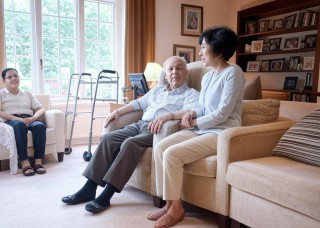
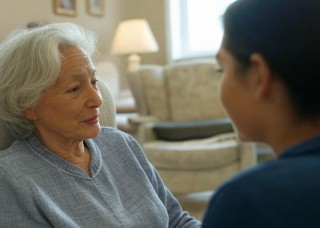
Linda's caregiving journey for her elderly mother, Joan, is marked by deep love and challenges as she navigates health changes, emotional support, and practical arrangements while learning to prioritize self-care and utilize community resources. Their evolving relationship highlights resilience and the universal themes of empathy and preparedness in caregiver experiences.
The article clarifies common misconceptions about Powers of Attorney (POA), highlighting the necessity of the principal's consent, the limitations on an agent's authority, and the importance of mental capacity when signing. It also distinguishes between various types of POAs, addresses concerns about potential abuse, and emphasizes the need for legal consultation to ensure valid and up-to-date documents.
Interior, Bookshelves, Conference Room, Meeting Room, and Wood Paneling
Building, Trees, Grass, and Clouds
Garden and Nature
Outdoors and Park
Healthcare
Additional Photos
Get PricingAsk A QuestionSchedule A TourContact Senior Advisor
By clicking submit, you agree to our Partner's Terms of Use. You
also consent to receive calls and texts, which may be autodialed, from our Partner. Your consent is not a condition to
using our Partner's service. Please visit our Partner's Privacy Policy for information about their privacy practices.


 574 resident community capacity
 Skilled Nursing Facility
 Air-conditioning
 Beauty salon
 Cable or satellite TV
 Computer center
 Dining room
 Fitness room
 Fully furnished
 Gaming room
 Garden
 Housekeeping services
 Kitchenette
 Move-in coordination
 Outdoor space
 Private bathrooms
 Restaurant-style dining
 Small library
 Telephone
 Wellness center
 Wi-Fi/high-speed internet available
 LaGuardia (16 miles away)
 Community operated transportation
 12-16 hour nursing
 24-hour call system
 Activities of daily living assistance
 Assistance with bathing
 Assistance with dressing
 Assistance with transfers
 Diabetes diet
 Medication management
 Mental wellness program
 Special dietary restrictions
 Concierge services
 Planned day trips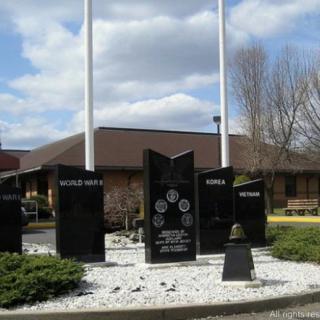
 Beautifully furnished, well-equipped facility with comprehensive on-site care and amenities.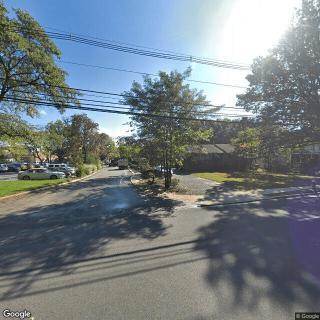
 Nurturing Our Loved Ones: A Daughter's Journey in Caring for Her Mother
 Nurturing Our Elders: Linda's Journey of Supporting Her Mother
 A Comprehensive Exploration of Common Misunderstandings about Powers of Attorney