Riverfront Rehabilitation And Healthcare Center in Pennsauken, NJ

Save

  • Interior

    A modern lounge area featuring a sofa, turquoise chairs, and round tables with elegant wood paneling.
  • Decor

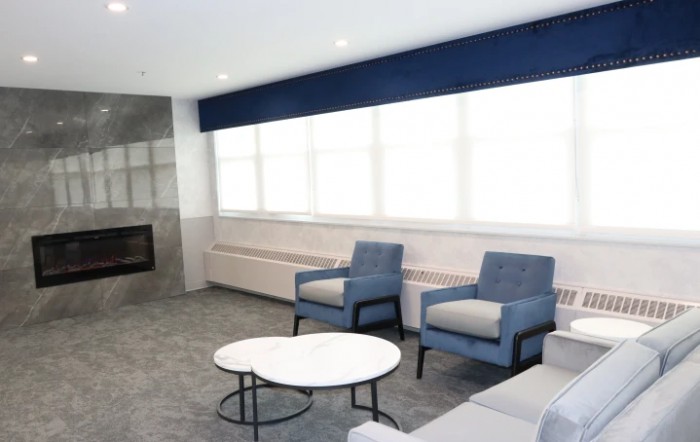
    A modern living room with blue chairs, a round coffee table, and large windows.
  • Building

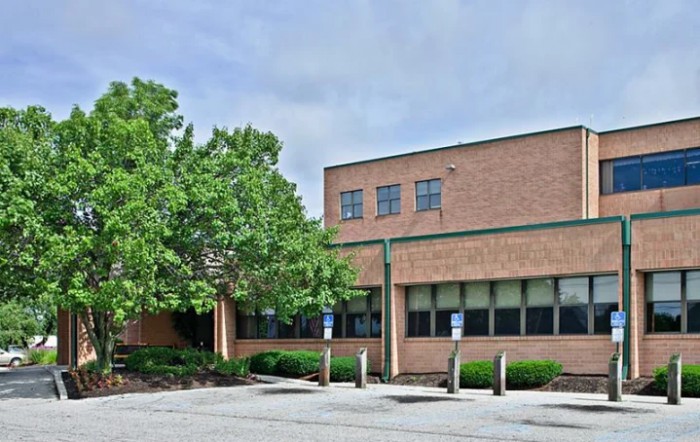
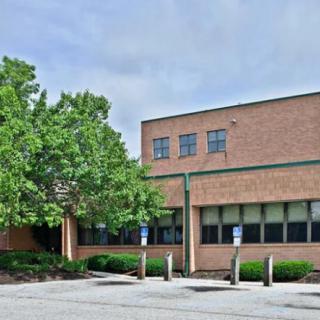
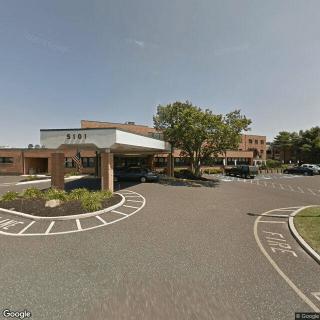
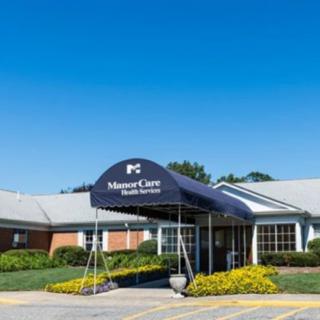
    A brick building with large windows and a tree in front, adjacent to a parking lot.
  • Bedroom

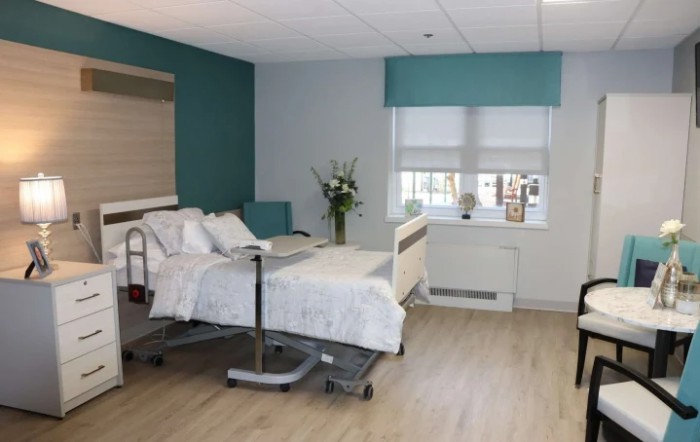
    A modern and clean hospital room with a single bed and window.
  • Office

    A spacious, modern conference room with desks and chairs.
  • Lights

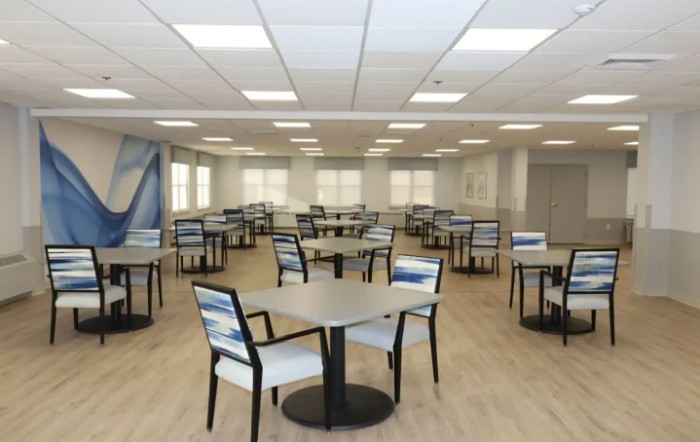
    An empty cafeteria with neatly arranged tables and chairs, illuminated by overhead lighting.

Riverfront Rehabilitation And Healthcare Center in Pennsauken, NJ

Information last verified:

5101 North Park Drive, Pennsauken, NJ 08109

For more information about senior living options: (844) 490-3973

3.9 from 110 reviews
5 stars
63
4 stars
16
3 stars
6
2 stars
3
1 stars
22

Overall Review of Riverfront Rehabilitation And Healthcare Center

Pros

  • pro The staff were wonderful and caring, always checking on residents.
  • pro Physical therapy was very helpful.
  • pro The facility was clean.
  • pro The food was great.
  • pro They are there for the residents.
  • pro The staff took the time to listen to what’s really going on.
  • pro Residents were treated with dignity and respect.
  • pro The therapy team was amazing and helped residents get back to their families.
  • pro The building was bright, welcoming, and well maintained.
  • pro Bilingual staff helped with language barriers.
  • pro Front desk and administration were helpful and accommodating.
  • pro Activities kept residents busy and engaged.

Cons

  • pro They describe Riverfront as dirty and smelling of urine, with insects like ants and roaches in the rooms.
  • pro They claim the staff are understaffed, inattentive, and frequently do not answer call bells in a timely manner.
  • pro They allege the social worker and administration delay discharges to extend stays or for financial reasons.
  • pro They say the food is inedible, unappetizing, or served cold.
  • pro They report personal belongings (clothes, dentures, glasses) going missing or being misplaced.
  • pro They describe broken or poorly maintained equipment and unsafe conditions, such as broken beds and lack of proper railings.
  • pro They recount instances of neglect or abusive behavior by some staff and unprofessional management.
  • pro They warn others not to send a loved one there, calling it a bad experience or even a death sentence.
  • pro They mention poor infection control and pervasive odors contributing to a negative environment.

Review

Riverfront Rehabilitation and Healthcare Center in Pennsauken is best suited for families seeking an aggressive short-term rehab option where bright, activity-rich surroundings and strong physical therapy are prioritized. The facility tends to shine for residents who want a structured rehabilitation trajectory with daily therapy, approachable nursing staff, and language support that helps bridge communication gaps. It works well for those who value a lively atmosphere, regular activities, and the feeling of being part of a community while recovering. This is not a facility for those demanding flawless consistency in every facet of care; it excels when therapy momentum and personable staff are the core expectations. Families with a loved one who can thrive on intensive rehab and a positive social environment will find Riverfront particularly compelling.

Those weighing alternatives should consider if constant, vigilant monitoring is non-negotiable. A number of reviews flag episodes of understaffing, delayed responses to call bells, and instances of limited bedside attention, which can be a serious drawback for residents with high medical needs or fragile mobility. Families concerned about cleanliness and maintenance in the rooms, or about the rigorous oversight of medications and discharge planning, may want to compare Riverfront’s track record with other facilities that emphasize consistent staffing ratios and stronger, more standardized housekeeping. Residents who require meticulous, predictable routines, or who anticipate ongoing challenges with infection control and safety, may be better served by facilities with a longer-established cadence of risk management and punitive corrective action when lapses occur.

On the upside, the strongest draw is the rehabilitation team. Physical therapy and occupational therapy are repeatedly praised for skill, dedication, and outcomes. Critics of rehab rarely dispute the professional competence of the therapists, and many patients leave Riverfront with tangible gains and renewed independence. The nursing and aide corps is also a frequent point of praise when staff are aligned with families and residents, providing attentive care and clear communication. Bilingual staff and language-access efforts emerge as a meaningful asset for residents and families navigating medical questions and care plans. When therapy and daily care are well coordinated, the result is a recovery arc that makes the overall stay feel value-driven and purposefully paced toward home.

The facility’s ambiance and daily life programs also work in its favor. Cleanliness and a generally welcoming environment, bright lobbies, accessible therapies spaces, and a calendar of activities, contribute to a sense of safety and engagement. Residents frequently report feeling respected and included, with staff who go above and beyond to tailor activities, therapy sessions, and social interactions to individual mood and needs. The presence of outdoor spaces, comfortable lounges, and opportunities to participate in a broad spectrum of recreation helps counterbalance the demanding rehab schedule and supports both physical and emotional recovery. Such strengths can offset occasional service gaps when the care team is aligned and consistent.

Yet the most consequential concerns cluster around staffing stability and care consistency. The most troubling reviews describe under-staffing, erratic response times to call bells, and episodes where basic cleanliness and room maintenance fall short. Several accounts allege gaps in discharge planning, with social workers slow to authorize transfers or navigate insurance processes, and a few patients report lost belongings or misapplied dietary restrictions. Medications and routine care occasionally appear mishandled or inconsistently administered, raising red flags for families that prioritize meticulous clinical oversight. These isues do not define Riverfront, but they are the failure points that must be weighed heavily when evaluating placement, especially for residents with complex medical or cognitive needs.

When making a decision, families should verify several practical factors before committing. Request a detailed outline of the therapy schedule, staffing ratios by shift, and the specific therapists assigned to the resident. Ask to meet the social worker who will oversee discharge planning and to review recent discharge timelines and policies. Inspect a few rooms to assess cleanliness, odors, and maintenance readiness, and inquire about pest control and housekeeping routines. Confirm dietary options, meal quality, and the flexibility to accommodate dietary restrictions. Finally, seek transparency about incident reporting, medication management procedures, and safeguards around personal belongings. A trial period or clearly defined milestones can help determine whether Riverfront’s strengths align with a resident’s needs.

In sum, Riverfront combines a robust rehab ecosystem with a welcoming, multifaceted environment, and it remains a strong choice for families prioritizing rapid, well-supported rehabilitation and engaging daily life. However, the facility’s best outcomes hinge on reliable staffing, rigorous oversight, and consistent cleanliness, elements that are variably reported in reviews. For residents whose care demands are moderate and whose families can participate actively in care planning and monitoring, Riverfront offers a compelling path to recovery and return home. For those who require unwavering, 24/7 attentiveness, ironclad infection control, and flawless operational consistency, exploring alternatives with a steadier staffing model and a stronger track record in safety and discharge coordination is prudent. The decision should rest on a candid assessment of risk tolerance, care needs, and the degree to which therapy-driven recovery can be sustained by a care team that is consistently present and meticulously administered.

Features

Housing

  • 180 resident community capacity 180 resident community capacity

Types of Care

  • Skilled Nursing Facility Skilled Nursing FacilitySkilled Nursing Facilities are crucial for seniors as they provide round-the-clock medical care, rehabilitation services, and assistance with daily activities. These facilities ensure that seniors receive the specialized care they need to maintain their health and well-being as they age.

Amenities

  • Air-conditioning Air-conditioningAir conditioning is important for seniors as they are more vulnerable to heat-related illnesses and may have underlying health conditions that make it difficult for them to regulate their body temperature. It helps to keep them comfortable, safe, and healthy in hot weather.
  • Beauty salon Beauty salonBeauty salons are important for seniors because they provide a space for them to feel pampered, socialize, and maintain their personal grooming and hygiene. Regular visits to a beauty salon can help boost seniors' self-esteem and overall well-being.
  • Cable or satellite TV Cable or satellite TVCable or satellite TV is important for seniors because it provides entertainment, news, and companionship, helping to combat loneliness and boredom. It also offers a wide range of programming options tailored to different interests and preferences.
  • Computer center Computer centerA computer center is essential for seniors as it provides access to technology, communication tools, and resources that can enhance their daily lives. It allows them to stay connected with loved ones, engage in online activities, and learn new skills, ultimately promoting socialization and mental stimulation.
  • Dining room Dining roomDining rooms are important for seniors as they provide a space for socialization, connection, and nutritious meals. They offer opportunities for residents to bond over shared meals, foster a sense of community, and promote healthy eating habits. Dining rooms also ensure that seniors have access to well-balanced meals tailored to their dietary needs and preferences.
  • Fitness room Fitness roomHaving a fitness room in a senior living community is essential for seniors to stay active, maintain their physical health, and improve their overall well-being. Regular exercise can help prevent falls, reduce the risk of chronic diseases, and promote mental sharpness. It also provides social opportunities for residents to connect with others and enjoy a sense of community.
  • Fully furnished Fully furnishedFully furnished senior living communities are important for seniors because they provide convenience, comfort, and a hassle-free moving experience. Seniors can easily settle into their new living space without the stress of having to buy and move furniture. This allows them to focus on enjoying their new home and community.
  • Gaming room Gaming roomGaming rooms are important for seniors as they provide a fun and engaging environment for socializing, cognitive stimulation, and physical activity. Games can improve memory, problem-solving skills, and overall mental well-being while fostering friendships and reducing feelings of isolation.
  • Garden GardenGardens are important for seniors as they provide a peaceful and therapeutic environment for relaxation, physical activity, and socialization. Being in nature has been shown to reduce stress, improve mood, and promote overall well-being. Gardens also offer opportunities for seniors to engage in gardening activities, which can improve mobility, flexibility, and cognitive function. Additionally, gardens create a sense of community and connection with others who share a passion for plants and outdoor spaces.
  • Housekeeping services Housekeeping servicesHousekeeping services are important for seniors because they help maintain a clean and safe living environment, promote independence, and reduce the risk of accidents or illnesses. Additionally, having assistance with household chores can alleviate physical strain and allow seniors to focus on other aspects of their well-being.
  • Kitchenette KitchenetteKitchenettes are important for seniors living in senior living communities because they provide the convenience and independence of being able to prepare simple meals and snacks in the comfort of their own living space. This can help promote a sense of autonomy and well-being for seniors, allowing them to maintain some level of control over their dietary choices and daily routines.
  • Move-in coordination Move-in coordinationMove-in coordination is important for seniors because it helps ease the transition into their new living environment. It ensures that all logistics, such as packing, organizing movers, and setting up utilities are taken care of, allowing seniors to focus on settling in and adjusting to their new home. Having a smooth move-in process can alleviate stress and anxiety, making the transition smoother and more enjoyable for seniors.
  • Outdoor space Outdoor spaceOutdoor spaces are important for seniors as they provide opportunities for physical activity, social interaction, exposure to natural light and fresh air, and a sense of connection to nature. Having access to outdoor spaces can improve overall well-being and quality of life for older adults living in senior communities.
  • Private bathrooms Private bathroomsPrivate bathrooms are important for seniors in senior living communities because they provide independence, dignity, and comfort. Having a private bathroom allows seniors to maintain their personal hygiene routines without the need for assistance, promoting a sense of autonomy and privacy. Additionally, private bathrooms help prevent the spread of infections and provide a safe and clean environment for seniors to navigate safely.
  • Restaurant-style dining Restaurant-style diningRestaurant-style dining is important for seniors because it allows them to enjoy delicious, nutritious meals in a social and upscale setting. This enhances their dining experience, promotes healthy eating habits, and fosters socialization with fellow residents, ultimately contributing to their overall well-being and quality of life.
  • Small library Small librarySmall libraries are important for seniors as they provide access to a variety of reading materials, including books, newspapers, and magazines. This can help stimulate their minds, keep them engaged, and provide a sense of community through book clubs and other social activities. Additionally, reading has been shown to improve cognitive function and overall mental well-being in older adults.
  • Telephone TelephoneTelephones are important for seniors as they provide a lifeline for communication with loved ones, emergency services, and healthcare providers. They offer a sense of security and independence, enabling seniors to stay connected and access assistance when needed.
  • Wellness center Wellness centerWellness centers are important for seniors because they offer a variety of programs and services that promote physical, mental, and emotional well-being. These centers provide opportunities for exercise, socialization, education, and relaxation, helping seniors maintain their overall health and quality of life.
  • Wi-Fi/high-speed internet available Wi-Fi/high-speed internet availableWi-Fi/high-speed internet is important for seniors to stay connected with loved ones, access online resources, and participate in virtual activities to combat feelings of loneliness and isolation. It also allows them to easily manage healthcare needs, access entertainment, and engage in lifelong learning opportunities.

Transportation

  • Philadelphia International (10 miles away) Philadelphia International (10 miles away)
  • Community operated transportation Community operated transportationCommunity operated transportation is crucial for seniors as it provides them with the means to access essential services, social activities, and medical appointments. It allows seniors to maintain their independence and quality of life by ensuring they can participate in activities outside of their homes. Additionally, community-operated transportation services offer a safe and reliable way for seniors to travel without having to rely on family or friends for assistance.
  • Transportation arrangement Transportation arrangementTransportation arrangements are crucial for seniors as they may face challenges with driving, mobility, or access to public transportation. Having reliable transportation services ensures that seniors can easily attend appointments, social activities, and maintain their independence and quality of life.
  • Transportation arrangement (non-medical) Transportation arrangement (non-medical)Transportation arrangements are essential for seniors as they provide access to essential services, activities, and social interactions outside the home. This service helps maintain independence, mobility, and overall well-being for seniors who may have limited transportation options.
  • Transportation to doctors appointments Transportation to doctors appointmentsTransportation to doctors appointments is crucial for seniors as it ensures they have access to necessary medical care and support, promoting their health and well-being. It allows them to receive timely treatment, monitor existing conditions, and address any new health concerns efficiently. Additionally, transportation services can help seniors maintain their independence and quality of life by enabling them to stay connected with their healthcare providers.

Care Services

  • 12-16 hour nursing 12-16 hour nursing12-16 hour nursing care is crucial for seniors in order to ensure around-the-clock monitoring, timely medication administration, and prompt response to any health concerns or emergencies. This level of care helps to promote the overall well-being and safety of seniors living in senior living communities.
  • 24-hour call system 24-hour call system24-hour call systems are important for seniors because they provide peace of mind and immediate assistance in case of emergencies. This technology ensures that help is always available, promoting safety and security for elderly individuals living alone or in assisted living facilities.
  • 24-hour supervision 24-hour supervision24-hour supervision is important for seniors to ensure their safety, well-being, and access to immediate assistance in case of emergencies or health issues. This constant support provides peace of mind for both seniors and their loved ones, allowing them to age in place with dignity and security.
  • Activities of daily living assistance Activities of daily living assistanceActivities of daily living assistance are important for seniors because they provide essential support with tasks such as eating, bathing, dressing, and mobility. This assistance helps seniors maintain their independence, dignity, and overall quality of life as they age.
  • Assistance with bathing Assistance with bathingAssistance with bathing is crucial for seniors as it helps maintain personal hygiene, prevents infections, and ensures their overall well-being and comfort. It also provides a sense of dignity and independence for seniors who may struggle with this task on their own.
  • Assistance with dressing Assistance with dressingAssistance with dressing is important for seniors because it helps maintain their independence, promotes personal hygiene, prevents accidents and injuries, and improves overall quality of life. This service ensures that seniors can continue to dress comfortably and confidently, despite any physical limitations they may have.
  • Assistance with transfers Assistance with transfersAssistance with transfers is crucial for seniors as it helps prevent falls and injuries, maintains their independence, and ensures they can safely navigate their living environment. It also provides peace of mind for both seniors and their loved ones.
  • Diabetes diet Diabetes dietA diabetes diet is crucial for seniors as it helps manage blood sugar levels, reduce risks of complications, and improve overall health and well-being. By following a balanced and nutritious diet tailored to their specific needs, seniors can better control their diabetes and enhance their quality of life.
  • Meal preparation and service Meal preparation and serviceMeal preparation and service are crucial for seniors as they may have limited mobility or energy to cook nutritious meals. Having access to healthy and convenient food options can ensure they are getting the proper nutrition needed to maintain their overall health and well-being.
  • Medication management Medication managementMedication management is crucial for seniors to ensure they are taking the right medications at the correct dosages and times. This helps prevent adverse drug interactions, reduces the risk of medication errors, and promotes overall health and well-being. Proactive management also allows for adjustments as needed based on changing health conditions or new prescriptions.
  • Mental wellness program Mental wellness programMental wellness programs are essential for seniors as they promote cognitive stimulation, emotional support, and social engagement. These programs help prevent isolation, depression, and cognitive decline, ultimately enhancing the overall quality of life for older adults.
  • Special dietary restrictions Special dietary restrictionsSpecial dietary restrictions are important for seniors because age-related changes in metabolism and health conditions can make it difficult for their bodies to process certain foods. By following a diet tailored to their specific needs, seniors can maintain their overall health and well-being, manage chronic conditions, and reduce the risk of complications such as malnutrition or food interactions with medications.

Dining

  • Diabetes diet Diabetes dietA diabetes diet is crucial for seniors as it helps manage blood sugar levels, reduce risks of complications, and improve overall health and well-being. By following a balanced and nutritious diet tailored to their specific needs, seniors can better control their diabetes and enhance their quality of life.
  • Special dietary restrictions Special dietary restrictionsSpecial dietary restrictions are important for seniors because age-related changes in metabolism and health conditions can make it difficult for their bodies to process certain foods. By following a diet tailored to their specific needs, seniors can maintain their overall health and well-being, manage chronic conditions, and reduce the risk of complications such as malnutrition or food interactions with medications.

Activities

  • Community-sponsored activities Community-sponsored activitiesCommunity-sponsored activities are important for seniors as they provide opportunities for social interaction, mental stimulation, and physical activity. These activities can help improve overall well-being, combat loneliness and isolation, and promote a sense of belonging and purpose among older adults.
  • Concierge services Concierge servicesConcierge services are essential for seniors as they provide assistance with daily tasks and errands, enhance their quality of life by offering convenience and personalized care, and promote a sense of safety and security.
  • Fitness programs Fitness programsFitness programs are crucial for seniors as they help improve strength, flexibility, balance, and overall well-being. Staying active can reduce the risk of chronic diseases, improve mental health, and enhance quality of life in older adults.
  • Planned day trips Planned day tripsPlanned day trips are important for seniors because they offer opportunities for socialization, mental stimulation, and physical activity. They provide a change of scenery and help seniors stay engaged and connected to their community, promoting overall well-being and quality of life.
  • Resident-run activities Resident-run activitiesResident-run activities are important for seniors as they encourage social interaction, creativity, and a sense of autonomy. These activities empower seniors to stay engaged and active in their community while fostering meaningful connections with their peers.
  • Scheduled daily activities Scheduled daily activitiesScheduled daily activities are important for seniors because they provide structure, socialization, mental stimulation, and physical activity. Engaging in regular activities can improve overall well-being and quality of life for seniors living in a community setting.

Description

Riverfront Rehabilitation and Healthcare Center is an assisted living community located in Pennsauken, NJ. Our community provides a comfortable and supportive environment for seniors who require assistance with daily activities and value their independence.

At Riverfront Rehabilitation and Healthcare Center, we offer a wide range of amenities to enhance our residents' quality of life. Our beauty salon ensures that residents can always look and feel their best, while our on-site cable or satellite TV allows for entertainment at any time. Community-operated transportation is available for outings and appointments, and our computer center enables residents to stay connected with loved ones.

We understand the importance of good nutrition, which is why we provide delicious restaurant-style dining with special dietary restrictions in mind. Residents can also enjoy meals in the privacy of their own fully furnished apartments featuring private bathrooms and kitchenettes. For those who prefer to dine outdoors, our garden and outdoor spaces provide a tranquil setting.

Physical fitness is encouraged through access to our fitness room equipped with various exercise equipment. Additionally, our wellness center offers mental wellness programs to support emotional well-being. The gaming room, small library, and scheduled daily activities ensure that residents have ample opportunities for leisure and social engagement.

Riverfront Rehabilitation and Healthcare Center places great emphasis on providing exceptional care services. Our staff is available 24/7 with a call system for immediate assistance, supervision, and help with activities of daily living such as bathing, dressing, and transfers. Medication management ensures that residents receive their medications promptly.

In terms of location convenience, there are several options nearby including cafes, parks, pharmacies, restaurants, theaters, hospitals, and transportation services. Planned day trips and resident-run activities further enrich the lives of our residents by offering opportunities to explore the local area.

With its comprehensive amenities, personalized care services, delicious dining options tailored to individual needs, engaging activities program, convenient location near various establishments coupled with transportation services – Riverfront Rehabilitation And Healthcare Center provides a warm and supportive environment where seniors can thrive and enjoy their golden years.

Nearby Places of Interest

Pharmacies

  • Walgreens (1.3 miles)
  • CVS Pharmacy (1.5 miles)
  • Rite Aid (1.9 miles)
  • CVS Pharmacy (1.9 miles)
  • Wegmans (2 miles)
  • Walgreens (2 miles)
  • Walgreens (2.1 miles)

Cafes

  • Starbucks (1.5 miles)
  • Jersey Java & Tea (2.6 miles)
  • ReAnimator Coffee (4.5 miles)
  • La Colombe Coffee Roasters (4.5 miles)
  • Elixr Coffee (5.3 miles)
  • La Colombe Torrefaction (5.6 miles)
  • Starbucks (5.9 miles)

Transportation

  • PATCO Westmont Station (2 miles)
  • Jefferson Station (4.9 miles)
  • 30th Street Station (6.2 miles)

Restaurants

  • The Capital Grille (2.4 miles)
  • Auntie Anne's (2.7 miles)
  • Pizza Hut (2.9 miles)
  • Ponzio's Diner-Bakery-Bar (3.3 miles)
  • Chick-Fil-A (3.7 miles)
  • The Franklin Fountain (4.1 miles)
  • Chick-Fil-A (4.1 miles)

Hospitals

  • Cooper University Hospital (2.5 miles)
  • Jefferson Cherry Hill Hospital (2.9 miles)
  • Episcopal Hospital (5.3 miles)
  • St Christopher's Hospital for Children (6.1 miles)

Physicians

  • Advocare Heights Primary Care (3.4 miles)
  • Frankford Avenue Health Center (6 miles)

Parks

  • Penn's Landing (3.9 miles)
  • Race Street Pier (4 miles)
  • Weccacoe Park (4.2 miles)
  • Independence National Historical Park (4.4 miles)
  • Piazza Dog Park (4.4 miles)
  • Franklin Square (4.6 miles)
  • Palmer Park Farmers Market (4.6 miles)

Theaters

  • Landmark Theatres - Ritz Five (4.1 miles)

Frequently Asked Questions

Where is Riverfront Rehabilitation And Healthcare Center?
What photos are available for Riverfront Rehabilitation And Healthcare Center in Pennsauken, New Jersey?

Nearby Communities

  • Cooper River West

    Cooper River West

    Pennsauken, NJ

    3.8 from 105 reviews
    $4,095 to $9,150 / month

    pro Clean facility with attentive staff on some floors (Alzheimer's unit).
  • United Methodist Communities At Collingswood

    United Methodist Communities At Collingswood

    Collingswood, NJ

    4.3 from 100 reviews
    $5,916 / month

    pro Clean, well-maintained facility with caring staff and a variety of activities.

  • Pewter Village at Collingswood

    Pewter Village at Collingswood

    Collingswood, NJ

    4.1 from 14 reviews
    $1,280 to $1,460 / month

    pro Friendly residents and responsive management; spacious apartments with assigned parking in a park-like setting.

  • Faison Mews

    Faison Mews

    Camden, NJ

    2.6 from 7 reviews
    $575 / month

    pro Very affordable 1-bedroom units with on-site activities and devotional services.

  • Watson Street Assisted Living Program

    Watson Street Assisted Living Program

    Camden, NJ


    pro Small, intimate community with 24/7 supervision and comprehensive daily care.

  • Homewatch Caregivers

    Homewatch Caregivers

    Haddon Township, NJ

    4.6 from 23 reviews
     

    pro Strong access to amenities and nearby healthcare in a vibrant neighborhood.

  • Abigail House For Nursing & Rehabilitation

    Abigail House For Nursing & Rehabilitation

    Camden, NJ

    4.5 from 107 reviews
    $2,034 / month

    pro Attentive staff with consistent personal care and rehab services.

  • Spring Hills Cherry Hill

    Spring Hills Cherry Hill

    Cherry Hill, NJ

    4.1 from 148 reviews
    $5,500 to $7,300 / month

    pro Caring staff, friendly atmosphere, and restaurant-style dining.

  • Barclays Rehabilitation And Healthcare Center

    Barclays Rehabilitation And Healthcare Center

    Cherry Hill, NJ

    4.1 from 113 reviews
     

    pro Caring staff with attentive rehab care and clean private rooms.

Related Resources

  • home health nurseExploring the World of Home Health Nurses: Qualifications, Roles, and Hiring Tips

    Home health nursing is an expanding field where licensed professionals provide specialized medical care in patients' homes, addressing the needs of an aging population through personalized services like assessments and medication management. Effective collaboration with healthcare teams, cultural sensitivity, and quality assurance measures are essential for fostering trust and ensuring positive patient outcomes.

  • does medicare cover home health careNavigating Medicare Coverage for In-Home Care Services

    Medicare covers in-home health care services, which are medical and provided by licensed professionals under a physician's supervision, whereas non-medical personal assistance is generally not covered unless part of a broader skilled care plan. Eligibility for benefits depends on being homebound and needing intermittent skilled services from a Medicare-certified agency, with specific coverage limitations and additional resources available for navigating options.

  • how much does private home care cost per hourIn-Home Care Costs in 2025: A Detailed State-by-State Exploration
    In-home care is increasingly sought after by older adults for maintaining independence, with average private home care rates in 2025 varying by state and service type, reflecting geographical and local labor market influences. As demand rises, families are considering funding options like Medicaid waivers and long-term care insurance to manage costs effectively while ensuring quality care.