For more information about senior living options: (866) 208-4318
4.1 from 148 reviews
5 stars
91
4 stars
23
3 stars
9
2 stars
6
1 stars
19
Spring Hills Cherry Hill Costs & Pricing
Spring Hills Cherry Hill offers competitive pricing for its various room types compared to both Camden County and the broader New Jersey market. The monthly cost for a studio at Spring Hills is $5,500, which is notably higher than Camden County's average of $4,412 but aligns closely with the state average of $5,286. For a one-bedroom unit, residents will pay $6,100 at Spring Hills, again surpassing Camden County's rate of $4,528 while remaining slightly below the state average of $5,994. The two-bedroom options reflect a similar trend; priced at $7,300, they exceed Camden County's average of $4,780 and New Jersey's average of $6,216. These figures suggest that while Spring Hills Cherry Hill may come at a premium compared to nearby areas and state averages, it likely offers unique amenities or services that justify these higher costs for prospective residents seeking quality living in an upscale environment.
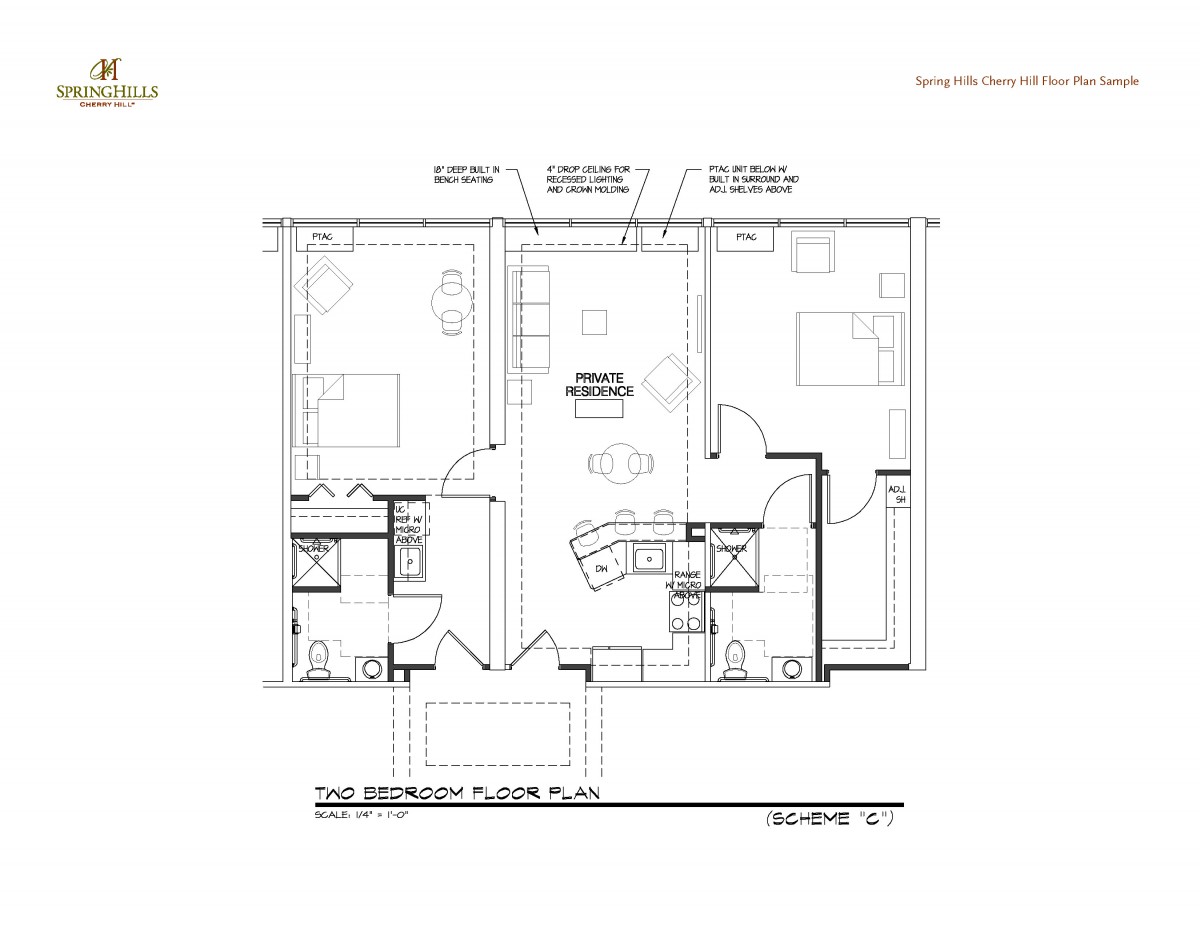
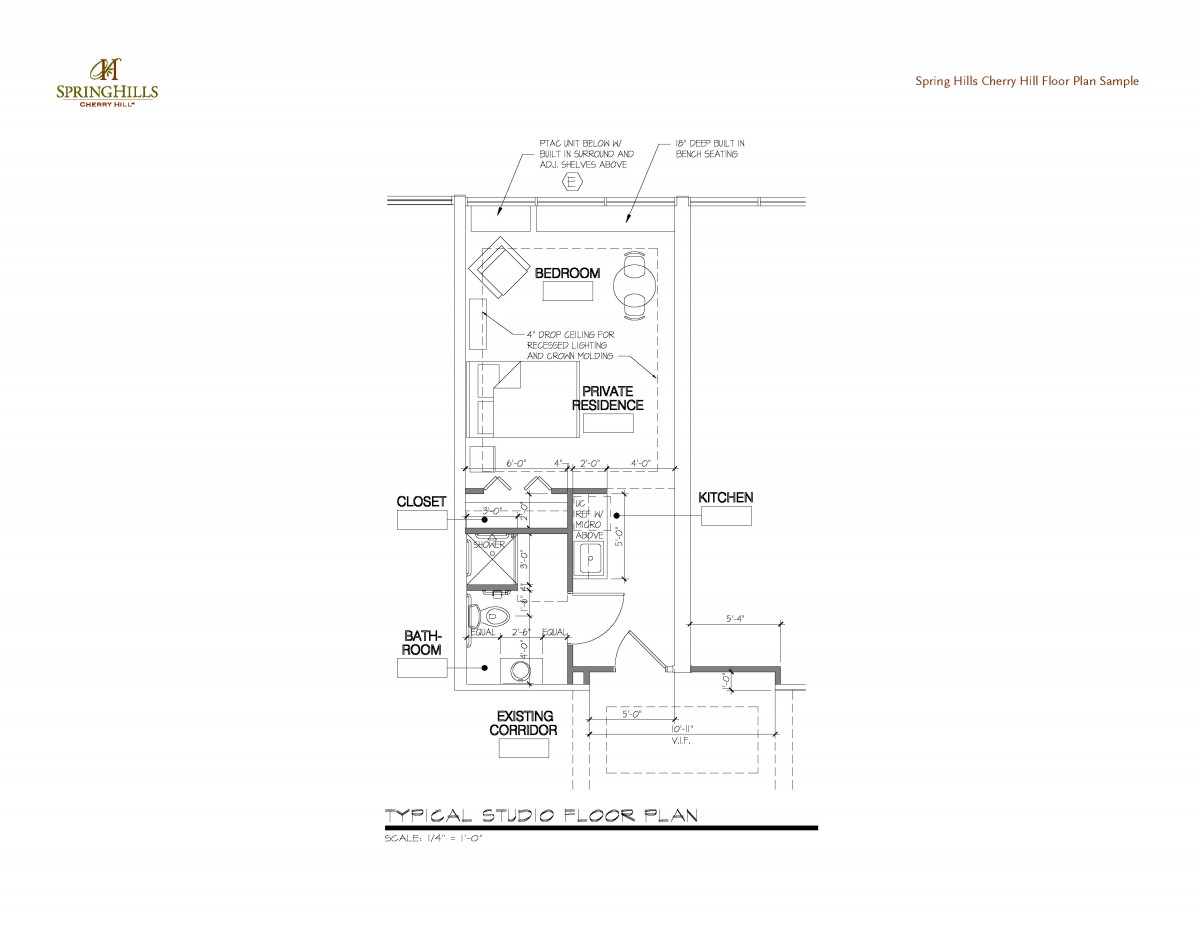
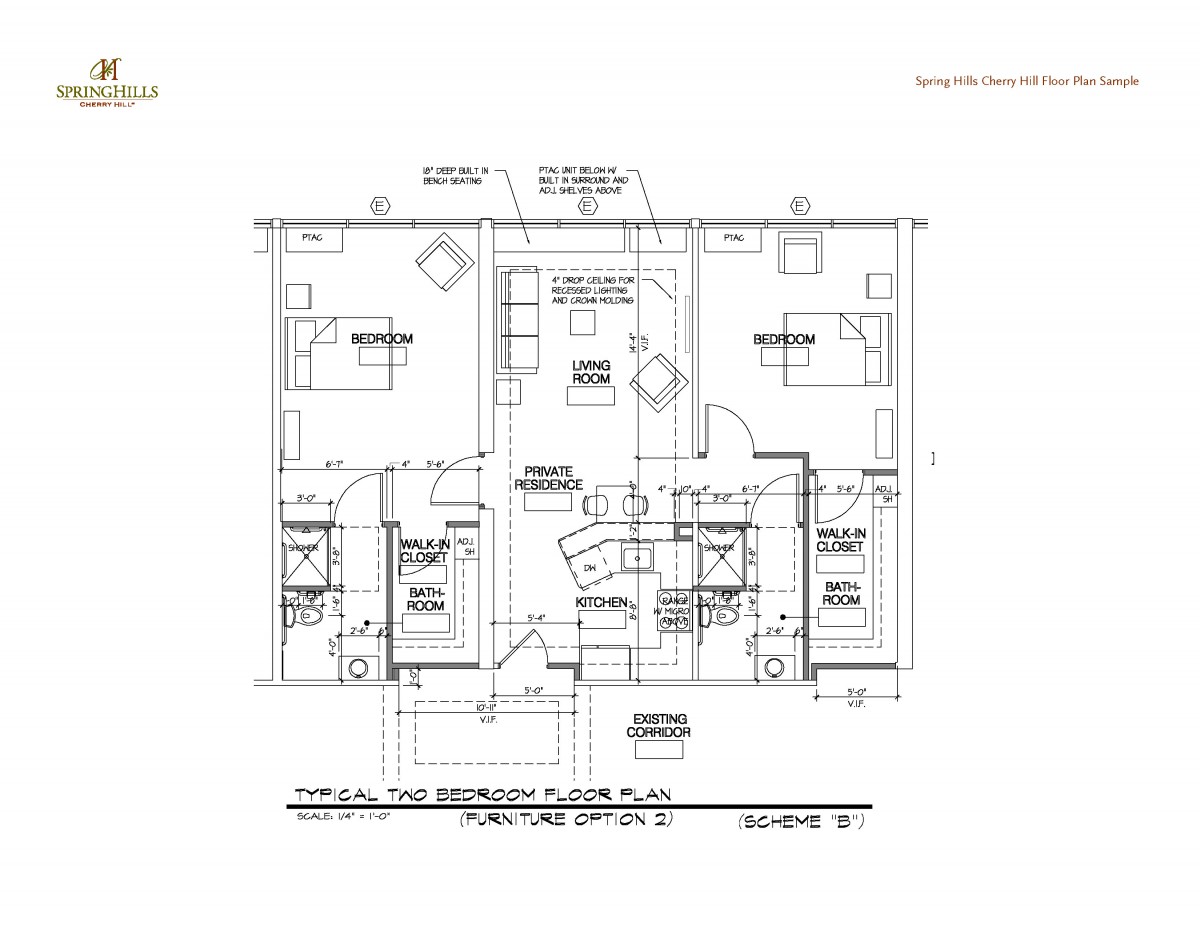
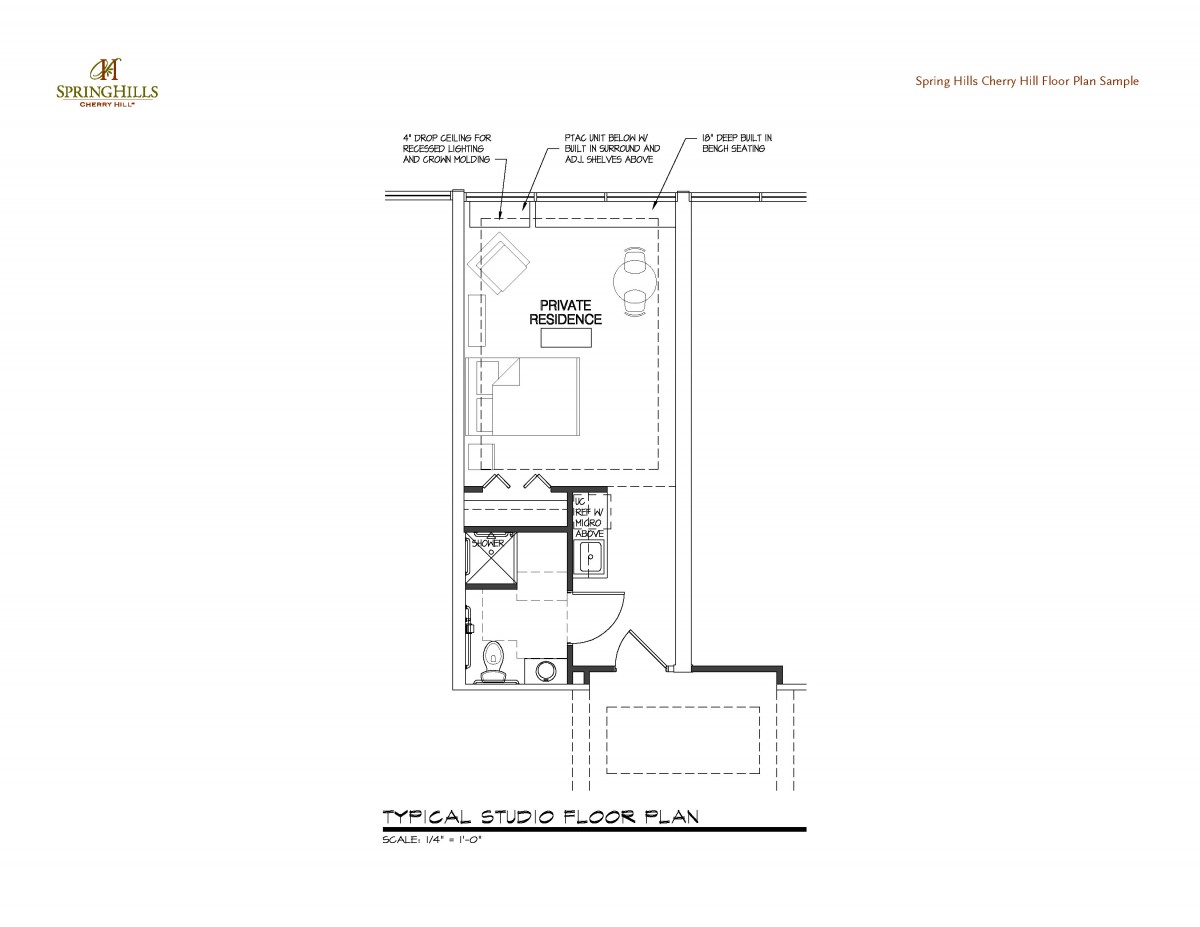
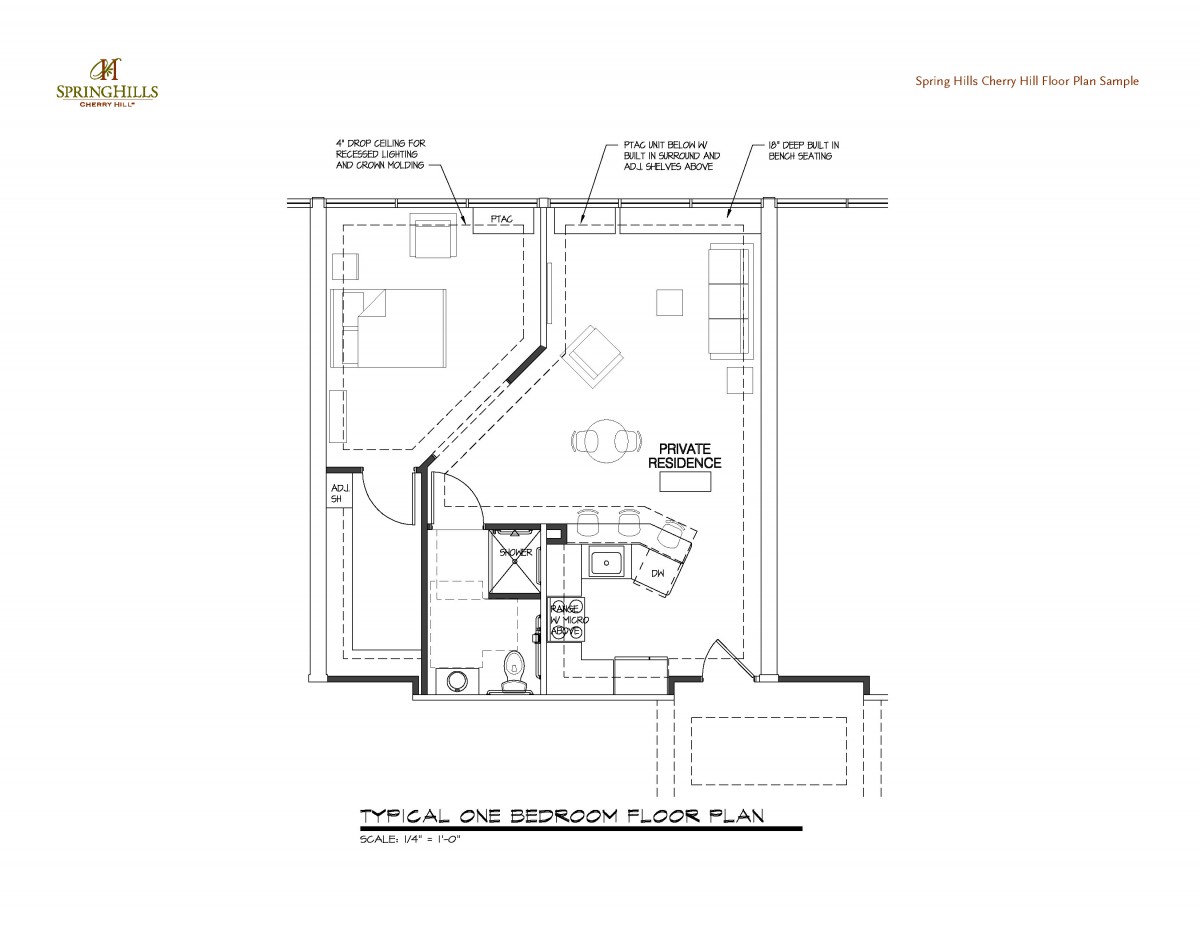
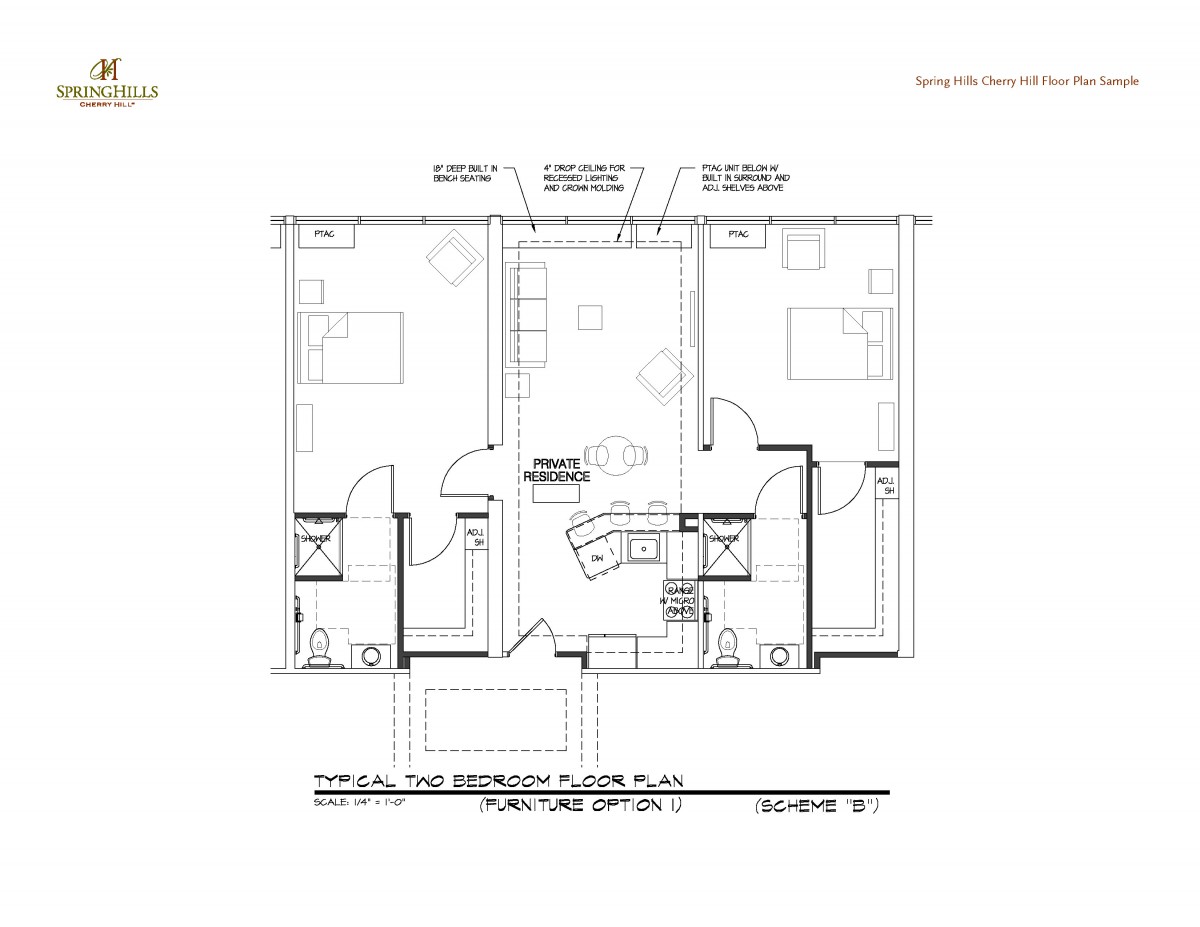
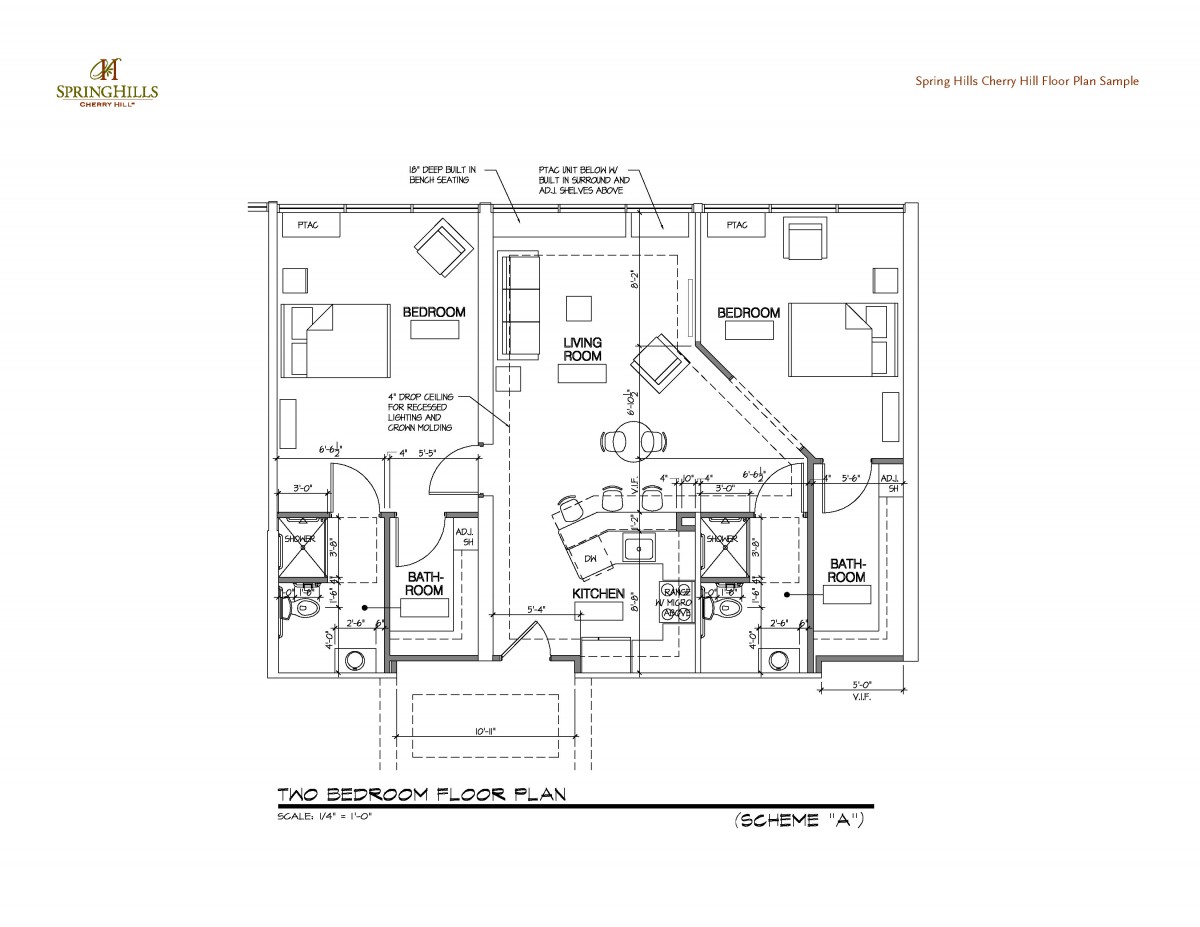
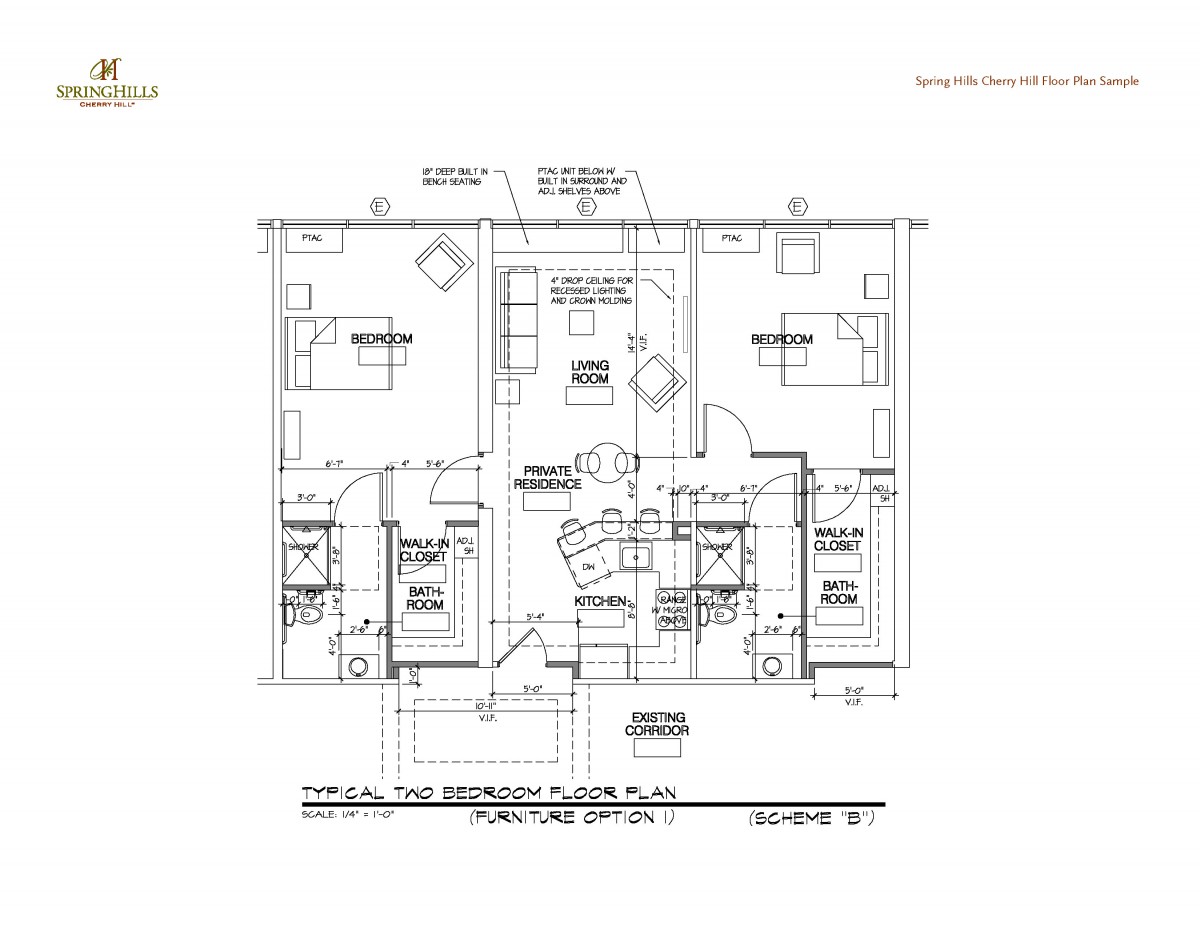
Floor plans
Spring Hills Cherry Hill
Camden County
New Jersey
Studio
$5,500
$4,412
$5,286
1 Bedroom
$6,100
$4,528
$5,994
2 Bedrooms
$7,300
$4,780
$6,216
Memory care communities with a similar price nearby
Residents and families repeatedly describe staff as responsive and caring.
Across multiple reviews, families mention being able to reach nursing or care leads, getting help promptly, and receiving communication that reduces stress. Several reviewers also describe staff as kind and attentive in daily interactions, from greetings by name to helping with care changes and making families feel included. A few reviews temper this praise by describing slow response times or turnover, but even those critiques still point to strong day-to-day effort from certain caregivers in some cases.
common18 reviews mention this
Restaurant-style dining gets praise
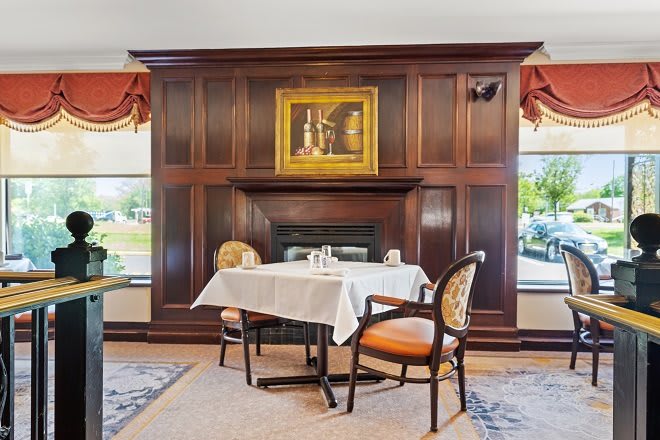
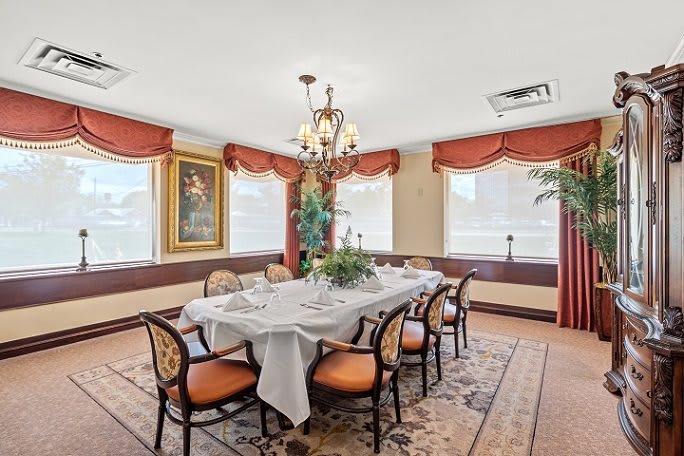
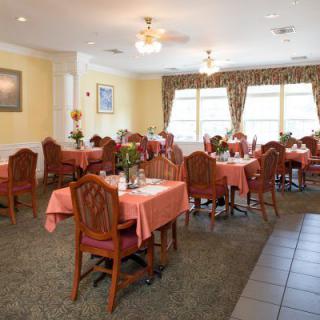
Dining is described as restaurant-style and often better than expected.
Many reviewers talk about the dining experience as something closer to a restaurant than a cafeteria, with meal options and a familiar atmosphere. Several people specifically highlight food quality, open dining, or positive experiences with meals and desserts. There are also a few mixed notes about food quality changing over time or meals being disappointing, but restaurant-style dining and good meals remain common threads.
caveat21 reviews mention this
High costs come up often
Pricing is a frequent concern, with residents calling it expensive.
Multiple reviews raise cost as a drawback, sometimes describing it as “astronomical” or not matching the care experience they received. Even when reviewers liked the community, they often still call out affordability as a concern. At the same time, some families say long-term insurance helps and one review points out that costs may vary based on individual care needs, but the overall recurring theme is that pricing feels high.
caveat16 reviews mention this
Staffing and care continuity are mixed
Reviews are mixed on staffing levels and follow-through when care needs rise.
Some reviewers praise nursing and medication monitoring, describing frequent check-ins and timely help when situations change. Others describe problems like staffing strain, delayed call backs, or difficulties getting what was promised once a loved one needed more assistance. Several reviews also mention staff turnover, and a few describe emergencies or cleanliness/room-service concerns that affected their confidence in day-to-day care continuity.
common15 reviews mention this
Activities, fitness, and comfort
Many reviews describe a full schedule of activities and comfortable common spaces.
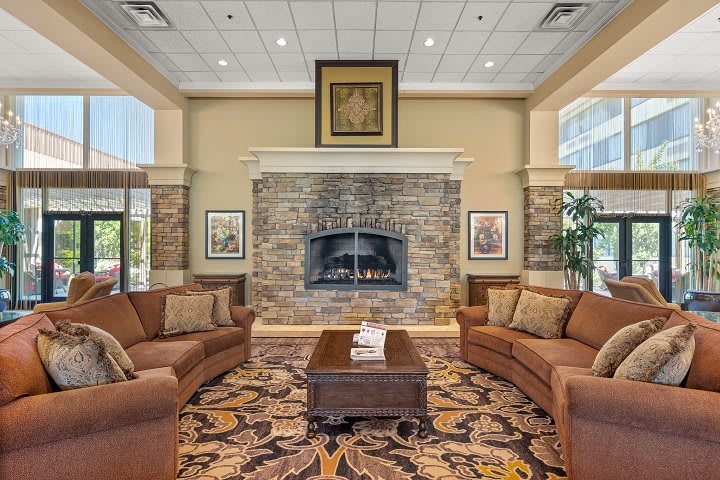
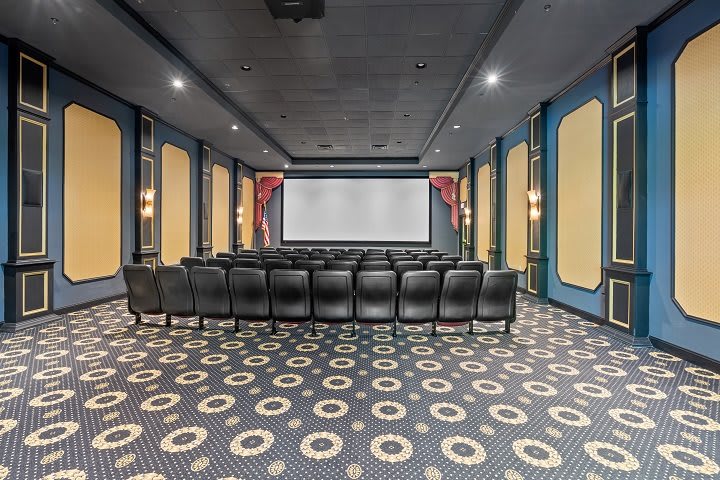
Residents and families commonly mention scheduled activities such as games, classes, devotional services, and outings, along with entertainment like live performances and a movie theater. Reviews also describe community areas as clean, inviting, and generally well maintained, with some mentioning weekly housekeeping of apartments. A smaller number of reviews express concerns about limited activity availability at times or feedback that the facility can feel old in parts, but the activity-and-comfort theme stays consistent overall.
How we summarize
Counts show how many written reviews mention each theme; a review can touch several themes, and only frequently mentioned themes are displayed.
Features
Housing
150 resident community capacity
1-bedroom apartments
2-bedroom apartments
Studio apartments
Types of Care
Assisted Living
Memory Care
Pets
Cats allowed
Dogs allowed
Amenities
Activities off-site
Activities on-site
Air-conditioning
Beautician on-site
Beauty salon
Cable or satellite TV
Cafe
Computer center
Devotional services off-site
Devotional services on-site
Dining room
Financing advice
Fitness room
Full kitchen
Fully furnished
Gaming room
Garden
Ground floor units
Guasts at mealtime
Guest parking
Handicap accessible
Home sale assistance
Housekeeping services
Indoor common areas
Kitchenette
Laundry
Move-in coordination
Outdoor common areas
Outdoor space
Overnight guests
Party space
Private bathrooms
Private cleaning services
Respite or short term stays offered
Restaurant-style dining
Small library
Spa
TV room
Telephone
VA Benefits Consultation
Wellness center
Wheelchair accessible showers
Wi-Fi/high-speed internet available
Transportation
Philadelphia International (12 miles away)
Community operated transportation
Transportation & parking
Transportation arrangement
Transportation arrangement (non-medical)
Transportation to doctors appointments
Care Services
12-16 hour nursing
24-hour call system
24-hour supervision
Activities of daily living assistance
Assistance with bathing
Assistance with dressing
Assistance with transfers
Diabetes diet
Diabetic care
Incontinence care
Meal preparation and service
Medication management
Mental wellness program
Mild cognitive impairment
Physical therapy
Special dietary restrictions
Specialized memory care programming
Dining
Anytime dining
Diabetes diet
Guest meals
International cuisine
Low / no sodium
Meals provided
No Sugar
Organic
Professional chef
Restaurant style dining
Room service
Special dietary restrictions
Special dining programs
Vegetarian
Activities
Activities off-site
Art classes
Arts and crafts
Book club
Catholic services
Community-sponsored activities
Concierge services
Cooking classes
Cooking club
Day trips and outings
Devotional activities offsite
Devotional activities on-site
Educational speakers / life long learning
Fitness programs
Games
Gardening club
Jewish services
Live musical performances
Live well programs
Planned day trips
Protestant services
Religious services
Resident-run activities
Scheduled daily activities
Stories
Tai Chi
Visiting Rabbi
Visiting chaplain or priest
Yoga / chair yoga
Languages Spoken
English
Nearby Places of Interest
This part of Cherry Hill, New Jersey offers a convenient and vibrant environment for senior living. With multiple pharmacies nearby such as Walgreens and CVS, access to healthcare is readily available. There are also a variety of dining options ranging from casual fare at Ponzio's Diner-Bakery-Bar to upscale dining at The Capital Grille. Residents can easily access medical care with hospitals like Jefferson Cherry Hill Hospital in close proximity. Additionally, there are several cafes for socializing and enjoying a cup of coffee, as well as parks for leisurely walks and outdoor activities. The area also provides easy access to transportation through the PATCO Westmont Station and NJ Transit stations for exploring the surrounding areas. Overall, this part of Cherry Hill offers a well-rounded community with amenities that cater to the needs and interests of seniors.
Pharmacies
Walgreens (0.4 miles)
Wegmans (0.6 miles)
CVS Pharmacy (0.9 miles)
CVS Pharmacy (1.5 miles)
Walgreens (1.6 miles)
Walgreens (1.6 miles)
Rite Aid (1.7 miles)
Restaurants
Ponzio's Diner-Bakery-Bar (0.8 miles)
The Capital Grille (1.6 miles)
Walt Whitman Service Area (2.5 miles)
Chick-Fil-A (3.3 miles)
Bob Evans (3.5 miles)
Auntie Anne's (3.7 miles)
Yard House (3.8 miles)
Hospitals
Jefferson Cherry Hill Hospital (0.9 miles)
Cooper University Hospital (5 miles)
Jefferson Stratford Hospital (6.2 miles)
Virtua Voorhees Hospital (7.4 miles)
Episcopal Hospital (7.4 miles)
Cafes
Jersey Java & Tea (1.3 miles)
Starbucks (1.7 miles)
Starbucks (3.7 miles)
ReAnimator Coffee (6.7 miles)
La Colombe Coffee Roasters (6.8 miles)
Starbucks (7 miles)
Transportation
PATCO Westmont Station (1.3 miles)
PATCO/NJ Transit: Lindenwold Station (6 miles)
Physicians
Advocare Heights Primary Care (3 miles)
Rothman Institute (4.6 miles)
South Jersey Skin Care (4.9 miles)
CHOP Specialty Care & Surgery Center (5.7 miles)
Cooper Medical Building 1 (5.7 miles)
Cooper Internal Medicine (5.7 miles)
Rowan SOM Family Medicine Residency Program (6.1 miles)
Spring Hills Cherry Hill offers competitive pricing for its various room types compared to both Camden County and the broader New Jersey market. The monthly cost for a studio at Spring Hills is $5,500, which is notably higher than Camden County's average of $4,412 but aligns closely with the state average of $5,286. For a one-bedroom unit, residents will pay $6,100 at Spring Hills, again surpassing Camden County's rate of $4,528 while remaining slightly below the state average of $5,994. The two-bedroom options reflect a similar trend; priced at $7,300, they exceed Camden County's average of $4,780 and New Jersey's average of $6,216. These figures suggest that while Spring Hills Cherry Hill may come at a premium compared to nearby areas and state averages, it likely offers unique amenities or services that justify these higher costs for prospective residents seeking quality living in an upscale environment.
The comprehensive features at Spring Hills Cherry Hill are designed to provide holistic support for residents with dementia or Alzheimer's disease, ensuring their safety and comfort. Round-the-clock supervision allows staff to respond promptly to any needs or emergencies, creating a secure environment. Assistance with activities of daily living, such as bathing, dressing, and transfers, fosters independence while ensuring personal dignity is maintained. Incontinence care and tailored meal preparation address specific health requirements, promoting physical well-being. Medication management further ensures that residents receive timely doses of prescribed treatments, essential for managing their condition effectively. Engaging mental wellness programs cater to cognitive stimulation and emotional support, acknowledging the complexities of mild cognitive impairment while specialized memory care programming provides targeted interventions that enhance mind function. Additionally, physical therapy supports mobility and overall health, enabling residents to maintain their physical capabilities as much as possible. Together, these features create a nurturing environment that respects each individual's needs while promoting quality of life throughout their journey with memory-related challenges.
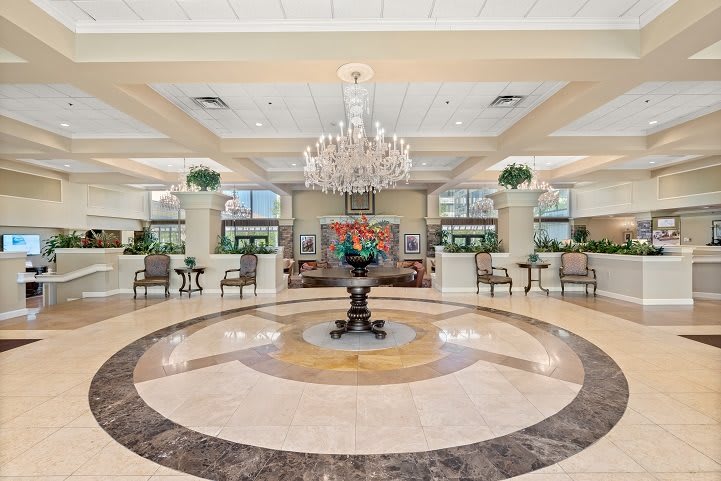
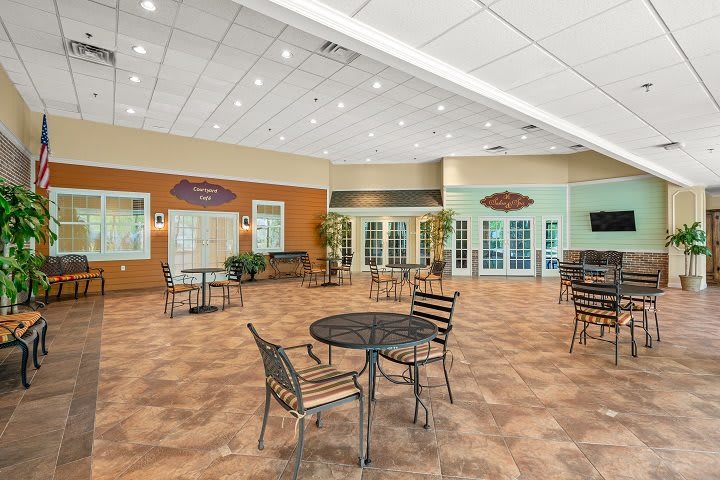
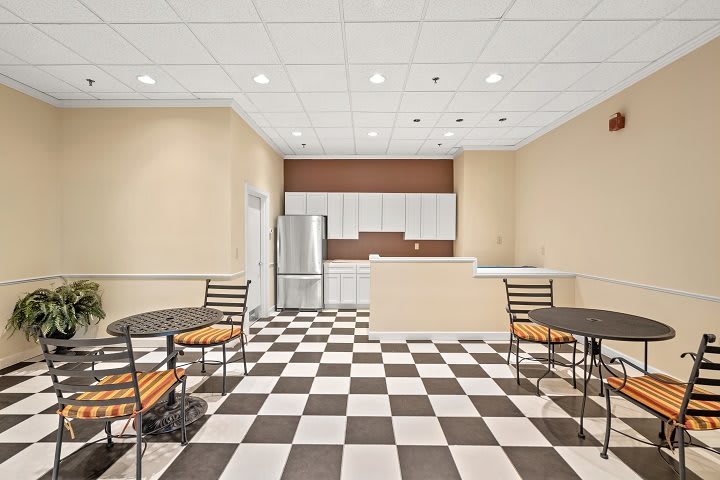
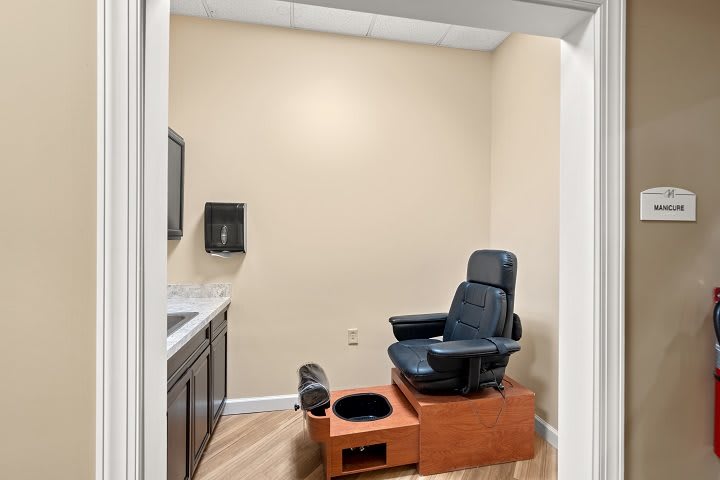
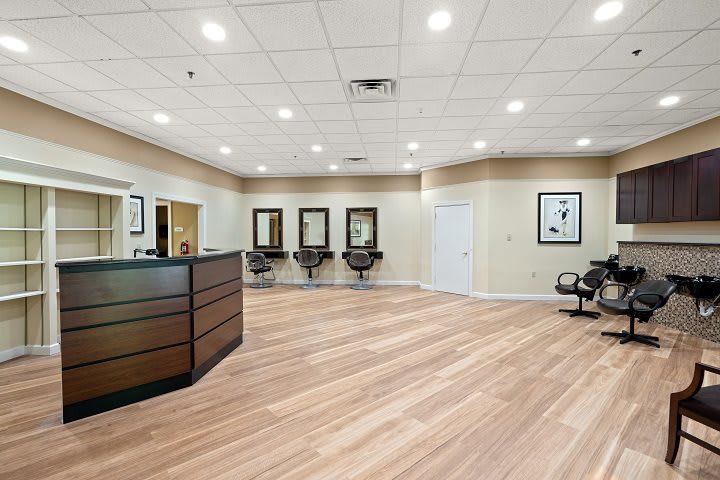
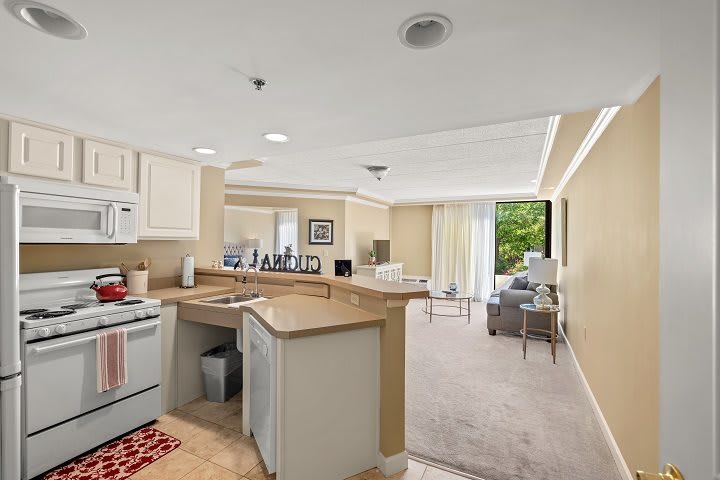
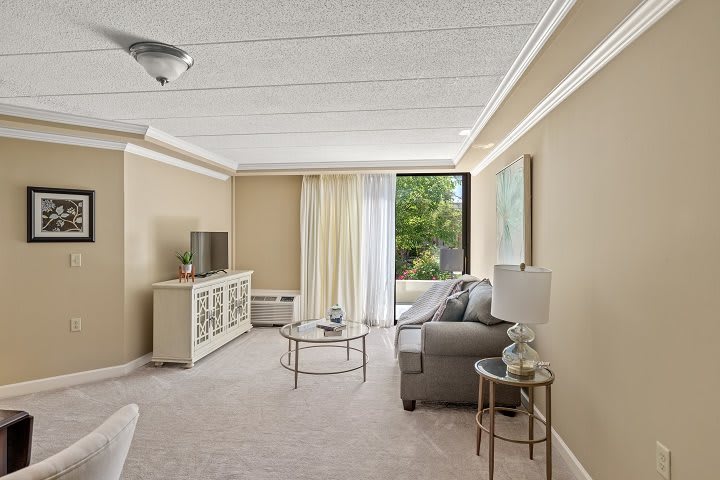
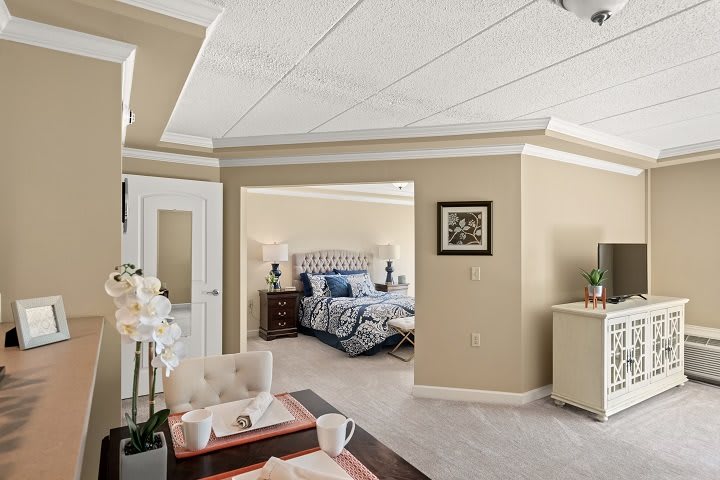
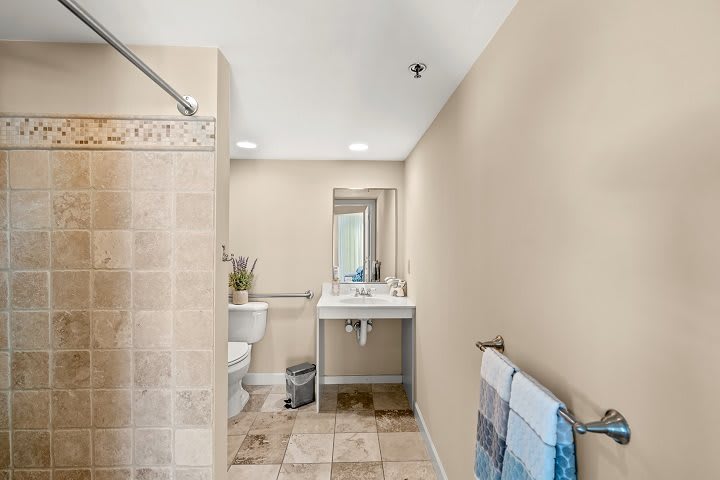
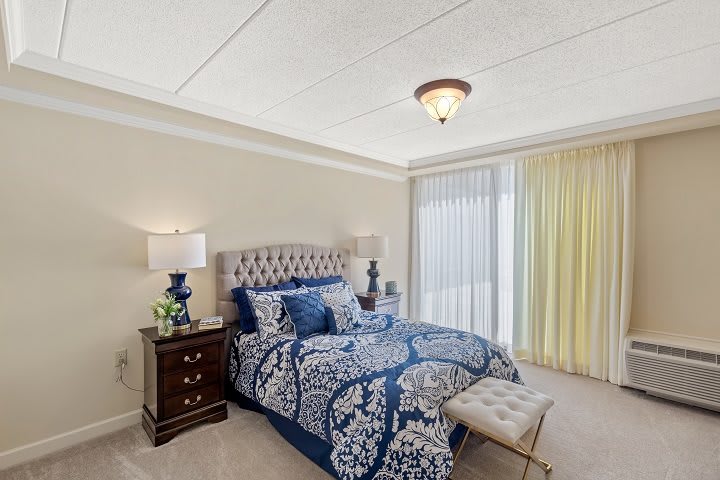
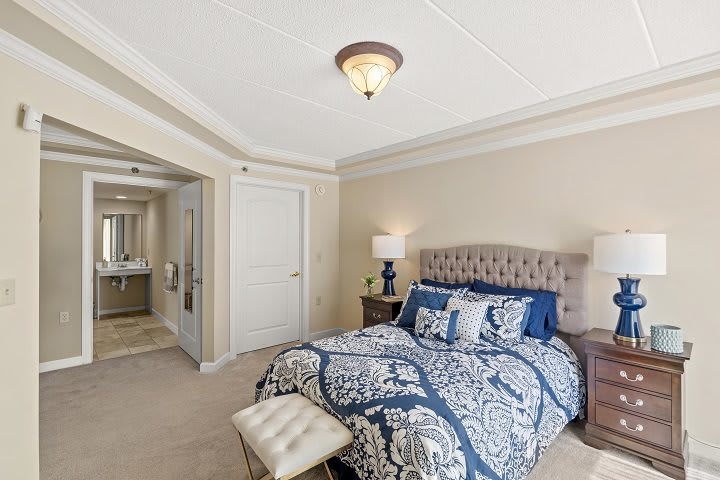
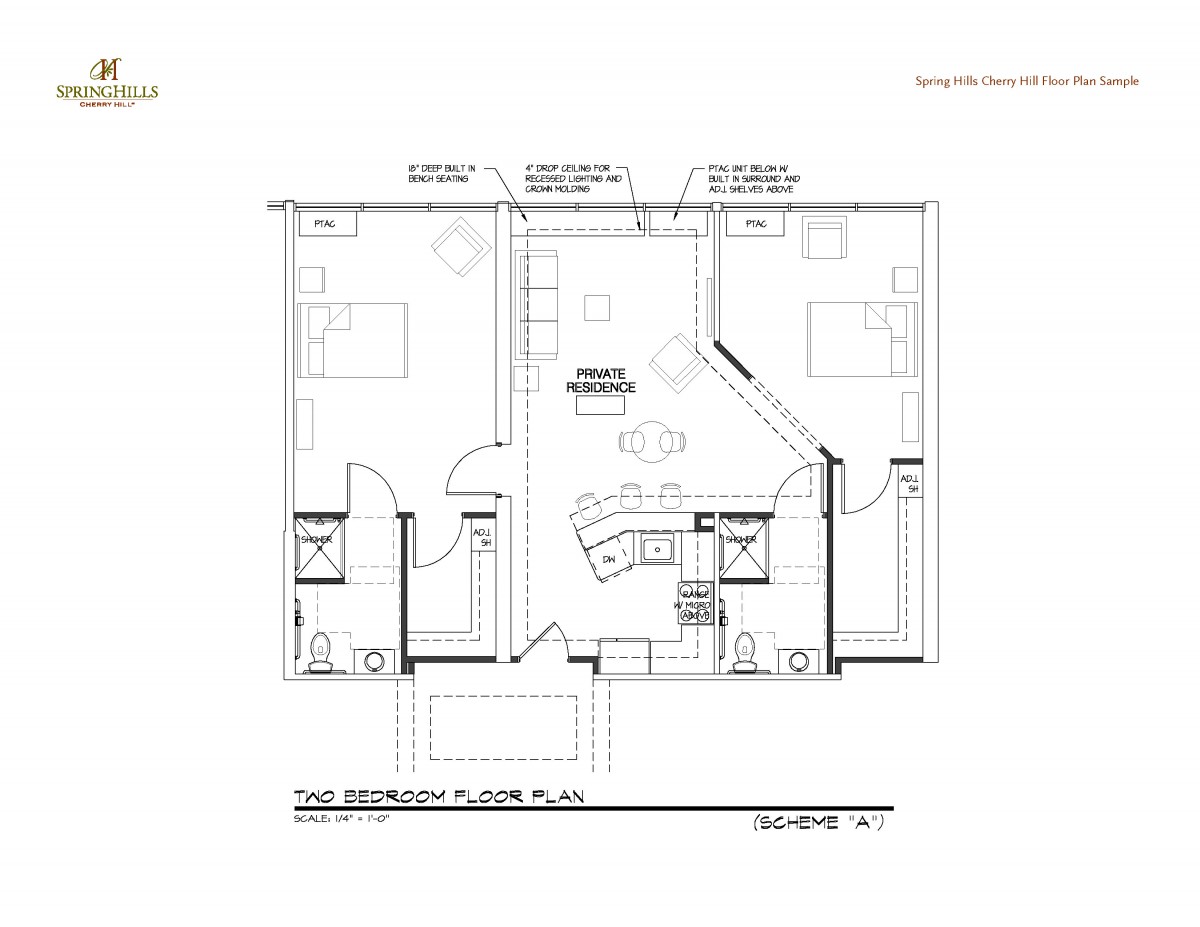
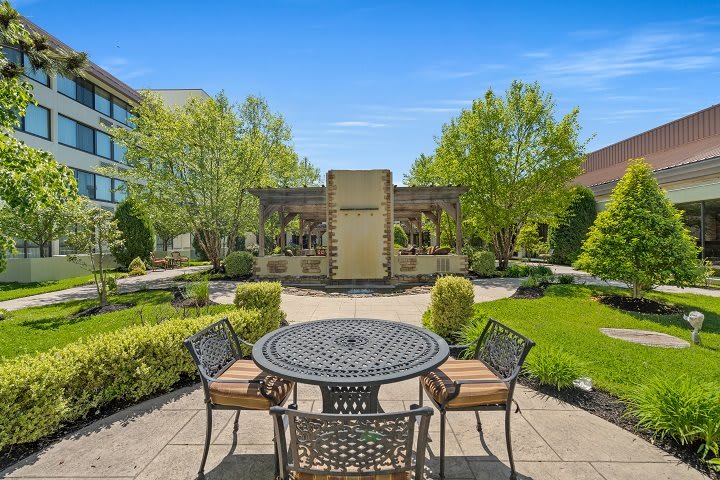
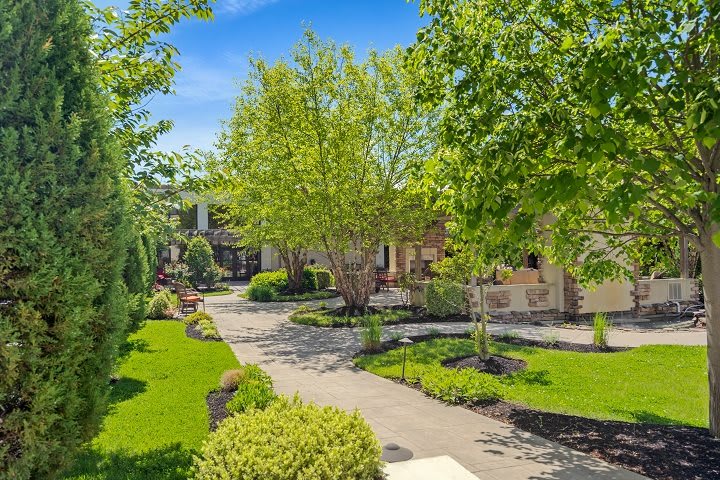
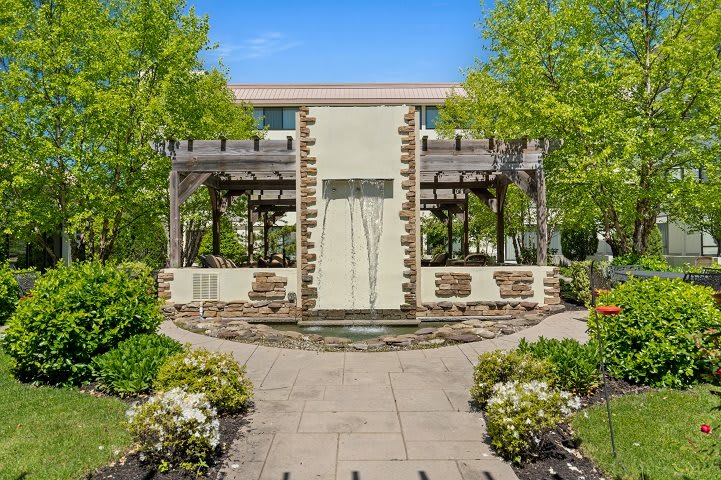
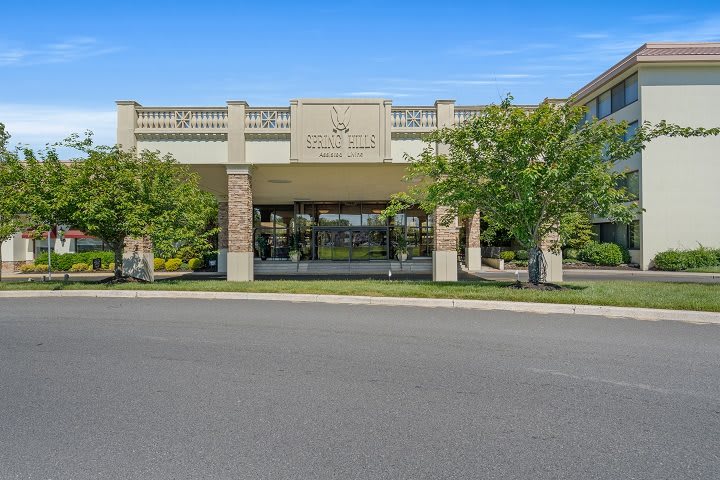
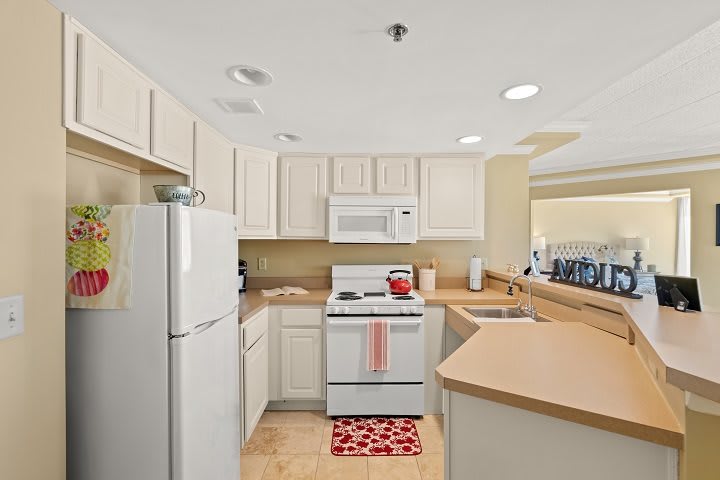
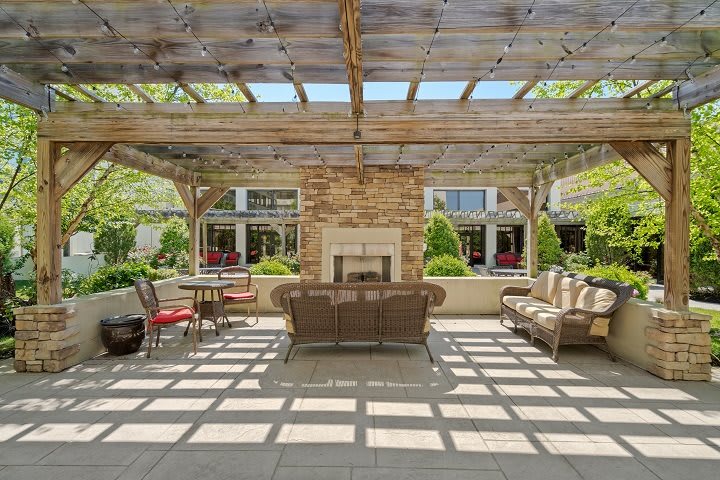
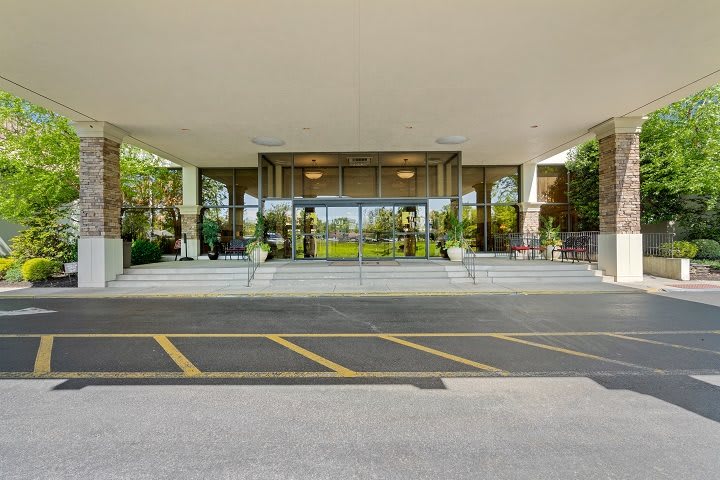
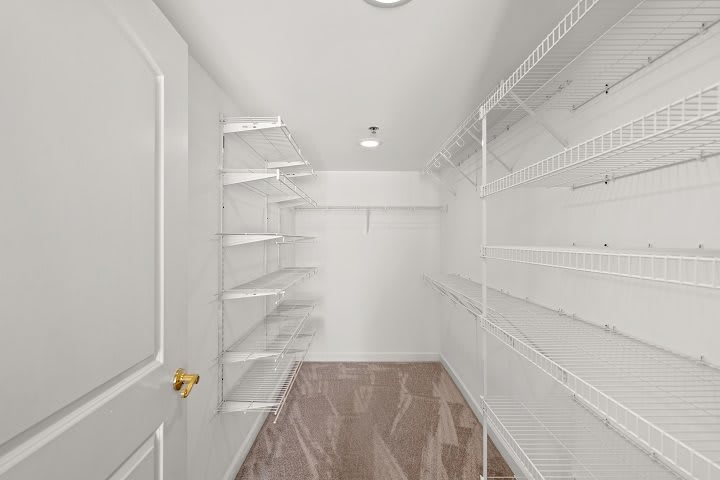
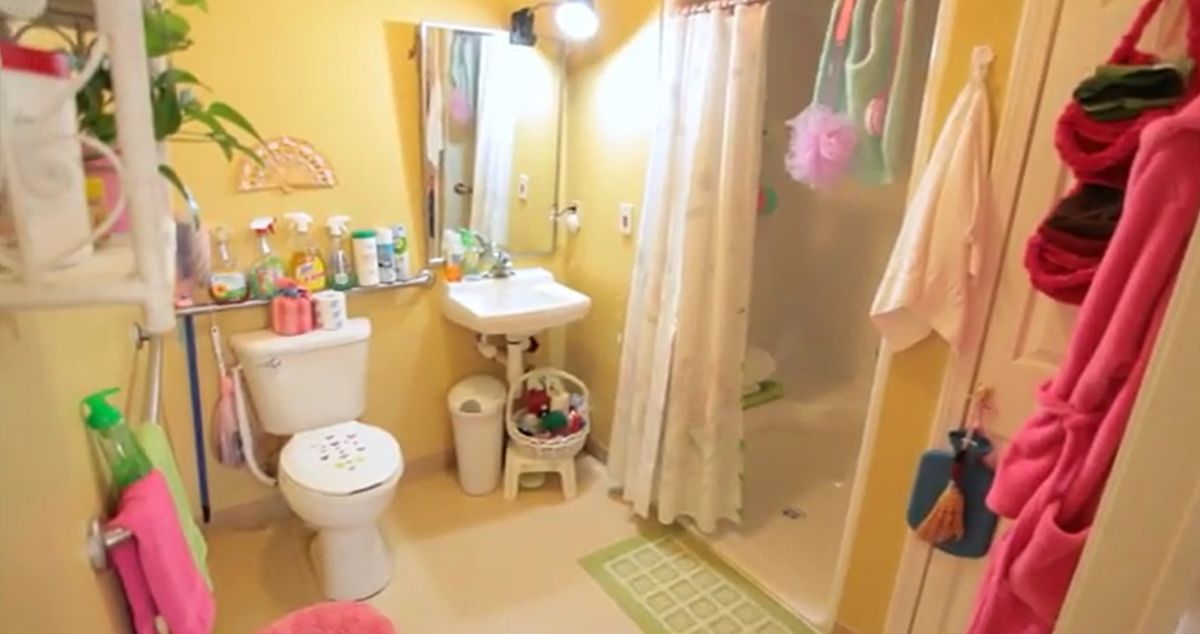
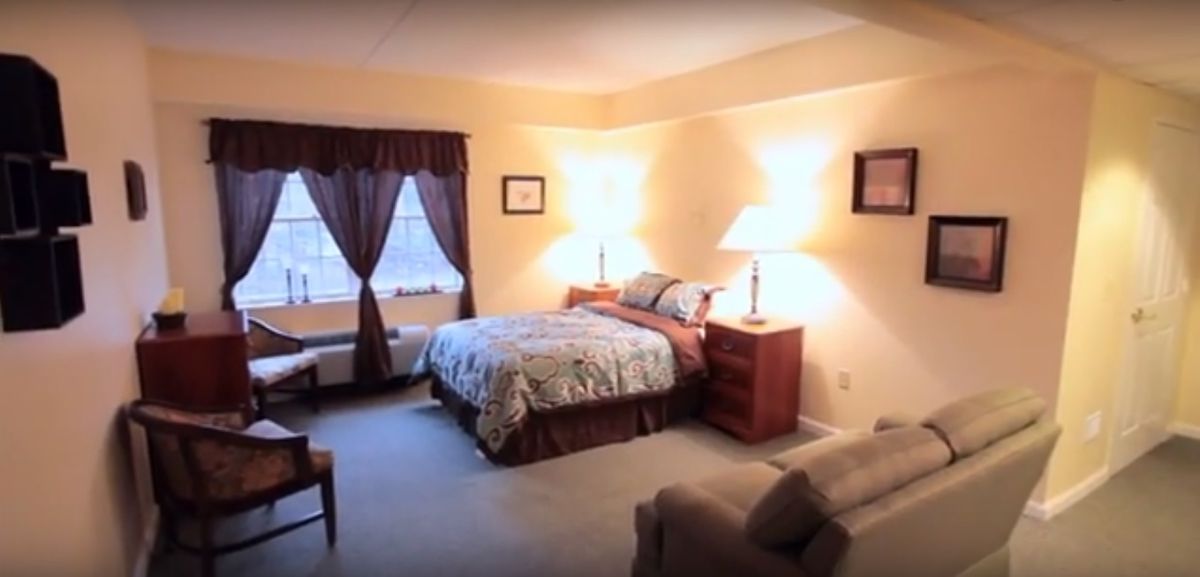
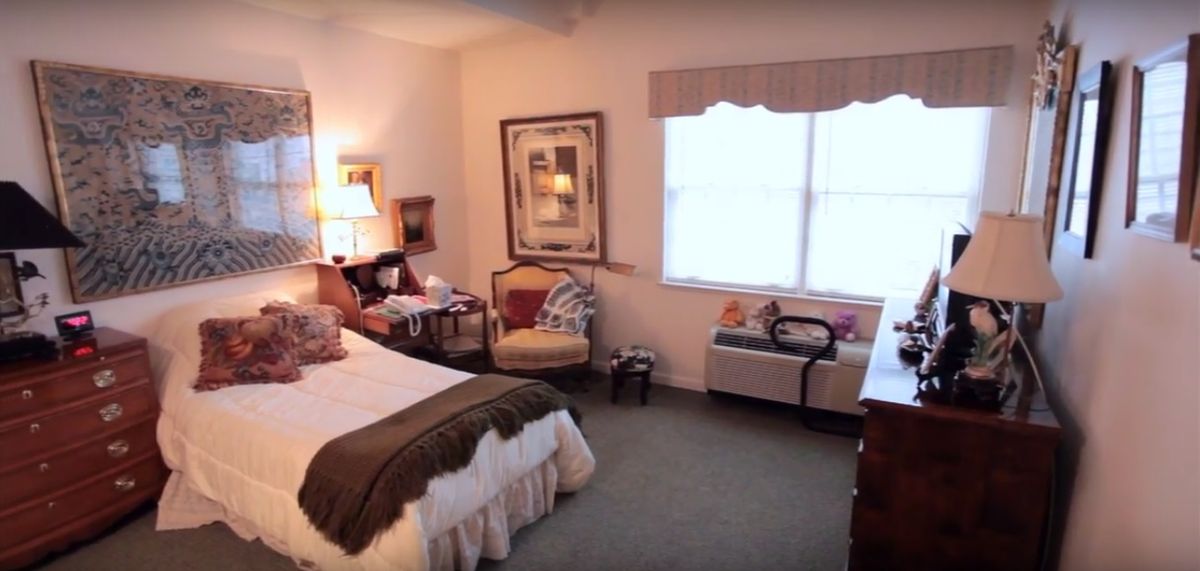
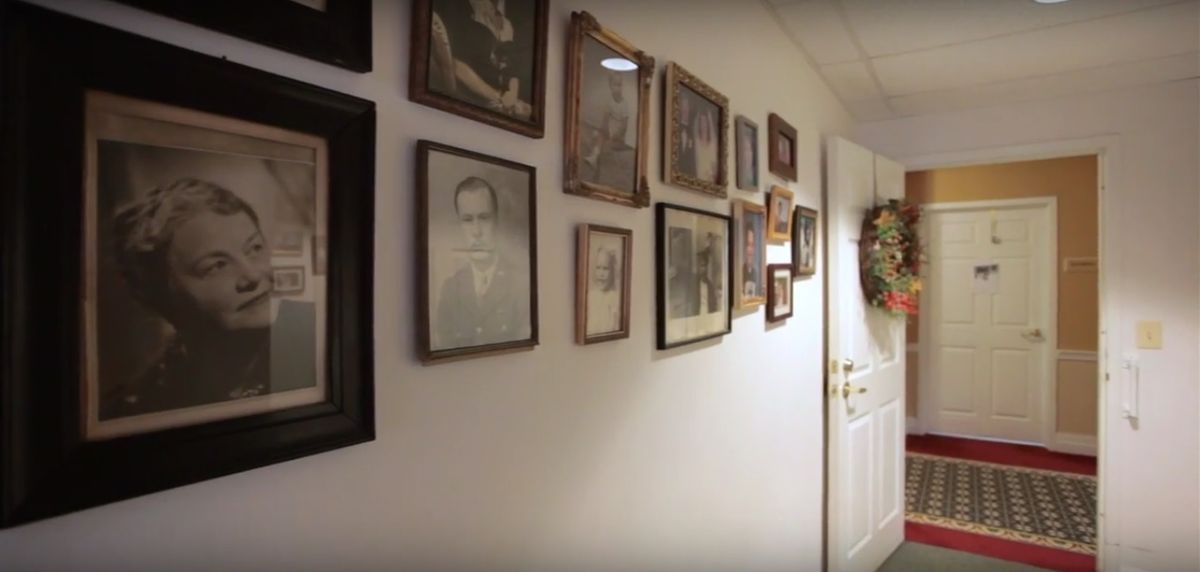
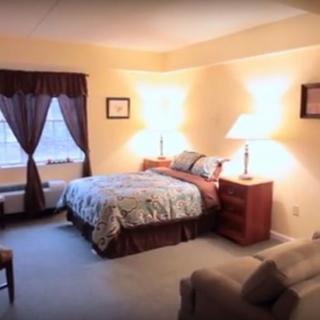
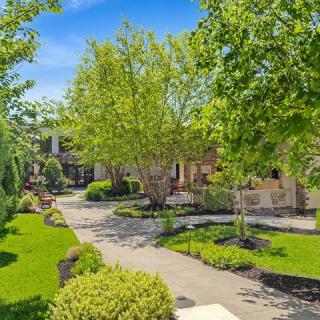
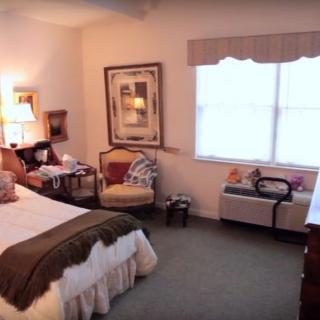
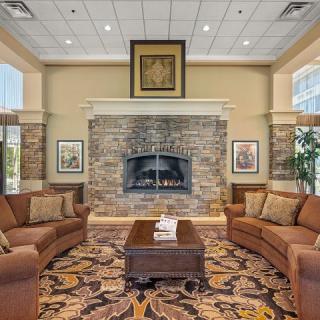
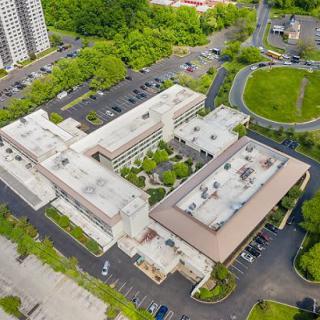
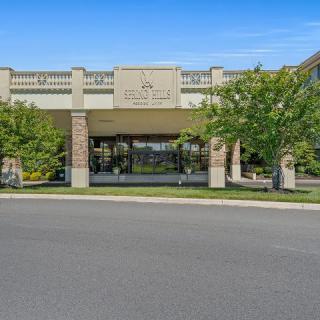
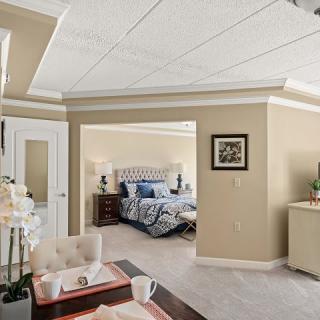
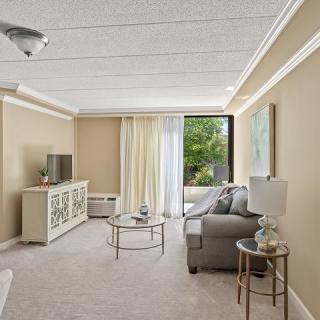
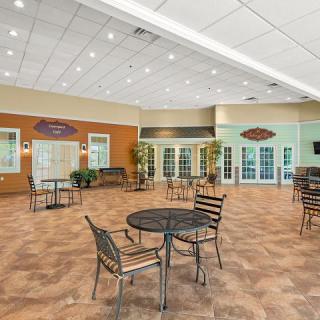
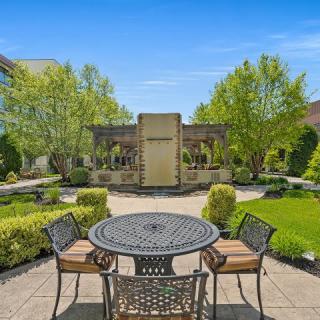
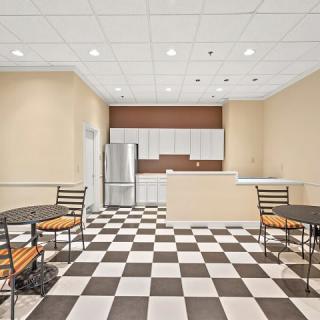
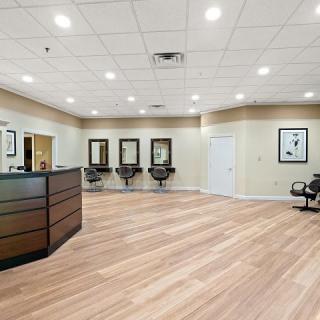
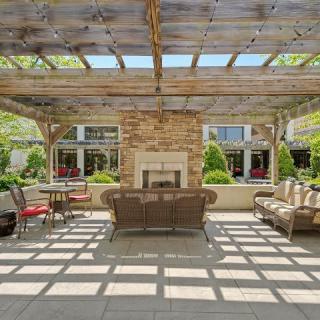
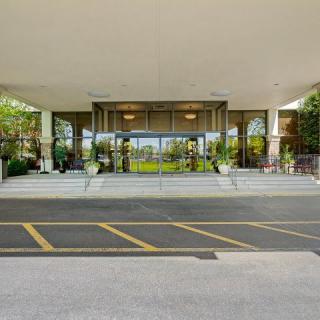
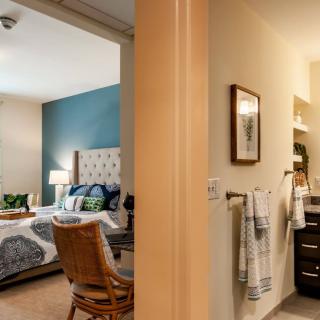
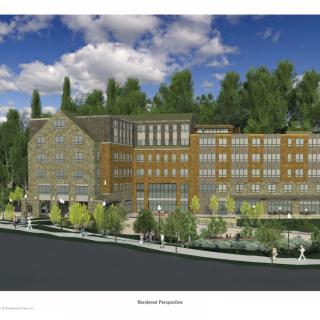
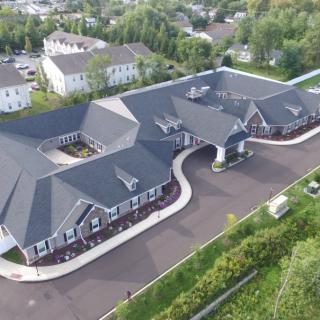
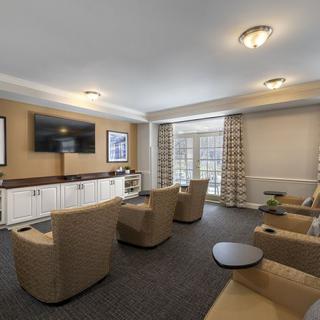
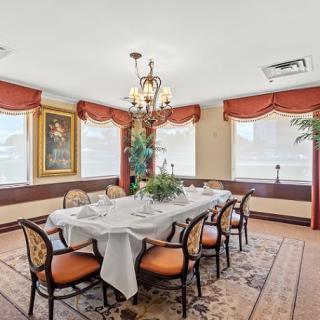
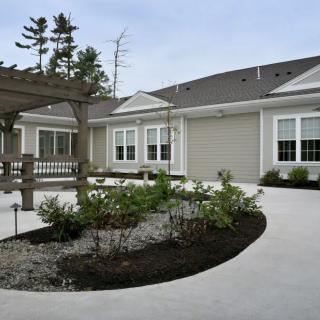
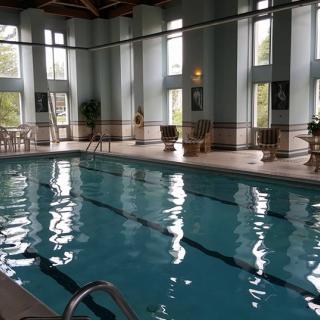
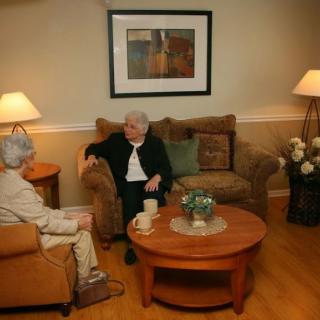
Spring Hills Cherry Hill on seniors.fyi includes 38 photos including images showing floor plan, interior, bedroom, landscaping, architectural drawing, decor, bathroom, garden, and more.
Nearby Communities
Barclays Rehabilitation And Healthcare Center
Cherry Hill, NJ
4.1 from 119 reviews
Caring staff with attentive rehab care and clean private rooms.
Cherry Hill Senior Living
Cherry Hill, NJ
4.2 from 66 reviews
$2,125 to $3,300 / month
Professional, friendly staff; clean, well-maintained facility; engaging memory care programs.
The Plaza Grande at Garden State Park
Cherry Hill, NJ
4.3 from 110 reviews
Comprehensive care services with connectivity and nearby medical facilities and dining options.
Senior Helpers - Cherry Hill, NJ
Cherry Hill, NJ
3.8 from 30 reviews
Capable caregivers with strong dementia support.
Arden Courts of Cherry Hill
Cherry Hill, NJ
4.6 from 108 reviews
$7,525 to $8,095 / month
Warm, home-like memory care with compassionate staff and engaging on-site activities.
Memory care activities are essential for improving the quality of life of seniors with cognitive impairments, as they stimulate cognitive function, promote well-being, and encourage social interaction through tailored strategies. These activities combine structured exercises with spontaneous tasks, sensory engagement, physical workouts, creative pursuits, and intergenerational interactions to enhance emotional connection and a sense of purpose.
Transitioning from assisted living to memory care is driven by an individual's cognitive decline and specific needs, requiring careful evaluation of indicators like increased confusion and wandering. The process involves consulting medical professionals, researching suitable communities, considering financial and legal aspects, and ensuring effective communication for personalized care plans.
The article differentiates between assisted living and memory care, explaining that assisted living supports seniors with daily activities while promoting independence, whereas memory care provides specialized services for individuals with dementia, focusing on secure environments and cognitive support. It also addresses staff training, safety considerations, costs, family involvement, and transition strategies for families navigating these care options.
Get PricingAsk A QuestionSchedule A TourContact Senior Advisor
By clicking submit, you agree to our Partner's Terms of Use. You
also consent to receive calls and texts, which may be autodialed, from our Partner. Your consent is not a condition to
using our Partner's service. Please visit our Partner's Privacy Policy for information about their privacy practices.


 150 resident community capacity
 1-bedroom apartments
 Assisted Living
 Memory Care
 Cats allowed
 Dogs allowed
 Activities off-site
 Air-conditioning
 Beautician on-site
 Cable or satellite TV
 Cafe
Cafe Computer center
 Devotional services off-site
 Dining room
 Financing advice
 Fitness room
 Full kitchen
 Fully furnished
 Gaming room
 Garden
 Ground floor units
 Guest parking
 Handicap accessible
 Housekeeping services
 Indoor common areas
 Laundry
 Move-in coordination
 Outdoor common areas
 Overnight guests
 Party space
 Private bathrooms
 Respite or short term stays offered
 Restaurant-style dining
 Small library
 Spa
Spa Telephone
 Wheelchair accessible showers
 Wi-Fi/high-speed internet available
 Philadelphia International (12 miles away)
 Community operated transportation
 12-16 hour nursing
 24-hour call system
 Assistance with bathing
 Assistance with dressing
 Assistance with transfers
 Diabetes diet
 Diabetic care
 Incontinence care
 Medication management
 Mental wellness program
 Physical therapy
 Special dietary restrictions
 Art classes
 Book club
 Catholic services
 Concierge services
 Cooking classes
 Day trips and outings
 Educational speakers / life long learning
 Games
Games Jewish services
 Live musical performances
 English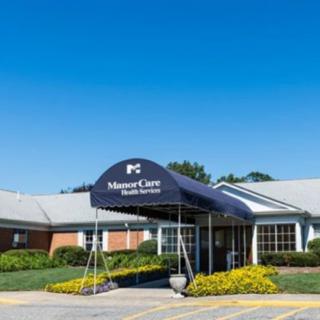
 Caring staff with attentive rehab care and clean private rooms.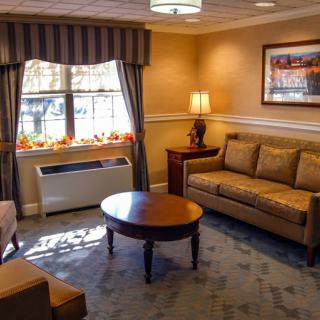


 Engaging Memory Care Activities That Enhance Quality of Life
 When to Transition from Assisted Living to Memory Care: Key Indicators, Steps, and Finding the Right Community
 Understanding the Distinctions: Assisted Living and Memory Care Explained