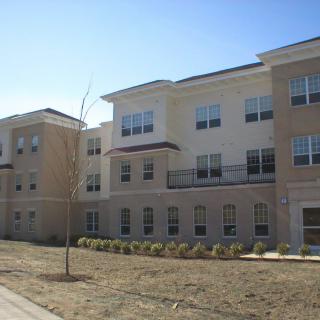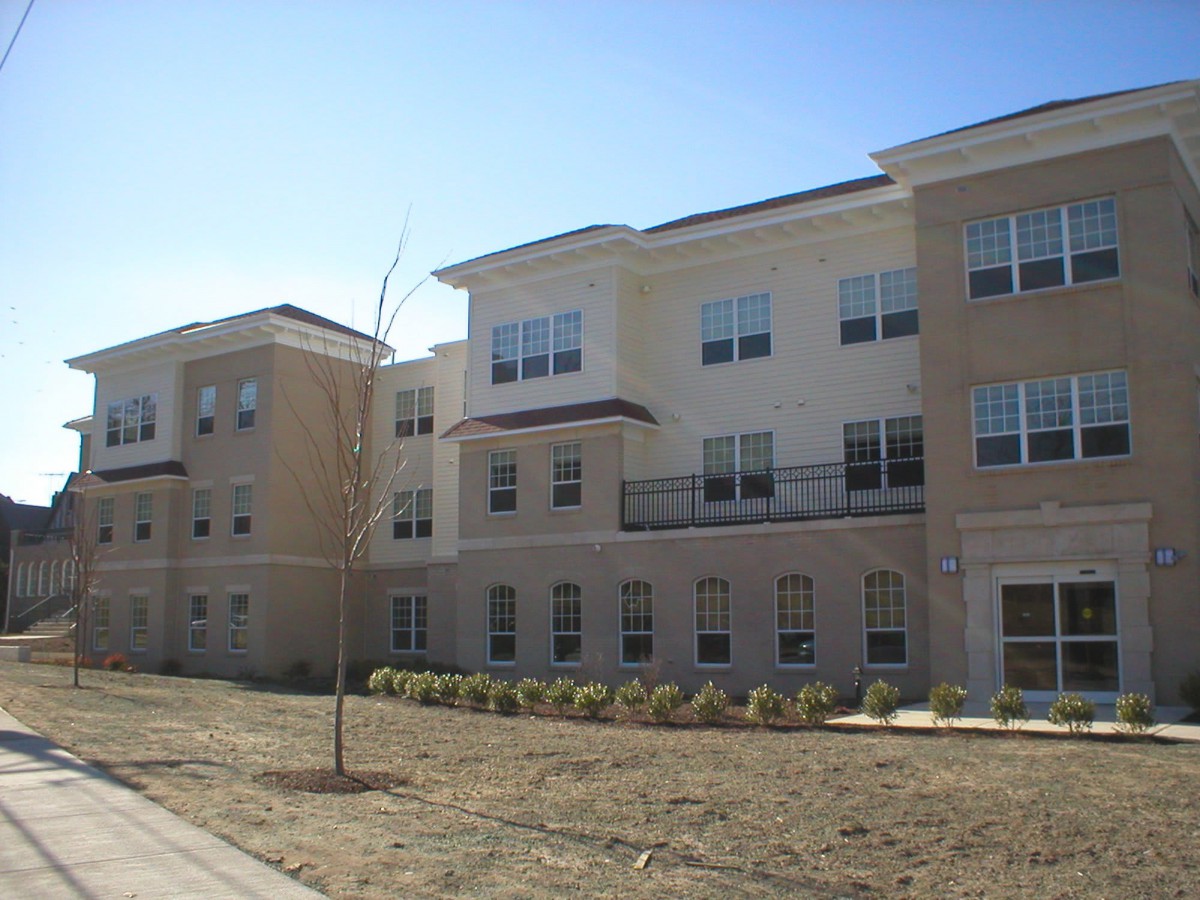
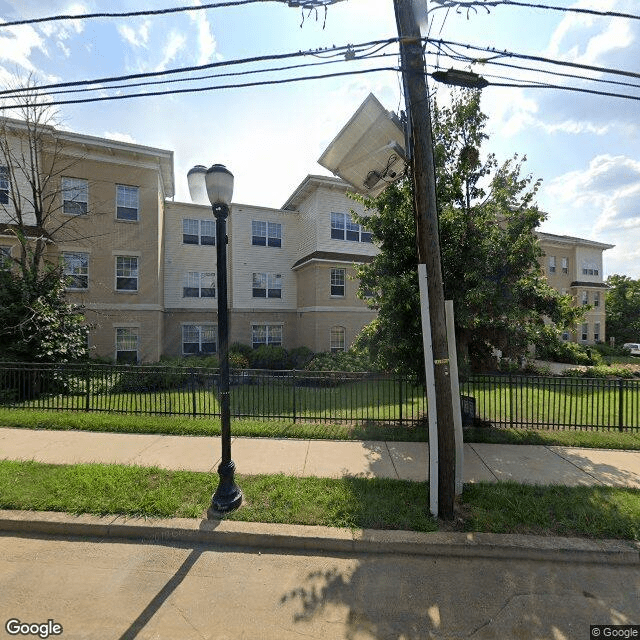
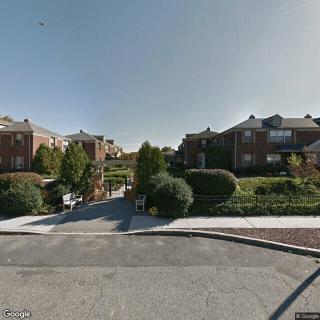
1655 Park Blvd., Camden, NJ 08103
To contact a resident: (856) 406-2783
For more information about senior living options: (866) 208-4318
Faison Mews Costs & Pricing
Faison Mews offers exceptional affordability with its one-bedroom units priced at just $575 per month. This cost is significantly lower compared to the average rental prices in Camden County and across New Jersey, where the typical monthly rent reaches approximately $4,528 and $5,994 respectively. Such a competitive pricing structure not only enhances accessibility for residents but also positions Faison Mews as an attractive option for those seeking quality housing without the burden of high expenses commonly found in the region. Overall, Faison Mews stands out as a budget-friendly alternative that aligns well with the financial needs of individuals and families alike.
| Floor plans | Faison Mews | Camden County | New Jersey |
|---|---|---|---|
| 1 Bedroom | $575 | $4,528 | $5,994 |
Senior living communities with a similar price nearby
-
from +$60 / mo
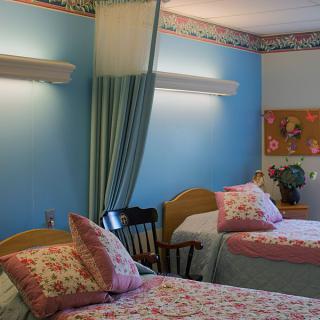
The Belvedere
$635 to $2,970 / month14.7 miles away -
from +$87 / mo
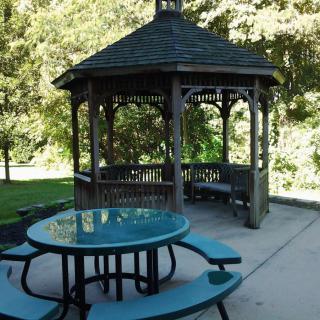
Carneys Point Senior Apartments
$662 to $797 / month24.2 miles away -
from +$65 / mo

Tarditi Commons
$640 / month4.7 miles away -
from -$26 / mo
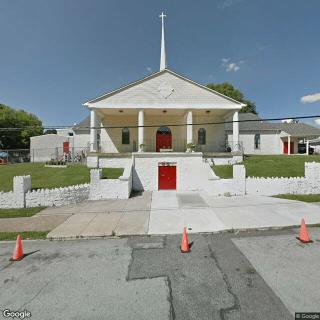
Pentecostal Square
$549 to $624 / month15.8 miles away -
from -$65 / mo
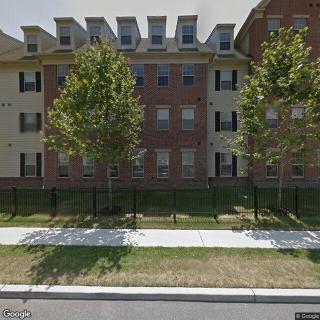
Antioch Manor
$510 / month1.3 miles away
Overall Review of Faison Mews
Pros
 It is a nice place to live.
- It is described as a nice place to live.
Cons
 The elevator has been broken for over three weeks, trapping residents on the second floor.
- Most residents are disabled and unable to use the stairs.
- Residents are not receiving proper food or medical care because the only elevator no longer works.
- The property is not good for elderly people and feels like a rundown project.
- Homeless people are in the stairways and drugs are present at night, making it unsafe.
- There is no security at all.
- The office is very rude, hanging up the phone and offering no support.
- The grandma and step grandpa live there, and the people are mean and liars.
Review
Faison Mews in Camden is best suited for seniors who are largely independent and can tolerate a building that lacks reliable on-site support and strong day-to-day safety controls. The practical constraints are clear: a single elevator has been out of service for an extended period, and many residents have mobility limitations that make stairs a real barrier. For families seeking steady meals, medical oversight, and responsive staff, this community does not reliably deliver. The essential decision hinges on whether a resident’s needs can be met by external caregivers or by a plan that minimizes dependency on in-building infrastructure that is visibly unstable.
Potential buyers should explicitly consider alternatives if mobility impairment is ongoing or escalating, if dependable meal service and medical attention are non-negotiable, or if security and a clean, predictable living environment are priorities. The reviews flag serious red flags, unreliable elevator access, concerns about safety and lead-in drug activity, and a perception that staff and management do not consistently address problems. In short, housing that requires extensive on-site safety nets but cannot guarantee them is not the right fit for someone who anticipates needing steady prompting, monitoring, or rapid assistance.
The few positive notes in the feedback suggest some residents do find the space workable on their terms, the building has a straightforward layout and a basic residential atmosphere that can feel sufficient to those with minimal support needs. However, these “nice place to live” impressions are markedly inconsistent with the more frequent reports of mismanagement and neglect, and they do not cancel out the fundamental concerns about safety, upkeep, and service quality. The disparity between isolated favorable comments and the broader pattern of dissatisfaction is a meaningful signal for families evaluating whether this is a long-term home.
The most consequential drawbacks center on access and care: the elevator has been nonfunctional for weeks, leaving disabled residents effectively trapped on upper floors and unable to reach essential services or dining sites without external help. Complaints about insufficient food and lapses in medical attention compound the risk, painting a picture of a building where basic, non-negotiable needs may fall through the cracks. Add in reported office rudeness and a sense that management does not respond with urgency, and the experience widens into a reliability problem rather than a one-off inconvenience. Safety concerns, homeless individuals in stairwells and suspected drug activity at night, further erode the sense of a secure, predictable home environment.
Families weighing this option should approach with a set of practical checks before committing. Verify current elevator status and obtain a concrete remediation plan with timelines; request demonstrations of how staff respond during emergencies and who is on-call after hours; insist on menus and a track record of meal quality and consistency; speak with several current residents about daily routines, cleanliness, and perceived attentiveness of caregivers; and tour at different times to assess security, lighting, and activity levels. If a lease is pursued, include explicit service expectations, inspection rights, and clear escalation paths for maintenance and safety concerns. A contingency plan, backup housing nearby, external caregiving options, and documented emergency contacts, should be in place.
In sum, Faison Mews does not present a compelling case for frail or mobility-limited seniors seeking a reliably safe, well-supported home. The elevator failure, questions about food and medical care, and safety concerns dominate the experience and erode confidence in sustained quality of life. Alternatives with proven elevator reliability, stronger on-site care, and a track record of responsive management are strongly recommended for families prioritizing safety, predictable routines, and peace of mind. For those willing to accept significant on-site uncertainty, with a robust external caregiving plan, a stay here could be considered; otherwise, it is prudent to pursue options that promise clearer, more dependable daily living for an aging loved one.
 Active Adult Communities (55+)
 Activities off-site
 Air-conditioning
 Devotional services off-site
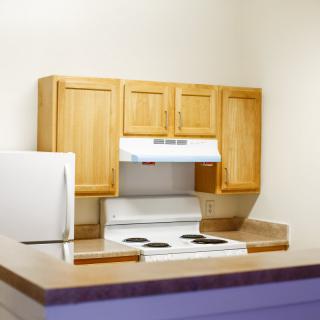
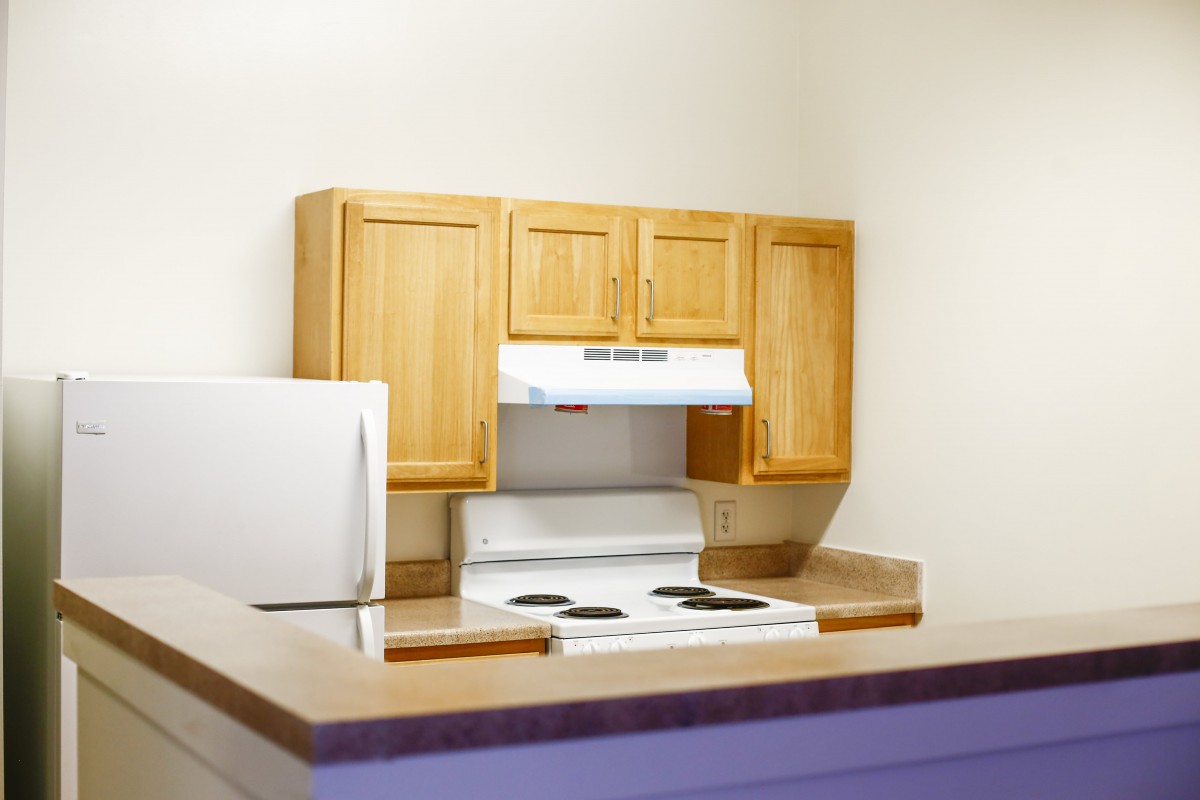
 Full kitchen
 Indoor common areas
 Outdoor common areas
 Philadelphia International (9 miles away)




 Recognizing the Journey: Understanding and Navigating Anticipatory Grief
 Encouraging Participation in Adult Day Care: A Guide to Supporting a Hesitant Parent
 Comprehensive Exploration of Living Wills and Other Advance Directives