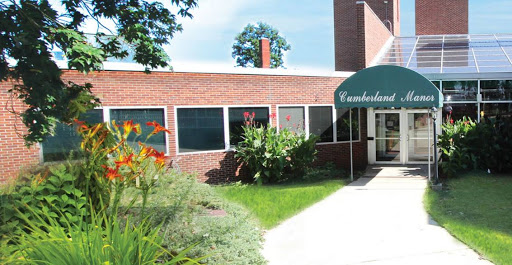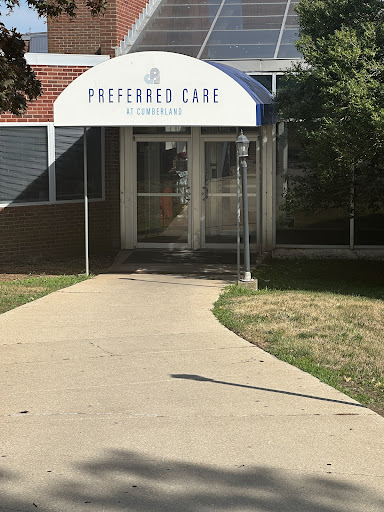

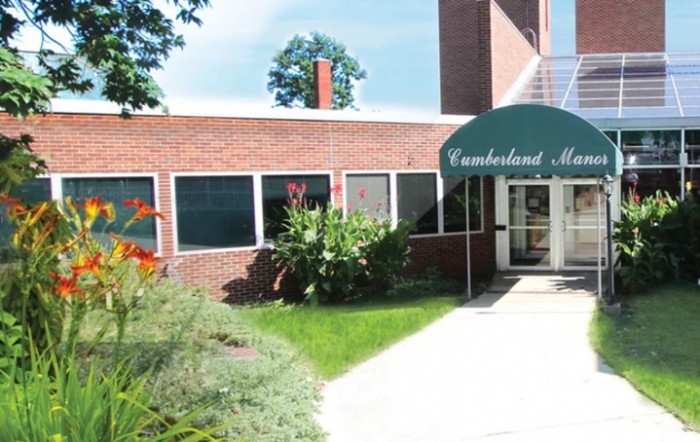




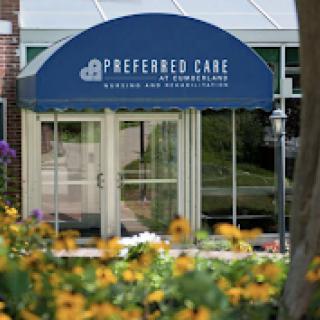
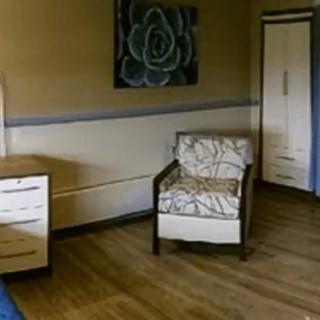
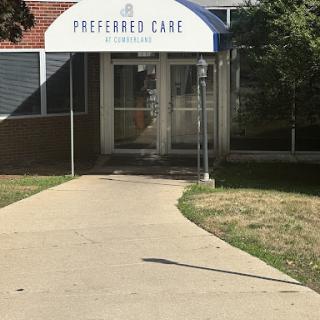

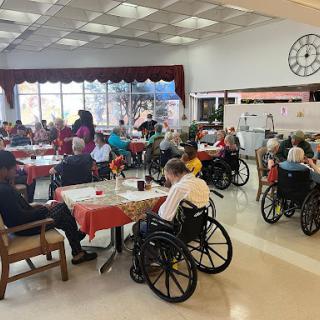
154 Sunny Slope Drive, Bridgeton, NJ 08302
For more information about senior living options: (866) 208-4318
Overall Review of Cumberland Manor Nursing And Rehabilitation Center
Pros
 The staff have been very good with her.
- They are really working with her.
- She has improved since she has been there.
- They make sure she is getting physical therapy.
- The overall experience has been excellent.
- Cumberland Manor is centrally located, which is convenient for the family.
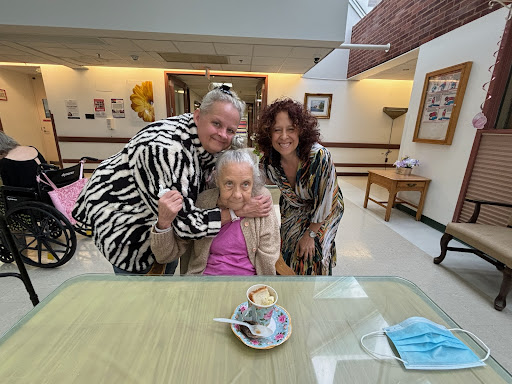
- The staff are very friendly and courteous.
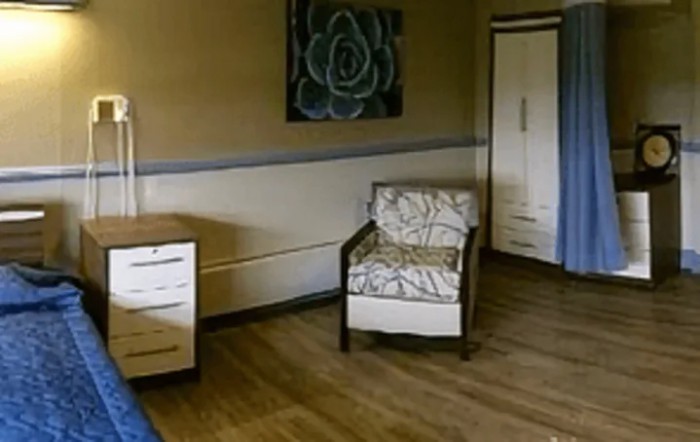
- The facility is very clean.
Cons
 The father had already passed away.
- He had more health issues than they anticipated.
- He had kidney trouble, then liver trouble, and then a blood infection.
Review
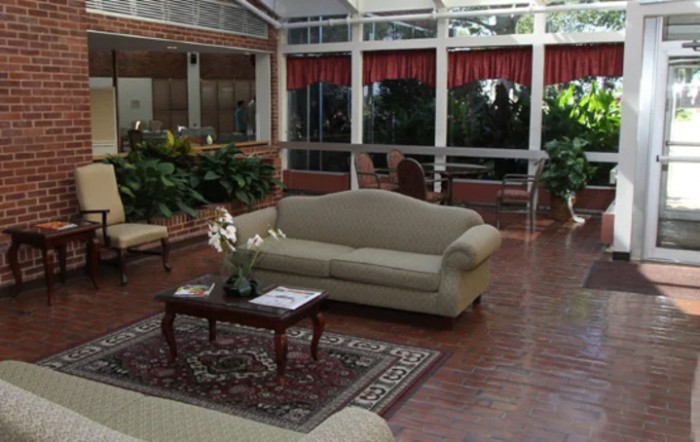
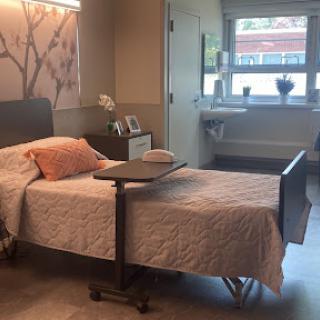
This community is best suited for families seeking a post-acute or short-to-medium-term nursing and rehabilitation option where the resident’s own physician can stay closely involved through Cumberland Manor’s medical director. The standout value is coordination: the PCP-turned-medical-director arrangement gives families confidence that medical decisions aren’t siloed from rehabilitation and daily care. The setting supports recovery rather than a clinical, hospital-like atmosphere, clean, approachable, and non-institutional, with therapy services clearly emphasized. For an aunt recovering from illness or surgery, the combination of physical therapy, attentive staff, and a calm, easy-to-reach location makes Cumberland Manor a practical, reassuring choice.
Those who may want to consider alternatives are families facing higher-acuity needs or longer-term chronic care requirements that demand more specialized memory care, complex medical oversight, or a facility with a broader range of long-term medical programs. If the expectation is frequent, intensive physician rounds or a highly specialized dementia unit, Cumberland Manor’s strengths in rehab and PCP alignment may not fully meet those needs. Similarly, if a hospital-like or boutique memory-care environment is a priority, or if robust daily programming and social opportunities beyond rehab are essential, other communities might deliver more comprehensive suites of services.
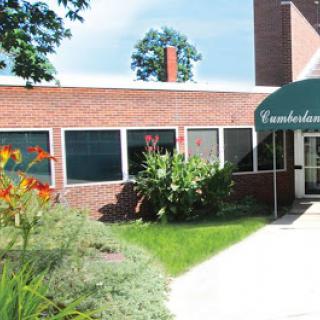
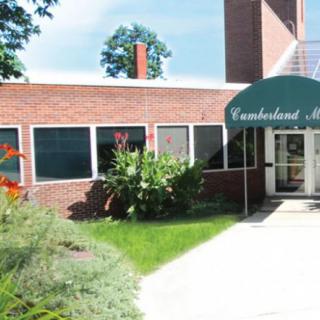
The strongest pros concentrate on medical alignment, rehab momentum, and environmental quality. Having the resident’s regular physician serve as medical director creates continuity of care that minimizes handoffs and potential miscommunications. Families reported noticeable improvement and meaningful engagement in therapy, with physical therapy clearly integrated into daily care. The staff’s courtesy, flexibility, and willingness to accommodate family wishes translate into smoother transitions and less friction during a vulnerable recovery phase. The facility’s cleanliness and the countryside setting contribute to a sense of well-being that can support recovery, reducing the fatigue that often accompanies a clinical stay. In short, clinical oversight, active rehabilitation, and a welcoming, tidy environment collectively offset the typical anxieties that accompany post-acute care.
Because the reviews show no explicit, concrete drawbacks, the main caveat lies in understanding what Cumberland Manor is not designed to be. The absence of reported downsides suggests strong overall performance, but families should probe for specifics about long-term care planning, especially if transitions to custodial care or chronic disease management will become ongoing. The favorable emphasis on physician involvement and rehab suggests a best fit for short-to-medium stays rather than extended, high-need, 24/7 medical management. The peace-and-country-side appeal is a notable bonus, yet it also signals that the setting may be less urban or bustling than some counterparts; confirm that transportation, activity calendars, and connectivity align with personal expectations.
For decision-making, take a concrete, hands-on approach. Schedule a tour and ask to meet the medical director to discuss how care plans are coordinated across nursing, rehab, and therapy services. Verify therapy hours, therapist availability, and the specific rehabilitation modalities offered (and whether they align with the resident’s goals). Inquire about daily routines, meals, activities, and how staff handle changes in condition, especially during weekends or holidays. Clarify what “accommodating wishes” looks like in practice and how family communication is maintained. Compare Cumberland Manor’s pricing and what’s included with nearby options that offer similar rehab strengths but different programming or care models.
Overall, Cumberland Manor Nursing And Rehabilitation Center emerges as a solid choice for families prioritizing medical continuity, active rehabilitation, and a comfortable, home-like environment. It serves well for post-acute recovery when the resident’s physician wants to maintain oversight and when the family values a friendly, accessible staff and a tranquil setting. If the need centers on more intensive long-term medical management, memory-care specialization, or a more urban, activity-rich environment, alternatives should be explored. For most families seeking reliable rehab outcomes paired with physician-led coordination and a gentle, non-institutional atmosphere, Cumberland Manor stands up to scrutiny and warrants serious consideration.
 196 resident community capacity
 Skilled Nursing Facility
 Air-conditioning
 Beauty salon
 Cable or satellite TV
 Computer center
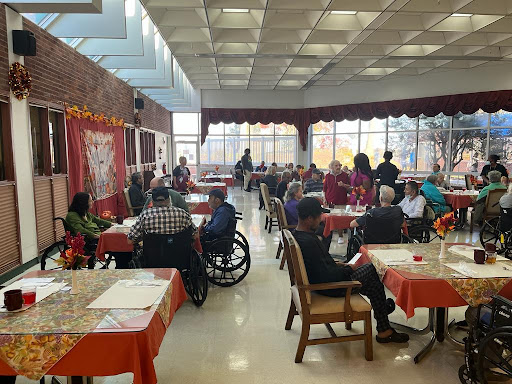
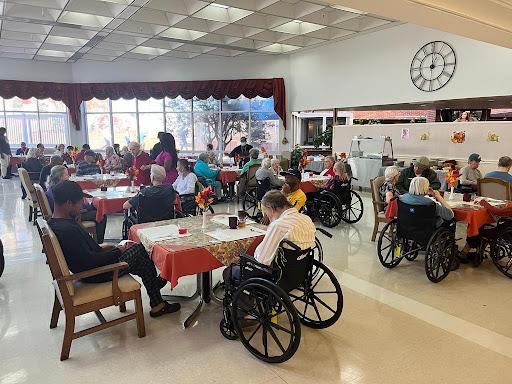
 Dining room
 Fitness room
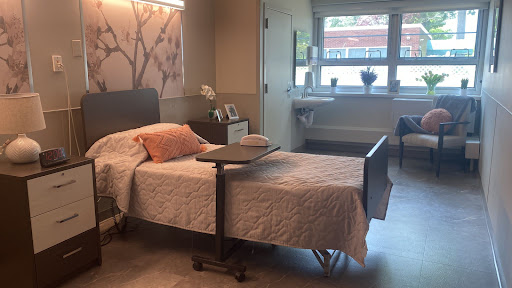
 Fully furnished
 Gaming room
 Garden
 Housekeeping services
 Kitchenette
 Move-in coordination
 Outdoor space
 Private bathrooms
 Restaurant-style dining
 Small library
 Telephone
 Wellness center
 Wi-Fi/high-speed internet available
 Community operated transportation
 12-16 hour nursing
 24-hour call system
 Activities of daily living assistance
 Assistance with bathing
 Assistance with dressing
 Assistance with transfers
 Diabetes diet
 Medication management
 Mental wellness program
 Special dietary restrictions
 Concierge services
 Planned day trips





 Managing Nursing Home Expenses After Medicare Coverage Ends
 Is a Geriatric Care Manager the Right Choice for Your Family?
 Compassionate Conversations: How to Comfort Someone Who Is Grieving