Assisted Living At Renaissance in Bridgeton, NJ

Save
Assisted Living At Renaissance Assisted Living At Renaissance Assisted Living At Renaissance Assisted Living At Renaissance

Assisted Living At Renaissance in Bridgeton, NJ

99 Manheim Avenue, Bridgeton, NJ 08302

For more information about senior living options: (844) 490-3973

2.5 from 33 reviews
5 stars
12
4 stars
0
3 stars
1
2 stars
0
1 stars
20

Overall Review of Assisted Living At Renaissance

Pros

  • pro The management team is great and very helpful.
  • pro Melinda in admissions helps families through difficult financial issues with a smile.
  • pro Mark the Administrator always checks on everyone to make sure they have what they need.
  • pro The staff from nurses to the physical therapists are kind, compassionate, and motivating.
  • pro The therapy is excellent and helps residents improve.
  • pro The nursing staff is excellent, and the food is excellent.
  • pro The staff are friendly and treat residents like family.
  • pro The janitor was the most helpful and lovely person there.
  • pro Great facility with friendly staff.

Cons

  • pro The therapy the resident was supposed to receive was virtually nonexistent.
  • pro There was a lot of finger-pointing and no one took responsibility, which felt very unprofessional.
  • pro The facility had mold-infested air conditioning units and filthy heater units.
  • pro The staff was understaffed and not equipped to care for dementia or diabetic patients.
  • pro A family member suffered a left hip fracture due to delayed care, with surgery not performed promptly.
  • pro The meals and dietary practices were inadequate, including a cardiac diet patient being served salt on her tray.
  • pro The staff were rude and unresponsive, with attempts to reach the patient’s nurse repeatedly transferred.
  • pro There were reports of abuse or unsafe handling, including a staff member allegedly drugging a patient.
  • pro The place was described as dirty, unsafe, and a facility that should be shut down.

Review

Assisted Living At Renaissance in Bridgeton is best suited for families that can tolerate a storefront of care challenges while valuing a responsive, accessible management team and admissions staff who will actively help with financial and logistical hurdles. It is a place where the leadership and front-desk personnel are visible and willing to engage, and where residents who require only moderate assistance with daily activities may find a collegial, watchful environment. For families who prize personal accountability from leadership, a facility that makes the administrator and admissions counselor tangible points of contact, Renaissance can feel navigable in the moment and may offer a more affordable entry point compared to higher-end rivals. But this suitability rests on a willingness to overlook what often emerges as the facility’s persistent tensions between good intentions at the top and inconsistent execution on the floor.

Those who should seriously consider alternatives include anyone who cannot tolerate repeated red flags about safety, cleanliness, and reliable care. The collective reviews convey a troubling pattern: delayed responses to medical needs, reports of poor hygiene, and situations where residents are left without timely assistance or proper nutrition. Families with relatives at high risk for falls, cognitive impairment, or complex medical needs will want a setting with steady, well-staffed coverage and demonstrable adherence to care plans. If transparency and proactive problem-solving are nonnegotiable, and if a clean, well-maintained environment is non-negotiable, it is prudent to compare Renaissance against facilities with stronger licensing histories, higher staff continuity, and consistently positive resident experiences. In particular, facilities like Cumberland Manor or South Jersey Extended Care may offer more stringent safeguards and better day-to-day reliability, even if they come at a different price point or location.

The strongest positives at Renaissance revolve around leadership accessibility and the relationships academics have noted between staff and residents. The management team is described as helpful and engaged, with admissions personnel who work through financial concerns with a steady, confident demeanor. In the best moments, administrators are seen checking in on residents to ensure needs are met, a powerful signal of accountability that can make a material difference in daily well-being. When care teams operate at this level, residents experience warmth, routine encouragement, and a sense that someone is overseeing their comfort. For families who value a culture of approachable administration and a staff that appears to care, these elements can provide real reassurance and a foundation for trust, at least when the staff-to-resident balance holds steady.

However, the major downsides are not easily offset by strong management access. The recurring complaints depict a facility in which staffing instability, inconsistent training, and uneven adherence to care plans undermine basic safety and quality. Reports of delayed care, miscommunication about medical events, and even allegations of neglect or improper handling are grave red flags that cut directly against the premise of reliable assisted living. Census of issues ranges from routine irritants, noise around treatment decisions, variability in meal service, and periodic cleanliness concerns, to more alarming claims of critical injuries not promptly evaluated or addressed. Even when some caregivers remain kind and patient, the overarching picture is one of operational jitter where good intentions struggle to translate into consistently safe, clean, and predictable care.

In weighing the pros against the cons, a clear calculus emerges: strong leadership and a compassionate, responsive staff can improve resident experience where it counts, but widespread operational shortcomings limit the facility’s ability to deliver consistently safe, high-quality care. The existence of a visible, engaged management team does not absolve the need for reliable staffing, rigorous training, and enforceable care processes. For families, this means that while Renaissance may feel workable during short-term transitions or for residents with relatively modest needs, long-term placement decisions should require evidence of real, sustained improvements in staffing levels, response times, and facility conditions. The risk of recurring safety lapses or quality deficits cannot be dismissed.

When evaluating this community, prospective buyers should demand concrete, apples-to-apples comparisons. Request the latest state inspection reports and any plan of correction, inquire about current caregiver-to-resident ratios by shift, and observe a live mealtime and a nighttime call light response. Probe how special diets and medical orders are executed, and ask to review the resident personal belongings policy and any recent incidents or safety training refreshers. Seek current resident and family references, not just glossy assurances, and consider visiting multiple times at varied hours. If a family member requires robust rehab services, a high level of medical supervision, or a consistently clean, orderly environment, Renaissance should be weighed against other local options with stronger track records in these domains.

In the end, Assisted Living At Renaissance is a decision best made with eyes wide open. It can suit families prioritizing accessible administration and a warm interpersonal culture, especially where finances are a defining concern and care needs are moderate. Yet for anyone who cannot tolerate uneven care, potential safety risks, or ongoing questions about cleanliness and accountability, alternatives deserve priority consideration. The best path is a deliberate, structured site visit coupled with a hard look at licensing histories, staff stability, and inside-the-building conditions, followed by a direct comparison to other nearby communities known for consistent safety and dependable day-to-day performance.

Features

Housing

  • 16 resident community capacity 16 resident community capacity

Types of Care

  • Assisted Living Assisted LivingAssisted living facilities provide crucial support and care for seniors who may need help with daily tasks such as medication management, bathing, and meal preparation. These communities offer a safe and comfortable environment where seniors can maintain their independence while receiving the assistance they need to thrive in their golden years.
  • Board and Care Home Board and Care HomeBoard and care homes provide a smaller, more intimate setting for seniors who require assistance with daily tasks but do not need the level of care offered by a nursing home. They offer personalized care, meals, and social activities in a homelike environment, ensuring that seniors receive individualized attention and support in their golden years.
  • Skilled Nursing Facility Skilled Nursing FacilitySkilled Nursing Facilities are crucial for seniors as they provide round-the-clock medical care, rehabilitation services, and assistance with daily activities. These facilities ensure that seniors receive the specialized care they need to maintain their health and well-being as they age.

Amenities

  • Cable or satellite TV Cable or satellite TVCable or satellite TV is important for seniors because it provides entertainment, news, and companionship, helping to combat loneliness and boredom. It also offers a wide range of programming options tailored to different interests and preferences.
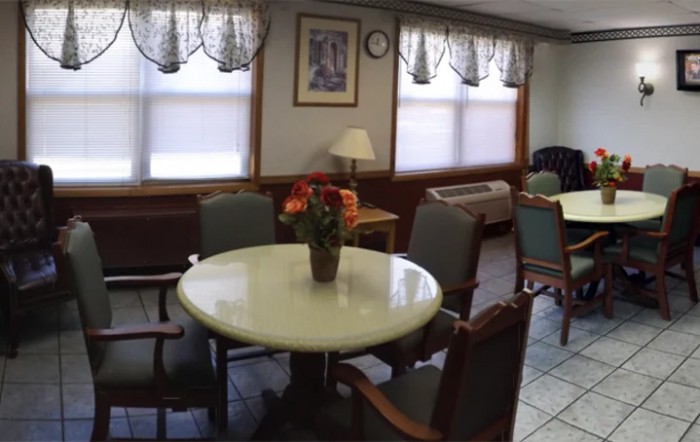
  • Dining room Dining roomDining rooms are important for seniors as they provide a space for socialization, connection, and nutritious meals. They offer opportunities for residents to bond over shared meals, foster a sense of community, and promote healthy eating habits. Dining rooms also ensure that seniors have access to well-balanced meals tailored to their dietary needs and preferences.
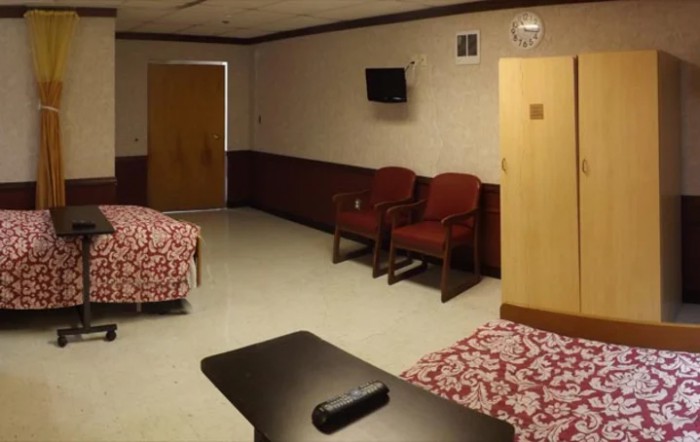
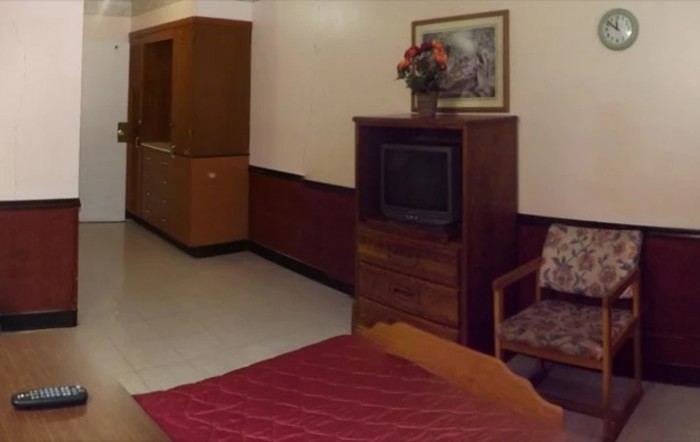
  • Fully furnished Fully furnishedFully furnished senior living communities are important for seniors because they provide convenience, comfort, and a hassle-free moving experience. Seniors can easily settle into their new living space without the stress of having to buy and move furniture. This allows them to focus on enjoying their new home and community.
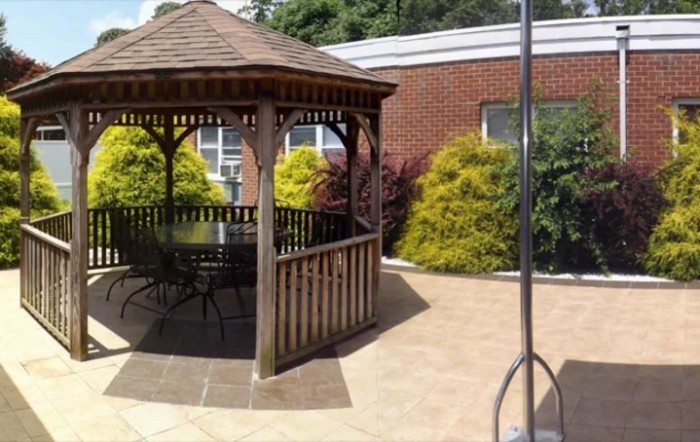
  • Garden GardenGardens are important for seniors as they provide a peaceful and therapeutic environment for relaxation, physical activity, and socialization. Being in nature has been shown to reduce stress, improve mood, and promote overall well-being. Gardens also offer opportunities for seniors to engage in gardening activities, which can improve mobility, flexibility, and cognitive function. Additionally, gardens create a sense of community and connection with others who share a passion for plants and outdoor spaces.
  • Housekeeping services Housekeeping servicesHousekeeping services are important for seniors because they help maintain a clean and safe living environment, promote independence, and reduce the risk of accidents or illnesses. Additionally, having assistance with household chores can alleviate physical strain and allow seniors to focus on other aspects of their well-being.
  • Move-in coordination Move-in coordinationMove-in coordination is important for seniors because it helps ease the transition into their new living environment. It ensures that all logistics, such as packing, organizing movers, and setting up utilities are taken care of, allowing seniors to focus on settling in and adjusting to their new home. Having a smooth move-in process can alleviate stress and anxiety, making the transition smoother and more enjoyable for seniors.
  • Outdoor space Outdoor spaceOutdoor spaces are important for seniors as they provide opportunities for physical activity, social interaction, exposure to natural light and fresh air, and a sense of connection to nature. Having access to outdoor spaces can improve overall well-being and quality of life for older adults living in senior communities.
  • Telephone TelephoneTelephones are important for seniors as they provide a lifeline for communication with loved ones, emergency services, and healthcare providers. They offer a sense of security and independence, enabling seniors to stay connected and access assistance when needed.
  • Wi-Fi/high-speed internet available Wi-Fi/high-speed internet availableWi-Fi/high-speed internet is important for seniors to stay connected with loved ones, access online resources, and participate in virtual activities to combat feelings of loneliness and isolation. It also allows them to easily manage healthcare needs, access entertainment, and engage in lifelong learning opportunities.

Care Services

  • 24-hour supervision 24-hour supervision24-hour supervision is important for seniors to ensure their safety, well-being, and access to immediate assistance in case of emergencies or health issues. This constant support provides peace of mind for both seniors and their loved ones, allowing them to age in place with dignity and security.
  • Activities of daily living assistance Activities of daily living assistanceActivities of daily living assistance are important for seniors because they provide essential support with tasks such as eating, bathing, dressing, and mobility. This assistance helps seniors maintain their independence, dignity, and overall quality of life as they age.
  • Assistance with bathing Assistance with bathingAssistance with bathing is crucial for seniors as it helps maintain personal hygiene, prevents infections, and ensures their overall well-being and comfort. It also provides a sense of dignity and independence for seniors who may struggle with this task on their own.
  • Assistance with dressing Assistance with dressingAssistance with dressing is important for seniors because it helps maintain their independence, promotes personal hygiene, prevents accidents and injuries, and improves overall quality of life. This service ensures that seniors can continue to dress comfortably and confidently, despite any physical limitations they may have.
  • Assistance with transfers Assistance with transfersAssistance with transfers is crucial for seniors as it helps prevent falls and injuries, maintains their independence, and ensures they can safely navigate their living environment. It also provides peace of mind for both seniors and their loved ones.
  • Coordination with health care providers Coordination with health care providersCoordination with health care providers is crucial for seniors to ensure proper medical care, medication management, and overall well-being. This collaboration helps prevent overlapping treatments, track progress more effectively, and provide comprehensive support tailored to individual needs.
  • Diabetes diet Diabetes dietA diabetes diet is crucial for seniors as it helps manage blood sugar levels, reduce risks of complications, and improve overall health and well-being. By following a balanced and nutritious diet tailored to their specific needs, seniors can better control their diabetes and enhance their quality of life.
  • Meal preparation and service Meal preparation and serviceMeal preparation and service are crucial for seniors as they may have limited mobility or energy to cook nutritious meals. Having access to healthy and convenient food options can ensure they are getting the proper nutrition needed to maintain their overall health and well-being.
  • Medication management Medication managementMedication management is crucial for seniors to ensure they are taking the right medications at the correct dosages and times. This helps prevent adverse drug interactions, reduces the risk of medication errors, and promotes overall health and well-being. Proactive management also allows for adjustments as needed based on changing health conditions or new prescriptions.
  • Special dietary restrictions Special dietary restrictionsSpecial dietary restrictions are important for seniors because age-related changes in metabolism and health conditions can make it difficult for their bodies to process certain foods. By following a diet tailored to their specific needs, seniors can maintain their overall health and well-being, manage chronic conditions, and reduce the risk of complications such as malnutrition or food interactions with medications.
  • Transportation arrangement (medical) Transportation arrangement (medical)Transportation arrangements for medical purposes are essential for seniors as they may have difficulty driving themselves to appointments or accessing public transportation. Having reliable and safe transportation options ensures that seniors can receive timely medical care and maintain their health and well-being.
  • Transportation to doctors appointments Transportation to doctors appointmentsTransportation to doctors' appointments is crucial for seniors as it ensures they have access to necessary medical care and support for their health needs. Without reliable transportation, seniors may struggle to attend important appointments, leading to potential delays in treatment and health complications. Providing transportation services helps seniors maintain their overall well-being and quality of life.
Dining

  • Diabetes diet Diabetes dietA diabetes diet is crucial for seniors as it helps manage blood sugar levels, reduce risks of complications, and improve overall health and well-being. By following a balanced and nutritious diet tailored to their specific needs, seniors can better control their diabetes and enhance their quality of life.
  • Special dietary restrictions Special dietary restrictionsSpecial dietary restrictions are important for seniors because age-related changes in metabolism and health conditions can make it difficult for their bodies to process certain foods. By following a diet tailored to their specific needs, seniors can maintain their overall health and well-being, manage chronic conditions, and reduce the risk of complications such as malnutrition or food interactions with medications.

Activities

  • Community-sponsored activities Community-sponsored activitiesCommunity-sponsored activities are important for seniors as they provide opportunities for social interaction, mental stimulation, and physical activity. These activities can help improve overall well-being, combat loneliness and isolation, and promote a sense of belonging and purpose among older adults.
  • Scheduled daily activities Scheduled daily activitiesScheduled daily activities are important for seniors because they provide structure, socialization, mental stimulation, and physical activity. Engaging in regular activities can improve overall well-being and quality of life for seniors living in a community setting.

Description

Located in Bridgeton, NJ, Assisted Living At Renaissance offers a comfortable and caring environment for seniors in need of assistance with daily activities and medical care. This community provides two types of care options: board and care home as well as skilled nursing facility.

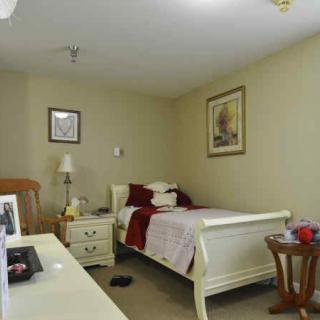
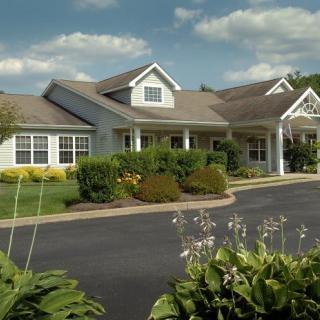
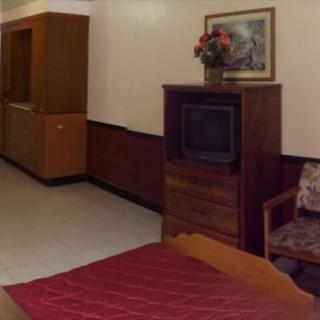
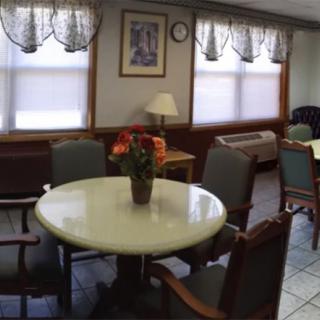
Residents at Assisted Living At Renaissance enjoy a range of amenities designed to enhance their quality of life. A spacious dining room ensures that meals are served in a social setting, while fully furnished accommodations provide comfort and convenience. The community also features a beautiful garden and outdoor space, perfect for residents to relax or engage in outdoor activities. Housekeeping services ensure that the living areas remain tidy and welcoming.

Assisted Living At Renaissance understands the importance of a seamless move-in process, which is why they offer move-in coordination services. Residents can settle in quickly and easily without any added stress. In addition, there is access to telephone service as well as high-speed Wi-Fi internet connection, allowing residents to stay connected with loved ones or explore the digital world at their convenience.

Care services at Assisted Living At Renaissance cater to individual needs and include assistance with activities of daily living such as bathing, dressing, and transfers. The community works closely with healthcare providers to ensure proper coordination of medical care. For residents with specific dietary requirements or restrictions, there are diabetes diets available as well as special dietary options.

Medication management is provided to ensure residents receive their prescribed medications on time and correctly. Transportation arrangements for medical purposes can be arranged by the community, ensuring residents have access to necessary healthcare appointments conveniently. Additionally, transportation services for doctor's appointments are also provided.

Residents have the opportunity to engage in scheduled daily activities that cater to their interests and promote socialization within the community. Whether it's participating in group exercises or enjoying cultural events, there is something for everyone.

Assisted Living At Renaissance benefits from its convenient location with three pharmacies, twelve physicians' offices nearby, seven restaurants offering varied dining options, and a place of worship within close proximity. This allows residents easy access to medical services, dining out options, and spiritual support.

Assisted Living At Renaissance strives to provide a supportive and enriching environment for seniors in Bridgeton. With its comprehensive care services, inviting amenities, and convenient location, this community is an ideal choice for those seeking assisted living accommodations with a range of care options available.

Nearby Places of Interest

Physicians

  • Cohanzick Orthopedics (0.2 miles)
  • Iqbal & Khan Surgical Associates Pa (0.2 miles)
  • Dr. Jack M. Shields, MD (0.2 miles)
  • Dr Scott Fishman's Office (1.4 miles)
  • First Step Pediatrics (1.5 miles)
  • Dr Steven L. Rodis, MD (1.5 miles)
  • Dr Patitucci's Office (1.9 miles)

Restaurants

  • Terrigno's Bakery (0.8 miles)
  • Wendy's (0.9 miles)
  • McDonald's (1 miles)
  • McDonald's (1.8 miles)
  • Golden Pigeon (2.2 miles)
  • Subway (2.3 miles)
  • Green Olive Restaurant (2.6 miles)

Pharmacies

  • Rite Aid (1 miles)
  • Rite Aid (1.9 miles)
  • Walmart Pharmacy (2.3 miles)
  • Health First Pharmacy (9.6 miles)
  • CVS Pharmacy (9.7 miles)
  • Walgreens (9.7 miles)
  • Rite Aid (9.7 miles)

Places of Worship

  • Bethel Baptist Church (2.7 miles)
  • Newlife Church (9.3 miles)
  • Higher Places Ministry (10.2 miles)

Parks

  • Parvin State Park (7 miles)
  • South Vineland Park (9.7 miles)

Hospitals

  • SJH Cardiopulminary (8.5 miles)
  • Luciano Bispo, MD - Premier Women's Health of South Jersey (8.7 miles)
  • DaVita Vineland At Home (11.5 miles)

Cafes

  • Starbucks (9.5 miles)
  • Starbucks (9.6 miles)

Frequently Asked Questions

Where is Assisted Living At Renaissance?
What photos are available for Assisted Living At Renaissance in Bridgeton, New Jersey?

Nearby Communities

  • Noble Senior Living at Bridgeton

    Noble Senior Living at Bridgeton

    Bridgeton, NJ

    4.6 from 14 reviews
    $6,500 to $7,500 / month

    pro Upscale memory-care focused community with on-site beauty, devotional services, restaurant-style dining, and diverse activities.
  • Riverwalk Senior Apartments

    Riverwalk Senior Apartments

    Bridgeton, NJ

    4.5 from 16 reviews
    $616 to $715 / month

    pro Informative tour with clean facilities and friendly, helpful staff.

  • Bridgetowne Arms Apartments

    Bridgetowne Arms Apartments

    Bridgeton, NJ

    3.6 from 8 reviews
    $1,050 to $1,195 / month

    pro Clean, tranquil living with a friendly community and attentive management.

  • Cumberland Manor Nursing And Rehabilitation Center

    Cumberland Manor Nursing And Rehabilitation Center

    Bridgeton, NJ

    4.5 from 2 reviews
     

    pro Continuity of care with the resident's physician as medical director and attentive staff.

  • Cumberland Manor

    Cumberland Manor

    Bridgeton, NJ

    4.5 from 110 reviews
     

    pro Comprehensive medical care with easy access to multiple pharmacies and physicians, plus nearby dining and worship options.

  • Eagleview Health And Rehabilitation

    Eagleview Health And Rehabilitation

    Pittsgrove, NJ

    4.4 from 93 reviews
     

    pro Wide range of amenities and care services.

  • Baker Place

    Baker Place

    Vineland, NJ

    4.6 from 40 reviews
    $2,800 to $6,270 / month

    pro Outstanding staff in a beautiful, well-maintained facility with ample activities.

  • Clayton Mews

    Clayton Mews

    Clayton, NJ

    4.2 from 58 reviews
     

    pro Convenient access to nearby pharmacies, physicians, dining, and theater.

  • The Village Grande at Camelot

    The Village Grande at Camelot

    Glassboro, NJ

    4.3 from 31 reviews
     

    pro Personalized care with meal preparation and medication management, plus Wi-Fi access and nearby parks, pharmacies, and dining options.

Related Resources

  • senior move managementSenior Transition Services: Understanding Their Role, Cost, and Importance

    Senior move management services assist older adults in the relocation process by providing emotional support and organizational help, addressing unique challenges like downsizing and moving from long-term homes. These specialists collaborate with real estate agents and manage logistics, making the transition smoother for seniors and their families.

  • independent living vs assisted livingExploring the Path to Senior Living: A Comprehensive Look at Independent Living and Assisted Living

    The article examines senior housing options, detailing the distinctions between independent living and assisted living, along with the emerging "independent assisted living" model that blends both approaches. It highlights the importance of assessing individual needs, preferences, and financial factors in making informed decisions about suitable living arrangements for seniors.

  • is assisted living tax deductibleIs Assisted Living Deductible on Your Taxes? Understanding the Complexities of Assisted Living Expenses and Deductions
    The deductibility of assisted living expenses on taxes hinges on factors like the individual's medical condition and service nature, typically requiring the resident to be "chronically ill" per IRS definitions. Taxpayers may deduct eligible medical expenses related to personal care services but generally not rent unless primarily for medical care, and they should maintain thorough documentation to support claims while considering itemizing versus standard deductions.