
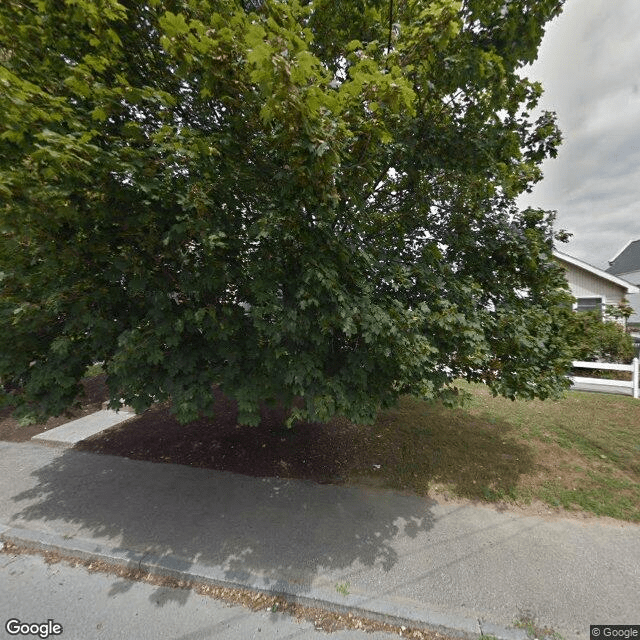
307 Douglas St, Manchester, NH 03102
To contact a resident: (603) 668-5423
For more information about senior living options: (866) 208-4318
Overall Review of Moore Center
Pros
 The Moore Center offers ample parking spaces.
- The facility is very clean, with nice, helpful staff, and is regarded as a great organization.
- The staff are described as the nicest and most devoted, guiding caregivers to services.
- Kristine A. is praised as amazing and very helpful, aiding both the child and the parent with learning methods.
- The Moore Center goes the extra mile to help families with just about anything.
- The center is widely praised for the important work it does.
- A weekly instructor helped the child learn and grow significantly.
- The staff are consistently there for families.
Cons
 The Moore Center sucks.
- It needs more funding.
- There is never enough parking.
- The Moore Center’s age limit ends services at age 3, which is frustrating.
- The reviewer notes that their brother really doesn’t like getting hit.
Review
Moore Center in Manchester, NH is best suited for families and caregivers who are navigating developmental or brain-injury-related needs in a child within the local catchment. The community earns its strongest endorsement from a staff that is consistently described as devoted and accessible, willing to step in and guide families through a maze of services. For families who want a practical, hands-on partner to coordinate education, therapies, and community resources, Moore Center stands out as a reliable ally.
Those with needs that go beyond the center’s core focus should consider alternatives. In particular, families seeking ongoing services for older children or for adults with brain injury may find the Moore Center’s model less aligned with their long-term requirements. The central constraint that repeatedly surfaces is an age-related limitation: several reviews note services effectively cap around age three, leaving families with older kids or young adults to seek other options. For these families, planning a continuous care pathway elsewhere is prudent, even as they value the center’s immediate strengths.
The strongest positives are the human elements: a compassionate, responsive staff and a culture of practical support. Caregivers repeatedly praise staff for being “there” and for guiding them to the right services, often yielding tangible benefits in daily management and access. A standout example is the impact of an education instructor (Kristine A.), whose weekly sessions over a year produced meaningful growth in a child and provided the parent with new teaching strategies. The environment itself is described as clean and well-organized, reinforcing a sense of reliability and professionalism that families can lean on when navigating complex needs. Parking is mentioned as a helpful convenience by some, while others note it can be tight during peak times, a mixed but manageable logistical reality.
On the downside, the most consequential drawback is the age ceiling. The reality that services end around age three can be a deal-breaker for any family hoping for a seamless continuum into preschooler, school-age, or adolescent supports under one umbrella. Funding pressures appear as a secondary headwind in several reviews, signaling that resources can feel stretched and that capacity may vary by program. There are also-lived comments from a minority of users who express frustration or dissatisfaction, underscoring that experiences can diverge and that expectations should be tempered by awareness of resource constraints. Parking, while generally workable, is not universally praised as abundant, hinting at occasional access friction during busy periods.
Yet the pros do genuinely offset the cons for the community Moore Center serves. When the target is early intervention and caregiver navigation, the staff’s dedication translates into real, practical benefits: families gain a trusted guide who helps them marshal therapies, education, and community supports with less stress and more clarity. The case for Moore Center rests on outcomes that matter to families, learning progress for children, better coordination of services, and a supportive, perceived partner who shows up consistently. The emphasis on hands-on guidance, combined with a clean, organized environment and attentive clinicians, creates an environment where families feel heard and supported, even as they confront industry-wide funding realities.
The practical conclusion is clear. For Manchester families focusing on early childhood development or brain-injury support within a young demographic, Moore Center is a strong, arguably excellent choice when a devoted care team and a navigational partner are paramount. For those whose needs extend beyond age three or require long-term adult services, it is wise to explore alternatives or plan a transition early in the process. Prospective families should engage intake with explicit questions about age ranges, program scope, and funding options; seek conversations with current families about parking logistics; and request a raw outline of services to understand how a potential fit will evolve as the child grows. In the right alignment, Moore Center delivers meaningful, heart-backed service that families will value for years.
 Skilled Nursing Facility
 Manchester (4 miles away)



 Home Health Care Aides: Understanding Their Role and Supporting Your Family
 Urinary Tract Infections in Older Adults: Comprehensive Insights on Symptoms, Treatment, and Prevention
 California's Form 602A: An In-Depth Examination of Senior Care Assessment