
30 County Drive, Laconia, NH 03246
For more information about senior living options: (866) 208-4318
Overall Review of Belknap County Nursing Home
Pros
 The staff are wonderful, friendly, and professional.
- The NP and MD are proactive in patient care.
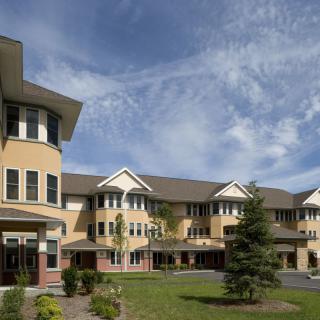
- The facility has two courtyards and a large activity area.
- The dining area is nice and divided into pods for group seating.
- The rooms are spacious and comfortable, with generous size.
- The staff appear to be very well trained.
- The reviewer loved their year-long experience there.
Cons
 The reviewer felt that everything at the facility was a constant battle.
- The problems persisted day after day, week after week, year after year.
- The staff’s solution was to move the mother out of the facility, which would only confuse an elderly resident.
- They wanted the advocate gone because of the strong advocacy for the mother.
- It was like pulling teeth to obtain the morphine she needed, with delays in analgesia.
- She was allowed only long delays between doses, with the last dose reported as given 16 hours earlier.
- The nurses refused to notify the family before the funeral home arrived, despite promises to do so.
- The head nurse made empty promises and spoke in a way that suggested they say what’s wanted to hear.
- Three morphine doses were given within about 90 minutes of her death, seen as inadequate timing for pain relief.
Review
Belknap County Nursing Home is best suited for families seeking a practical, engaged rehab-to-long-term option where staff oversight and social programming are priorities. This community shines for residents who benefit from proactive medical presence, friendly and professional teams, and an environment designed to encourage activity and interaction. The facility supports short stays for rehabilitation or transition, with a structure that emphasizes accessible care coordination from nurses, an NP, and medical doctors who take an active role in treatment planning. For families prioritizing attentive staff and a welcoming atmosphere, this setting typically delivers.
Those most likely to want alternatives should consider privacy and consistency of end-of-life care as non-negotiables. Private-room living is not the norm here, with double occupancy rooms and shared spaces that may feel crowded to some. For families that insist on private accommodations, a facility with guaranteed singles could be preferable. Equally important is transparent, unwavering family communication and highly consistent care plans, areas where experiences can diverge, and where a single troubling series of interactions can erode trust. In scenarios where meticulous, coordinated advocacy is essential, other options with a proven track record of steady family involvement may be worth a closer look.
On the upside, the pros are substantial and tangible. Staff are repeatedly described as friendly, professional, and well trained, and medical leadership is characterized as proactive. The physical design supports social engagement through two courtyards, a sizable activity area, and dining pods that facilitate group meals and conversation, which can be invaluable for mood, motivation, and cognitive stimulation. The long-standing impressions from several reviewers, positive anecdotes about rehab stays and daily care, underscore a consistent thread: residents tend to feel cared for by capable hands, and families appreciate facilities that foster a sense of normalcy and activity.
Yet the most cautionary notes come from the more critical accounts, which illuminate potential flaws in care delivery and communication. A particularly troubling review recounts persistent care-plan gaps, a sense of advocacy fatigue, and an impression that concerns were treated as obstacles to bedspace rather than triggers for action. The account details delays and hesitancy around end-of-life care, including pain management and timely notification, patterns that cannot be dismissed lightly. These experiences emphasize a real risk: without vigilant family engagement and explicit, documented care protocols, the quality of care may swing and governance may feel reactive rather than proactive.
Taken together, the balance tilts toward practicality: this is a solid choice for rehab-oriented or transitional needs, with a staffing culture and physical layout that support daily engagement and medical oversight. The caveats are equally clear. If privacy, consistent, transparent end-of-life care, and a track record of reliable family communication are non-negotiable, there may be better fits in the same market. Families should verify, in concrete terms, that private-room options exist or are feasible, that care plans come with explicit timelines and accountability, and that a clear escalation path is in place for concerns. The right fit hinges on whether the positives, staff and medical engagement, social design, and an active environment, can outweigh the need for uncompromising privacy and consistently proactive family collaboration.
Practical next steps: request a structured tour focused on care planning, speak with the administrator about private-room availability or expected wait times, and ask for recent care plans and escalation procedures. Inquire about how pain management is documented and administered, and how family notifications are handled during urgent changes or end-of-life moments. Contact current residents or families to gauge day-to-day realities beyond glossy marketing. If rehabilitative potential and a warm, engaged community rank highest, Belknap County Nursing Home can be a strong match; if unwavering privacy, consistent, transparent end-of-life care, and fully empowered family advocacy are non-negotiable, explore alternatives with the same thoroughness.
 94 resident community capacity
 Skilled Nursing Facility
 Air-conditioning
 Beauty salon
 Cable or satellite TV
 Computer center
 Dining room
 Fitness room
 Fully furnished
 Gaming room
 Garden
 Housekeeping services
 Kitchenette
 Move-in coordination
 Outdoor space
 Private bathrooms
 Restaurant-style dining
 Small library
 Telephone
 Wellness center
 Wi-Fi/high-speed internet available
 Community operated transportation
 12-16 hour nursing
 24-hour call system
 Activities of daily living assistance
 Assistance with bathing
 Assistance with dressing
 Assistance with transfers
 Diabetes diet
 Medication management
 Mental wellness program
 Special dietary restrictions
 Concierge services
 Planned day trips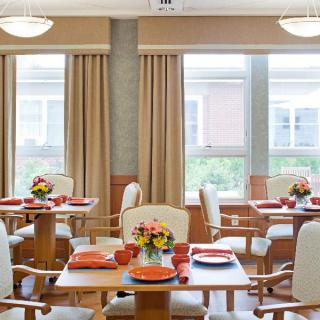





 A Comprehensive Exploration of Common Misunderstandings about Powers of Attorney
 Senior Move Management: Understanding the Role, Value, and Associated Costs
 Weight Training for Seniors: Building Strength and Vitality