Residents and families frequently describe staff as attentive, friendly, and compassionate.
Across many reviews, residents and family members say the team responds to needs, checks in, and treats people with kindness. Several comments highlight specific nurses and CNAs being supportive during rehab and recovery, including how they help with comfort and day-to-day needs. Even when other parts of care are criticized, multiple reviewers still mention staff being pleasant at least in some interactions.
common
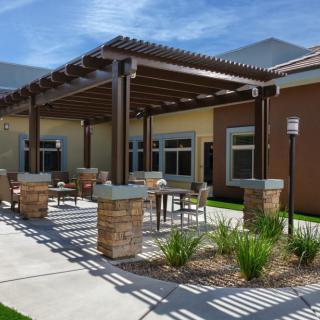
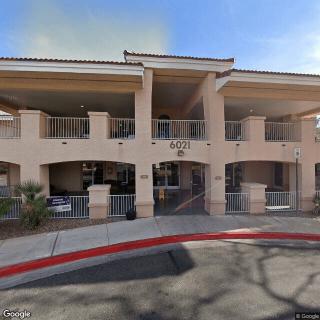
Clean, well-kept facility stands out
Multiple reviews point to a clean, well-maintained facility and rooms.
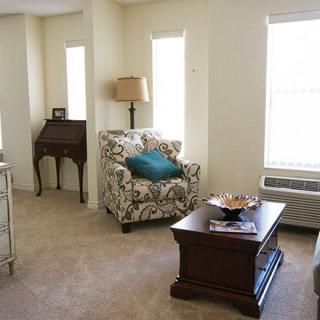
Many reviewers mention cleanliness and maintenance as a positive, describing the building as clean and the rooms as comfortable or well kept. Some also note organized, “homey” room setups and cleanliness in shared areas. A smaller number of reviews raise cleanliness concerns, but they are less prominent than the repeated mentions of cleanliness overall.
caveat
Food quality is a mixed experience
Food comes up often, with recurring complaints about meals arriving cold.
A significant number of reviews mention food, but the feedback is split. Several people say meals are cold and that warm replacement isn’t consistent, including complaints that food quality is not good enough. Other reviewers say the food is good or better than expected, and a few mention being accommodated when they ask for changes.
caveat
Care teams and schedules feel inconsistent
Some residents and families report understaffing and delayed help.
Alongside positive experiences, several reviews raise concerns about staffing levels and how quickly help is available. Complaints include being left without assistance for long stretches, delays in answering calls, and limited therapy coverage at times. A few reviews also describe minimal weekend staffing and fewer therapy services, which contributes to the feeling of uneven schedules.
common
Therapy and wound care get mentions
Therapy and wound care are described as helpful by multiple reviewers.
Many reviewers mention rehab therapy as part of their stay and say it supported recovery and mobility, often naming physical therapists when praising the care team. Some also specifically call out wound care as an area where the team did well. Where negatives appear, they focus more on inconsistency—such as fewer therapy days or delays—rather than a total lack of therapy.
differentiator
Mona Lisa receives standout praise
The unit manager Mona Lisa is repeatedly credited with responsive support.
Several reviews single out Mona Lisa for being attentive, responsive, and effective at getting needs handled during rehab and longer stays. Families describe her as helpful with communication, follow-through, and day-to-day comfort. While other reviews may be less positive overall, Mona Lisa is one of the most consistently named figures in both supportive and problem-focused stories.
How we summarize
We summarize when many written reviews mention each theme; a review can touch several themes, and only frequently mentioned themes are displayed.
Features
Housing
2 resident community capacity
Types of Care
Skilled Nursing Facility
Amenities
Cable or satellite TV
Dining room
Fully furnished
Garden
Housekeeping services
Move-in coordination
Outdoor space
Telephone
Wi-Fi/high-speed internet available
Transportation
McCarran International (9 miles away)
Care Services
24-hour supervision
Activities of daily living assistance
Assistance with bathing
Assistance with dressing
Assistance with transfers
Diabetes diet
Meal preparation and service
Medication management
Special dietary restrictions
Dining
Diabetes diet
Special dietary restrictions
Activities
Community-sponsored activities
Scheduled daily activities
Nearby Places of Interest
Restaurants
Chick-Fil-A (0.1 miles)
Addison's Lounge (3.1 miles)
Rampart Casino (3.1 miles)
Wendy's (3.6 miles)
Chick-Fil-A (3.7 miles)
The Phoenix Bar & Lounge (4.3 miles)
Chicago Brewing Company (4.6 miles)
Pharmacies
CVS Pharmacy (0.5 miles)
Walgreens (0.9 miles)
Walgreens (1 miles)
CVS Pharmacy (1.1 miles)
Smith's Food & Drug (1.6 miles)
Walgreens (2.5 miles)
CVS Pharmacy (2.6 miles)
Physicians
Nevada Spine Clinic (0.8 miles)
Las Vegas Radiology (1.1 miles)
Nevada Orthopedic & Spine Center (1.4 miles)
Longford Medical Building (1.4 miles)
MountainView Hospital (1.5 miles)
Center For Sight (3.1 miles)
Tottori Allergy (3.4 miles)
Hospitals
Mountain View Hospital-Labor and Delivery (1.5 miles)
PAM Rehabilitation Hostpital of Centennial Hills (6 miles)
Cafes
Dutch Bros Coffee (4.7 miles)
Starbucks (5 miles)
Starbucks (5.8 miles)
Starbucks (6.3 miles)
The LINQ Hotel & Casino (6.6 miles)
Theaters
Regal Red Rock 4DX & IMAX (5.9 miles)
Transportation
Las Vegas Monorail - Sahara Station (6 miles)
Las Vegas Monorail - Harrah's/Quad Station (6.6 miles)
The article examines living wills and advance directives, highlighting their significance in expressing healthcare preferences for those unable to communicate due to illness or incapacity. It discusses their historical development, legal components, limitations, practical drafting advice, and the importance of clear communication among families and healthcare professionals regarding end-of-life decisions.
Hospice care focuses on providing comfort and support for individuals nearing the end of life, with Medicare Part A covering services like nursing care and counseling for patients with a terminal illness and a life expectancy of six months or less. While most hospice services are low-cost for eligible patients, families should be aware that certain expenses, such as room and board, may not be covered.
Caregiver burnout is a common issue resulting from the intense physical, emotional, and mental demands of caregiving, leading to symptoms like fatigue and social withdrawal. To prevent burnout, caregivers should recognize early warning signs and implement self-care strategies, seek support, and prioritize their own well-being alongside that of those they care for.
Get PricingAsk A QuestionSchedule A TourContact Senior Advisor
By clicking submit, you agree to our Partner's Terms of Use. You
also consent to receive calls and texts, which may be autodialed, from our Partner. Your consent is not a condition to
using our Partner's service. Please visit our Partner's Privacy Policy for information about their privacy practices.

 2 resident community capacity
 Skilled Nursing Facility
 Cable or satellite TV
 Dining room
 Fully furnished
 Garden
 Housekeeping services
 Move-in coordination
 Outdoor space
 Telephone
 Wi-Fi/high-speed internet available
 McCarran International (9 miles away)
 24-hour supervision
 Activities of daily living assistance
 Assistance with bathing
 Assistance with dressing
 Assistance with transfers
 Diabetes diet
 Meal preparation and service
 Medication management
 Special dietary restrictions
 24/7 supervision with comprehensive care, diabetes-friendly meals, medication management, and medical transportation.

 A Detailed Exploration of Living Wills and Advance Directives
 Comprehensive Guide to Medicare Coverage for Hospice Care
 Caring for Those Who Care: Recognizing, Understanding, and Overcoming Caregiver Burnout