
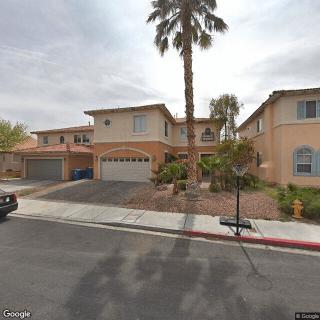
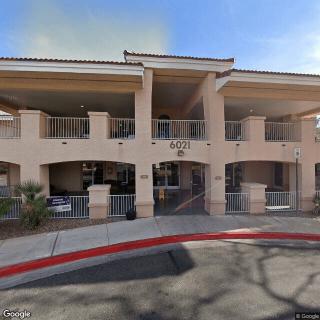
3391 North Buffalo Drive, Las Vegas, NV 89129
For more information about senior living options: (866) 208-4318
Overall Review of Caremeridian - Buffalo
Pros
 The staff are awesome.
- The facility is well organized and the staff really care about their patients.
- The smaller size of CareMeridian allows for more personal care.
- The nurses are great, and the rehab feels like home.
- The doctors are always around and quick to respond to patients’ needs, with an on-site social worker available to assist.
- CareMeridian is highly recommended.
Cons
 The reviewer claims CareMeridian neglected his brother with a severe TBI, causing deterioration and readmission to the hospital.
- The reviewer states staff failed to get him out of bed and neglected his hygiene.
- The reviewer describes Care Meridian on Buffalo for older children as awful, with some staff caring while others are there for a degree and pay, not for the patient.
- The reviewer says executives are very disrespectful to staff, with horror stories about the place and mortified children.
- The reviewer asserts it doesn’t deserve even one star, calling it a nightmare and evil, not a place for kids, with progress behind due to laziness.
- The reviewer claims the government hasn’t investigated, accusing the facility of not following codes and of carelessness.
Review
CareMeridian - Buffalo is best suited for adults who are recovering from surgery or have a post-acute rehab need and who want a smaller, hands-on environment. The community emphasizes a home-like feel, with therapists and nurses clearly accessible and daily touchpoints built into the routine. Physicians are readily available, and the setup supports individualized rehab plans rather than a one-size-fits-all approach. This setting shines for those who value personal attention and a tighter staff-to-resident dynamic. It is not presented as ideal for long-term custodial care, nor is it clearly positioned as a dedicated pediatric rehab facility, a distinction that matters given the mixed experiences described in the pediatric sphere.
Families with a child requiring specialized pediatric neuro rehab or parents seeking unwavering, uniform care across all shifts should consider alternatives. Several reviews describe serious concerns about the pediatric program, including disrespectful behavior attributed to some staff and leadership issues. Those concerns, coupled with reports of noncompliance with care codes, suggest this is not the place for families needing consistent, high-stakes pediatric oversight. For seniors without such pediatric needs, there are comparably strong options with clearer governance and more predictable performance.
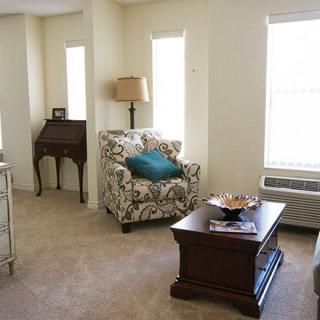
Among adults, the upside is real. The facility is repeatedly described as well organized and staffed with caring nurses, and rehabilitation is portrayed as effective. The smaller footprint allows more individualized attention, with physical therapy sessions that feel focused and personal. A post-spinal-fusion patient praised the therapy team and the overall safety and attentiveness of night staff, while other reviewers emphasized clean facilities and a warm, home-like atmosphere. The on-site doctor presence and the social worker support contribute to real-time problem-solving and discharge planning, which can smooth transitions back home.
Yet the downsides appear in the form of serious, high-stakes concerns. The most alarming account involves a severely injured relative who deteriorated after admission, with alleged neglect of basic hygiene and prolonged bed confinement. Such experiences raise critical questions about staffing levels, supervision, and accountability during shifts. Added to the pediatric caution, these narratives create a fragile confidence in universal care quality and governance. For families weighing placement, the risk signals demand rigorous vetting of leadership responsiveness and concrete protections around resident welfare.
Where the positives meet reality, CareMeridian can offset risk for many post-acute needs. The intimate setting tends to translate into more frequent bedside checks, quicker escalation when concerns arise, and a rehab program that can be adjusted on the fly. If family members are actively involved in daily care planning, outcomes can be favorable, especially for shorter stays or a clearly defined rehab trajectory. But this offset only holds if governance remains tight, staff turnover stays low, and communication remains consistent across shifts. Prospective residents should insist on transparent metrics: staffing ratios, response times, and direct access to the supervising clinician.
Decision guidance: prioritize strong, personal rehab with rapid physician access in a compact, homey setting, and CareMeridian warrants serious consideration, preferably after an in-person tour and conversations with therapists, nurses, and the site administrator. Prepare a precise list of questions about daily schedules, therapy frequency, and escalation procedures if needs increase. For families with children or residents requiring robust, uniform pediatric or long-term custodial care, explore alternatives with proven pediatric programs or stronger long-term oversight. In all cases, verify current state inspections and request the latest care plan and incident logs before committing.
 24 resident community capacity
 Skilled Nursing Facility
 Beauty salon
 Cable or satellite TV
 Dining room
 Fully furnished
 Garden
 Housekeeping services
 Kitchenette
 Move-in coordination
 Outdoor space
 Restaurant-style dining
 Small library
 Telephone
 Wi-Fi/high-speed internet available
 McCarran International (12 miles away)
 24-hour call system
 Activities of daily living assistance
 Assistance with bathing
 Assistance with dressing
 Assistance with transfers
 Diabetes diet
 Medication management
 Mental wellness program
 Special dietary restrictions





 Understanding the Nuances of Palliative Care and Hospice: A Comprehensive Exploration
 Fecal Incontinence in Older Adults: A Comprehensive Guide
 Recognizing the Journey: Understanding and Navigating Anticipatory Grief