
950 Ridgefield Drive, Carson City, NV 89706
For more information about senior living options: (866) 208-4318
Overall Review of Autumn Lane Senior Living
Pros
 They would have been happy to take care of someone if contacted.
- They would have helped the asthmatic resident during the quarantine if given the opportunity.
- They showed a willingness to assist others during challenging quarantine times.
- They would have provided care had there been communication.
Cons
 They describe management as lousy and say it has worsened in recent years.
- They report landscaping that used to be pristine is now rough and unkempt.
- They claim bad neighbors are never dealt with.
- They say tenants are nickel-and-dimed for even the tiniest repairs.
- They accuse corporate leadership of turning deaf ears to grievances and offering no place to air concerns except legal advice.
- They recount a lack of communication during quarantine, with stay-at-home orders complicating a resident’s ability to return home.
- They state they were threatened with additional action during the quarantine.
Review
Autumn Lane Senior Living in Carson City is best suited for families that want a practical, budget-conscious option and can tolerate uneven management and maintenance. The facility shows that the basics can be delivered when leadership is responsive, and a couple of residents have left positive five-star impressions, implying there are moments when care moments land well. Yet the overall signal from multiple voices is cautionary: management quality appears inconsistent, communication can break down, and everyday needs can be complicated by issues like upkeep and unexpected charges for minor repairs. For families willing to stay actively involved and push for timely responses, Autumn Lane can work; for those seeking a consistently proactive, resident-centered environment, it’s worth looking elsewhere.
Those with a tighter tolerance for risk in governance and a preference for strong, transparent operations should consider alternatives. If dependable communication, prompt maintenance, clear pricing with no surprise fees, and a culture that actively airs and resolves grievances are non-negotiables, this community may not meet the bar. Prospective residents who cannot or prefer not to advocate loudly on their own behalf may encounter frustration, feeling unheard when concerns arise. In short, Autumn Lane rewards engaged families but does not consistently deliver the steady reliability that many families expect from a top-tier assisted living option.
On the upside, the positive reviews hint at a facility that can deliver a solid day-to-day experience when problems stay within manageable bounds. Where management is attentive, residents may enjoy reliable basic services, a predictable routines, and a reasonable sense of independence. The appeal, then, rests on a contingent factor: whether the leadership and staff are present, reachable, and willing to respond in a timely way. The two high-rated experiences suggest that, for some residents, the environment can feel like a good fit, at least for periods when communication aligns with needs and expectations.
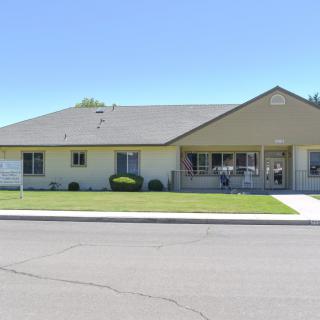
The darker undertow of the reviews centers on governance and upkeep. Recurrent complaints describe what amounts to lousy management, a decline in landscaping from previously prime conditions, and a system that nickel-and-dimes residents for even tiny repairs. Equally troubling is a perception that grievances and complaints are not adequately addressed, leaving residents and families with limited avenues for redress. These threads matter because they directly affect daily quality of life: if outdoor spaces look neglected, if minor repairs become battles, and if staff turnover limits continuity of care, the day-to-day experience can quickly shift from comfortable to frustrating.
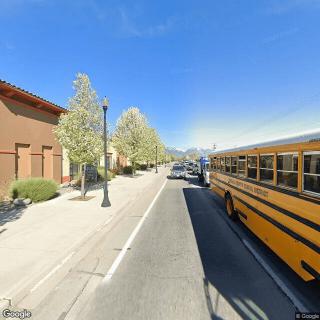
Families evaluating Autumn Lane should go in with a concrete checklist and a plan to verify each item in person. Ask for the current management structure, average response times to maintenance requests, and a transparent, written policy on how repairs are billed. Request a copy of the resident grievance process, and inquire how conflicts with neighbors are managed and resolved. Tour the grounds and common areas to assess cleanliness, landscaping maintenance, and noise levels; probe whether there are planned improvements or upgrades that would address the current concerns. Bring along a trusted advocate to observe how staff communicate and how concerns are documented and followed up.
In the end, Autumn Lane presents as a facility with mixed outcomes that tilt toward caution for families prioritizing consistent leadership, proactive care, and transparent operations. It can be a viable choice for those who can supervise care, negotiate on repairs, and press for timely updates, especially when budget constraints are central. However, for families seeking predictable, friction-free service with a robust grievance framework and consistently well-maintained environments, exploring alternatives in the Carson City area is strongly advised. The right decision hinges on whether the anticipated positives can be reliably replicated in daily life or whether the documented management and maintenance concerns already signal patterns unlikely to stabilize without heavy oversight.
 2 resident community capacity
 Skilled Nursing Facility
 Cable or satellite TV
 Dining room
 Fully furnished
 Garden
 Housekeeping services
 Move-in coordination
 Outdoor space
 Telephone
 Wi-Fi/high-speed internet available
 Reno Tahoe International (22 miles away)
 24-hour supervision
 Activities of daily living assistance
 Assistance with bathing
 Assistance with dressing
 Assistance with transfers
 Diabetes diet
 Meal preparation and service
 Medication management
 Special dietary restrictions
 A Detailed Exploration of Living Wills and Advance Directives
 Comprehensive Guide to Medicare Coverage for Hospice Care
 Caring for Those Who Care: Recognizing, Understanding, and Overcoming Caregiver Burnout