
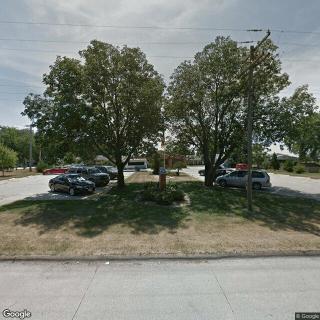
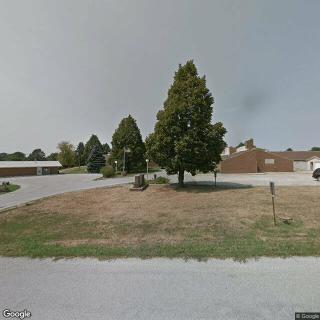
960 Prospect Road, West Point, NE 68788
For more information about senior living options: (866) 208-4318
Overall Review of Premier Estates Of West Point
Pros
 The staff treated his grandpa with respect and kindness.
- The caregivers showed visible sadness at his passing, indicating he was in good hands.
- The care team made up for the modest facilities with caring, attentive service.
- Overall, the experience was as good as it could have been given the circumstances.
Cons
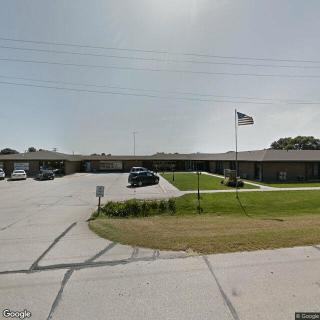
 The building was old and outdated.
- The rooms were very small, without windows, and residents had to share a room.
- The facilities weren't the nicest.
- They were skeptical about the facilities when first seen.
- The experience was a sad time for the family.
Review
Premier Estates Of West Point is best suited for families that prize caregiving warmth and everyday kindness over showroom-quality spaces. In West Point, NE, this community earns trust not by glossy interiors but by the way staff interact with residents, patient, respectful, and genuinely present during illness and grief. The building reads as older and the rooms are compact, with no windows and shared accommodations, yet those drawbacks recede when weighed against the care delivered by caregivers who treat residents as people first, not tasks. For families staring down a difficult health episode, the assurance that a loved one will be cared for with dignity and compassion can be the deciding factor in choosing a place where character counts as much as comfort.
Those who demand private space, natural light, and modern amenities should consider alternatives. Prospective residents who expect private rooms, windowed living areas, and a more contemporary aesthetic will likely feel mismatch with what’s on offer here. The lack of private accommodations is a meaningful constraint for residents who prize privacy or for families seeking a setup closer to home life. Additionally, with limited information on programming beyond caregiving, it’s hard to gauge whether daily life would meet expectations for longer-term living. In short, this community rewards those who value a strong caregiving culture more than architectural polish or luxury finishes.
On the upside, the core strength lies in the people, caregivers who show respect, kindness, and visible empathy. During challenging times, staff demeanor and behavior leave a lasting, positive impression, with caregivers showing sorrow and a clear sense of responsibility. That kind of emotional investment often translates into steadier, more attentive daily care, quicker responsiveness, and a sense that a resident’s comfort truly matters. When illness or end-of-life considerations are involved, such relational assets can significantly ease family worry and build trust more effectively than bright lobbies or updated amenity lists. These strengths offset some discomfort with the building’s age, but they do not erase the reality that space constraints and dated rooms shape everyday life in meaningful ways.
Maintenance and atmosphere reflect the facility’s aged footprint. The setting is not the selling point for most families, and modest rooms with a lack of natural light confirm that impression. Yet a decent overall condition suggests a stable, workable environment where staff can stay focused on care rather than constant upkeep. For families prioritizing safety, consistent staffing, and reliable day-to-day support, the environment may be acceptable if privacy and modern aesthetics are not non-negotiable. The central tension remains: enduring human connections versus less inspiring physical surroundings. The caregiving ethos can carry the community through tough moments, but it cannot fully compensate for the absence of private, sunlit living spaces over the long haul.
When evaluating, practical questions should drive the process: what room configurations exist, are private rooms possible, and what are the cost implications of private versus shared accommodations? Clarify meal service, activity options, medical oversight, and how transitions during illness are managed, particularly if palliative or hospice needs arise. Understand staff ratios, coverage by trained aides, and how family involvement is integrated into care planning and daily life. Transparency around care plans and responsiveness to changing needs matters as much as the daily atmosphere. The bottom line is clear: the strength of caregiving can shore up a difficult living environment, but authentic fit rests on whether privacy, space, and light meet the resident’s expectations.
In conclusion, Premier Estates Of West Point should be seriously considered by families who prize compassionate, consistent caregiving and are comfortable with an older building and shared, windowless rooms. It is less suitable for those who require private, modern interiors or who place a premium on bright, airy living spaces as a primary criterion. Alternatives exist for those priorities, and a thorough tour will reveal how tightly the caregiving ethos can align with daily living realities. For the right resident, someone anchored by trust in the people delivering care, the balance can tilt decisively in favor of choosing this community.
 64 resident community capacity
 Skilled Nursing Facility
 Air-conditioning
 Beauty salon
 Cable or satellite TV
 Computer center
 Dining room
 Fitness room
 Fully furnished
 Gaming room
 Garden
 Housekeeping services
 Kitchenette
 Move-in coordination
 Outdoor space
 Private bathrooms
 Restaurant-style dining
 Small library
 Telephone
 Wellness center
 Wi-Fi/high-speed internet available
 Community operated transportation
 12-16 hour nursing
 24-hour call system
 Activities of daily living assistance
 Assistance with bathing
 Assistance with dressing
 Assistance with transfers
 Diabetes diet
 Medication management
 Mental wellness program
 Special dietary restrictions
 Concierge services
 Planned day trips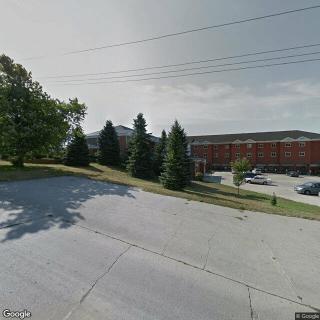

 Powerful Realities of Elder Abuse and the Most Effective Ways to Report It
 Ten Vital Duties of a Senior Caregiver: A Comprehensive Guide
 9 Stimulating Memory Activities for Seniors: Puzzles, Cards, and Much More