
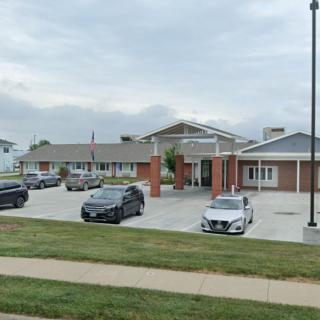
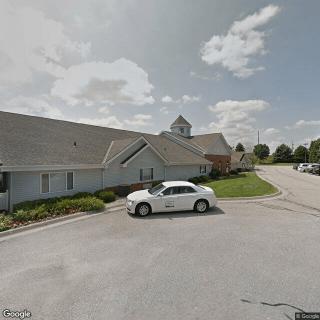
610 South Polk Street, Papillion, NE 68046
For more information about senior living options: (866) 208-4318
Overall Review of Papillion Manor
Pros
 The nurses were really good.
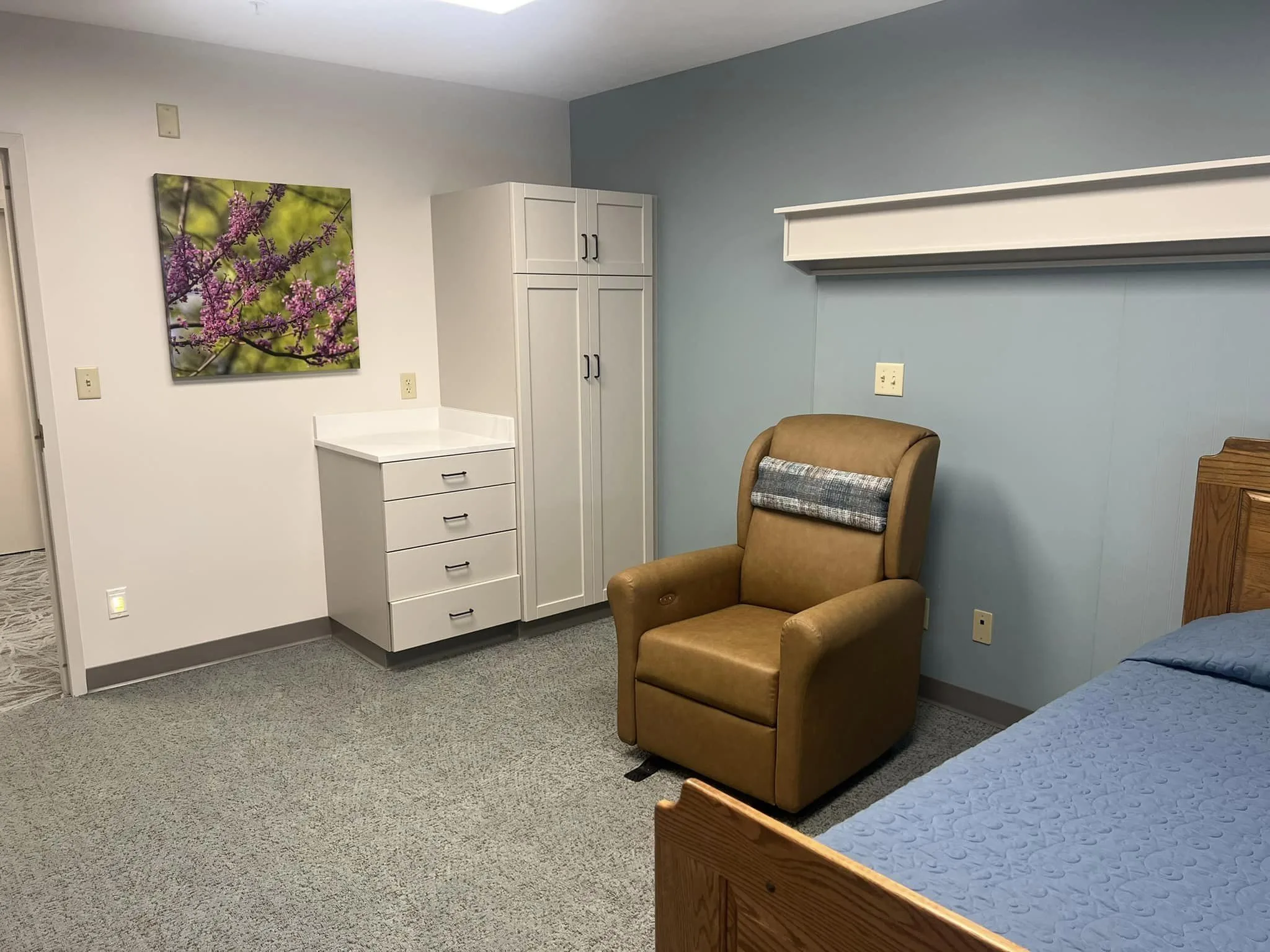
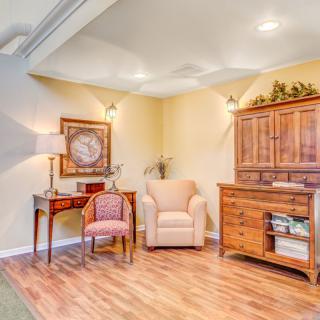
- The rooms were like small apartments.
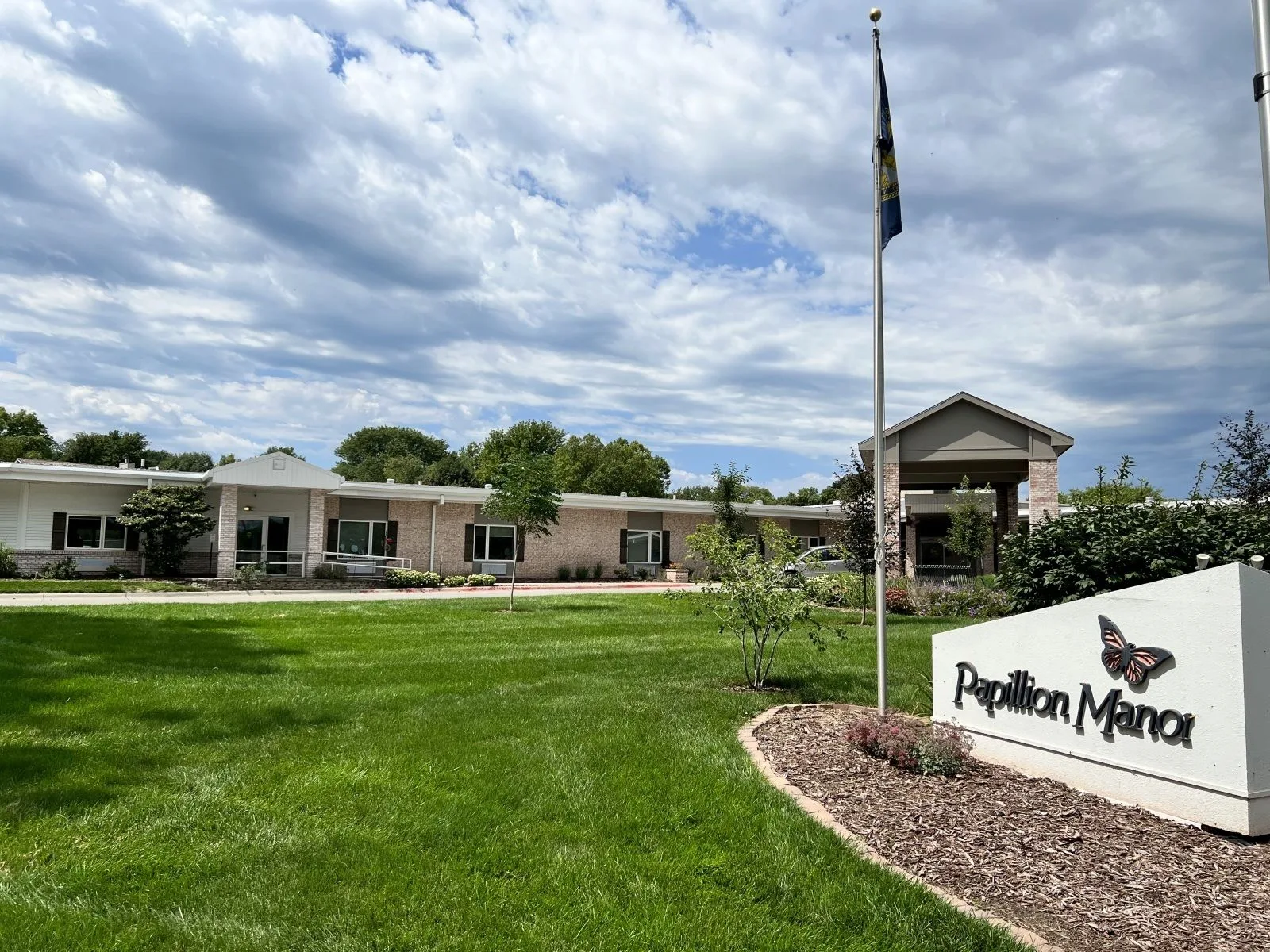
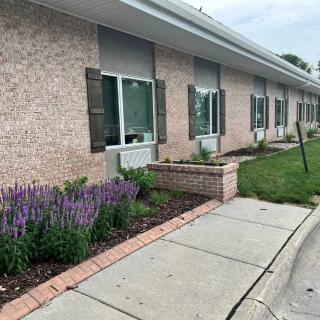
- The facility is well-kept and clean.
- Most residents seemed very happy to be living there.
- The therapy staff are extremely proficient, friendly, and hard-working.
- There are plenty of activities like bingo, cards, and puzzles.
- The food is tasty and well prepared.
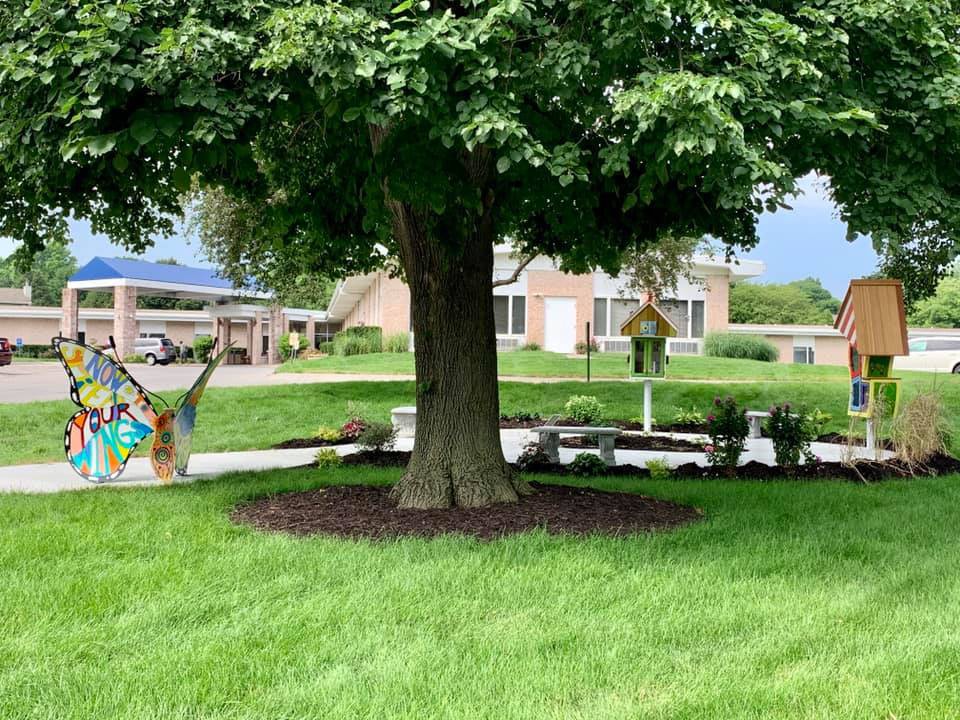
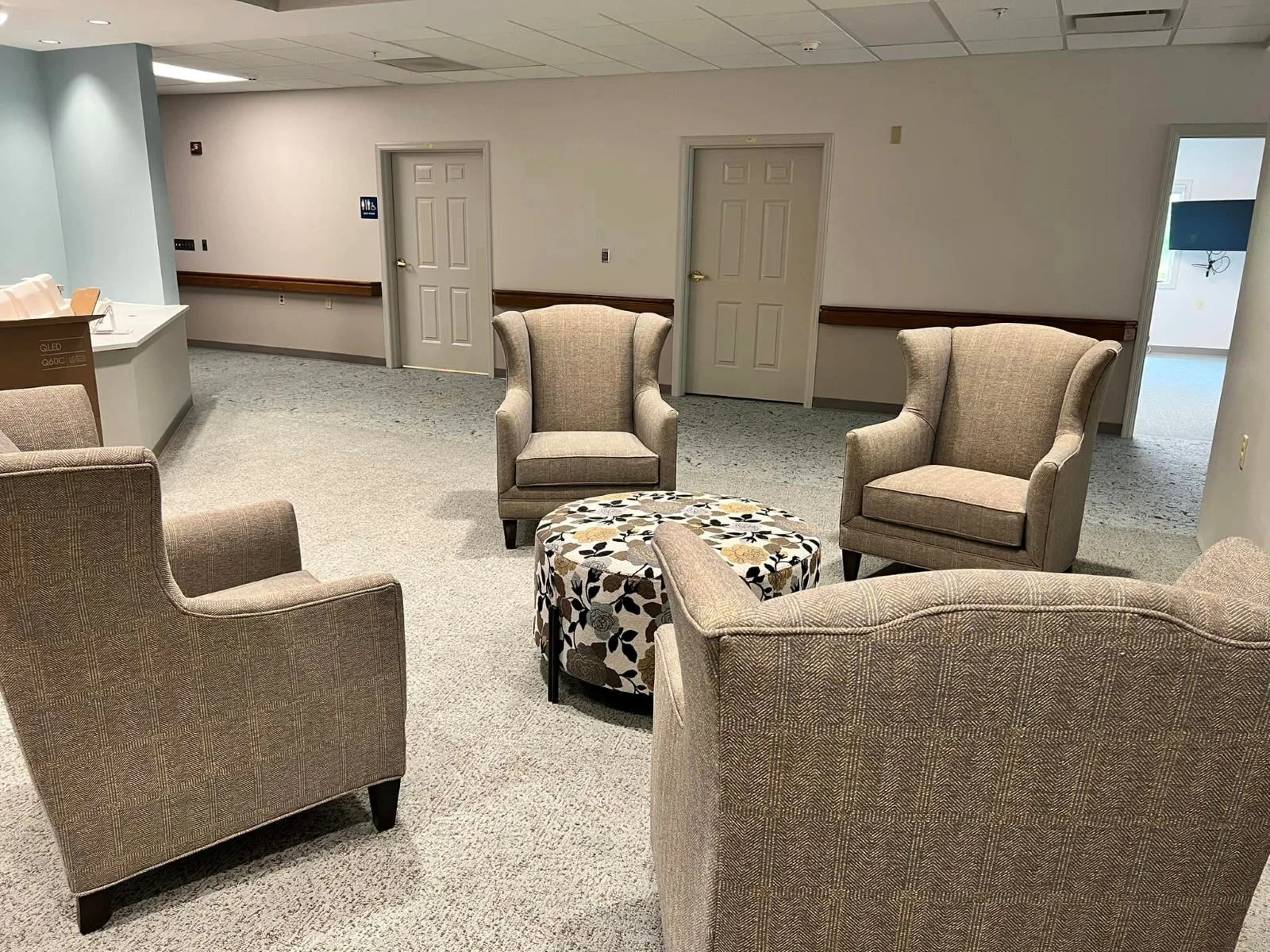
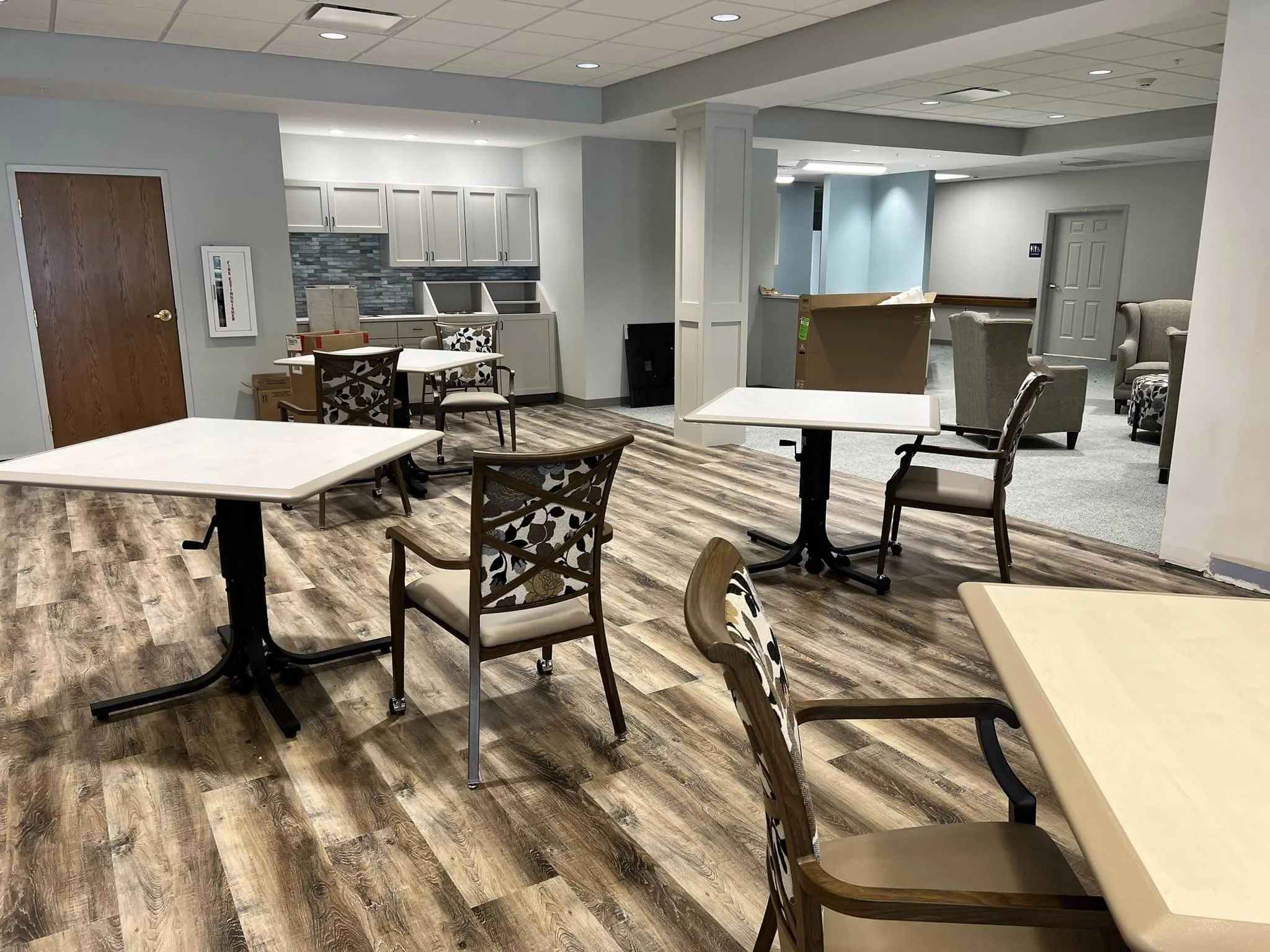
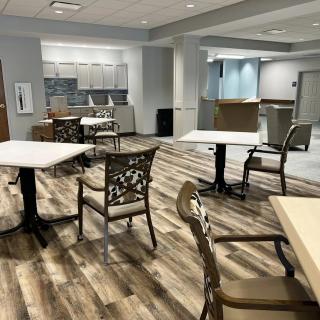
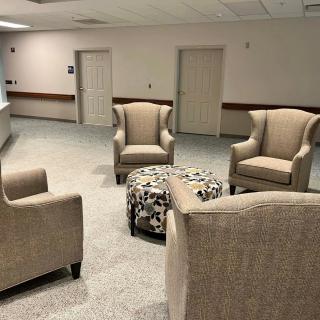
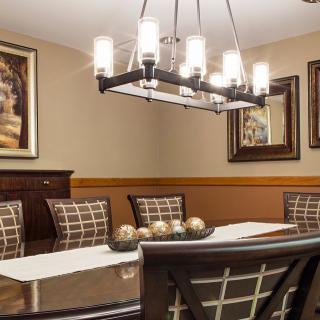
- The facility features three dining areas and multiple sitting areas for residents to congregate.
Cons
 The staff were not friendly, especially management.
- Call lights were not answered promptly.
- The management did not seem to care.
- Nurses took quite awhile to respond to residents' needs.
- The facility was not handicap-accessible, which was detrimental.
- There were not enough nurses on staff; aides outnumbered nurses.
- The night shift did not pay attention to patients at all.
- The food was very bad.
- There were no schedules for physical or occupational therapy.
- Communication with families and doctors was lacking.
Review
Papillion Manor is best suited for seniors who want a modest, homey facility with private, apartment-style rooms, on-site rehabilitation, and an active social calendar. It appeals to residents with moderate care needs who can benefit from in-house physical therapy, doable daily routines, and a community atmosphere that supports family involvement. Families seeking a straightforward, workable balance of therapy, activities, and personal space will find Papillion Manor a credible, practical option, provided expectations line up with the realities of staffing and communication.
Those who require unwavering, 24/7 nursing responsiveness or highly coordinated medical oversight may want to consider alternatives. The property has been described as having limited hands-on nursing time and inconsistent engagement from management, which can be a concern for residents with complex or rapidly changing needs. If dementia or Parkinson’s-related behaviors demand tight medical coordination and immediate nurse access, a facility with stronger licensed staffing ratios and more robust family-physician communication channels may be preferable. Additionally, for families prioritizing fully ADA-accessible design throughout public and private spaces, potential gaps in handicapped-ready features in some rooms and dining areas warrant careful scrutiny.
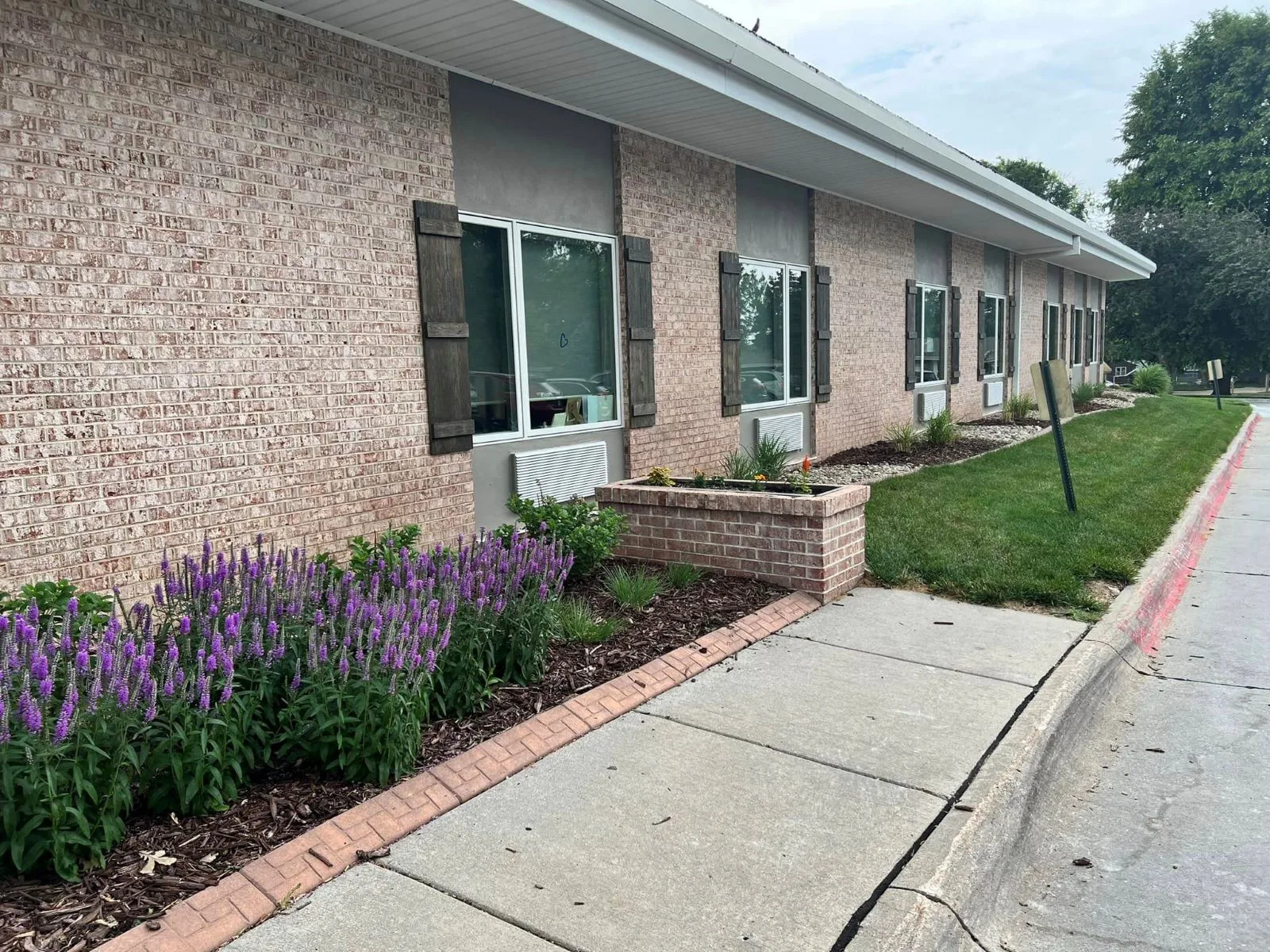
The strongest positives at Papillion Manor are undeniable: private rooms that feel like small apartments, a clean, homey ambiance, and a competent therapy team that helps residents regain strength and movement. When nursing staff are engaged, residents benefit from continuity of care and the rhythm of familiar routines, with activities ranging from bingo to crafts creating social engagement. The facility’s in-house therapy options and multiple dining areas support independent living within a structured setting, and several reviews highlight genuine improvements in mobility and mood as a result of consistent rehab work. These factors can offset the burden of aging in place by preserving autonomy and dignity.
Yet the downsides temper the overall appeal. Delays in calling for help, occasional perception of aloof or overburdened management, and gaps in family-doctor communication have repeatedly surfaced as concerns. The combination of insufficient licensed nursing presence and sporadic attention during night shifts raises safety questions for residents who rely on timely assistance for incontinence, pain, or medication administration. In addition, inconsistent scheduling for physical and occupational therapy, paired with experiences of dining and hallway navigation that are not equally accessible, can undermine daily safety and comfort, particularly for wheelchair users or those needing frequent hands-on help.
Resident outcomes reflect a mixed but instructive picture. Some families report meaningful gains in strength and independence through active therapy, with staff who learn residents’ names and preferences, and with therapy staff described as proficient and motivated. On the other hand, accounts of abrupt discharges tied to behavioral concerns illuminate the risk of misalignment between resident conditions, meds, and the staff’s capacity to manage them. These tensions underscore the need for prospective residents to insist on explicit care plans, medication reviews with neurologists or primary physicians, and transparent communication protocols before admission.
For families weighing Papillion Manor, a disciplined due-diligence approach is essential. Prioritize a clear, written understanding of nurse-to-resident ratios, guaranteed call-light response times, and a defined care plan that includes therapy schedules and mobility goals. Verify that ADA-readiness is consistent across rooms and dining spaces, and confirm a predictable therapy timetable rather than ad hoc sessions. Request access to the therapy team and request to observe a session, and ask about family communication practices, how updates are shared, who coordinates with physicians, and how emergencies are handled after hours. If these elements align with the resident’s needs and the family’s expectations for communication and safety, Papillion Manor offers a solid, pragmatic option. If gaps persist in those core areas, exploring facilities with stronger day-to-day responsiveness and a more consistently ADA-friendly design may be the prudent path.
 110 resident community capacity
 Skilled Nursing Facility
 Air-conditioning
 Beauty salon
 Cable or satellite TV
 Computer center
 Dining room
 Fitness room
 Fully furnished
 Gaming room
 Garden
 Housekeeping services
 Kitchenette
 Move-in coordination
 Outdoor space
 Private bathrooms
 Restaurant-style dining
 Small library
 Telephone
 Wellness center
 Wi-Fi/high-speed internet available
 Eppley Airfield (13 miles away)
 Community operated transportation
 12-16 hour nursing
 24-hour call system
 Activities of daily living assistance
 Assistance with bathing
 Assistance with dressing
 Assistance with transfers
 Diabetes diet
 Medication management
 Mental wellness program
 Special dietary restrictions
 Concierge services
 Planned day trips

 Navigating Medicare Coverage for In-Home Care Services
 In-Home Care Costs in 2025: A Detailed State-by-State Exploration
 Understanding Home Health Care: A Comprehensive Guide