
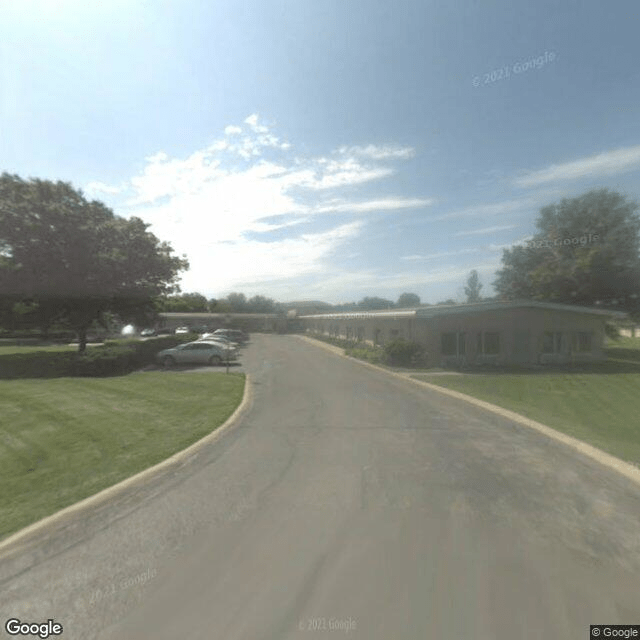
6101 Normal Blvd, Lincoln, NE 68506
To contact a resident: (402) 489-7175
For more information about senior living options: (866) 208-4318
Overall Review of Holmes Lake Manor
Pros
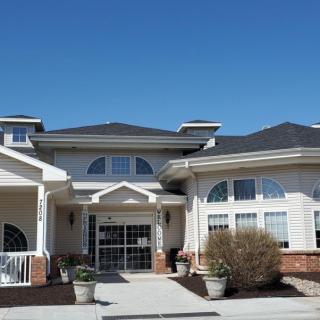
 The rooms at Holmes Lake Rehabilitation & Care Center were very nice.
- The staff were all very nice.
- The food was wonderful.
- The staff were responsive.
Cons
 They were not staffed adequately for his condition, preventing him from staying the full length of time they committed to.
- They knew he had dementia and still accepted him, but did not provide staffing appropriate for dementia care.
- There were not enough staff to manage his dementia and mobility needs, so the 30-day Medicare plan could not be fulfilled.
- The staff was responsive, but they may not be fully trained in dementia care.
- Because of the staffing and dementia care concerns, they would not recommend them at this time.
- The facility’s services were not well integrated; physical and occupational therapy kept separate records that were not easily accessible to the family.
- The family could not get updates from nurses about progress because the records were not readily accessible, indicating a lack of complete patient record communication.
Review
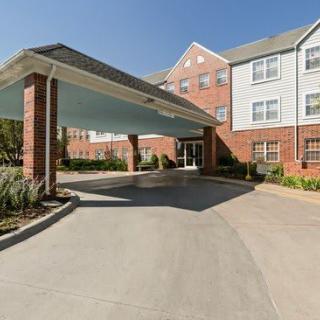
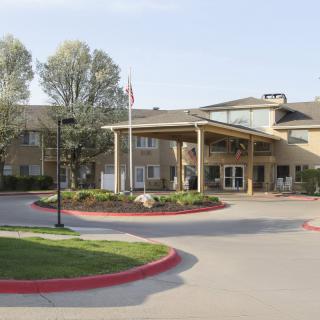
Holmes Lake Manor in Lincoln, Nebraska is best suited for seniors who prize a comfortable, well-appointed living environment and genuinely good meals, and who do not require intensive dementia-focused care or tightly coordinated long-term rehab. The community delivers on hospitality: rooms described as very nice and a dining program that earns praise. However, it is not the right fit for families with loved ones who have substantial dementia-care needs or require constant, highly specialized supervision. For those families, alternatives with demonstrated dementia training and higher staffing for cognitive impairment should be the default search.
The strengths are tangible: a welcoming atmosphere, pleasant rooms, and a kitchen that produces excellent meals. These factors support daily life and can lift mood and appetite, particularly during recovery phases. Yet, the warmth of the staff does not compensate for insufficient staffing, especially when dementia complicates care. The record indicates that, despite accepting a dementia diagnosis, the facility lacked enough personnel to manage mobility and other needs, undermining the intended rehab timeline and leaving families with an incomplete, uncertain plan for progress.
Therapy logistics reveal a notable weakness: fragmented care coordination between occupational therapy and physical therapy. Separate record-keeping and limited visibility of notes to the family create confusion about daily progress. Even when staff are responsive, basic questions about therapy outcomes may go unanswered. More fundamentally, questions about dementia-specific training linger. Without confident, trained dementia care, the ability to deliver steady, safe rehabilitation for someone with cognitive impairment is undermined, and the positive elements of atmosphere and service fail to fully compensate.
That combination of comfort and gaps creates a meaningful trade-off. If the priority is a pleasant living environment, good food, and general staff responsiveness, Holmes Lake Manor delivers. If the priority is reliable dementia-specific staffing and seamless, family-accessible care coordination, the balance clearly tilts toward alternatives. The practical impact, an inability to reliably fulfill a standard 30-day Medicare rehab stay due to dementia and mobility factors, represents a real risk for families counting on a finite rehabilitation window to regain function after an incident such as a stroke, or to slow decline.
Prospective residents should seek concrete assurances before committing: staff-to-resident ratios during day and night shifts; verified dementia-care training credentials for frontline aides; a unified charting system that allows therapists and nurses to share progress with families; and a clear discharge plan that aligns rehab goals with home or alternate care arrangements. If real-time updates and direct access to therapy notes matter, demand a process that delivers it. For those whose loved one’s cognitive needs dictate a specialized dementia program, prioritize facilities with a clear track record in dementia care and a cohesive, family-centered communication approach.
In sum, Holmes Lake Manor offers a pleasant, well-maintained setting and strong culinary service supported by a responsive staff, but the absence of robust dementia-specific staffing and integrated care coordination creates a high-stakes mismatch for residents with cognitive impairment or complex rehab needs. This is not a blanket rejection, but a clear warning: the primary advantages can be eclipsed by daily realities of care delivery in dementia cases. Families should compare alternatives with proven dementia-capable staffing and transparent, family-friendly communication, and pursue a focused onboarding process to validate whether the community can meet the specific trajectory required. When in doubt, choose a community with demonstrated dementia expertise and cohesive, proactive care coordination.
 Skilled Nursing Facility
 Lincoln Municipal (8 miles away)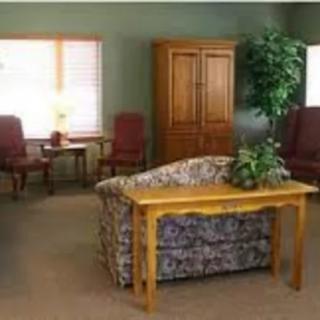



 Skilled Nursing Facilities vs. Nursing Homes: Making Sense of the Differences
 A Detailed Examination of Nursing Home Costs Across the U.S.
 Exploring Nonmedical Home Care: Understanding Services, Costs, and Financial Approaches