
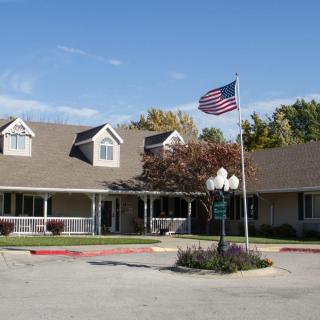
830 East 1St Street, Crete, NE 68333
For more information about senior living options: (866) 208-4318
Overall Review of Premier Estates Of Crete
Pros
 The administrator Carolyn is delightful and very knowledgeable, and she is a nurse who works directly with patients.
- Carolyn personally handles issues with the mother’s care and coordinates with the doctor to get orders.
- The management is doing a great job and could run a facility to be proud of with the right staff.
- One CNA was delightful and spent extra time with the mother.
Cons
 The staff are often caught on their cellphones and only assist residents when they see a family member approaching.
- The weekend kitchen staff are rude and lazy.
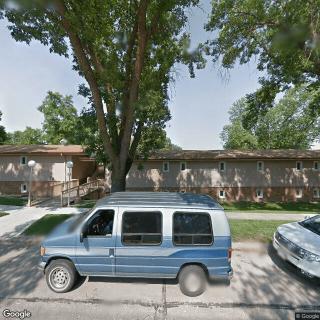
- The rooms are sad, with flickering lights, no pictures on the walls, and furniture that looks like it came from a garage sale.
- The caregivers are lazy, unfriendly, and incompetent, and do not acknowledge residents.
- A nurse admitted that the place was "hell" and that the employees were lazy.
- The facility has a call-for-help string tied to the wall that is never within reach of residents.
- The reviewers would not recommend the facility and would rate it far below one star.
Review
Premier Estates Of Crete in Crete, NE is not a blanket recommendation for families seeking dependable skilled care; it is a facility that only earns credibility if a family is prepared to take a very hands-on, persistent role in oversight. The community is best suited for households that can demand accountability in real time, press for timely doctor communications, and push for staffing changes when needed. The one consistently positive thread is the administrator, Carolyn, who is described as knowledgeable, approachable, and willing to engage directly with residents and medical staff to secure orders. If a family can couple that leadership with vigilant day-to-day monitoring, there is at least a chance the operation could be steered toward acceptable care. Without that level of involvement, expectations should be tempered.
That said, the downsides are not minor. The reviews paint a distressing picture of frontline staff across shifts, with CNAs frequently described as distracted by cellphones, unfriendly, or inattentive to residents’ basic needs. Some staff are portrayed as lazy or disengaged, and even kitchen and support staff received candid criticisms. The contrast between a engaged administrator and a largely disengaged caregiving team creates a volatile dynamic: when leadership is responsive but the day-to-day care remains unsteady, residents bear the inconsistency. Families who cannot commit to frequent visits, frequent care-plan reviews, and direct requests for staff changes should seriously consider other options.
The most troubling implications arise from concrete patient-safety and quality-of-life failures. Several accounts describe rooms in disrepair, lighting issues, and outdated or substandard furnishings, all of which sap dignity and comfort from residents. More alarming are reports of inadequate supervision during vulnerable moments, such as dementia patients being taken to appointments without an accompanying caregiver, and situations where help calls were inaccessible or neglected. One account notes a resident who died after a short stay, with observers questioning whether appropriate rehabilitative or medical support was provided. Taken together, these incidents underscore a fundamental risk: without reliable, competent, and present staff, residents cannot be assured timely assistance or proper care coordination.
These patterns make clear a critical tension: the administrator’s proactive approach can mitigate harm, but it cannot fully compensate for systemic staffing and culture problems. Prospective families must weigh the ability of leadership to drive improvement against the likelihood that severe, repeated lapses will occur before any meaningful reform takes hold. The positive signal of a nurse-administrator who will personally liaise with physicians is valuable, yet it must be sustained by seasoned, consistently engaged CNAs, aides, and kitchen staff. Until staffing quality and accountability rise to a dependable standard, the facility remains a high-variance option with significant risk.
For families weighing this community, practical due diligence is essential. Demand detailed staffing plans that specify CNA-to-resident ratios across day and night shifts, along with a commitment to replace underperforming aides. Request a tour focused on meal service, housekeeping standards, call-light accessibility, and infection-control practices. Ask for copies of recent incident reports, patient care plans, and physician communications, and inquire how progress is tracked and who is held accountable for lapses. Consider engaging independent evaluators or third-party care managers to perform an overnight observation or a weekend assessment. And importantly, compare with nearby facilities with stronger staffing records and patient outcomes to ensure a safer, more consistent standard of care.
In the end, Premier Estates Of Crete does not offer a reliable baseline for long-term skilled or hospice-level care under current conditions. The best-case scenario hinges on immediate, sustained improvements in frontline staffing and day-to-day culture, driven by strong governance and proactive oversight from families and the administration alike. For many families, alternatives with proven staffing consistency, compassionate care, and safer, cleaner environments will provide greater peace of mind and fewer decision-making stressors. If choosing Premier Estates, enter with a clear plan for ongoing oversight, explicit performance expectations, and a readiness to pursue changes promptly, because without it, the risks far outweigh the potential benefits.
 104 resident community capacity
 Skilled Nursing Facility
 Air-conditioning
 Beauty salon
 Cable or satellite TV
 Computer center
 Dining room
 Fitness room
 Fully furnished
 Gaming room
 Garden
 Housekeeping services
 Kitchenette
 Move-in coordination
 Outdoor space
 Private bathrooms
 Restaurant-style dining
 Small library
 Telephone
 Wellness center
 Wi-Fi/high-speed internet available
 Lincoln Municipal (19 miles away)
 Community operated transportation
 12-16 hour nursing
 24-hour call system
 Activities of daily living assistance
 Assistance with bathing
 Assistance with dressing
 Assistance with transfers
 Diabetes diet
 Medication management
 Mental wellness program
 Special dietary restrictions
 Concierge services
 Planned day trips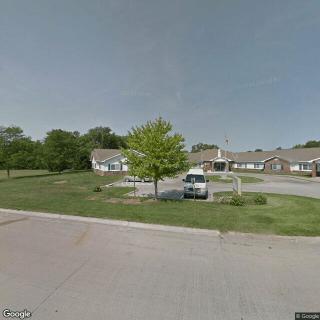






 Recognizing the Journey: Understanding and Navigating Anticipatory Grief
 Encouraging Participation in Adult Day Care: A Guide to Supporting a Hesitant Parent
 Comprehensive Exploration of Living Wills and Other Advance Directives