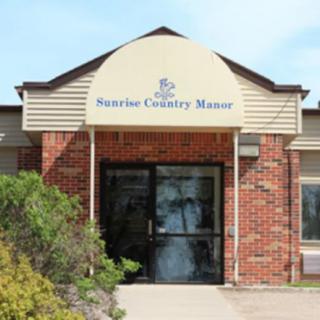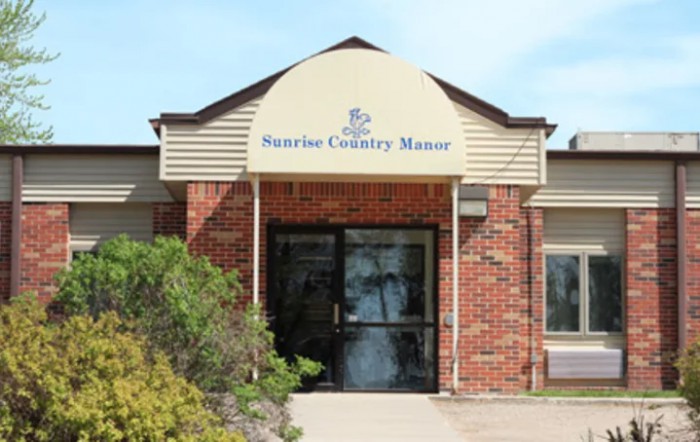


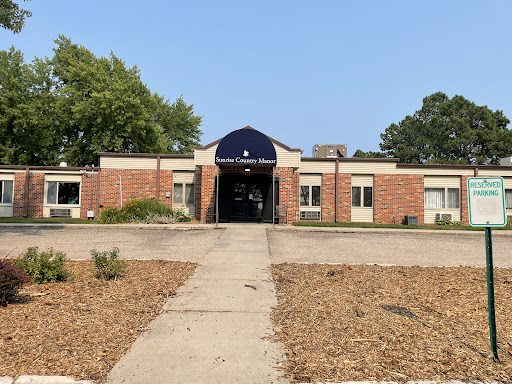

Po Box A, 610 224Th Street, Milford, NE 68405
For more information about senior living options: (866) 208-4318
Overall Review of Sunrise Country Manor
Pros
 The staff are very friendly and helpful.
- The staff help residents find their rooms and are kind and patient with them.
- Sunrise Country Manor provides helpful support.
- Sunrise Manor is bright, clean, well-managed, and very caring on a personal level.
- The nurses and staff are the best.
- Sunrise is a great family-owned facility that goes above and beyond for its clients and their families.
- The food at Sunrise Country Manor is really good.
Cons
 The staff has nasty attitudes.
- It is the absolute worst care facility.
- Patients are ignored by staff when asking for help.
- The food is left out of reach from residents with mobility issues.
- Many staff are incompetent, rude and/or act inappropriately.
- Medications are often missed or given incorrectly.
- Transportation services are unsafe and unreliable.
- The facility is woefully understaffed, especially on weekends.
- The DON and the second-shift nurse prioritize friendship over patients’ needs.
Review
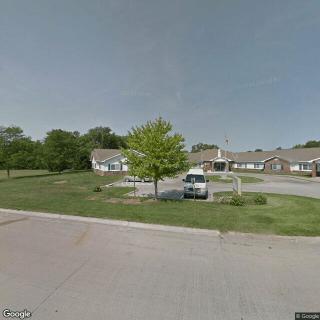
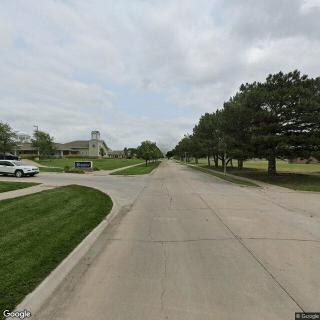
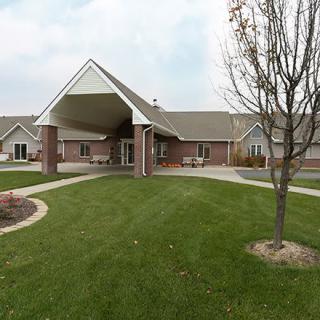
Sunrise Country Manor in Milford, NE is best suited for families that value a family-owned atmosphere and are willing to navigate a mixed care landscape to access rehab and personal attention. The property has a track record of friendly, well-intentioned staff who can help residents find their way, provide patient assistance, and offer a level of personal contact that many families prize. For residents who need physical therapy services or dialysis-friendly access, the facility presents itself as a possible option due to a dedicated therapy space and a willingness to accommodate certain specialized needs. In short, this community can work when someone prioritizes a warm, approachable staff presence and rehab-oriented activity within a smaller, family-owned setting.
However, multiple reviews flag clear reasons to consider alternatives. Families needing consistently reliable nursing care and strict medication oversight will likely want to look elsewhere. Reports of missed or wrong medications, weekend understaffing, and transportation that feels unsafe or unreliable create real risk for anyone requiring steady daily oversight. A common thread emphasizes that when care lapses occur, they often do so in ways that affect basic dignity, help with restroom needs, timely attention, and respectful treatment, making it essential to compare this community against others with stronger, steadier staffing patterns and more consistent protocols.
The strongest pros, hand-in-hand with a genuine desire to help residents, partially offset the most troubling cons, but not completely. Positive threads in the reviews include responsive, kind staff who assist with directions and support, and a sense that the facility cares about residents on a personal level. The in-house physical therapy resources and opportunities for residents to engage in activities, such as cards or devotional programming, add tangible quality-of-life value. When staff members are present and attentive, residents feel seen, and that individual attention can markedly improve day-to-day experience, particularly for those navigating rehab or mobility challenges.
Yet the cons remain deeply consequential. Several accounts describe a facility culture where residents’ needs are not consistently prioritized, with phrased criticisms about disrespectful behavior among staff and friction at the administrative level. The most troubling narratives point to serious care quality concerns: outdated or poorly maintained food quality, inconsistent meal options for specialized diets, and, in some cases, dire reports of neglect or abuse. The facility reportedly struggles with staffing levels on weekends and with the broader system of grievance handling, creating a sense of instability that weighs heavily against any positive day-to-day interactions.
The write-ups also suggest a governance and accountability dynamic that families should scrutinize. Complaints directed at leadership, including the administrator and supervisory staff, appear in multiple reviews, touching on accountability, staff turnover, and the prioritization of relationships within the care team over resident needs. For prospective residents, this means that choosing Sunrise Country Manor requires a careful, critical assessment of who will be in charge of care, how concerns are addressed, and whether the unit serving a specific individual can deliver consistent, high-quality oversight, day after day.
Practical steps for families evaluating Sunrise Country Manor are clear. Visit multiple times at different hours to observe staffing, tone, and responsiveness. Meet with the administrator or director of nursing to discuss how medication management, wound care, and mobility support are actually delivered on busy shifts. Taste meals and review menus for dietary needs, and ask to observe a meal service and dining environment. Inquire about transportation practices, especially for residents who rely on regular appointments or activity outings. If possible, request a short-term stay or trial period to assess how care feels over several days and after a shift change. And finally, compare experiences here with nearby options to determine which setting most consistently aligns with the resident’s care goals, safety expectations, and personal preferences.
Overall, Sunrise Country Manor presents a mixed proposition. It can be a fit for families seeking a warm, personally engaged environment with rehab-friendly resources and a compassionate touch, particularly for residents who can navigate occasional staffing gaps. For those who require unwavering consistency, safety, and meticulous care management, alternatives should be actively explored. The decision should hinge on a rigorous site visit, frank conversations with leadership, and a careful weighing of the value of personal attention against the costs of less reliable day-to-day care.
 80 resident community capacity
 Skilled Nursing Facility
 Air-conditioning
 Beauty salon
 Cable or satellite TV
 Computer center
 Dining room
 Fitness room
 Fully furnished
 Gaming room
 Garden
 Housekeeping services
 Kitchenette
 Move-in coordination
 Outdoor space
 Private bathrooms
 Restaurant-style dining
 Small library
 Telephone
 Wellness center
 Wi-Fi/high-speed internet available
 Lincoln Municipal (15 miles away)
 Community operated transportation
 12-16 hour nursing
 24-hour call system
 Activities of daily living assistance
 Assistance with bathing
 Assistance with dressing
 Assistance with transfers
 Diabetes diet
 Medication management
 Mental wellness program
 Special dietary restrictions
 Concierge services
 Planned day trips



 Senior Move Management: Understanding the Role, Value, and Associated Costs
 Weight Training for Seniors: Building Strength and Vitality
 Understanding the Sandwich Generation: Stress and Responsibilities for Multigenerational Caregivers