


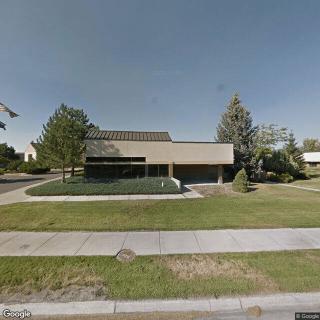
185 Crestline Avenue, Kalispell, MT 59901
For more information about senior living options: (866) 208-4318
Overall Review of Immanuel Skilled Care Center
Pros
 Immanuel Lutheran Communities is a phenomenal community with amazing and caring staff.
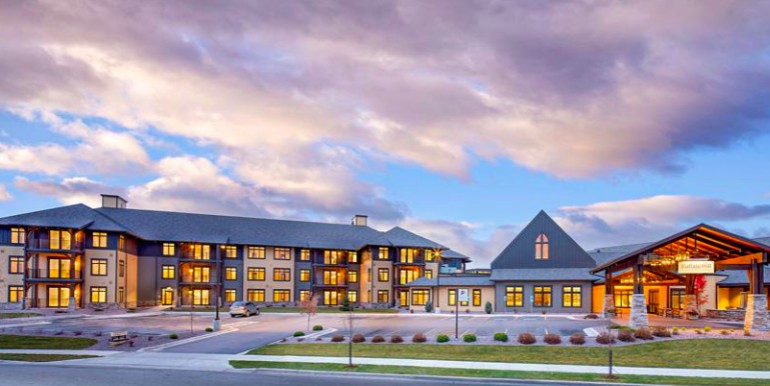
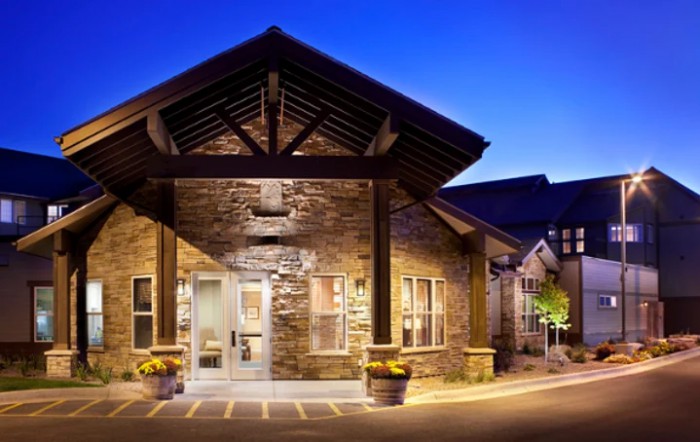
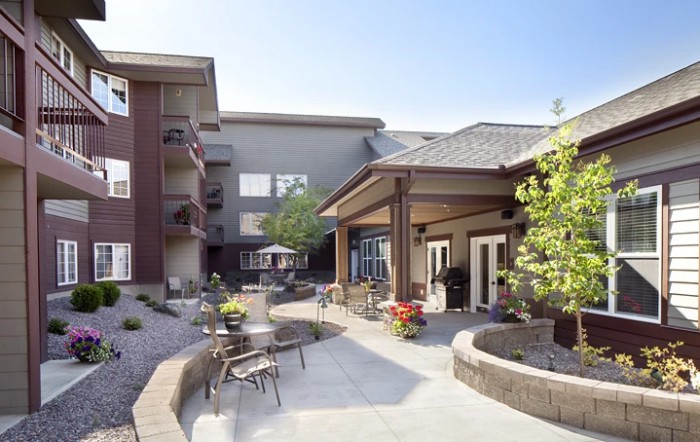
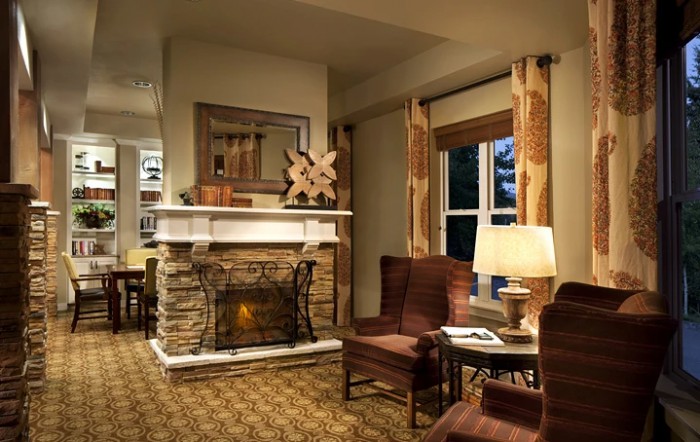
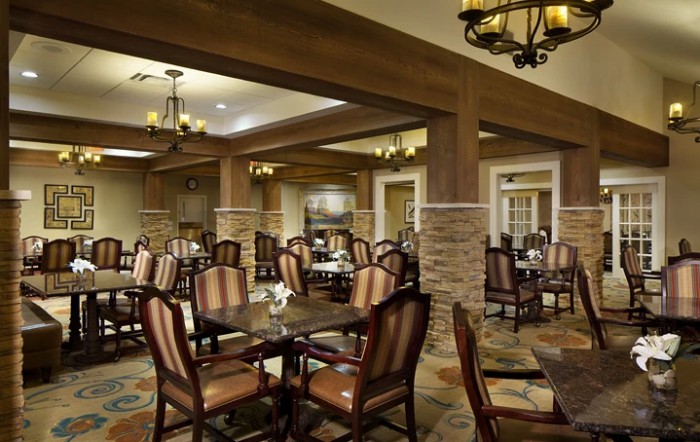
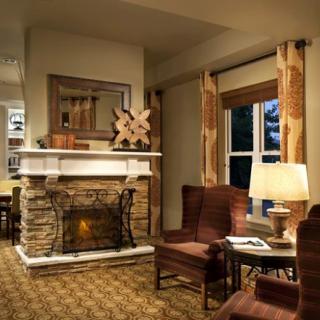
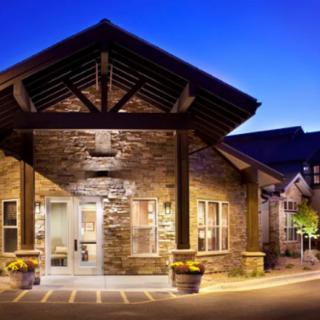
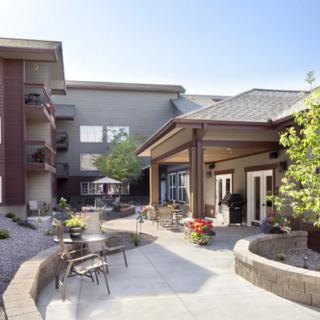
- The facility is beautiful and truly one of a kind.
- Immanuel Lutheran Communities has a friendly atmosphere and caring staff.
- The buildings are beautifully renovated and newly expanded.
- Buffalo Hill Terrace has great food and there is a lot happening.
- The sales and marketing staff provide informative correspondence and tours.
- The receptionists, dining staff and the fitness center staff are welcoming and helpful.
Cons
 The facility shows complete neglect and fails to provide proper care for residents.
- The nurses don’t care about their patients, and the operation feels like a facade.
- Essential medications and safety concerns are ignored, endangering residents.
- Family communication is non-existent; updates and call-backs are not provided.
- Management is ineffective, understaffed, and fails to hold workers accountable, putting patients at risk.
- The facility is overpriced for the quality of care and communication is terrible.
- There are reports of inappropriate behavior toward a minor, with staff blaming the child rather than addressing safety.
Review
This community is best suited for families that can be highly proactive advocates, value a recently refreshed campus, and want a setting with some staff who demonstrate genuine care. It works for residents whose families can stay closely involved, monitor day-to-day care, and demand clear accountability from the caregiving team. Those seeking a consistently flawless clinical track record, transparent communication, and rigorous medical oversight should look elsewhere. The strongest fit is a resident whose needs can be stabilized with vigilant family involvement and a willingness to push for timely interventions when concerns arise.
Careful readers should note who may want to consider alternatives. Families prioritizing reliable medical management, predictable routines, and prompt, transparent updates will likely be disappointed here. Recurrent themes cite neglectful episodes, missed medication administration, and insufficient communication between staff and families. There are also troubling reports about staff responsiveness, under-staffed units, and management practices that fail to address safety or quality-of-care concerns. For anyone whose loved one requires meticulous supervision or has behavioral or memory-care needs that demand consistent, proactive staffing, alternatives with stronger clinical oversight are prudent.
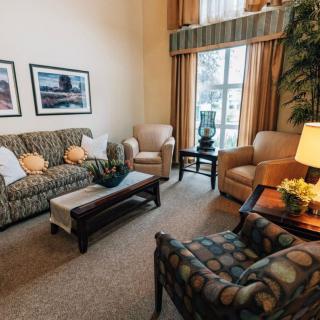
On the upside, the facility’s public-facing strengths are repeatedly acknowledged. Reviewers describe a refreshed, attractive campus and a welcoming environment in certain areas, with some staff who are attentive and friendly. There are mentions of good dining experiences in some parts of the campus and a clear sense that sales and marketing representatives can provide helpful guidance during tours. In aggregate, these positives create a first impression of comfort and warmth that can support quality of life when care is consistent and well-coordinated. However, such strengths do not erase the reliability concerns voiced across multiple accounts.
The principal drawbacks are concrete and consistently echoed. Families report real incidents of neglect and inadequate medical management, including dangerous lapses in routine care and missed medications that can have serious consequences. Communication is often described as poor or unreliable, with families left waiting for updates that never come and calls that go unanswered. Staffing appears uneven, with reports of understaffed units, especially in memory or higher-need areas, and management that is perceived as slow to respond or unwilling to address repeat problems. These factors combine to create a high-risk environment for residents who require steady supervision or have complex medical needs.
For families weighing a decision, concrete steps matter. Before choosing, insist on meeting direct care managers for med-pass protocols, daily routines, and escalation paths when concerns arise. Request to review incident reports, staff-to-resident ratios by shift, and the facility’s family-notification procedures. Observe a shift across different times to gauge responsiveness and quality of interaction, and ask for a transparent plan to manage memory-care needs, choking risks, and medication administration. If the facility cannot provide clear, timely answers and demonstrable improvements in these areas, it is wise to consider other options with stronger track records in clinical safety and communication.
Ultimately, this community demands a deliberate, risk-aware decision. It can be appropriate for families who can enroll in an assertive partnership with the staff, demand accountability, and tolerate variability in daily care while the campus is balanced by moments of genuine warmth. For those who cannot accept inconsistent care, dangerous lapses, or opaque escalation procedures, alternatives offer a safer path. The choice hinges on prioritizing sustained medical reliability and open family communication over campus polish or episodic kindness, and that calculus favors exploring other communities with sturdier safeguards and clearer accountability.
 155 resident community capacity
 Continuing Care Retirement Community (CCRC)
 Skilled Nursing Facility
 Air-conditioning
 Beauty salon
 Cable or satellite TV
 Computer center
 Dining room
 Fitness room
 Fully furnished
 Gaming room
 Garden
 Housekeeping services
 Kitchenette
 Move-in coordination
 Outdoor space
 Private bathrooms
 Restaurant-style dining
 Small library
 Telephone
 Wellness center
 Wi-Fi/high-speed internet available
 Glacier Park International (8 miles away)
 Community operated transportation
 12-16 hour nursing
 24-hour call system
 Activities of daily living assistance
 Assistance with bathing
 Assistance with dressing
 Assistance with transfers
 Diabetes diet
 Medication management
 Mental wellness program
 Special dietary restrictions
 Concierge services
 Planned day trips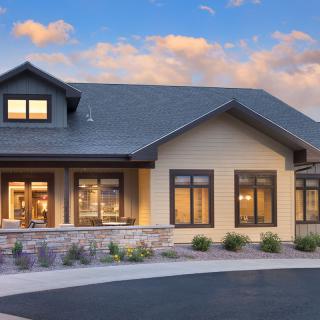



 Financing Long-Term Nursing Home Care Through Social Security: A Thorough Exploration
 Essential Knowledge on Pneumonia in Older Adults
 Exploring Palliative Care in the Home: A Comprehensive Overview