
156 Three Mile Drive, Kalispell, MT 59901
For more information about senior living options: (866) 208-4318
WEL-Life at Kalispell Costs & Pricing
WEL-Life at Kalispell offers competitive pricing for its accommodations, especially when compared to the broader market in Flathead County and the state of Montana. For a studio unit, residents can expect to pay $1,975 per month, significantly lower than the county average of $3,501 and the state average of $3,729. Similarly, the one-bedroom apartments at WEL-Life are priced at $2,425 per month, which is more affordable than both Flathead County's average of $3,691 and Montana's average of $3,468. These cost advantages position WEL-Life at Kalispell as an appealing choice for individuals seeking quality living arrangements without exceeding their budget.
| Floor plans | WEL-Life at Kalispell | Flathead County | Montana |
|---|---|---|---|
| Studio | $1,975 | $3,501 | $3,729 |
| 1 Bedroom | $2,425 | $3,691 | $3,468 |
Overall Review of WEL-Life at Kalispell
Pros
 Welcov Assisted Living at Kalispell is very nice, beautiful, and elegant.
- The staff are very accommodating and very nice.
- The owners are on the premises, and one is an RN, which is reassuring.
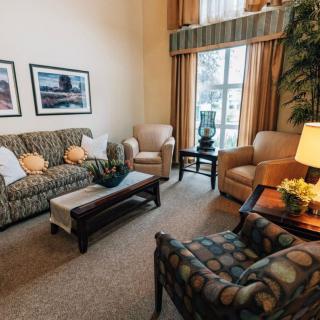
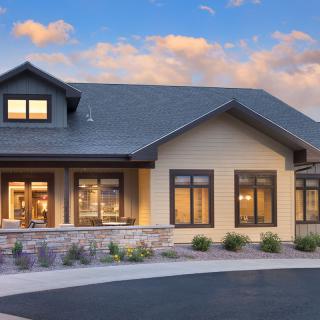
- The facility has a homey atmosphere and a simple, single-floor design.
- The colors are fresh and modern, and the exterior is neat.
- Residents seem to have a lot of independence with many activities to keep them occupied.
- Shuttle services are available to help residents run errands.
Cons
 The facility’s policy of not allowing animals was a drawback for the reviewer.
- The rooms were described as very small.
- The refrigerators were tiny ice boxes.
- The facility lacks on-site memory care.
- Some nurses did not seem welcoming to visitors.
- Assisted living facilities can be depressing and lackluster.
Review
WEL-Life at Kalispell is best suited for seniors who want a small, home-like assisted living experience with a direct, hands-on touch from ownership and management. Families prioritizing a non-corporate atmosphere, on-site owners who are accessible, and a single-floor layout will find this community appealing. The emphasis on independence, pleasant common areas, and a schedule of daily activities makes it a solid fit for residents who value autonomy and social engagement in a low-key setting. It is not the ideal pick for those who need memory-care services on-site or for households seeking pet-friendly policies, as animal access is not allowed and there is no dedicated memory-care wing.
The strongest positives center on ownership presence and a bona fide sense of care oversight. The owners, one of whom is a registered nurse, are actively involved on the premises, which typically translates into responsive problem-solving and a sense that the operation isn’t just a management company’s concern. The apartment options, private one-bedrooms, studios, and studio-plus configurations, offer a straightforward choice for downsizing without the clutter of a larger, more institutional facility. The one-floor design reduces navigation stress for residents and visitors, contributing to a calmer, more intimate vibe. Design-wise, the atmosphere leans toward modern, fresh colors, and the outdoor spaces provide welcome relief for residents who want to sit outside and socialize. Activities are consistently highlighted, from Bingo to shuttle trips for errands, which helps residents maintain independence and structure in their days.
Certain drawbacks temper the appeal. The prohibition on pets will matter to families who view animal companionship as a core quality of life element. The rooms themselves tend to run small, with reports of refrigerators that barely fit the basics, an inconvenience that can feel more acute to someone who values generous in-unit storage and kitchen space. While staff are described as generally kind and professional, there is some variation in how welcoming individual nurses are toward visitors, suggesting that family members might need to advocate for their loved one’s preferred level of involvement with the care team. The absence of memory care on the premises is a real limitation for families facing cognitive decline, as it means a transition would be required if dementia becomes a care need down the line.
Those pros partly offset the cons, but the balance depends on priorities. The personal ownership model and RN leadership provide a level of trust and hands-on responsiveness that can be decisive for families seeking stability and a less-impersonal vibe than larger chains offer. The home-like environment, coupled with scheduled activities and social opportunities, helps counter the smaller room sizes by delivering meaningful engagement outside the apartment. Shuttle service and the ability to maintain errands independently are meaningful advantages for residents who want to stay connected to the broader Kalispell community without heavy transportation planning. Still, the lack of on-site memory care and the pet restriction are meaningful enough to tilt the scale toward alternatives for anyone whose care needs may evolve or who cannot envision a pet-free life.
Families should consider alternatives if memory support, pet-friendly policies, or larger in-unit spaces are priorities. If cognitive impairment is a possibility for a loved one, a memory-care-capable community with defined dementia programming would likely offer a more seamless continuum of care. For households that view pets as essential companions, seeking a facility that welcomes animals will be important. And if bigger, more expansive living areas or a more regimented, hospital-like care model is desirable, a different setting may better meet expectations. In short, WEL-Life at Kalispell earns attention for its grounded, owner-led approach and its approachable, independent-lifestyle orientation, but it isn’t the best fit for every care trajectory or lifestyle preference.
In the end, a candid decision should hinge on three questions: Is memory care likely to be required soon, and if so, does alternative housing provide a smoother transition? How critical is pet companionship to daily life? And how important is apartment size and kitchen practicality to comfort and daily routines? For families prioritizing a personalized, owner-attended environment with a warm, activity-forward culture and no immediate need for memory care, WEL-Life at Kalispell offers a compelling, confident choice. For those seeking memory-support on-site, pet-friendly policies, or larger living spaces, a more expansive, memory-care-focused or pet-welcoming community should be explored to avoid a disruptive move later on.
 36 resident community capacity
 Studio apartments
 Assisted Living
 Activities on-site
 Beauty salon
 Cable or satellite TV
 Devotional services off-site
 Dining room
 Fully furnished
 Garden
 Housekeeping services
 Indoor common areas
 Kitchenette
 Move-in coordination
 Outdoor space
 Respite or short term stays offered
 Restaurant-style dining
 Small library
 Telephone
 Wheelchair accessible showers
 Wi-Fi/high-speed internet available
 Glacier Park International (8 miles away)
 24-hour call system
 Ambulatory care
 Assistance with bathing
 Assistance with dressing
 Assistance with transfers
 Diabetes diet
 Medication management
 Mental wellness program
 Special dietary restrictions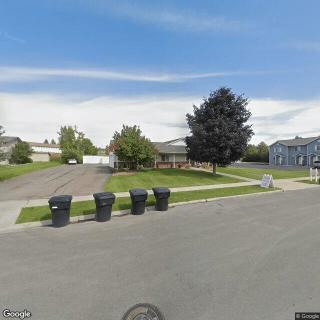




 Understanding the Distinctions: Assisted Living and Memory Care Explained
 Guiding Elderly Parents Who Refuse Assisted Living: 6 Practical Steps
 Your Comprehensive Guide to Luxury Assisted Living: Elevated Facilities, Amenities, and Costs