Renaissance Senior Care-Kalispell

645 Liberty Street, Kalispell, MT 59901

For more information about senior living options: (844) 490-3973

3.6 from 5 reviews
5 stars
2
4 stars
1
3 stars
1
2 stars
0
1 stars
1

Assisted Living

What level of care are you interested in?

Assisted Living

Memory Care

Independent Living

Skilled Nursing Facility

Continuing Care Retirement Community (CCRC)CCRC

Other


Request a tour at Renaissance Senior Care-Kalispell

    Overall Review of Renaissance Senior Care-Kalispell

    Pros

    • pro The staff took wonderful care of the mother, allowing her independence while keeping her safe and secure.
    • pro Sarah is kind, treating residents as family while also setting boundaries.
    • pro The staff holds frequent team meetings to ensure everyone is on the same page with residents' care.
    • pro Mom was content during her stay.
    • pro The reviewer had an exceptionally positive overall experience.

    Cons

    • pro The reviewer describes the stay as horrific and the facility as very unprofessional.
    • pro The guardian alleges medications were given without their knowledge, exacerbating the brother's aggression.
    • pro The guardian states the brother was evicted with no warning and no plan for housing.
    • pro The administrator allegedly lied about helping find a more suitable place and did not follow through on promises.
    • pro The actions of Renaissance Senior Care staff are said to have caused extreme heartache, stress, and worry for the family.
    • pro The caregivers are accused of having no medical training and no accountability.
    • pro The reviewer expresses regret for trusting these people and questions how they sleep at night.

    Review

    Two accounts from Renaissance Senior Care reveal a striking contrast in the experiences families had with the facility, illustrating a wide spectrum of care and accountability. In one family's story, the environment felt nurturing and secure, a place where independence and dignity were honored while ensuring safety. The mother lived to a remarkable age, 103, and her family attributes much of her contentment to the way the staff approached her daily life.

    In this positive account, a nurse or caregiver named Sarah stood out for her kindness and her ability to treat residents like family while still enforcing sensible boundaries. The staff were described as strong, capable, and cohesive, with frequent team meetings that ensured everyone involved in each resident's care stayed on the same page. The family appreciated the deliberate effort to coordinate care and keep communication open, noting that their mother remained content during her stay. The sense of trust and continuity culminated in a peaceful passing, a moment the family could mark as dignified and respectful after a long life well cared for.

    juxtaposed against this is a markedly harsher portrayal of what can go wrong in a senior care setting. Another reviewer describes a horrific six-month stay in 2017 for a brother who was only 52 years old and living with late-stage dementia. The decline in his condition during that period was described as dramatic, and the reviewer attributes much of the deterioration to the care he received during his time at the facility. A central grievance was the administration of medication without the guardian's knowledge, despite the reviewer being the legal guardian residing in California. This action is portrayed as having exacerbated aggressive behavior and escalating distress within the family.

    The report goes on to describe an abrupt eviction from the home with no warning and no plan for housing, leaving the family and the brother in a perilous situation. The reviewer emphasizes that, without the intervention of a hospital, the brother could have died in the winter cold, given his complete inability to care for himself and the lack of other housing options available at the time. The gravity of the consequences underscores a perceived failure in crisis planning and safety net provisions for residents who are most vulnerable.

    A troubling dimension of the negative account is the allegation that the new administrator, a person named Laura, misrepresented intentions and failed to follow through on promises. The guardian recounts being told that the administrator wanted what was best for the brother and would assist in finding a more suitable placement, but those assurances did not materialize. Rather than providing support or alternatives, the reviewer says the administrator contributed to the decision to evict, compounding an already dire situation with a sense of betrayal and mistrust.

    The emotional toll of these actions is described as extreme heartache, stress, and worry for the entire family, added to the already arduous burden of caring for a loved one with dementia. The reviewer characterizes the caregivers as lacking medical training and accountability, expressing profound disappointment in the level of care and the apparent disconnect between the stated commitments and actual outcomes. There is a personal sting in the closing reflections, as the reviewer admits to feeling foolish for placing trust in the care team and raises a pointed question about how the staff members who were responsible can sleep at night, given the impact of their actions on Patrick and the family.

    Taken together, these two stories illuminate a wide variability in experiences at Renaissance Senior Care. On one hand, there is evidence of compassionate, coordinated, family-centered care that honors residents' independence while maintaining safety, with a particular note of appreciation for Sarah's warmth and professional leadership. On the other hand, there are grave concerns about medication management without guardian involvement, abrupt discharges without viable housing plans, and questions about training and accountability among the caregiving staff and administration. The juxtaposition highlights the critical importance of consistent policies, transparent communication, thorough medical oversight, and accountable, empathetic leadership in senior care settings.

    Features

    Housing

    • 13 resident community capacity 13 resident community capacity

    Types of Care

    • Assisted Living Assisted LivingAssisted living facilities provide crucial support and care for seniors who may need help with daily tasks such as medication management, bathing, and meal preparation. These communities offer a safe and comfortable environment where seniors can maintain their independence while receiving the assistance they need to thrive in their golden years.

    Amenities

    • Beauty salon Beauty salonBeauty salons are important for seniors because they provide a space for them to feel pampered, socialize, and maintain their personal grooming and hygiene. Regular visits to a beauty salon can help boost seniors' self-esteem and overall well-being.
    • Cable or satellite TV Cable or satellite TVCable or satellite TV is important for seniors because it provides entertainment, news, and companionship, helping to combat loneliness and boredom. It also offers a wide range of programming options tailored to different interests and preferences.
    • Dining room Dining roomDining rooms are important for seniors as they provide a space for socialization, connection, and nutritious meals. They offer opportunities for residents to bond over shared meals, foster a sense of community, and promote healthy eating habits. Dining rooms also ensure that seniors have access to well-balanced meals tailored to their dietary needs and preferences.
    • Fully furnished Fully furnishedFully furnished senior living communities are important for seniors because they provide convenience, comfort, and a hassle-free moving experience. Seniors can easily settle into their new living space without the stress of having to buy and move furniture. This allows them to focus on enjoying their new home and community.
    • Garden GardenGardens are important for seniors as they provide a peaceful and therapeutic environment for relaxation, physical activity, and socialization. Being in nature has been shown to reduce stress, improve mood, and promote overall well-being. Gardens also offer opportunities for seniors to engage in gardening activities, which can improve mobility, flexibility, and cognitive function. Additionally, gardens create a sense of community and connection with others who share a passion for plants and outdoor spaces.
    • Housekeeping services Housekeeping servicesHousekeeping services are important for seniors because they help maintain a clean and safe living environment, promote independence, and reduce the risk of accidents or illnesses. Additionally, having assistance with household chores can alleviate physical strain and allow seniors to focus on other aspects of their well-being.
    • Kitchenette KitchenetteKitchenettes are important for seniors living in senior living communities because they provide the convenience and independence of being able to prepare simple meals and snacks in the comfort of their own living space. This can help promote a sense of autonomy and well-being for seniors, allowing them to maintain some level of control over their dietary choices and daily routines.
    • Move-in coordination Move-in coordinationMove-in coordination is important for seniors because it helps ease the transition into their new living environment. It ensures that all logistics, such as packing, organizing movers, and setting up utilities are taken care of, allowing seniors to focus on settling in and adjusting to their new home. Having a smooth move-in process can alleviate stress and anxiety, making the transition smoother and more enjoyable for seniors.
    • Outdoor space Outdoor spaceOutdoor spaces are important for seniors as they provide opportunities for physical activity, social interaction, exposure to natural light and fresh air, and a sense of connection to nature. Having access to outdoor spaces can improve overall well-being and quality of life for older adults living in senior communities.
    • Restaurant-style dining Restaurant-style diningRestaurant-style dining is important for seniors because it allows them to enjoy delicious, nutritious meals in a social and upscale setting. This enhances their dining experience, promotes healthy eating habits, and fosters socialization with fellow residents, ultimately contributing to their overall well-being and quality of life.
    • Small library Small librarySmall libraries are important for seniors as they provide access to a variety of reading materials, including books, newspapers, and magazines. This can help stimulate their minds, keep them engaged, and provide a sense of community through book clubs and other social activities. Additionally, reading has been shown to improve cognitive function and overall mental well-being in older adults.
    • Telephone TelephoneTelephones are important for seniors as they provide a lifeline for communication with loved ones, emergency services, and healthcare providers. They offer a sense of security and independence, enabling seniors to stay connected and access assistance when needed.
    • Wi-Fi/high-speed internet available Wi-Fi/high-speed internet availableWi-Fi/high-speed internet is important for seniors to stay connected with loved ones, access online resources, and participate in virtual activities to combat feelings of loneliness and isolation. It also allows them to easily manage healthcare needs, access entertainment, and engage in lifelong learning opportunities.

    Transportation

    • Glacier Park International (8 miles away) Glacier Park International (8 miles away)

    Care Services

    • 24-hour supervision 24-hour supervision24-hour supervision is important for seniors to ensure their safety, well-being, and access to immediate assistance in case of emergencies or health issues. This constant support provides peace of mind for both seniors and their loved ones, allowing them to age in place with dignity and security.
    • Activities of daily living assistance Activities of daily living assistanceActivities of daily living assistance are important for seniors because they provide essential support with tasks such as eating, bathing, dressing, and mobility. This assistance helps seniors maintain their independence, dignity, and overall quality of life as they age.
    • Assistance with bathing Assistance with bathingAssistance with bathing is crucial for seniors as it helps maintain personal hygiene, prevents infections, and ensures their overall well-being and comfort. It also provides a sense of dignity and independence for seniors who may struggle with this task on their own.
    • Assistance with dressing Assistance with dressingAssistance with dressing is important for seniors because it helps maintain their independence, promotes personal hygiene, prevents accidents and injuries, and improves overall quality of life. This service ensures that seniors can continue to dress comfortably and confidently, despite any physical limitations they may have.
    • Assistance with transfers Assistance with transfersAssistance with transfers is crucial for seniors as it helps prevent falls and injuries, maintains their independence, and ensures they can safely navigate their living environment. It also provides peace of mind for both seniors and their loved ones.
    • Diabetes diet Diabetes dietA diabetes diet is crucial for seniors as it helps manage blood sugar levels, reduce risks of complications, and improve overall health and well-being. By following a balanced and nutritious diet tailored to their specific needs, seniors can better control their diabetes and enhance their quality of life.
    • Meal preparation and service Meal preparation and serviceMeal preparation and service are crucial for seniors as they may have limited mobility or energy to cook nutritious meals. Having access to healthy and convenient food options can ensure they are getting the proper nutrition needed to maintain their overall health and well-being.
    • Medication management Medication managementMedication management is crucial for seniors to ensure they are taking the right medications at the correct dosages and times. This helps prevent adverse drug interactions, reduces the risk of medication errors, and promotes overall health and well-being. Proactive management also allows for adjustments as needed based on changing health conditions or new prescriptions.
    • Mental wellness program Mental wellness programMental wellness programs are essential for seniors as they promote cognitive stimulation, emotional support, and social engagement. These programs help prevent isolation, depression, and cognitive decline, ultimately enhancing the overall quality of life for older adults.
    • Special dietary restrictions Special dietary restrictionsSpecial dietary restrictions are important for seniors because age-related changes in metabolism and health conditions can make it difficult for their bodies to process certain foods. By following a diet tailored to their specific needs, seniors can maintain their overall health and well-being, manage chronic conditions, and reduce the risk of complications such as malnutrition or food interactions with medications.
    Dining

    • Diabetes diet Diabetes dietA diabetes diet is crucial for seniors as it helps manage blood sugar levels, reduce risks of complications, and improve overall health and well-being. By following a balanced and nutritious diet tailored to their specific needs, seniors can better control their diabetes and enhance their quality of life.
    • Special dietary restrictions Special dietary restrictionsSpecial dietary restrictions are important for seniors because age-related changes in metabolism and health conditions can make it difficult for their bodies to process certain foods. By following a diet tailored to their specific needs, seniors can maintain their overall health and well-being, manage chronic conditions, and reduce the risk of complications such as malnutrition or food interactions with medications.

    Activities

    • Community-sponsored activities Community-sponsored activitiesCommunity-sponsored activities are important for seniors as they provide opportunities for social interaction, mental stimulation, and physical activity. These activities can help improve overall well-being, combat loneliness and isolation, and promote a sense of belonging and purpose among older adults.
    • Resident-run activities Resident-run activitiesResident-run activities are important for seniors as they encourage social interaction, creativity, and a sense of autonomy. These activities empower seniors to stay engaged and active in their community while fostering meaningful connections with their peers.
    • Scheduled daily activities Scheduled daily activitiesScheduled daily activities are important for seniors because they provide structure, socialization, mental stimulation, and physical activity. Engaging in regular activities can improve overall well-being and quality of life for seniors living in a community setting.

    Description

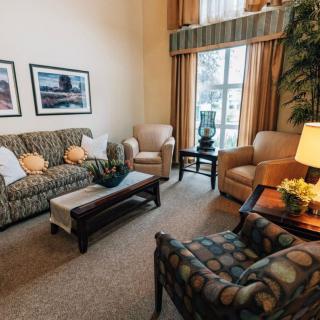
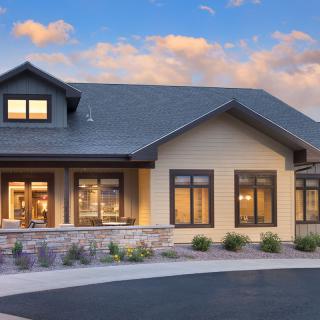
    Renaissance Senior Care-Kalispell in Kalispell, MT is an assisted living community that provides a comfortable and convenient living environment for seniors. With a variety of amenities, this community ensures that all residents have everything they need to live a fulfilling and independent life.

    The fully furnished apartments offer residents the option of either cable or satellite TV for their entertainment needs. The dining room provides a spacious and welcoming atmosphere for enjoying delicious meals prepared by the community's staff. For those who prefer to cook their own meals, each apartment comes with a kitchenette equipped with all the necessary appliances.

    Residents can enjoy the beautiful outdoor space and garden, perfect for relaxing and enjoying nature. Wi-Fi/high-speed internet is available throughout the community, allowing residents to stay connected with friends and family online.

    Housekeeping services are provided to ensure that residents have a clean and tidy living environment at all times. Move-in coordination is also available to help ease any stress associated with relocating.

    In terms of care services, Renaissance Senior Care-Kalispell offers assistance with activities of daily living such as bathing, dressing, and transfers. Medication management is also provided to ensure that residents take their medications as prescribed. A mental wellness program is available to promote emotional well-being among residents.

    Special dietary restrictions are accommodated in both the dining options and meal preparation services. Residents can enjoy restaurant-style dining while adhering to their specific dietary needs.

    Socialization is encouraged through resident-run activities as well as scheduled daily activities organized by the community. This allows residents to engage in hobbies and interests while building friendships within the community.

    The surrounding area offers convenient access to various amenities including cafes, parks, pharmacies, physicians' offices, restaurants, places of worship, theaters, and hospitals. This ensures that residents have easy access to essential services and entertainment options.

    Overall, Renaissance Senior Care-Kalispell provides a warm and inviting community for seniors seeking assisted living support while maintaining their independence.

    Videos

    Nearby Places of Interest

    Physicians

    • Hearusa (0.4 miles)
    • Glacier Prosthetic Care (0.5 miles)
    • Vision Clinic Optometrists (0.5 miles)
    • Montana Children's Specialists (0.6 miles)
    • Flathead Valley Orthopedic Center (0.7 miles)
    • Sunny View Pediatrics (0.7 miles)
    • Flathead Orthopedics (0.7 miles)

    Hospitals

    • Big Sky Family Medicine (0.6 miles)
    • Kalispell Regional Healthcare (0.8 miles)
    • Heritage Place (0.9 miles)
    • Dialysis Center (1 miles)
    • Kalispell Hospital (1.1 miles)

    Pharmacies

    • The Clinical Pharmacy (0.7 miles)
    • Medical Arts Pharmacy (0.7 miles)
    • Big Sky IV Care (1.2 miles)
    • Big Sky Specialty Compounding (1.2 miles)
    • Walgreens (1.2 miles)
    • Stoick Drug (1.3 miles)
    • Good Neighbor Pharmacy (1.4 miles)

    Cafes

    • Starbucks (0.8 miles)
    • Starbucks (1.4 miles)
    • Panera Bread (1.5 miles)
    • Sable Coffee (2 miles)

    Restaurants

    • Space Pilates (0.8 miles)
    • Qdoba Mexican Eats (0.9 miles)
    • The Desoto Grill (1.3 miles)
    • Sykes Diner & Market (1.4 miles)
    • The House of S&M (1.5 miles)
    • Hops Downtown Grill (1.5 miles)
    • MOD Pizza (1.5 miles)

    Parks

    • Lawrence Park (1.2 miles)
    • Courthouse Park (1.8 miles)
    • Woodland Park (2 miles)
    • Begg Park (2.3 miles)
    • Lone Pine State Park (2.4 miles)
    • Flathead County Parks & Rec (3.5 miles)

    Places of Worship

    • Fresh Life Church (1.6 miles)
    • Faith Covenant Presbyterian Church (1.9 miles)
    • Victory Baptist Church (4 miles)

    Theaters

    • Signature Theatres (1.9 miles)

    Transportation

    • Glacier Park International Airport (FCA) (7.9 miles)
    • Glacier Jet Center (8 miles)
    • Enterprise Rent-A-Car (9.1 miles)

    Frequently Asked Questions

    Where is Renaissance Senior Care-Kalispell?

    Nearby Communities

    Related Resources

    • when to move from assisted living to memory careWhen to Transition from Assisted Living to Memory Care: Key Indicators, Steps, and Finding the Right Community

      Transitioning from assisted living to memory care is driven by an individual's cognitive decline and specific needs, requiring careful evaluation of indicators like increased confusion and wandering. The process involves consulting medical professionals, researching suitable communities, considering financial and legal aspects, and ensuring effective communication for personalized care plans.

    • assisted living vs memory careAssisted Living and Memory Care: Understanding Their Core Differences

      Assisted living provides moderate support for seniors seeking independence, while memory care offers specialized support for individuals with dementia or cognitive impairments through structured routines and trained staff. Key differences include care approaches, environment security measures, staff training levels, activity types, and cost considerations.

    • assisted living activitiesBeyond the Bingo Hall: 50+ Enriching Activities for Seniors in Assisted Living

      Assisted living communities offer diverse activities beyond traditional games to enhance seniors' physical health, cognitive well-being, emotional enrichment, and social connections, including fitness classes, creative expression, and intergenerational interactions. These enriching programs foster community bonds and support residents' independence and happiness.


    Get Pricing Ask A Question Schedule A Tour Contact Senior Advisor