
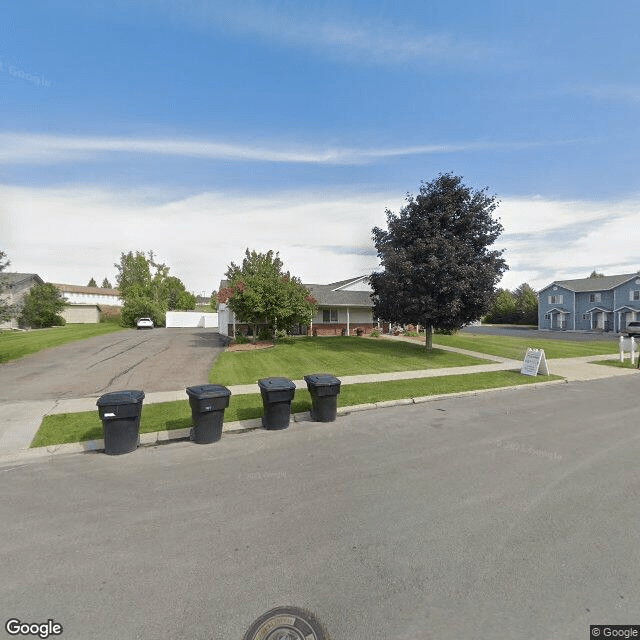
645 Liberty St, Kalispell, MT 59901
To contact a resident: (406) 755-4483
For more information about senior living options: (866) 208-4318
Renaissance Senior Living Costs & Pricing
At Renaissance Senior Living, residents can enjoy competitive pricing compared to both Flathead County and the broader state of Montana. For instance, a studio at Renaissance is priced at $2,795 per month, which offers significant savings when compared to the county average of $3,501 and the state average of $3,729. Similarly, our one-bedroom units at $3,195 not only provide a comfortable living space but also come in lower than Flathead County's average rate of $3,691 and slightly below Montana's average of $3,468. These attractive rates reflect our commitment to providing high-quality senior living accommodations while maintaining affordability for our residents.
| Floor plans | Renaissance Senior Living | Flathead County | Montana |
|---|---|---|---|
| Studio | $2,795 | $3,501 | $3,729 |
| 1 Bedroom | $3,195 | $3,691 | $3,468 |
Overall Review of Renaissance Senior Living
Pros
 The staff are amazing and consistently go the extra mile for residents.
- The staff are friendly and create a family-like atmosphere.
- Residents love living there and form meaningful friendships.
- The facility comes highly recommended by families seeking care.
- The staff are kind, consistent, and knowledgeable, helping families understand and cope with the disease.
- The staff balance independence and safety, providing wonderful care and making residents feel at home.
- The team coordinates individualized care with frequent communication, ensuring everyone is on the same page.
Cons
 The reviewer describes the experience as horrific and unprofessional.
- The reviewer states the brother’s condition declined dramatically during his stay.
- The reviewer alleges medications were given without the guardian’s knowledge, exacerbating aggression.
- The reviewer says the brother was evicted with no warning and no housing plan.
- The reviewer claims the brother would have died in the snow without hospital care and had no other housing options.
- The reviewer asserts the administrator lied and failed to keep promises, leading to eviction.
- The reviewer contends caregivers had no medical training and no accountability.
- The reviewer notes the actions caused extreme heartache, stress, and worry for the family.
Review
Renaissance Senior Living in Kalispell, MT is best suited for families seeking a warm, home-like environment where older adults receive attentive, compassionate care and meaningful social engagement. This community excels for residents who value a familial atmosphere, consistent kindness from staff, and a care approach that blends gentle supervision with opportunities for independence. The heart of the experience is friendships formed, a sense of belonging in daily routines, and staff who actively support outings, meals, and everyday activities that reinforce normalcy and connection. For seniors living with dementia or memory-related challenges, the staff’s ability to help families understand and adapt to the condition stands out as a practical benefit, often translating into calmer days and more predictable patterns for both residents and loved ones.
Not everyone will find Renaissance the right fit, and several important caveats deserve emphasis. Those prioritizing ironclad clinical oversight, aggressive medical management, or rigorous, policy-driven governance may want to consider alternatives. A past, highly negative incident reported by a guardian highlights the real possibility of governance gaps and suboptimal crisis handling if leadership and staff accountability aren’t consistently strong. While that outlier is not representative of typical day-to-day operations according to the majority of families, it creates a compelling reason to conduct thorough due diligence: ask current administrators about medication policies, safeguarding practices, discharge planning, and how family communications are managed when urgent decisions arise.
The core strengths of Renaissance Senior Living lie in the continuity and quality of frontline care. The staff are repeatedly described as loving, kind, and dependable, people who treat residents like family and who go the extra mile to support both the person and the family unit. Families report that caregivers learn resident preferences, maintain dignity, and encourage meaningful routines. Residents often seem content after outings and transitions back to the dining table, a tangible indicator that the care team can preserve a sense of normalcy even as health needs evolve. Regular team meetings and careful care planning are cited as mechanisms that keep staff aligned on each resident’s goals, reducing confusion and maintaining a coherent daily rhythm for those with memory challenges.
That strong relational foundation helps offset the concerning red flag from the past by underscoring how governance and oversight should function in practice. When the team operates with transparency, clearly defined boundaries, and a shared commitment to resident safety, the risk of missteps diminishes. The positive experiences, noticeable attentiveness, the ease of communication with caregivers, and the perceptible stability in day-to-day routines, signal a culture that prioritizes person-centered care. Still, the presence of even a single serious governance lapse in the history means families must insist on current, concrete evidence of how medication administration, staff training, incident reporting, and guardian communications are managed today.
Practical due diligence becomes the deciding factor for families weighing Renaissance against other choices. Prospective residents’ families should schedule a thorough on-site visit and insist on speaking with leadership, front-line aides, and, where possible, current residents or their relatives. Request the most recent care plans and evidence of regular updates, ask to see medication administration records, and verify staffing ratios during different shifts. Inquire about the memory care approach, how the facility handles behavioral symptoms, and what protocols exist for adverse events, hospital transfers, and readmission planning. Observe the dining experience, social activities, and the quality of outings, as these elements reveal how well the environment supports happiness and engagement, key indicators of long-term well-being beyond clinical metrics.
In the end, Renaissance Senior Living offers a compelling blend of warmth, community, and practical dementia support that benefits families prioritizing a nurturing, engaged senior living setting. For many, the strongest appeal is the sense that caregivers know residents well, respect independence where possible, and cultivate a daily life that feels less like a facility and more like a fortified, supportive home. The overall impression is one of resilience and dedication: when staff turnover is low, team communication is robust, and caregivers are empowered with clear policies, the positive outcomes tend to dominate the experience. However, the memory of the past guardian report cannot be dismissed; it makes clear that prospective residents must validate current leadership stability, governance controls, and the rigor of medical oversight. If those elements check out, Renaissance presents a strong, practical option for families seeking genuine, person-centered care.
Ultimately, the decision hinges on balancing proven daily-life benefits against the imperative for reliable clinical governance. For families prioritizing warmth, companionship, and a protective, home-like atmosphere, with staff who treat residents as family and who actively support social engagement, Renaissance Senior Living stands as a strong candidate in Kalispell. If, instead, the priority is unassailable medical oversight and an ironclad guarantee against care missteps, it is wise to broaden the search and compare facilities with documented, current safeguards and more transparent escalation procedures. A disciplined, hands-on evaluation, focused on current staffing, care planning, medication practices, and guardian communication, will reveal whether Renaissance remains the best fit or if an alternative setting better aligns with the loved one’s health needs and family expectations.
 Board and Care Home
 Memory Care
 Glacier Park International (8 miles away)


 How and When Medicaid May Cover Assisted Living Costs
 A Detailed Exploration of Assisted Living Medicaid Waivers Across the United States
 Exploring the Contrasts Between Assisted Living and Skilled Nursing