
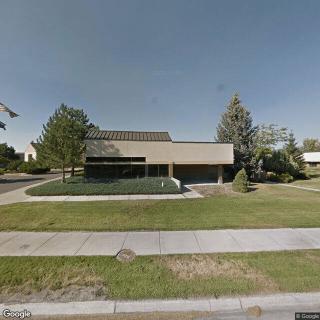
350 Conway Dr, Kalispell, MT 59901
To contact a resident: (406) 752-5460
For more information about senior living options: (866) 208-4318
Overall Review of Brendan House Skilled Nursing
Pros
 The staff at Brendan House are described as friendly and knowledgeable.
- People are grateful for the recovery care and thank the nurses and CNAs.
- The staff are great, treating residents with respect, compassion, and a touch of humor.
- The staff at Brendan House make residents feel at home and truly care about them.
- They took amazing care of residents after strokes.
- The facility has earned recommendations from those who needed care there.
Cons
 The facility is severely understaffed and lacks cohesion between shifts, leading to inconsistent care.
- Medications are frequently late or forgotten, compromising patient safety.
- Patients are left without baths for extended periods and sit in soiled clothing.
- The environment is dirty and unhygienic, with dirty oxygen tubing left on the floor and soiled items nearby.
- Family requests are ignored and calls are not returned.
- Food service is inadequate, with patients missing meals or lacking appropriate options.
- The administration and medical staff appear uncaring and make excuses for poor care.
- There has been at least one instance of abusive behavior by a CNA toward a patient, signaling serious safety concerns.
- Call lights are often ignored for long periods, with staff distracted and unavailable.
Review
Brendan House in Kalispell operates as a skilled-nursing option best suited for families that need long-term care or post-acute rehabilitation and are prepared to actively monitor and advocate for a loved one. The reality is highly variable: some shifts feature kind, capable caregivers, while others reveal a pattern of understaffing and inconsistent routines. For residents who can tolerate gaps in daily care and who are ready to pursue candid conversations with staff and leadership, Brendan House can function as a workable recovery or ongoing-care setting. It is not a guaranteed, fail-safe environment, but it can work when families remain vigilant and engaged.
Those who should seriously consider alternatives are families prioritizing consistently reliable daily care, timely medication administration, and rigorous hygiene standards. The prevalent concerns reported in reviews, staffing gaps, delayed or forgotten meds, dirty common areas and rooms, and uneven care across shifts, pose real risks for seniors, especially those with mobility limits or cognitive needs. For loved ones who cannot dedicate substantial time to oversight or who require a predictable, well-coordinated care plan, other facilities with stronger staffing ratios and clearer family communication should be on the shortlist. High-need residents and families seeking little-to-no need for advocacy will want to look elsewhere.
On the upside, a number of reviewers acknowledge genuine warmth and competence from several nurses, aides, and therapists when staffing is sufficient. Positive experiences include respectful treatment, effective basic recovery care, and moments when the staff’s practical skills and bedside manner helped a patient cope with surgery or a stroke. These pockets of quality demonstrate that Brendan House can deliver meaningful care and rehabilitation under the right conditions. Yet those bright spots feel fragile next to the breadth of negative reports, where inconsistencies, delays, and hygiene lapses repeatedly undercut the potential benefits.
The core takeaway is that the key pros, personal warmth from some caregivers and credible rehabilitation when staffing is adequate, do not consistently offset the major cons: chronic understaffing, uneven care, repeated medication issues, and worrying lapses in cleanliness and safety. Families evaluating Brendan House must weigh the possibility of good days against the persistent risk of substandard care, especially in urgent or complex situations. The facility’s ability to deliver steady, well-coordinated services hinges on leadership, staffing, and a robust culture of accountability, which, based on multiple reviews, has not consistently met those benchmarks.
A practical due-diligence plan is essential. Prospective families should request current staffing rosters and response-time data, tour during multiple shifts, and review recent state survey findings and any corrective action plans. Demand clarity on how medical orders are overseen and how families participate in decision-making. Verify that medications are administered promptly, hygiene routines are consistent, meals are offered, and therapy is delivered by licensed professionals with documented results. Inspect cleanliness, laundry practices, and the responsiveness of call systems. Establish a concrete escalation process with administration before admission and insist on regular care conferences to keep expectations aligned.
Ultimately, the decision rests on whether reliable, ongoing care can be achieved with active family involvement. Brendan House can serve as a workable option for short-term rehab or long-term care only if there is a clear commitment to staffing adequacy, transparent communication, and unwavering accountability. For families prioritizing consistent quality, predictable care delivery, and rigorous oversight, it is prudent to prioritize alternatives first and view Brendan House as a potential fallback only after securing explicit guarantees and instituting strict performance milestones. The prudent path is to pursue facilities with stronger, demonstrable consistency while keeping Brendan House under close, structured observation.
 Skilled Nursing Facility
 Glacier Park International (7 miles away)






 Compassionate Conversations: How to Comfort Someone Who Is Grieving
 Home Health Care Aides: Understanding Their Role and Supporting Your Family
 Urinary Tract Infections in Older Adults: Comprehensive Insights on Symptoms, Treatment, and Prevention