
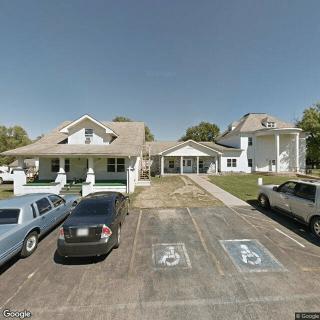
307 South Highway 21, Potosi, MO 63664
For more information about senior living options: (866) 208-4318
Overall Review of Potosi Manor
Pros
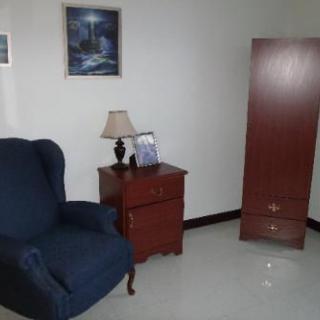
 The rooms were OK.
Cons
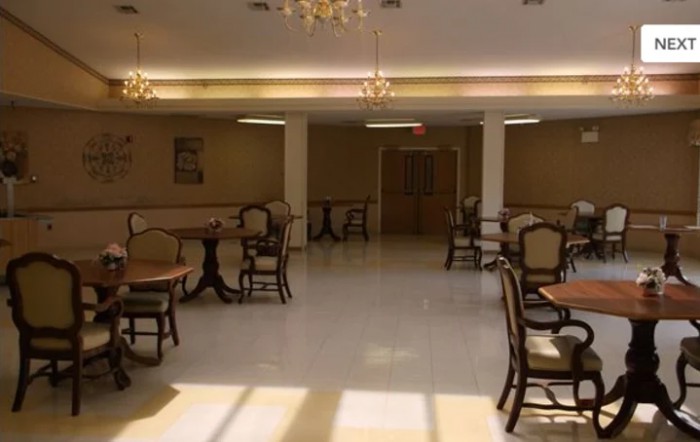
 Potosi Manor was cluttered and disorganized.
- They did not see anyone during their visit.
- They were not introduced to any staff, except one individual.
- It felt very rigid and impersonal.
- The staff refused them.
- They talked to one administrator and an office aide, and did not get to interact with anyone else.
- The restrooms were not close by for someone who needed them.
- The male-to-female ratio was far higher (about one in eight) in that facility.
Review
Potosi Manor is best suited for highly independent seniors who do not require close day-to-day staff oversight or hands-on assistance, and who can tolerate a more austere, less warmly staffed environment. The single observed visit and overall tone suggest a facility where clinical care and resident engagement are not prioritized, making it a poor fit for anyone expecting proactive care planning, frequent staff interaction, or a welcoming onboarding process. The modest physical footprint, rooms described as acceptable but not exceptional, comes with a backdrop of organizational frictions that will matter most to residents needing predictable routines and easy access to services.
Those evaluating alternatives should particularly note who may want to consider other options. Families seeking active management, clear resident-directed programming, and consistent front-line presence will want to keep looking. The review underscores a culture that feels rigid and impersonal, with little staff visibility during a tour and minimal introductions beyond a single employee. In addition, practical needs such as restroom access and daily living support appear to be undermined by layout and staffing gaps. A skewed gender mix is also singled out, hinting at broader concerns about supervision, safety, and social atmosphere that are unlikely to improve without a deliberate cultural shift.
The positive elements in this case are few and pale against the drawbacks. The only substantive upside cited is that individual rooms were “OK,” which offers a neutral baseline for privacy and personalization. However, that modest architectural adequacy does not offset the pervasive sense of disorganization, the absence of staff engagement, or the rigid, impersonal climate described. Accessibility concerns, specifically restrooms not being conveniently nearby, compound the risk for residents with mobility or incontinence needs, making day-to-day independence questionable rather than reassuring. When these factors combine with a lack of welcoming culture, the overall experience tilts toward disconnection rather than comfort.
From an advisory standpoint, the strongest red flags are the lack of visible staff during a visit, a tour that leaves prospective residents with unanswered questions, and an environment that feels rigid rather than responsive. Families should demand a thorough tour that includes multiple frontline staff, conversations with caregiving teams, and a transparent explanation of daily life routines, meal service, and activity calendars. Ask to see common areas during peak usage, request a detailed explanation of restrooms’ locations relative to living spaces, and verify the resident-to-staff ratios for different shifts. If any of these answers feel evasive, that is a warning sign to widen the search.
For those who still consider Potosi Manor, approach with a plan to verify critical facets of daily living. Schedule a second, longer visit focused on care workflows, meal service timing, activity options, and how residents are greeted and oriented upon move-in. Bring a trusted advocate to assess the atmosphere and to pose direct questions about safety, privacy, and accessibility. Compare findings against other nearby communities that demonstrate consistent staff presence, clean and navigable layouts, and transparent onboarding. The practical takeaway is clear: in a setting this forthcoming with organizational drawbacks, better options exist for families prioritizing warmth, responsiveness, and predictable care in a supportive environment.
Bottom line: the combination of disorganization, minimal staff engagement, and an impersonal climate makes Potosi Manor a choice most families should reject unless the resident profile is exceptionally independent and not dependent on routine assistance. It is not a good match for seniors needing reliable staff support, readily accessible restrooms, or an inviting social atmosphere. For families weighing options, prioritize facilities with visible, accessible staff, clear daily routines, and a culture that welcomes residents and families from the first tour. If opting to visit, treat it as a diagnostic, not a casual showroom, and use the findings to guide decisively toward options that deliver tangible warmth, structured care, and easier day-to-day living.
 90 resident community capacity
 Skilled Nursing Facility
 Air-conditioning
 Beauty salon
 Cable or satellite TV
 Computer center
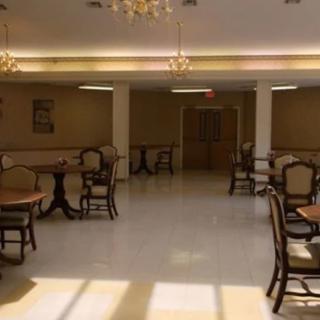
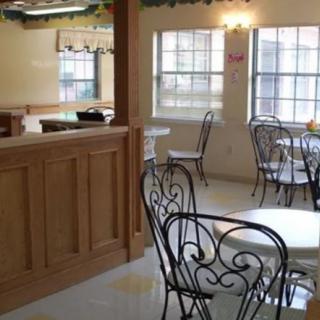
 Dining room
 Fitness room
 Fully furnished
 Gaming room
 Garden
 Housekeeping services
 Kitchenette
 Move-in coordination
 Outdoor space
 Private bathrooms
 Restaurant-style dining
 Small library
 Telephone
 Wellness center
 Wi-Fi/high-speed internet available
 Community operated transportation
 24-hour call system
 Activities of daily living assistance
 Assistance with bathing
 Assistance with dressing
 Assistance with transfers
 Diabetes diet
 Medication management
 Special dietary restrictions
 Concierge services
 Planned day trips




 Skilled Nursing Facilities vs. Nursing Homes: Making Sense of the Differences
 A Detailed Examination of Nursing Home Costs Across the U.S.
 Exploring Nonmedical Home Care: Understanding Services, Costs, and Financial Approaches