


1500 South Kansas Avenue, Marceline, MO 64658
For more information about senior living options: (866) 208-4318
Overall Review of Pioneer
Pros
 The facility provided great care with attentive staff and good meals.
- He rehabbed to home thanks to the great therapy he received at Pioneer.
- The staff checked on him frequently and demonstrated respectful bedside manner.
- It was the best place for their loved one, with no regrets.
- Everyone at Pioneer is described as highly professional.
- The environment feels like a family, with compassionate care.
- The grandpa enjoyed the company of the sweet staff who cared for him.
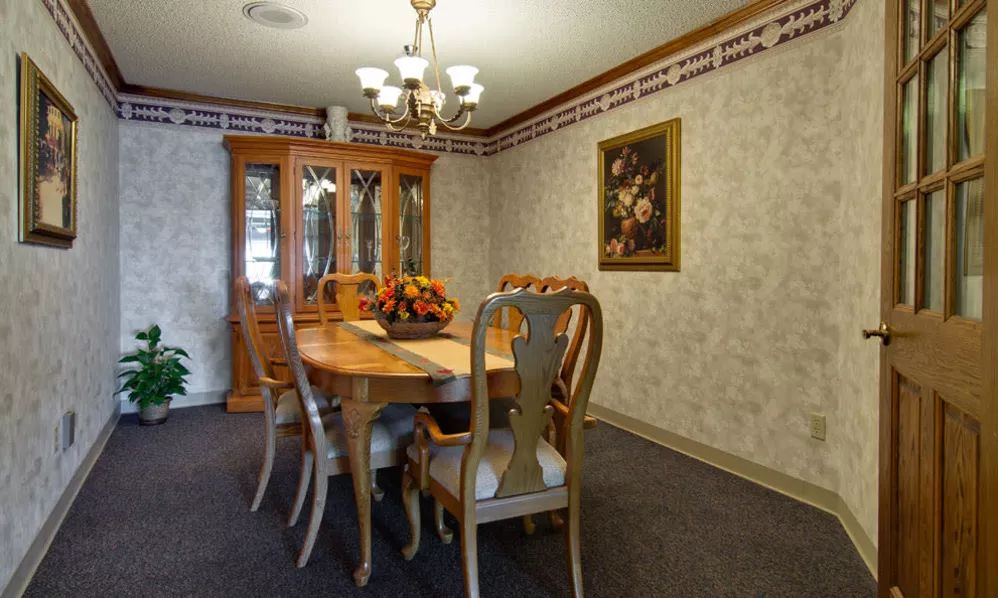
- The Thanksgiving setup offered a private dining space for families and good food.
- The rehab at Pioneer was excellent and the overall care was great.
- The reviewer would recommend the facility to others.
Cons
 She developed one large bed sore and several others because they did not get her out of bed.
- They did not shower or care for her properly.
- Her nails were probably two inches long when they discovered them underneath her curled hands.
- Someone stole her cell phone and purse.
- Nothing was done about it.
- Hospice was horrible; she was not getting proper nutrition or hydration.
- This place should be prosecuted for elder abuse.
- The manager is a disgrace and doesn't care about the residents or the employees.
Review
Pioneer in Marceline is best suited for families aiming for robust rehabilitation and a warmly connected, almost family-like environment. When the goal is meaningful progress in therapy and daily engagement, this community has shown strong results, with residents often reporting attentive staff, consistent bedside care, and notable rehab gains that help people move closer to home. The setting can feel welcoming, with staff who treat residents with friendliness and respect, and occasional practical perks like private dining spaces that support meaningful family time. This combination makes Pioneer a compelling option for those who prioritize recovery-focused care and social integration over a purely clinical experience.
At the same time, prospective families should explicitly consider alternatives if the person requires high, consistent medical oversight or has significant care needs. Several reviews raise red flags for residents who cannot advocate for themselves or who rely on constant supervision. Allegations of wound neglect, lapses in hygiene, and even safety concerns during staffing shifts point to potential risks when acuity is high. Additionally, concerns about governance, perceived profit focus and leadership issues, underline the need for cautious scrutiny, especially for residents with complex medical histories. Theft concerns and inconsistent responses to problems further argue for careful due diligence or exploring options with stronger safeguards.
The strongest positives, therapist expertise, genuine kindness from staff, and the sense of continuity in care, often do align with exceptional rehab outcomes and a supportive environment. When therapy is well-delivered and staff engage residents earnestly, many families report real progress and a smoother transition back home. Cleanliness and attentive bedside manners in the hands-on moments contribute to a reassuring daily experience for many residents and visitors. Yet these strengths do not automatically neutralize the most troubling reports: ongoing wounds, neglect of basic hygiene, and a perception that some critical concerns were not promptly or adequately addressed. The question for families is whether the positive rehab trajectory can be reliably sustained given the reported inconsistencies in care and supervision.
A practical decision framework centers on verifiable care quality and transparent accountability. Families should request a detailed care plan, including wound care protocols, nurse-to-resident ratios, and the frequency of physician or nurse practitioner visits. Tours should extend to the rehab area and housekeeping, with conversations that probe staffing patterns across shifts and weekdays versus weekends. Demand to speak with the administrator or director about oversight, incident reporting, and how complaints are escalated and resolved. It’s essential to observe how therapy teams coordinate with nursing, and to verify that nutrition and hydration plans are actively monitored, not merely documented.
Other elements to weigh include the overall atmosphere and meal service quality, as well as the facility’s responsiveness to visits and family time. Several families describe a genuine sense of community, with compassionate residents and staff who remember personal histories, which can be a meaningful comfort for everyone involved. On the flip side, concerns about food quality and limited bedside responsiveness in some cases temper the otherwise positive impressions. Physical environment, cleanliness in all units, and the consistency of that care across shifts should be confirmed through objective checks and candid discussions with multiple staff members and family advocates.
Ultimately, Pioneer presents a clear trade-off: the potential for strong rehabilitation outcomes and a compassionate, family-friendly vibe versus serious concerns about neglect, safety, and governance that can undermine trust. For families who prize rehab intensity and a warm community, and who are prepared to demand rigorous, ongoing oversight, Pioneer can be a very viable choice. For those whose loved one requires steady, high-acuity medical attention, or for families who cannot tolerate the specter of inconsistent care, exploring alternatives with stronger staffing guarantees and tighter accountability is prudent. If choosing Pioneer, enter with a concrete care roadmap, explicit expectations, and a plan for regular, proactive check-ins to ensure care quality stays aligned with the resident’s needs.
 96 resident community capacity
 Skilled Nursing Facility
 Air-conditioning
 Beauty salon
 Cable or satellite TV
 Computer center
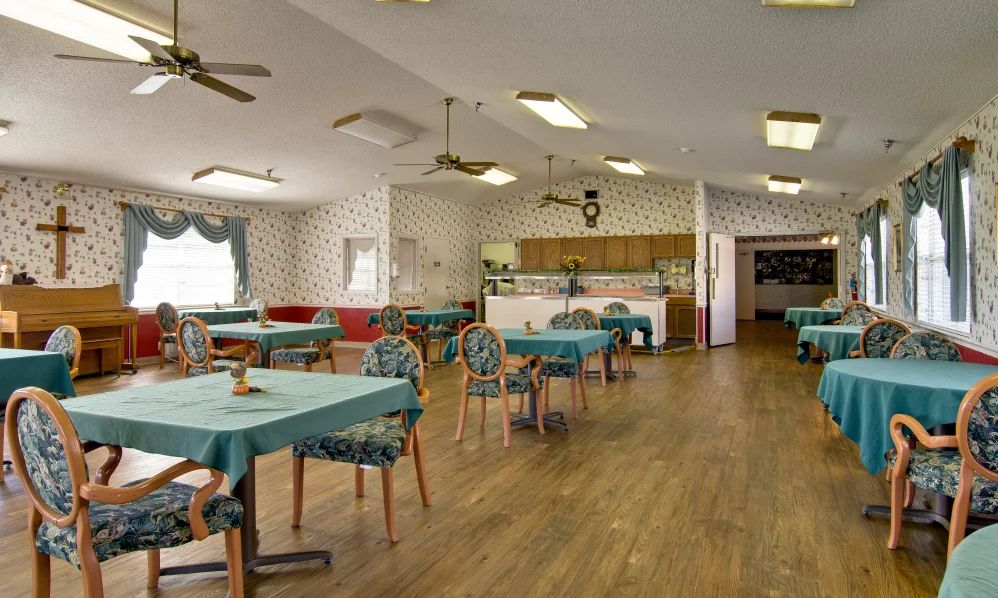
 Dining room
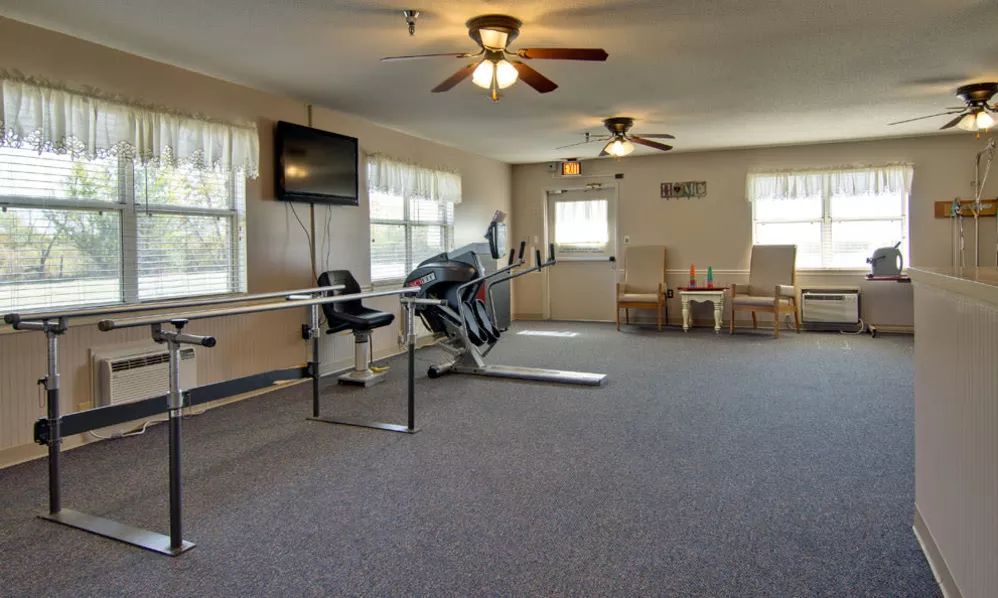
 Fitness room
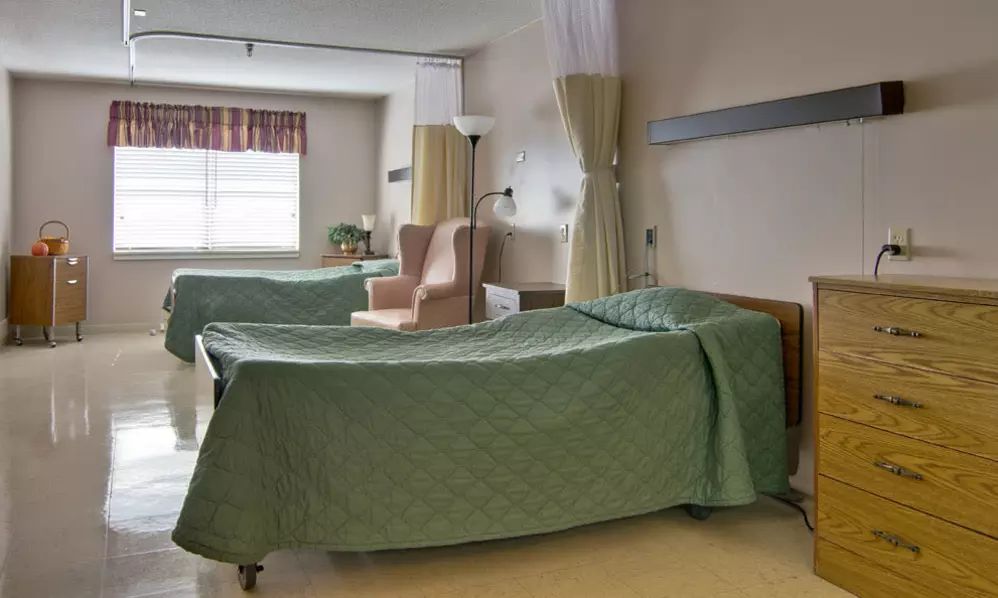
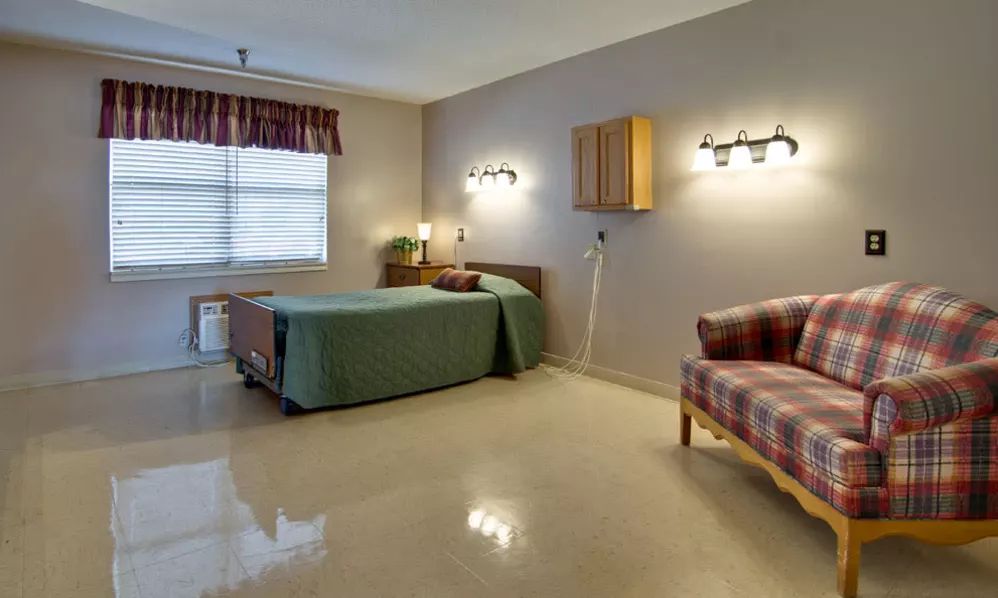
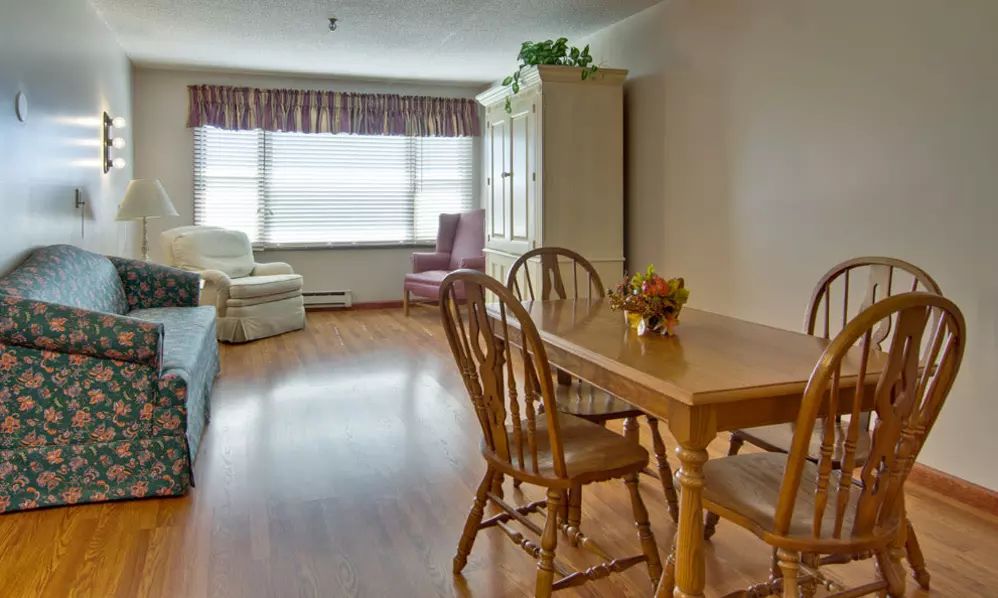
 Fully furnished
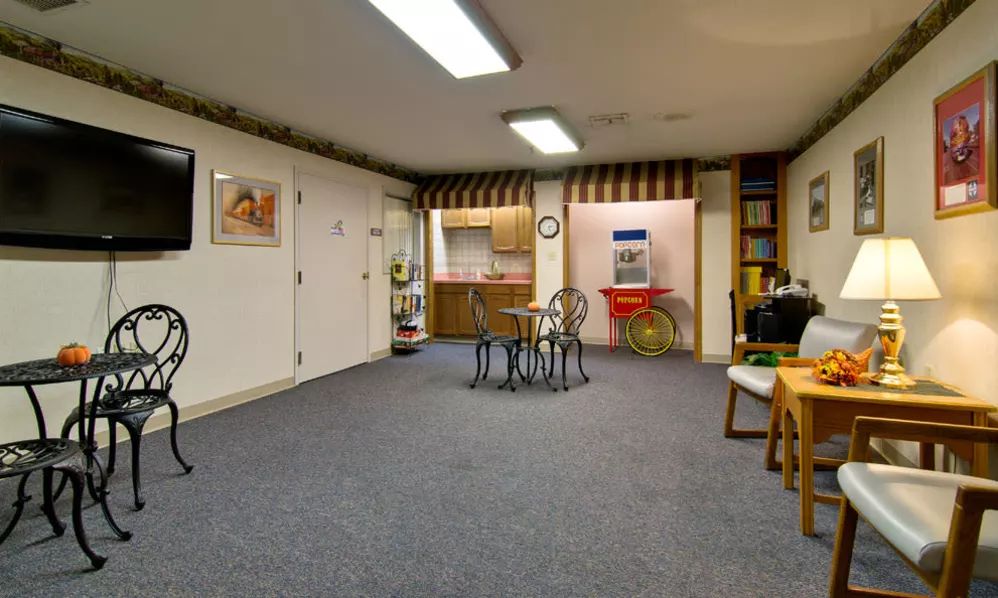
 Gaming room
 Garden
 Housekeeping services
 Kitchenette
 Move-in coordination
 Outdoor space
 Private bathrooms
 Restaurant-style dining
 Small library
 Telephone
 Wellness center
 Wi-Fi/high-speed internet available
 Community operated transportation
 24-hour call system
 Activities of daily living assistance
 Assistance with bathing
 Assistance with dressing
 Assistance with transfers
 Diabetes diet
 High acuity care
 Medication management
 Special dietary restrictions
 Concierge services
 Planned day trips


 Weight Training for Seniors: Building Strength and Vitality
 Understanding the Sandwich Generation: Stress and Responsibilities for Multigenerational Caregivers
 8 Essential Assistive Devices for Older Adults