620 North Emmerson, Slater, MO 65349
For more information about senior living options: (866) 208-4318
Big Bend Retreat Costs & Pricing
Big Bend Retreat offers competitive pricing for its accommodations, especially when compared to both Saline County and the broader state of Missouri. For a Semi-Private room, residents will find a monthly cost of $2,760, which is slightly lower than the $2,790 charged in Saline County and significantly more affordable than the state average of $3,772. Similarly, for those considering a Studio option, Big Bend Retreat's rate of $3,360 is not only higher than Saline County's $3,057 but remains below Missouri's average of $3,418. This pricing structure suggests that Big Bend Retreat may provide an appealing balance of quality and value for potential residents seeking care in a comfortable environment.
| Floor plans | Big Bend Retreat | Saline County | Missouri |
|---|---|---|---|
| Semi-Private | $2,760 | $2,790 | $3,772 |
| Studio | $3,360 | $3,057 | $3,418 |
Overall Review of Big Bend Retreat
Pros
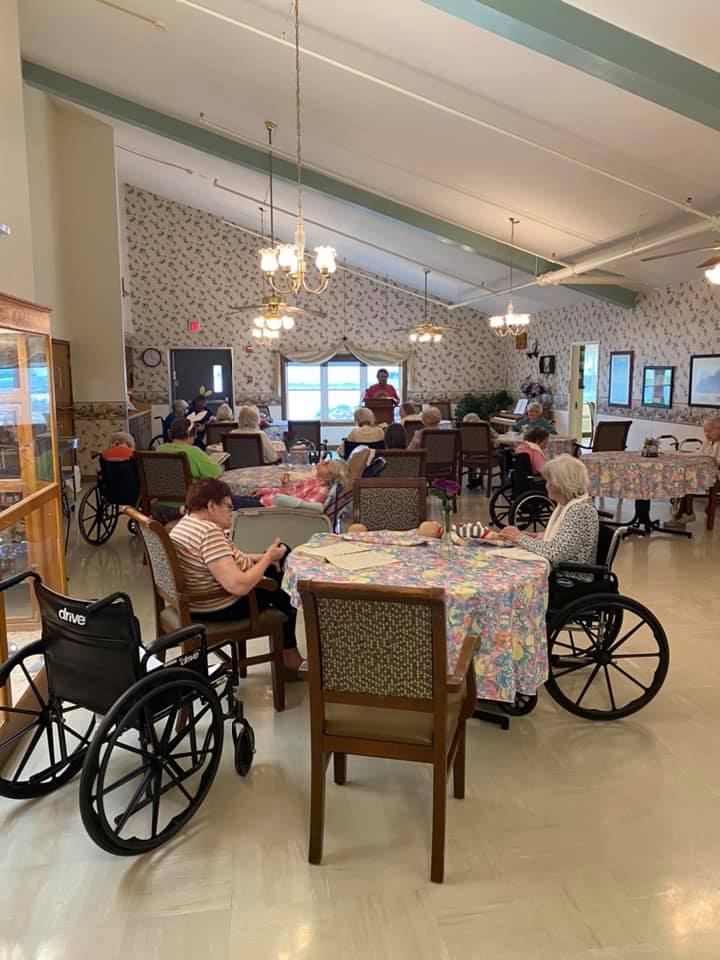
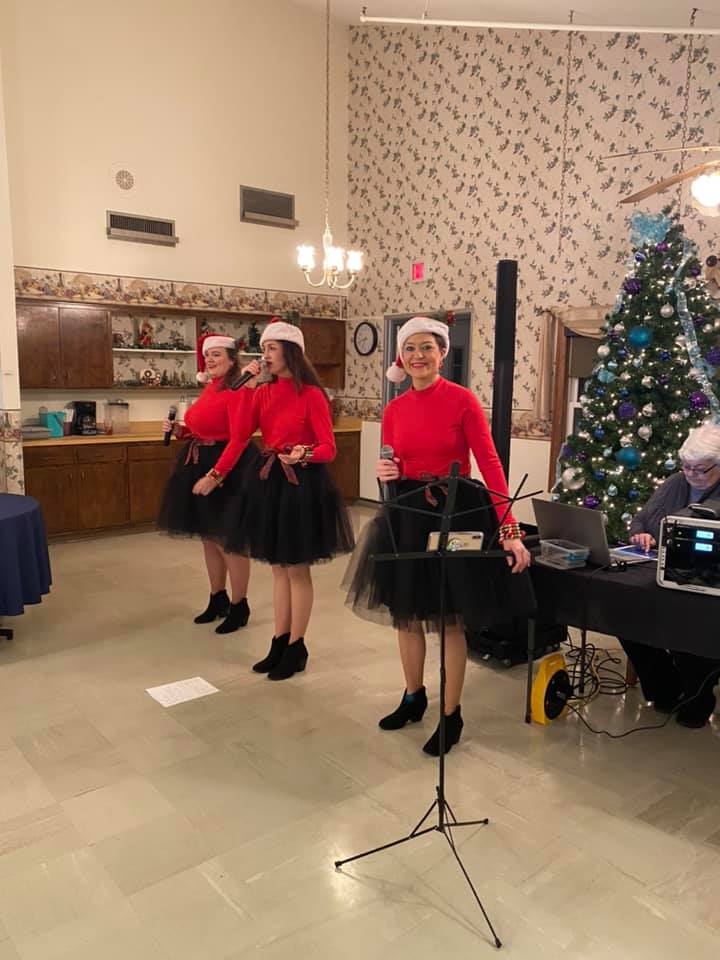
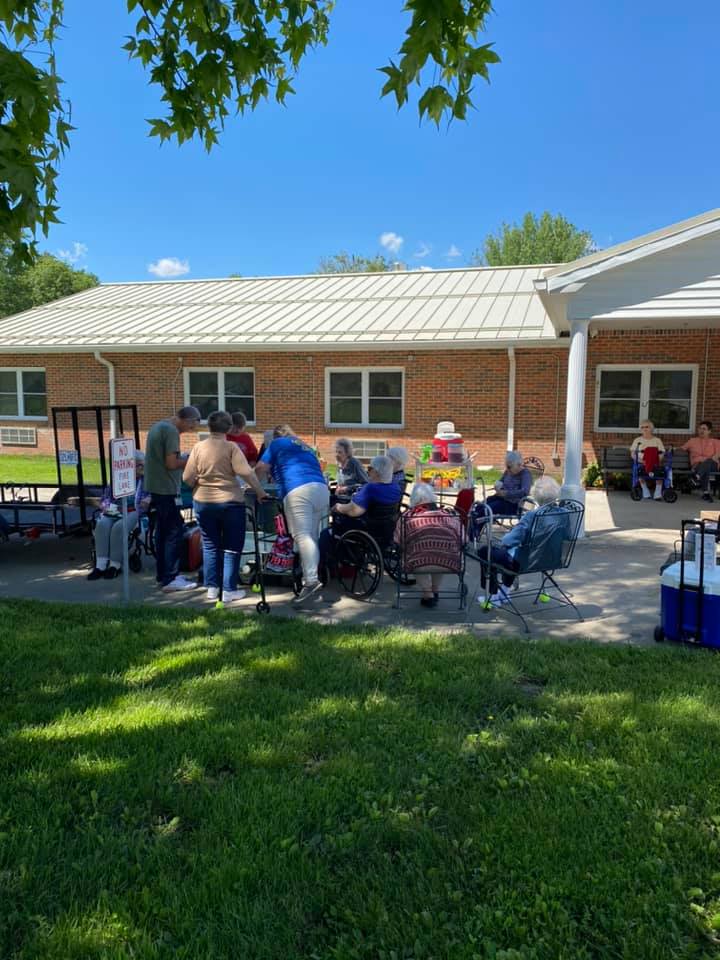
 The home is clean, with caring staff, and offers lots of activities.
- Residents are happy.
- Staff are really good to residents, and rooms feel like apartments.
- The facility has great people and good facilities.
- The privately owned nursing home is decent.
- It is a decent place to work.
- Paid CNA training is provided.
Review
Big Bend Retreat in Slater, Missouri is best suited for seniors who want a warm, home-like setting where staff are genuinely attentive and daily life centers around activity, companionship, and independence. The community presents a clean, comfortable environment and emphasizes apartment-style living that preserves dignity and autonomy. For families seeking a small-town vibe with a practical, engaging schedule and residents who appear content and well-cared-for, this option delivers a compelling fit.
Those weighing alternatives should consider where increased medical oversight and scale matter most. If a resident requires intensive clinical care, access to a broad rehab network, or specialized memory care programs, a larger facility with broader staffing and equipment may be preferable. Similarly, if a family prioritizes extensive on-site specialty services, refined clinical protocols, or highly varied amenities that come with bigger campuses, a different setting could prove more suitable. Big Bend Retreat offers a strong human-centered experience, but it sits in a quieter, smaller ecosystem where resources are more modest by design.
The strongest pros align directly with daily life and peace of mind for both residents and families. Cleanliness and a well-kept environment create a sense of safety and pride that reduces friction around routine care. Caring staff shows up consistently, and their engagement translates into meaningful interactions that residents notice and appreciate. A robust calendar of activities and a culture of happy residents signal real social vitality, which can dramatically improve mood, structure days, and deter isolation. The apartment-style rooms, described as personal spaces rather than sterile wards, reinforce independence and personal identity, making care feel like a lived-in home rather than a clinical arrangement. Taken together, these elements create a practical, livable balance where quality of life is visible in day-to-day moments.
The facility’s privately owned status is a notable backdrop to the experience. It can bring a nimble, people-first approach and direct accountability that families may value. At the same time, it invites families to do their own diligence around staffing consistency, availability of specialized services, and capital investments. Reviews note “decent” facilities and a supportive work environment, which in practice translates to reliable care routines and a stable culture. The paid CNA training mentioned in one review is a meaningful indicator of investment in frontline caregivers, suggesting that the care team has pathways for skill growth that can translate to better resident oversight and responsiveness. Yet, the absence of explicit mentions of advanced therapies or extensive clinical programs means families should confirm the scope of on-site services and how coordination with outside providers is handled.
A practical decision-forecast relies on clear, confirmable expectations. Families should verify nurse coverage hours, the breadth of on-site therapies, and access to medical oversight when needs evolve. It’s prudent to tour the community with questions about room options, dining experiences, and how activity staff tailor programs for different mobility levels and interests. Given the evident warmth and activity, Big Bend Retreat is likely ideal for residents who thrive on social engagement and a homelike atmosphere, where staff rapport and a positive peer culture drive daily satisfaction. If those factors align with the priorities, this community stands out as a strong, trustworthy choice.
In the end, Big Bend Retreat offers a practical, compassionate blend of cleanliness, caring, and community that resonates for seniors who value daily engagement and personal space within a small, resident-centered setting. It is less about flashy medical perfection and more about enduring quality of life, meaningful interaction, and a home that treats independence with respect. For families prioritizing warmth, consistent staffing, and a lively activity calendar over sprawling facilities and niche clinical services, this community earns a clear recommendation. For those whose needs tilt toward advanced clinical care, broader rehab networks, or expansive amenities, it’s wise to explore alternatives and compare the specifics of staffing, services, and care coordination before deciding.
 60 resident community capacity
 Assisted Living
 Respite Care
 Skilled Nursing Facility
 Activities off-site
 Air-conditioning
 Beautician on-site
 Cable or satellite TV
 Computer center
 Devotional services on-site
 Dining room
 Fitness room
 Fully furnished
 Gaming room
 Garden
 Housekeeping services
 Indoor common areas
 Kitchenette
 Move-in coordination
 Outdoor common areas
 Private bathrooms
 Restaurant-style dining
 Small library
 Telephone
 Wellness center
 Wheelchair accessible showers
 Wi-Fi/high-speed internet available
 Community operated transportation
 12-16 hour nursing
 24-hour call system
 Assistance with bathing
 Assistance with dressing
 Assistance with transfers
 Diabetes diet
 Diabetic care
 Medication management
 Mental wellness program
 Special dietary restrictions
 Concierge services
 Planned day trips


 Securing Financial Support for Assisted Living: A Comprehensive Overview
 Social Security Benefits and Assisted Living: Navigating Options Across the U.S.
 An Extensive Exploration of the VA Aid and Attendance Benefit