
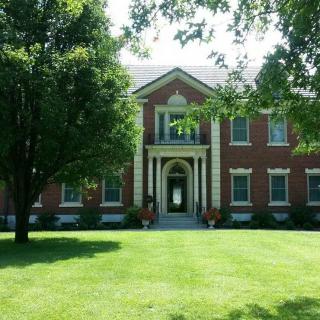
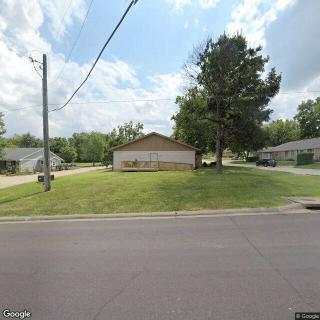
809 East Gordon Street, Marshall, MO 65340
For more information about senior living options: (866) 208-4318
Overall Review of Legendary Nursing & Rehabilitation
Pros
 The staff are great, very caring and attentive to detail.
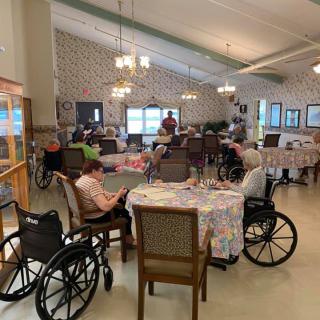
- The facility is very clean and well-kept.
- Local churches regularly provide church services and fellowship.
Cons
 The facility is described as very dirty, with residents going days without baths, and some staff letting CNAs pass narcotics because they are lazy and sit at the computer all night.
- Upper management is described as knowing about the problems but choosing to do nothing to protect residents.
- Care delays reportedly caused UTIs and kidney infections, and staff neglected to take the resident to a kidney doctor, contributing to severe illness and death.
- Residents were left unattended, resulting in injuries such as a fall and a concussion, along with a ripped, wet mattress and a related staff infection.
- A resident was served a pureed tray despite not being on a pureed diet, and dietary issues were not promptly resolved.
- The facility is described as outdated and not well trained for dementia care, requiring modernization and dementia-specific training.
Review
Legendary Nursing & Rehabilitation in Marshall, MO is best suited for families seeking a small, hands-on setting where staff appear genuinely attentive and the environment is kept clean. The facility’s compact footprint means caregivers can form relationships with residents and respond with a level of familiarity that larger campuses sometimes cannot. For seniors who don’t require extensive programming or high-capacity services, and whose families want visible daily engagement from nursing and support staff, this community can feel like a practical, home-like option. The upside is a tangible sense of personal attention and a smaller-scale operation that can translate to quicker responses and more predictable routines.
That said, serious caveats push many families to consider alternatives. Those with loved ones who need consistent, high-frequency medical oversight, complex wound or dialysis care, or robust dementia-specific programming may find this community insufficient. Reviews describe neglectful care, delays in essential tasks, and even dangerous incidents. When safety fails, such as delayed bedpan assistance leading to infections, unaddressed medical needs, and injuries from improper equipment, the risk profile rises sharply. Families with high expectations for a medically focused environment or for weekly physician oversight should look at facilities with stronger track records in clinical governance and preventive care.
The strongest positives, genuine staff attentiveness and a clean, manageable setting, do offer meaningful offset when matched with realistic limits. A small facility can deliver responsive bedside support and a sense of family atmosphere that larger centers struggle to reproduce. Cleanliness and a dedicated core of compassionate caregivers are real assets that can significantly improve daily quality of life, reduce confusion, and encourage family involvement. When these strengths align with clear, proactive communication from administration, they can mitigate some of the day-to-day stressors typical of longer-term care experiences. Still, the presence of dedicated staff does not automatically compensate for systemic gaps in oversight or facility safety.
However, the gravity of the cons cannot be dismissed. Reports of dirty conditions, inappropriate medication handling, extended call-light response times, and dangerous furniture or equipment setups paint a troubling picture. Instances of neglect leading to infections, injuries, or serious health consequences are the kind of red flag that should prompt immediate due diligence. The absence of consistent physician visits, described as “weekly” rather than more frequent monitoring, amplifies these concerns, especially for residents with chronic or escalating medical needs. The facility’s dated interior and outdated processes further compound risks, signaling a mismatch for families seeking modern infrastructure and streamlined MedPass protocols.
For residents with dementia or other cognitive challenges, the fit is particularly fragile. One review explicitly warns that this setting is not ideal for dementia care, suggesting a need for facilities with specialized staff training and targeted programming. Families should consider dementia-focused communities or larger campuses with certified memory care units, where staff receive ongoing specialized training, and where environmental design supports safer, calmer daily living. Given the mixed record here, use dementia needs as a non-negotiable screen: if memory care is required, alternatives are strongly advisable.
In the end, this community represents a cautious choice: solid for those who prize a small, clean environment and trustworthy daily interaction, but risky for families whose loved ones demand intensive medical oversight, rigorous safety standards, or specialized dementia care. If pursuing placement here, proceed with concrete safeguards: request current staffing ratios across shifts, insist on weekly physician reviews or stricter medical oversight, demand a formal plan for wound care, hydration, and infection prevention, and set up a clear, written protocol for call-light response and bed adjustments. A trial period with objective milestones, frequent family visits, and direct access to administration should be standard. Where these protections cannot be secured, alternatives with stronger clinical governance and modern infrastructure are prudent to pursue.
 92 resident community capacity
 Skilled Nursing Facility
 Air-conditioning
 Beauty salon
 Cable or satellite TV
 Computer center
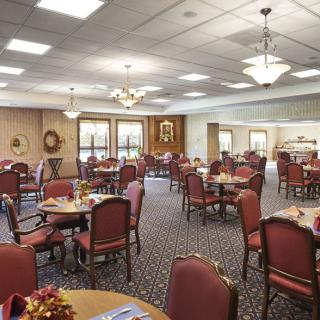
 Dining room
 Fitness room
 Fully furnished
 Gaming room
 Garden
 Housekeeping services
 Kitchenette
 Move-in coordination
 Outdoor space
 Private bathrooms
 Restaurant-style dining
 Small library
 Telephone
 Wellness center
 Wi-Fi/high-speed internet available
 Community operated transportation
 24-hour call system
 Activities of daily living assistance
 Assistance with bathing
 Assistance with dressing
 Assistance with transfers
 Diabetes diet
 Medication management
 Special dietary restrictions
 Concierge services
 Planned day trips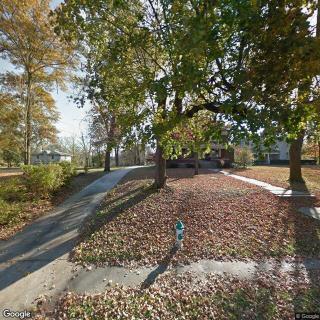


 Engaging Brain Games and Innovative Apps to Keep Senior Minds Active
 Effective Strategies for Keeping Seniors' Minds Active: A Deep Dive into Brain Games and Apps
 In-Depth Look at the VA Aid and Attendance Program