
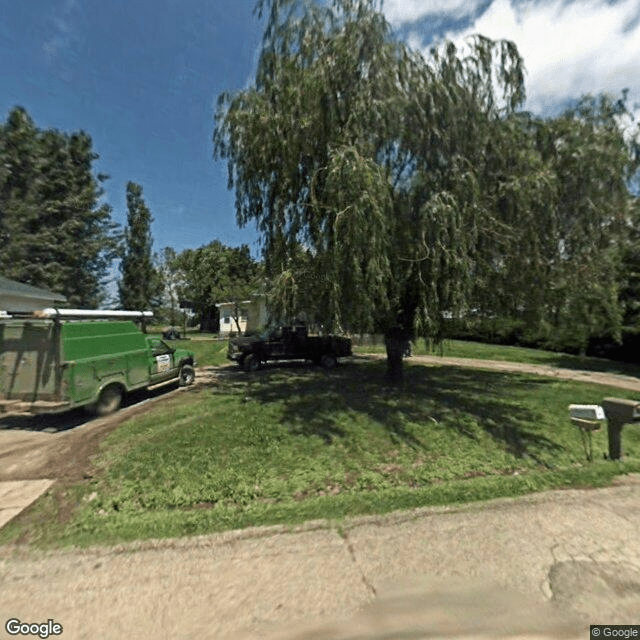
102 Hayden St, Marceline, MO 64658
To contact a resident: (660) 376-2210
For more information about senior living options: (866) 208-4318
Bristol Manor of Marceline Costs & Pricing
Bristol Manor of Marceline offers competitive pricing for their studio accommodations, with a monthly cost of $2,310. This rate is notably lower than the average costs in Macon County, which stand at $2,345, and significantly more affordable compared to the overall state average in Missouri, where studio prices reach approximately $3,418. Such pricing reflects Bristol Manor's commitment to providing accessible and quality care for residents while maintaining a supportive community atmosphere.
| Floor plans | Bristol Manor of Marceline | Macon County | Missouri |
|---|---|---|---|
| Studio | $2,310 | $2,345 | $3,418 |
Assisted Living communities with a similar price nearby
-
from -$330 / mo

Bristol Manor of Salisbury
$1,980 to $3,000 / month22.4 miles away -
from -$280 / mo
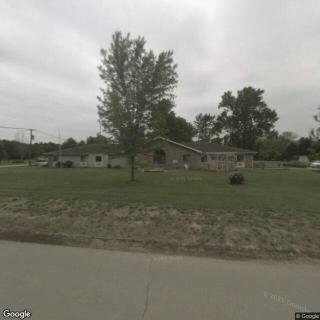
Bristol Manor of Brookfield
$2,030 / month7.2 miles away
Overall Review of Bristol Manor of Marceline
Pros
 Bristol Manor of Marceline provides personal attention to the residents.
- The staff takes great care of the residents in all aspects of care.
- The meals are always great.
Cons
 The facility was poorly run.
- It offers nothing extra, such as cable TV in rooms or Wi-Fi.
- Staff harassed residents and provoked anger on several occasions, not allowing them to regain composure.
- There were major medication errors.
- The reviewer believed the facility should close its doors for good.
Review
Bristol Manor of Marceline in Marceline, MO is best suited for families seeking a small, personally attentive environment where residents can expect consistent caregiving and dependable meals, and where the day-to-day warmth of staff matters as much as formal programming. This community appears to reward those who value direct, hands-on care from caregivers who know residents by name, even if the setting itself is modest. It is not the choice for families seeking abundant amenities or a facility with a high-end, polished campus vibe. Those who prize high-tech comforts or a bustling activities calendar should consider alternatives.
The strongest positives cited are the undeniable personal attention and the evident care delivered by staff. In practice, residents receive thoughtful, attentive, day-in and day-out assistance, with caregivers who seem to invest in residentsā€™ comfort and daily well-being. Meals are consistently highlighted as a standout, suggesting kitchen service that prioritizes quality and satisfaction, which can materially improve daily life for residents who rely on prompt, reliable dining. For families who want a care-focused environment where staff know routines and preferences, this can be a meaningful advantage.
However, the drawbacks cannot be dismissed, and they sit squarely at the heart of the decision. One review describes the operation as poorly run, with a sense of mismanagement that colors every other experience. The absence of basic extras such as cable television or Wi-Fi signals a lean, no-frills approach that may feel stingy to residents used to more connectivity and comfort in daily living. Most critically, serious concerns about medication management and staff conduct emerge, claims of medication errors, harassment, and news that a resident was provoked to anger and not allowed time to regain composure all point to safety and dignity being at risk. Those factors are not minor, and they undermine the reliability families expect.
In weighing the pros against the cons, the positive elements, personal attention and solid meals, do not fully offset the significant governance and safety concerns. A facility can feel supportive in the moment, yet systemic issues around medication, staff behavior, and management responsiveness erode trust and long-term stability. The mixed rating (one strongly favorable, one strongly critical) reinforces a reality: experiences can vary dramatically, and that variability is itself a risk for families needing predictable, high-quality care. For many, the potential for inconsistent oversight will be a nonstarter.
Those who should actively explore alternatives include families prioritizing rigorous medication safety, professional boundaries, and consistent governance. If the care plan depends on precise medication administration, incident reporting, and a culture that promotes resident autonomy without pressure or harassment, this community may not be the best match. Likewise, if reliable access to amenities like in-room television or internet, or a more robust activity and social life, is a priority, it would be prudent to compare with facilities that offer stronger programs and more comprehensive conveniences. Consider locations with established QA processes, transparent incident handling, and clearly documented staff training.
Decision guidance for families confronting this choice is practical and specific. Prior to deciding, request detailed information on medication protocols, incident logs, and staff supervision practices; ask to meet the administrator and frontline caregivers, and inquire about how conflicts or distress are managed. Tour at different times of day to observe interactions and pace, and speak candidly with current residents about daily routines, meal service consistency, and safety. Compare this community against others with stronger governance and richer amenities to determine whether the personal-care upside can truly offset the governance and safety gaps. In the end, alignment with core priorities, medication safety, respectful staff conduct, and predictable operations, will determine whether Bristol Manor of Marceline is the right fit, or if alternatives offer a clearer path to peace of mind for both residents and families.
 12 resident community capacity
 Assisted Living
 Board and Care Home
 Day Program
 Independent Living
 Cats allowed
 Dogs allowed
 Air-conditioning
 Cable or satellite TV
 Devotional services off-site
 Dining room
 Fully furnished
 Garden
 Ground floor units
 Housekeeping services
 Indoor common areas
 Move-in coordination
 Outdoor common areas
 Respite or short term stays offered
 Telephone
 Wi-Fi/high-speed internet available
 24-hour supervision
 Ambulatory care
 Assistance with bathing
 Assistance with dressing
 Assistance with transfers
 Diabetes diet
 Diabetic care
 Incontinence care
 Meal preparation and service
 Medication management
 Special dietary restrictions
 Transportation arrangement (medical)
 Transportation to doctors appointments
 BBQs or picnics
 Birthday parties
 Stretching classes

 An Extensive Exploration of the VA Aid and Attendance Benefit
 Senior Transition Services: Understanding Their Role, Cost, and Importance
 Exploring the Path to Senior Living: A Comprehensive Look at Independent Living and Assisted Living