
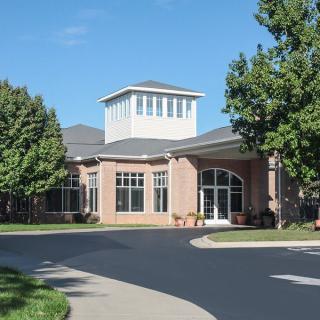
477 Coy Boulevard, Po Box 640, Forsyth, MO 65653
For more information about senior living options: (866) 208-4318
Overall Review of Forsyth Care Center
Pros
 The staff are great and genuinely care for residents.
- Forsyth has very caring staff and a consistently strong team.
- Kara Brown, April, and Ryan were absolutely wonderful with him.
- It was the best place for Grandpa Glen Brown; he loved everyone.
- The staff are caring and work with families to create a positive, comfortable atmosphere.
- Their personalities and knowledge make this facility a great support for families.
- The staff were very friendly, with great senses of humor and care; the facility was notably clean.
- Most of the aides are awesome.
Cons
 The reviewer would give zero stars due to alleged abuse and neglect at the facility.
- They reported their relative waited 4–5 hours to be changed after soiling herself, with call buttons ignored.
- They stated a patient was left in their waste for up to an hour before assistance arrived.
- They claimed they were not informed about a loved one's passing and called the lack of communication pathetic.
- They described the food as terrible and cited staffing shortages as contributing to poor care.
- They stated staff do not like being questioned about medications and expect residents to "shut up and take it."
- They would not recommend the facility to anyone.
Review
Forsyth Care Center in Forsyth, MO is best suited for families that prize a warm, relationship-centered environment where caregivers genuinely know residents and rehab services are a core feature. The community appears to succeed when staff engage residents personally, build trust with families, and coordinate around rehab progress and care plans. The rehab wing is a particular draw for families seeking structured therapy as part of recovery. However, caution is warranted for those demanding near-perfect staffing consistency and uncompromising safety oversight. Some reviews raise serious concerns about neglect or abuse and about communication gaps at critical moments, signaling that alternatives may be wiser for families with very high safety expectations.
The strongest asset is the caregiving culture. Reviewers repeatedly describe staff as caring, approachable, and capable of forming meaningful connections with residents and families. The same teams that celebrate patient progress also coordinate with external providers to align therapy, medications, and visits with individual needs. Instances where staff display warmth, humor, and a positive atmosphere recur across accounts. Families report that rehab patients often show real gains and that staff work to keep loved ones comfortable and engaged. Cleanliness and a calm, inviting environment further reinforce the sense that Forsyth Care Center can be a supportive home base during recovery and aging in place.
At the same time, the downside cannot be ignored. Reports of thin staffing translate into slow call-light responses and intermittent attention to essential needs. One patient reportedly waited hours for changing after incontinence and ended up requiring ambulance transport for acute concerns, a testimony to potential gaps in safety and timely intervention. Communications around serious events, such as a loved one’s final illness and death, have also been called into question, eroding trust for families facing difficult moments. Food quality is another bone of contention, and operational hiccups like laundry errors contribute to a sense that daily life can be uneven. Taken together, these issues suggest that day-to-day reliability and safety hinge on staffing levels and disciplined, consistent processes.
Despite these concerns, the positive elements matter and can outweigh the negatives when the environment and culture are leveraged effectively. The same staff praised for genuine care can mitigate gaps if families stay actively involved in care planning and daily routines. The rehab team’s ability to drive meaningful progress can be decisive when adequate staffing is in place and when therapies are coordinated with medical oversight. A clean, well-kept setting supports residents’ mood and safety, reinforcing dignity and comfort. When communication with families remains open and front-line staff receive ongoing support, Forsyth Care Center can deliver a solid experience that blends compassionate care with rehabilitative progress, even amid staffing challenges.
This analysis points to who should seriously weigh alternatives. Those who require highly reliable clinical management on every shift, or who cannot tolerate long delays for assistance, may find other facilities more aligned with expectations. Prospective residents who are particularly sensitive to dietary quality, consistent medication management, or transparent handling of health changes may also prefer a setting with steadier staffing and more predictable operations. For families who have heard persistent concerns about neglect or safety or who anticipate complex medical needs, exploring other options before committing is prudent. A clear picture of recent quality metrics and firsthand conversations with current residents can provide the clarity needed to decide.
Practical next steps center on targeted due diligence. Seek current staffing ratios by shift, ask how call lights are prioritized, and request data on response times. Insist on a tour of the rehab wing to observe therapy routines and staffing in action, and speak candidly with administration about any past investigations or safety findings. Verify the cadence and quality of family communication, the process for medication changes, and how grievances are addressed. If the firm, authentic warmth of the caregiving staff is paired with credible rehab progress and a concrete plan to improve response times, Forsyth Care Center offers a credible option for families seeking a compassionate culture that can support recovery and daily living, provided the safety and reliability expectations are met consistently.
 120 resident community capacity
 Skilled Nursing Facility
 Air-conditioning
 Beauty salon
 Cable or satellite TV
 Computer center
 Dining room
 Fitness room
 Fully furnished
 Gaming room
 Garden
 Housekeeping services
 Kitchenette
 Move-in coordination
 Outdoor space
 Private bathrooms
 Restaurant-style dining
 Small library
 Telephone
 Wellness center
 Wi-Fi/high-speed internet available
 Community operated transportation
 24-hour call system
 Activities of daily living assistance
 Assistance with bathing
 Assistance with dressing
 Assistance with transfers
 Diabetes diet
 Medication management
 Special dietary restrictions
 Concierge services
 Planned day trips


 Exploring Palliative Care in the Home: A Comprehensive Overview
 Comprehensive Insights into Palliative Home Care: What It Is and What to Expect
 Skilled Nursing Facilities vs. Nursing Homes: Making Sense of the Differences