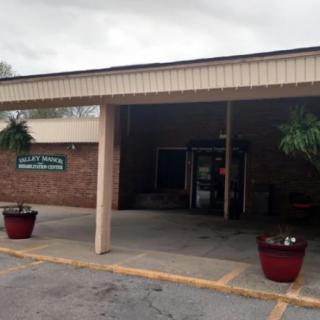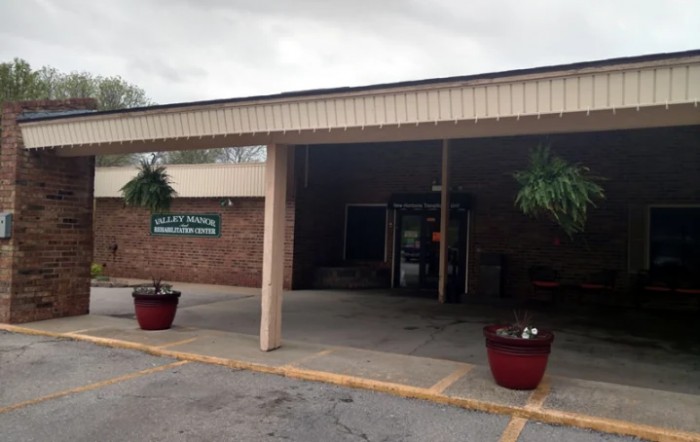
1410 Hospital Drive, Excelsior Springs, MO 64024
For more information about senior living options: (866) 208-4318
Overall Review of Valley Manor And Rehabilitation Center
Pros
 The staff were very helpful.
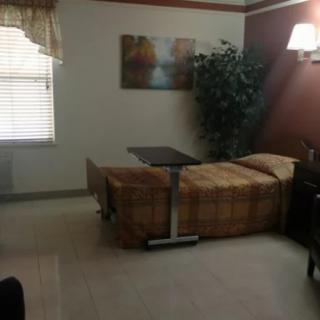
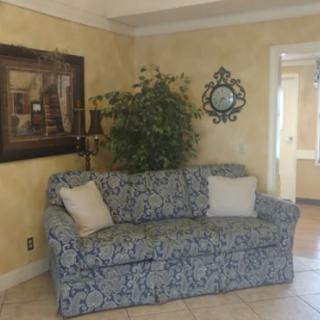
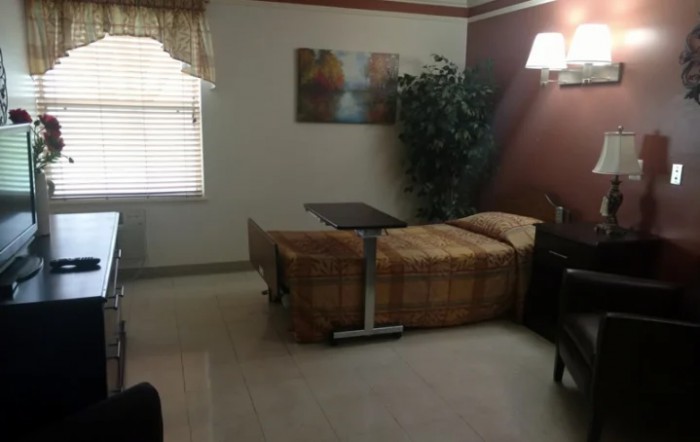
- The rooms were clean and had a lot of recent updates.
- The physical therapy and home occupational therapy staff were great.
- The caregivers were wonderful and truly cared about the residents.
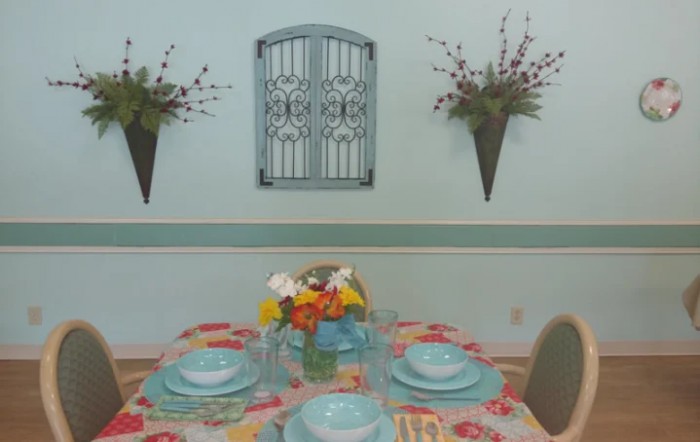
- The food was good.
- The room was comfortable and very spacious.
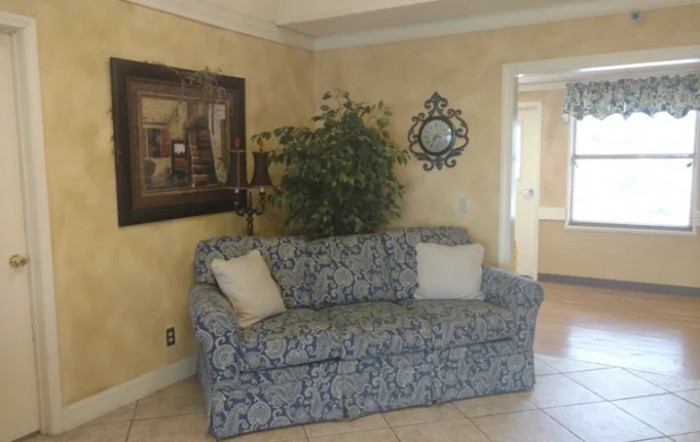
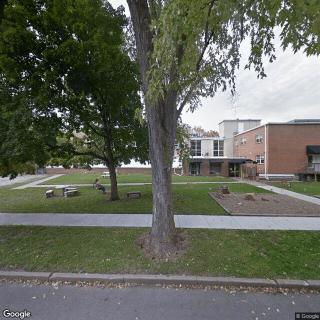
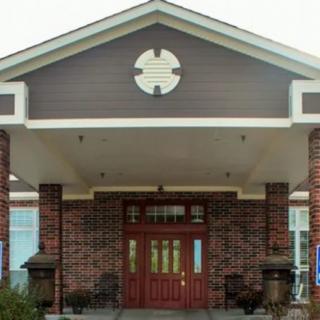
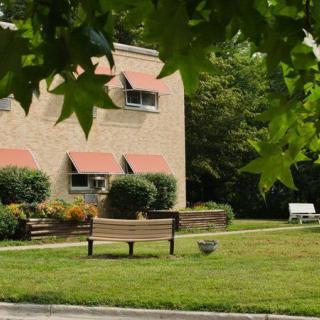
- The facility was nice.
Cons
 They had problems with the dietitians.
- They were really bad about following the diet their father was supposed to be on.
- They would bring tomato soup and grilled cheese, which is very high in sodium, when a low-sodium diet was prescribed.
- They had a hard time working with them on the low-sodium diet.
- The rooms were clean but sparsely furnished, with only a bed, a recliner, and a TV.
- The presence of positive cases in the building led to lockdowns that limited residents’ activities.
Review
Valley Manor and Rehabilitation Center in Excelsior Springs is best suited for seniors who are focused on rehabilitation and steady daily care, valuing dependable staff and practical support over resort-like amenities. The facility emphasizes real-world, functional care: clean, comfortable rooms, accessible physical therapy, and a team that consistently meets residents’ needs. For families seeking a straightforward, no-frills environment where rehabilitation progress and daily assistance take priority, Valley Manor offers a credible, steady path. It serves residents who want a grounded, age-appropriate culture where routines, safety, and consistent caregiving matter more than upscale touches.
Those weighing alternatives should consider whether a more modern, ornamented setting with abundant furnishings and contemporary design is essential. One review highlights a mismatch between prescribed diets and what is actually served, with low-sodium plans sometimes overridden by more sodium-rich options, signaling a potential risk for residents with cardiac or hypertensive concerns. Additionally, the scope of social programming can be more limited during periods when gatherings and activities are curtailed. For families that prize a wide array of dining choices, newer decor, or uncompromising dietary oversight, exploring other communities with more robust operations in those areas is prudent.
On the upside, the rehab program stands out as a clear strength. Therapists are described as capable and supportive, and the staff consistently demonstrates care and attentiveness. The combination of physical therapy and home-style occupational therapy aligns well with recovery goals, and the care team’s proactive approach helps residents overcome reluctance to participate. Rooms remain clean and updated, even if they are sparsely furnished, and residents often find the spaces comfortable for daily living and rehabilitation tasks. Food quality receives mixed feedback, but when the menu aligns with medical needs, meals can meet expectations. Taken together, these professional strengths create a reliable platform for recovery that can offset environmental drawbacks.
Environmental drawbacks temper the overall impression. Rooms tend to be minimally furnished, and the building’s age shows in some areas, producing a sense of practicality over polish. The facility isn’t designed as a showroom, offering fewer bells and whistles than newer properties. Diet management remains a real challenge, with occasional deviations from low-sodium plans that can undermine medical goals. Activity variety can wane when group events are limited, reducing opportunities for social interaction and informal exercise. For families prioritizing a lively, richly appointed environment or relentless dietary rigor, these gaps are meaningful considerations and may tilt the decision toward alternatives.
Yet the core caregiver ethos remains a defining strength. Reported kindness and genuine concern from the caregiving and nursing staff translate into meaningful, everyday support that extends beyond routine tasks. Residents benefit from a steady rehab team and a culture of trying to keep people engaged within safe boundaries. The rooms and overall cleanliness provide a stable, comfortable base for rehabilitation, even if the surroundings aren’t dazzling. For families balancing medical needs with warmth and reliability, Valley Manor delivers a trustworthy, steady hand that can bridge hospital rehab and home without forcing a mismatch between care and comfort.
In practical terms, Valley Manor is a solid option for those prioritizing rehabilitation outcomes, staff reliability, and a compassionate care environment. It works best for residents who can tolerate a modest, older-leaning facility and who do not demand top-tier aesthetics or an uninterrupted, all-day activity calendar. If the top criteria include a modern look, abundant on-site activities, or strict, rigorously enforced dietary plans, exploring alternatives with more resources or contemporary design is prudent. For medically oriented recovery with steady caregiving and a sense of community, Valley Manor stands as a credible, value-focused choice in Excelsior Springs, delivering practical results without distraction from the fundamentals that drive rehabilitation forward.
 120 resident community capacity
 Skilled Nursing Facility
 Air-conditioning
 Beauty salon
 Cable or satellite TV
 Computer center
 Dining room
 Fitness room
 Fully furnished
 Gaming room
 Garden
 Housekeeping services
 Kitchenette
 Move-in coordination
 Outdoor space
 Private bathrooms
 Restaurant-style dining
 Small library
 Telephone
 Wellness center
 Wi-Fi/high-speed internet available
 Community operated transportation
 24-hour call system
 Activities of daily living assistance
 Assistance with bathing
 Assistance with dressing
 Assistance with transfers
 Diabetes diet
 Medication management
 Special dietary restrictions
 Concierge services
 Planned day trips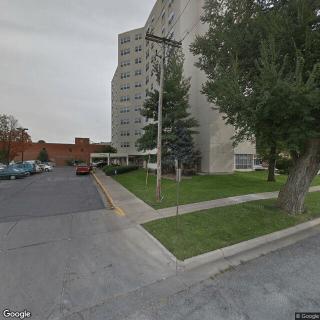




 Home Health Care Aides: Understanding Their Role and Supporting Your Family
 Urinary Tract Infections in Older Adults: Comprehensive Insights on Symptoms, Treatment, and Prevention
 California's Form 602A: An In-Depth Examination of Senior Care Assessment