

Senatobia Healthcare & Rehab

Save

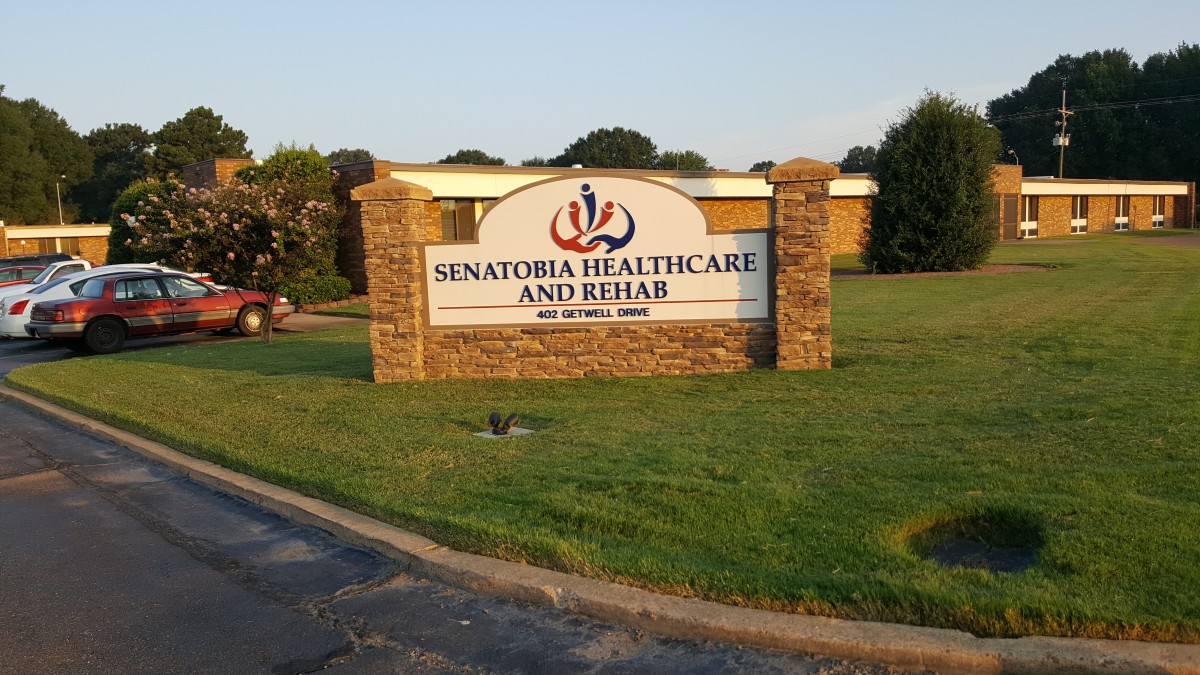
Senatobia Healthcare & Rehab

402 Getwell Drive, Senatobia, MS 38668

For more information about senior living options: (844) 490-3973

3.3 from 11 reviews
5 stars
4
4 stars
3
3 stars
0
2 stars
0
1 stars
4

Skilled Nursing Facility

What level of care are you interested in?

Assisted Living

Memory Care

Independent Living

Skilled Nursing Facility

Continuing Care Retirement Community (CCRC)CCRC

Other


Request a tour at Senatobia Healthcare & Rehab

    Overall Review of Senatobia Healthcare & Rehab

    Pros

    • pro My grandma is down there and she said they are good to her.
    • pro Wonderful team to work with.
    • pro This place was highly recommended.

    Cons

    • pro They couldn't find any nearby facility that gave them the "she's good here" feeling.
    • pro The NP refused to hospitalize them for a lung infection, saying the X-ray didn't show anything, even though they hadn't had an X-ray.
    • pro Their appointment was canceled due to a medication entry issue, and they stated that staff don't do their jobs and that people keep quitting.
    • pro The husband came home drenched, very thirsty and hungry, with feces on his leg, no bath, a wet bleeding bandage, and a terrible odor.
    • pro They placed their mother there to recover from a stroke, were told there were no COVID issues, but she died after contracting COVID and pneumonia; no one from the facility contacted the family after hospitalization and staff lied about the COVID status.
    • pro They experienced daily problems with staff and felt they were lied to about the outbreak.
    • pro They blamed the facility as solely responsible for their mother's death and gave it zero stars.
    • pro They described the staff as degenerates.

    Review

    Families described a troubling mosaic of experiences at the facility, with early hopes often giving way to profound concern and outright alarm. Several reviewers spoke of moving a loved one there with the belief that rehabilitation and steady care would help them regain independence, and perhaps even offered their own homes as the benchmark for quality. One member recalled initially placing a parent for rehab with the intention of a short, two- to three-week stay and a promising path to walking again, and they had been told the place was highly recommended. For others, the impression was more mixed: a grandmother reported being treated well, a few individuals complimented a "wonderful team," and a family member who had their mother settled there for rehabilitation noted an overall sense that the facility could be capable and well-meaning. Yet those warmer notes sit beside a chorus of increasingly alarming accounts that paint a very different picture.

    A significant portion of the reviews focus on medical and clinical lapses that families say put patients at risk. One reviewer recounted an attempt to obtain hospital care for a lung infection: despite coughing up green mucus, which they interpreted as clear evidence of infection, the nurse practitioner would not authorize a hospital transfer because no X-ray was on file. The patient asserts that they did not even have an X-ray at the facility, yet the NP claimed an order had been placed. This tension between patient needs and seemingly rigid administrative or diagnostic protocols left the reviewer feeling that they should have been hospitalized but were not. In another case, a patient who had a procedure at a different clinic faced scheduling chaos at the facility: a stop to Eliquis appeared to stem from a mix-up in the computer system, leading to a canceled appointment and a sense that "they don't do their jobs." The recurring theme is not simply bad luck but a perception that essential medical oversight and timely interventions were missing when they mattered most.

    Concerns about neglect and hygiene surfaced in some of the most distressing anecdotes. One husband described being "very wet," extremely thirsty and hungry, and then falling with no one calling for help. The account goes further to describe feces on his leg, no bath offered, and a bandage soaked with blood, all accompanied by a strong odor. The impression left is of a facility failing to meet basic standards of care, comfort, and dignity in a moment of vulnerability. These episodes are paired with broader grievances about inconsistent staffing and frequent turnover, which reviewers connected to lapses in attention, responsiveness, and accountability.

    The most devastating portions of these narratives center on the COVID-19 era, with many reviewers alleging deception, mismanagement, and deadly consequences. A mother's transfer to an outside hospital revealed a concerning sequence: the administration had assured there were no COVID cases and that any positive patients would be quarantined, yet the patient was later said to be COVID-positive with double pneumonia. The hospital stay culminated in the mother's death on November 19, 2020, and reviewers report that no staff or administration member reached out after the hospital admission. The accusation extended beyond isolated miscommunications to a broader claim that the facility concealed an outbreak and continued operations with a high rate of infection among residents. The reviewer stated plainly that the facility was responsible for the mother's death and urged others not to place loved ones there, recounting a long history of daily, unresolved problems and outright lies from leadership.

    Another family member recounted a similar lament after their loved one developed COVID-19 pneumonia shortly after being placed for rehabilitation. They reported that no one followed up despite repeated promises of a call back, and they urged others to think twice before entrusting someone they love to the facility. The repetition of "no call backs," delays in communication, and perceived inadequacies in infection control and patient care painted a picture of ongoing risk and systemic failure in the eyes of these families.

    Amid these overwhelmingly negative accounts, a few lines offered a counterpoint, hinting at more positive experiences for some individuals. One reviewer mentioned that their grandmother was "good to her" while staying there, and another simply stated that the staff was a "wonderful team to work with." These sentiments suggest that experiences may have been uneven, with some residents feeling respected and well-treated, but others encountering serious safety and quality-of-care concerns that overshadow any moments of satisfaction.

    Taken together, the narratives form a complex, often troubling portrait of care. The most consistent threads center on concerns about safety, medical responsiveness, honest and transparent communication, and the management of critical health events. The stories describe a landscape where vulnerable loved ones may be exposed to delays in necessary treatment, questionable decisions about hospital transfers, inconsistent medication management, and a sense that staff fatigue or turnover is undermining the quality of daily care. The COVID-19 episodes amplify these fears, with accusations of misinformation, unaddressed outbreaks, and insufficient outreach after serious events.

    For families, the experience seems to have been a roller coaster: initial hope and recommendations giving way to anxiety, anger, and grief when outcomes did not meet expectations or when safety and communication appeared to break down. The contrast between the handful of positive notes - about individuals feeling cared for by some staff or having good moments with the team - and the broader pattern of neglect and alarm underscores the highly mixed reality some families faced. The result is a cautionary picture that prompts readers to weigh not only the physical surroundings and medical capabilities of a facility but also the reliability of its staff, the transparency of its communications, and the diligence of its leadership during crises.

    Features

    Housing

    • 106 resident community capacity 106 resident community capacity

    Types of Care

    • Skilled Nursing Facility Skilled Nursing FacilitySkilled Nursing Facilities are crucial for seniors as they provide round-the-clock medical care, rehabilitation services, and assistance with daily activities. These facilities ensure that seniors receive the specialized care they need to maintain their health and well-being as they age.

    Amenities

    • Air-conditioning Air-conditioningAir conditioning is important for seniors as they are more vulnerable to heat-related illnesses and may have underlying health conditions that make it difficult for them to regulate their body temperature. It helps to keep them comfortable, safe, and healthy in hot weather.
    • Beauty salon Beauty salonBeauty salons are important for seniors because they provide a space for them to feel pampered, socialize, and maintain their personal grooming and hygiene. Regular visits to a beauty salon can help boost seniors' self-esteem and overall well-being.
    • Cable or satellite TV Cable or satellite TVCable or satellite TV is important for seniors because it provides entertainment, news, and companionship, helping to combat loneliness and boredom. It also offers a wide range of programming options tailored to different interests and preferences.
    • Computer center Computer centerA computer center is essential for seniors as it provides access to technology, communication tools, and resources that can enhance their daily lives. It allows them to stay connected with loved ones, engage in online activities, and learn new skills, ultimately promoting socialization and mental stimulation.
    • Dining room Dining roomDining rooms are important for seniors as they provide a space for socialization, connection, and nutritious meals. They offer opportunities for residents to bond over shared meals, foster a sense of community, and promote healthy eating habits. Dining rooms also ensure that seniors have access to well-balanced meals tailored to their dietary needs and preferences.
    • Fitness room Fitness roomHaving a fitness room in a senior living community is essential for seniors to stay active, maintain their physical health, and improve their overall well-being. Regular exercise can help prevent falls, reduce the risk of chronic diseases, and promote mental sharpness. It also provides social opportunities for residents to connect with others and enjoy a sense of community.
    • Fully furnished Fully furnishedFully furnished senior living communities are important for seniors because they provide convenience, comfort, and a hassle-free moving experience. Seniors can easily settle into their new living space without the stress of having to buy and move furniture. This allows them to focus on enjoying their new home and community.
    • Gaming room Gaming roomGaming rooms are important for seniors as they provide a fun and engaging environment for socializing, cognitive stimulation, and physical activity. Games can improve memory, problem-solving skills, and overall mental well-being while fostering friendships and reducing feelings of isolation.
    • Garden GardenGardens are important for seniors as they provide a peaceful and therapeutic environment for relaxation, physical activity, and socialization. Being in nature has been shown to reduce stress, improve mood, and promote overall well-being. Gardens also offer opportunities for seniors to engage in gardening activities, which can improve mobility, flexibility, and cognitive function. Additionally, gardens create a sense of community and connection with others who share a passion for plants and outdoor spaces.
    • Housekeeping services Housekeeping servicesHousekeeping services are important for seniors because they help maintain a clean and safe living environment, promote independence, and reduce the risk of accidents or illnesses. Additionally, having assistance with household chores can alleviate physical strain and allow seniors to focus on other aspects of their well-being.
    • Kitchenette KitchenetteKitchenettes are important for seniors living in senior living communities because they provide the convenience and independence of being able to prepare simple meals and snacks in the comfort of their own living space. This can help promote a sense of autonomy and well-being for seniors, allowing them to maintain some level of control over their dietary choices and daily routines.
    • Move-in coordination Move-in coordinationMove-in coordination is important for seniors because it helps ease the transition into their new living environment. It ensures that all logistics, such as packing, organizing movers, and setting up utilities are taken care of, allowing seniors to focus on settling in and adjusting to their new home. Having a smooth move-in process can alleviate stress and anxiety, making the transition smoother and more enjoyable for seniors.
    • Outdoor space Outdoor spaceOutdoor spaces are important for seniors as they provide opportunities for physical activity, social interaction, exposure to natural light and fresh air, and a sense of connection to nature. Having access to outdoor spaces can improve overall well-being and quality of life for older adults living in senior communities.
    • Private bathrooms Private bathroomsPrivate bathrooms are important for seniors in senior living communities because they provide independence, dignity, and comfort. Having a private bathroom allows seniors to maintain their personal hygiene routines without the need for assistance, promoting a sense of autonomy and privacy. Additionally, private bathrooms help prevent the spread of infections and provide a safe and clean environment for seniors to navigate safely.
    • Restaurant-style dining Restaurant-style diningRestaurant-style dining is important for seniors because it allows them to enjoy delicious, nutritious meals in a social and upscale setting. This enhances their dining experience, promotes healthy eating habits, and fosters socialization with fellow residents, ultimately contributing to their overall well-being and quality of life.
    • Small library Small librarySmall libraries are important for seniors as they provide access to a variety of reading materials, including books, newspapers, and magazines. This can help stimulate their minds, keep them engaged, and provide a sense of community through book clubs and other social activities. Additionally, reading has been shown to improve cognitive function and overall mental well-being in older adults.
    • Telephone TelephoneTelephones are important for seniors as they provide a lifeline for communication with loved ones, emergency services, and healthcare providers. They offer a sense of security and independence, enabling seniors to stay connected and access assistance when needed.
    • Wellness center Wellness centerWellness centers are important for seniors because they offer a variety of programs and services that promote physical, mental, and emotional well-being. These centers provide opportunities for exercise, socialization, education, and relaxation, helping seniors maintain their overall health and quality of life.
    • Wi-Fi/high-speed internet available Wi-Fi/high-speed internet availableWi-Fi/high-speed internet is important for seniors to stay connected with loved ones, access online resources, and participate in virtual activities to combat feelings of loneliness and isolation. It also allows them to easily manage healthcare needs, access entertainment, and engage in lifelong learning opportunities.

    Transportation

    • Community operated transportation Community operated transportationCommunity operated transportation is crucial for seniors as it provides them with the means to access essential services, social activities, and medical appointments. It allows seniors to maintain their independence and quality of life by ensuring they can participate in activities outside of their homes. Additionally, community-operated transportation services offer a safe and reliable way for seniors to travel without having to rely on family or friends for assistance.
    • Transportation arrangement Transportation arrangementTransportation arrangements are crucial for seniors as they may face challenges with driving, mobility, or access to public transportation. Having reliable transportation services ensures that seniors can easily attend appointments, social activities, and maintain their independence and quality of life.
    • Transportation arrangement (non-medical) Transportation arrangement (non-medical)Transportation arrangements are essential for seniors as they provide access to essential services, activities, and social interactions outside the home. This service helps maintain independence, mobility, and overall well-being for seniors who may have limited transportation options.
    • Transportation to doctors appointments Transportation to doctors appointmentsTransportation to doctors appointments is crucial for seniors as it ensures they have access to necessary medical care and support, promoting their health and well-being. It allows them to receive timely treatment, monitor existing conditions, and address any new health concerns efficiently. Additionally, transportation services can help seniors maintain their independence and quality of life by enabling them to stay connected with their healthcare providers.

    Care Services

    • 12-16 hour nursing 12-16 hour nursing12-16 hour nursing care is crucial for seniors in order to ensure around-the-clock monitoring, timely medication administration, and prompt response to any health concerns or emergencies. This level of care helps to promote the overall well-being and safety of seniors living in senior living communities.
    • 24-hour call system 24-hour call system24-hour call systems are important for seniors because they provide peace of mind and immediate assistance in case of emergencies. This technology ensures that help is always available, promoting safety and security for elderly individuals living alone or in assisted living facilities.
    • 24-hour supervision 24-hour supervision24-hour supervision is important for seniors to ensure their safety, well-being, and access to immediate assistance in case of emergencies or health issues. This constant support provides peace of mind for both seniors and their loved ones, allowing them to age in place with dignity and security.
    • Activities of daily living assistance Activities of daily living assistanceActivities of daily living assistance are important for seniors because they provide essential support with tasks such as eating, bathing, dressing, and mobility. This assistance helps seniors maintain their independence, dignity, and overall quality of life as they age.
    • Assistance with bathing Assistance with bathingAssistance with bathing is crucial for seniors as it helps maintain personal hygiene, prevents infections, and ensures their overall well-being and comfort. It also provides a sense of dignity and independence for seniors who may struggle with this task on their own.
    • Assistance with dressing Assistance with dressingAssistance with dressing is important for seniors because it helps maintain their independence, promotes personal hygiene, prevents accidents and injuries, and improves overall quality of life. This service ensures that seniors can continue to dress comfortably and confidently, despite any physical limitations they may have.
    • Assistance with transfers Assistance with transfersAssistance with transfers is crucial for seniors as it helps prevent falls and injuries, maintains their independence, and ensures they can safely navigate their living environment. It also provides peace of mind for both seniors and their loved ones.
    • Diabetes diet Diabetes dietA diabetes diet is crucial for seniors as it helps manage blood sugar levels, reduce risks of complications, and improve overall health and well-being. By following a balanced and nutritious diet tailored to their specific needs, seniors can better control their diabetes and enhance their quality of life.
    • Meal preparation and service Meal preparation and serviceMeal preparation and service are crucial for seniors as they may have limited mobility or energy to cook nutritious meals. Having access to healthy and convenient food options can ensure they are getting the proper nutrition needed to maintain their overall health and well-being.
    • Medication management Medication managementMedication management is crucial for seniors to ensure they are taking the right medications at the correct dosages and times. This helps prevent adverse drug interactions, reduces the risk of medication errors, and promotes overall health and well-being. Proactive management also allows for adjustments as needed based on changing health conditions or new prescriptions.
    • Mental wellness program Mental wellness programMental wellness programs are essential for seniors as they promote cognitive stimulation, emotional support, and social engagement. These programs help prevent isolation, depression, and cognitive decline, ultimately enhancing the overall quality of life for older adults.
    • Special dietary restrictions Special dietary restrictionsSpecial dietary restrictions are important for seniors because age-related changes in metabolism and health conditions can make it difficult for their bodies to process certain foods. By following a diet tailored to their specific needs, seniors can maintain their overall health and well-being, manage chronic conditions, and reduce the risk of complications such as malnutrition or food interactions with medications.

    Dining

    • Diabetes diet Diabetes dietA diabetes diet is crucial for seniors as it helps manage blood sugar levels, reduce risks of complications, and improve overall health and well-being. By following a balanced and nutritious diet tailored to their specific needs, seniors can better control their diabetes and enhance their quality of life.
    • Special dietary restrictions Special dietary restrictionsSpecial dietary restrictions are important for seniors because age-related changes in metabolism and health conditions can make it difficult for their bodies to process certain foods. By following a diet tailored to their specific needs, seniors can maintain their overall health and well-being, manage chronic conditions, and reduce the risk of complications such as malnutrition or food interactions with medications.

    Activities

    • Community-sponsored activities Community-sponsored activitiesCommunity-sponsored activities are important for seniors as they provide opportunities for social interaction, mental stimulation, and physical activity. These activities can help improve overall well-being, combat loneliness and isolation, and promote a sense of belonging and purpose among older adults.
    • Concierge services Concierge servicesConcierge services are essential for seniors as they provide assistance with daily tasks and errands, enhance their quality of life by offering convenience and personalized care, and promote a sense of safety and security.
    • Fitness programs Fitness programsFitness programs are crucial for seniors as they help improve strength, flexibility, balance, and overall well-being. Staying active can reduce the risk of chronic diseases, improve mental health, and enhance quality of life in older adults.
    • Planned day trips Planned day tripsPlanned day trips are important for seniors because they offer opportunities for socialization, mental stimulation, and physical activity. They provide a change of scenery and help seniors stay engaged and connected to their community, promoting overall well-being and quality of life.
    • Resident-run activities Resident-run activitiesResident-run activities are important for seniors as they encourage social interaction, creativity, and a sense of autonomy. These activities empower seniors to stay engaged and active in their community while fostering meaningful connections with their peers.
    • Scheduled daily activities Scheduled daily activitiesScheduled daily activities are important for seniors because they provide structure, socialization, mental stimulation, and physical activity. Engaging in regular activities can improve overall well-being and quality of life for seniors living in a community setting.

    Description

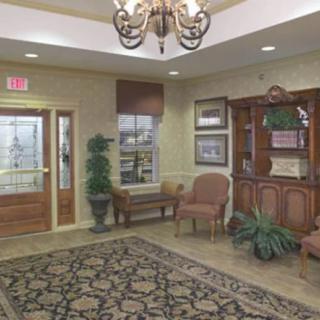
    Senatobia Healthcare & Rehab in Senatobia, MS is a premier assisted living community offering a wide range of amenities and care services to enhance the lives of its residents. The community features a beauty salon where residents can pamper themselves, and they can relax and enjoy their favorite shows with cable or satellite TV in their fully furnished private rooms.

    Transportation is conveniently provided by the community, both for non-medical needs such as shopping trips or social outings and for medical appointments. In addition, there is a computer center and Wi-Fi/high-speed internet available for residents to stay connected with their loved ones or explore the digital world.

    The dining experience at Senatobia Healthcare & Rehab is exceptional, with restaurant-style dining serving nutritious meals prepared by professional chefs. Special dietary restrictions are accommodated to ensure that each resident's specific needs are met.

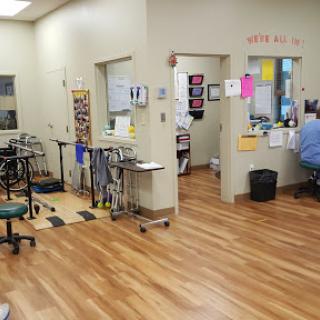
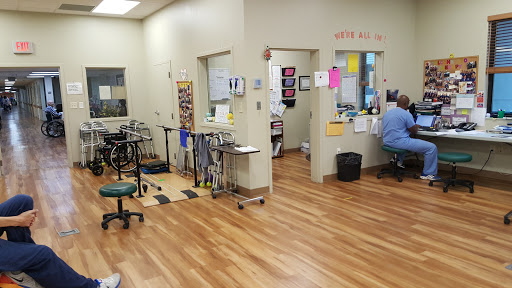
    The community also offers various recreational activities to keep residents engaged and entertained. From a fully equipped fitness room to promote wellness and physical activity, to planned day trips and resident-run activities, there is something for everyone. There is also a gaming room, small library, and wellness center for additional leisure options.

    Residents' safety is paramount at Senatobia Healthcare & Rehab with 24-hour call systems, supervision, assistance with daily tasks such as bathing and dressing, as well as medication management. A mental wellness program is also in place to support residents' emotional wellbeing.

    Conveniently located nearby are several pharmacies, physicians' offices, restaurants, places of worship, and hospitals to provide easy access to essential services.

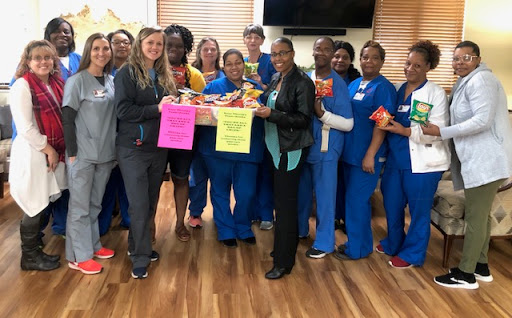
    At Senatobia Healthcare & Rehab in Senatobia, MS, seniors can enjoy a vibrant lifestyle surrounded by a caring staff dedicated to meeting their individual needs while promoting independence and overall wellbeing.

    Nearby Places of Interest

    Hospitals

    • North Oak Regional Medical Center (0.1 miles)
    • Sardis Dialysis (13.4 miles)
    • Renal Care Group (13.4 miles)
    • Millcreek Of Batesville (19.3 miles)
    • Tri Lakes Behavioral Health (21.8 miles)

    Restaurants

    • Taco Bell (0.2 miles)
    • McDonald's (0.3 miles)
    • Huddle House (0.5 miles)
    • Sonic Drive-In (0.5 miles)
    • Little Caesars Pizza (0.7 miles)
    • Yamato Sushi & Steakhouse (0.8 miles)
    • Oisha Japanese Express (1 miles)

    Physicians

    • Cockrell Family Medical Center (0.3 miles)
    • Parekh Medical Clinic (0.4 miles)
    • Senatobia Family Practice (0.6 miles)
    • Senatobia Childrens Clinic (0.9 miles)
    • Bagwell Medical Clinic (2.5 miles)
    • Sardis Family Medical Clinic (13.3 miles)
    • Mettetal Family Medici (13.5 miles)

    Pharmacies

    • Walgreens (0.7 miles)
    • Community Discount Pharmacy (0.7 miles)
    • Walmart Pharmacy (0.9 miles)
    • May's Pharmacy (1 miles)
    • Mettesave Discount Drugs (13.4 miles)
    • Fred's Pharmacy (13.5 miles)
    • CVS Pharmacy (21.2 miles)

    Places of Worship

    • Gospel Temple Church of God in Christ (0.7 miles)
    • Promise Land Ministries (0.9 miles)
    • Senatobia Presbyterian Church (0.9 miles)
    • First United Methodist Church (0.9 miles)
    • New Pleasant Hill Missionary Baptist Church (1 miles)
    • St Peters Missionary Baptist Church (1 miles)
    • St Gregory's Catholic Church (1.2 miles)

    Parks

    • Como Community Park (7.8 miles)

    Transportation

    • Hogan Motor Leasing (20.3 miles)

    Frequently Asked Questions

    Where is Senatobia Healthcare & Rehab?
    What photos are available for Senatobia Healthcare & Rehab in Senatobia, Mississippi?

    Nearby Communities

    Related Resources

    • best dog for seniorsTop Canine Companions for Older Adults

      Dogs can greatly improve the lives of older adults by offering emotional support and encouraging physical activity, with factors such as size, temperament, and grooming needs being crucial in selecting a suitable breed. Senior dogs often make ideal companions for this demographic, promoting social connections and requiring care routines that align with seniors' capabilities.

    • elderly blood pressure chartComprehensive Guide to Blood Pressure Charts for Older Adults: Understanding Normal and High Readings by Age

      The guide on blood pressure charts for older adults stresses the importance of understanding normal and high blood pressure readings influenced by age, genetics, and lifestyle, while emphasizing regular monitoring and lifestyle modifications to prevent serious health issues. It provides insights into blood pressure categories, dietary recommendations, medication considerations, and the role of caregivers in supporting healthy habits.

    • how to pay for nursing home care with social securityFinancing Long-Term Nursing Home Care Through Social Security: A Thorough Exploration


      The article explores the complexities of using Social Security to finance long-term nursing home care in the U.S., detailing eligibility requirements and misconceptions, while emphasizing that these benefits often do not cover full costs and highlighting the need for strategic financial planning and professional guidance.


    Get Pricing Ask A Question Schedule A Tour Contact Senior Advisor