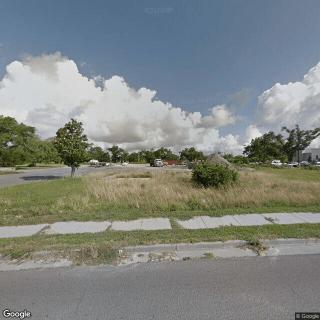
1500 Broad Avenue, Gulfport, MS 39501
For more information about senior living options: (866) 208-4318
Overall Review of Driftwood Nursing Center
Pros
 The nurses are fabulous and do try to help and accommodate the patients.
- They will try to accommodate dietary needs and preferences to the best of their ability.
- The facility is very nice and clean, with the staff being nice and respectful.
- The staff is always nice and cooperative, making the stay more pleasant.
- Aides are described as the heartbeat of Driftwood, underscoring their essential role.
- Driftwood is described as a very caring facility, with staff attentive to residents' medications and needs.
- Families would recommend this facility highly and feel safe entrusting their elders there.
Cons
 The meals are unacceptable: portions are a joke, not all four food groups are offered, some meals have no protein, and there are reports of expired milk and daily canned fruit.
- The facility is old, run-down, underfunded, and insufficiently staffed.
- Residents' dignity and rights are reportedly violated, with caregivers allegedly refusing bathroom assistance or instructing them to use diapers.
- The night shift is particularly problematic, with residents denied help getting up or eating.
- There are accusations of record-keeping issues and possible cover-ups by management regarding injuries.
- Families feel unsafe entrusting their loved ones there due to widespread negative experiences and perceived lack of care.
Review
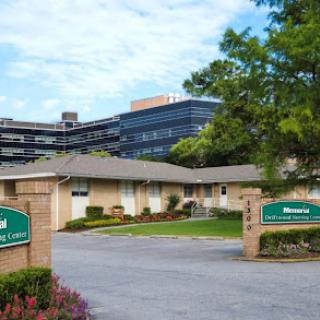
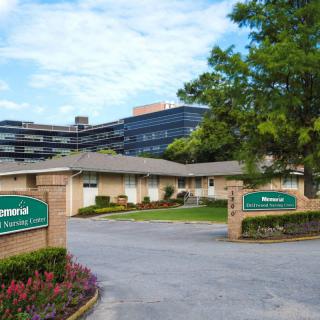
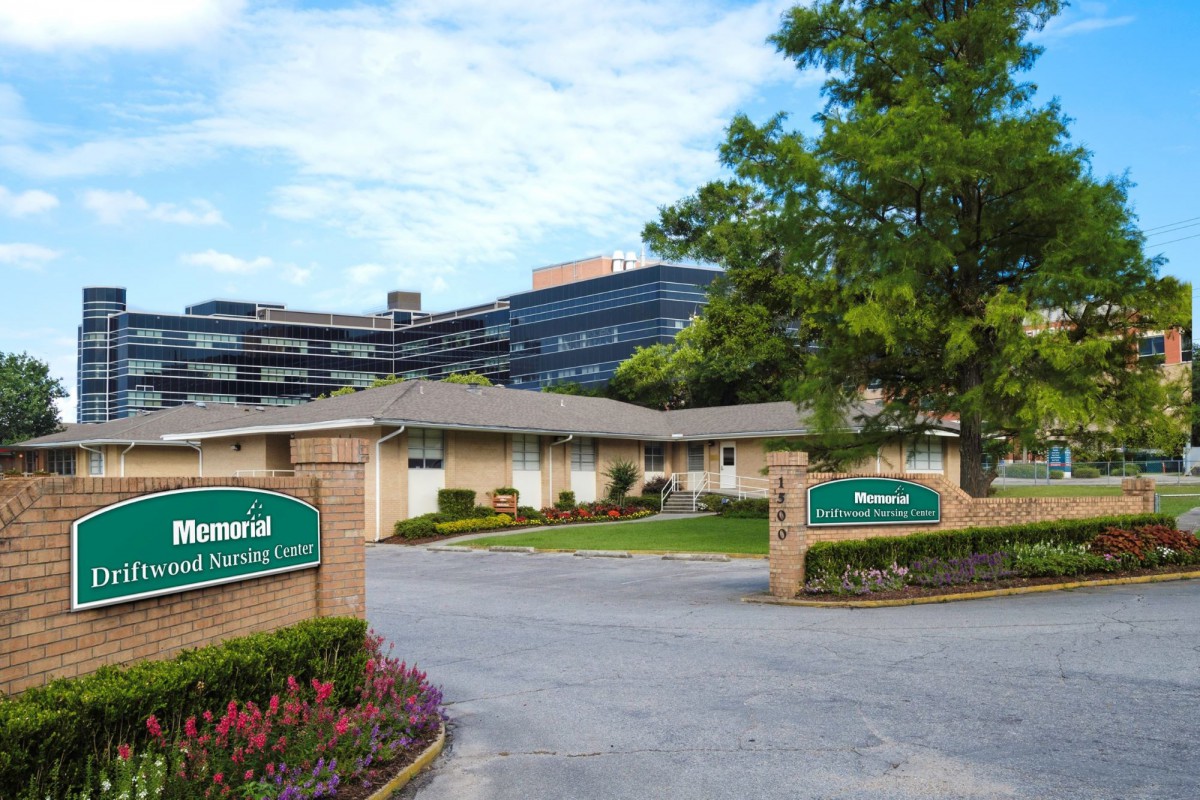
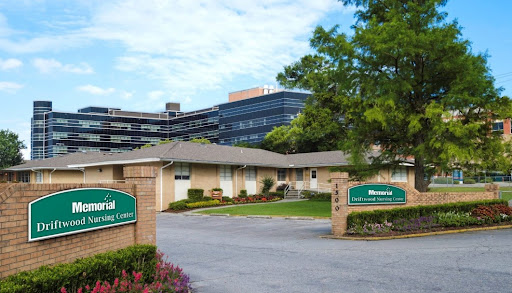
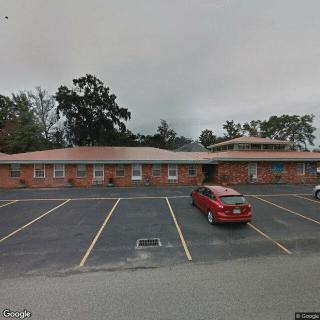
Driftwood Nursing Center in Gulfport is best suited for residents who need rehabilitation support and value hands-on, compassionate care over resort-style amenities. Families will find it workable when a steady routine, attentive nursing staff, and a rehab-focused team drive progress, and when they are prepared to engage with care planning rather than observe from afar. The building is older and does not aim for luxury, but it is kept clean and functional. Memorial Gulfport owns Driftwood, signaling a pathway for ongoing operation and potential updates, though capital investments appear not guaranteed. For residents who benefit from daily, practical support and a clear rehab orientation, Driftwood offers a viable, if imperfect, option.
Those who may want alternatives include families who demand consistently high-quality meals, reliable weekend accessibility, and firm dignity protections. Reviews reveal a wide spectrum of experience: some staff are described as superb and caring, while others recount humiliating or neglectful episodes and significant communication gaps. Incidents alleging disrespect or delays in basic care raise hard questions about oversight, accountability, and staff stability. The facility’s age and patterns of leadership turnover amplify those concerns, suggesting governance and staffing could vary over time. For a loved one who cannot compromise on steady dining quality, dependable weekend access, and transparent family engagement, other centers with stronger culinary programs and more consistent governance are worth exploring.
On the positive side, the frontline care teams draw the most consistent praise. Nurses and aides are frequently described as kind and responsive, therapists as capable and persistent, and social workers as pivotal in helping families navigate transitions. The rehab program can deliver meaningful progress when engaged, and activity staff often provides essential social and cognitive stimulation. The environment, while not modern, remains clean and orderly, with staff who help residents stay groomed and comfortable. When the care team aligns and takes initiative, Driftwood can feel like a supportive, family-centered place.
The most persistent concerns center on nutrition and dignity. Portions are often reported as small, with meals that sometimes lack protein or balance across the food groups; fresh fruit is scarce and some reports mention expired milk. Several families recount moments where basic dignity was compromised, being left without timely assistance or placed in uncomfortable positions, and weekend communication was described as limited. Leadership and record-keeping inconsistencies emerge in some accounts, including miscommunications about injuries or changes in care. The aging infrastructure further compounds these strains, with rooms that feel dated and occasional lapses in safety and housekeeping that erode trust over time.
These strengths and weaknesses yield a practical calculus: dependable day-to-day care and progress in rehab can offset certain shortcomings, but they do not fully compensate for ongoing issues around meals, dignity, and governance. For residents prioritizing steady rehabilitation and a consistently present care team, Driftwood can deliver workable outcomes, especially when families stay actively involved. For those who cannot tolerate inconsistent dining quality, restricted weekend access, or signs of management instability, the risk of dissatisfaction grows. The decision should hinge on whether the tangible daily care and rapport with staff outweigh the persistent concerns about nourishment, oversight, and aging facilities.
Before committing, families should demand concrete assurances. Seek the current leadership structure, expected response times, and a robust weekend communication plan. Request sample menus, details on dietary accommodations, and a clear plan for addressing past concerns about dignity and basic needs. Tour at different times to observe dining, rehab sessions, and interactions among staff and residents, and speak with current residents or their families. Obtain recent survey results and a transparent capital-improvement plan to gauge how the facility will address aging infrastructure. If these assurances fall short, pursuing alternatives with stronger nourishment programs, more reliable oversight, and a more consistently respectful daily routine is the prudent course.
 151 resident community capacity
 Skilled Nursing Facility
 Air-conditioning
 Beauty salon
 Cable or satellite TV
 Computer center
 Dining room
 Fitness room
 Fully furnished
 Gaming room
 Garden
 Housekeeping services
 Kitchenette
 Move-in coordination
 Outdoor space
 Private bathrooms
 Restaurant-style dining
 Small library
 Telephone
 Wellness center
 Wi-Fi/high-speed internet available
 Gulfport-Biloxi Regional (4 miles away)
 Community operated transportation
 12-16 hour nursing
 24-hour call system
 Activities of daily living assistance
 Assistance with bathing
 Assistance with dressing
 Assistance with transfers
 Diabetes diet
 Medication management
 Mental wellness program
 Special dietary restrictions
 Concierge services
 Planned day trips


 Navigating Medicare Coverage for In-Home Care Services
 In-Home Care Costs in 2025: A Detailed State-by-State Exploration
 Understanding Home Health Care: A Comprehensive Guide