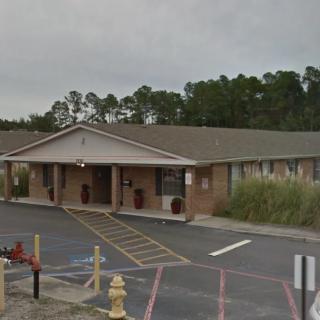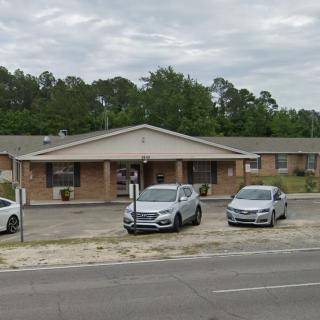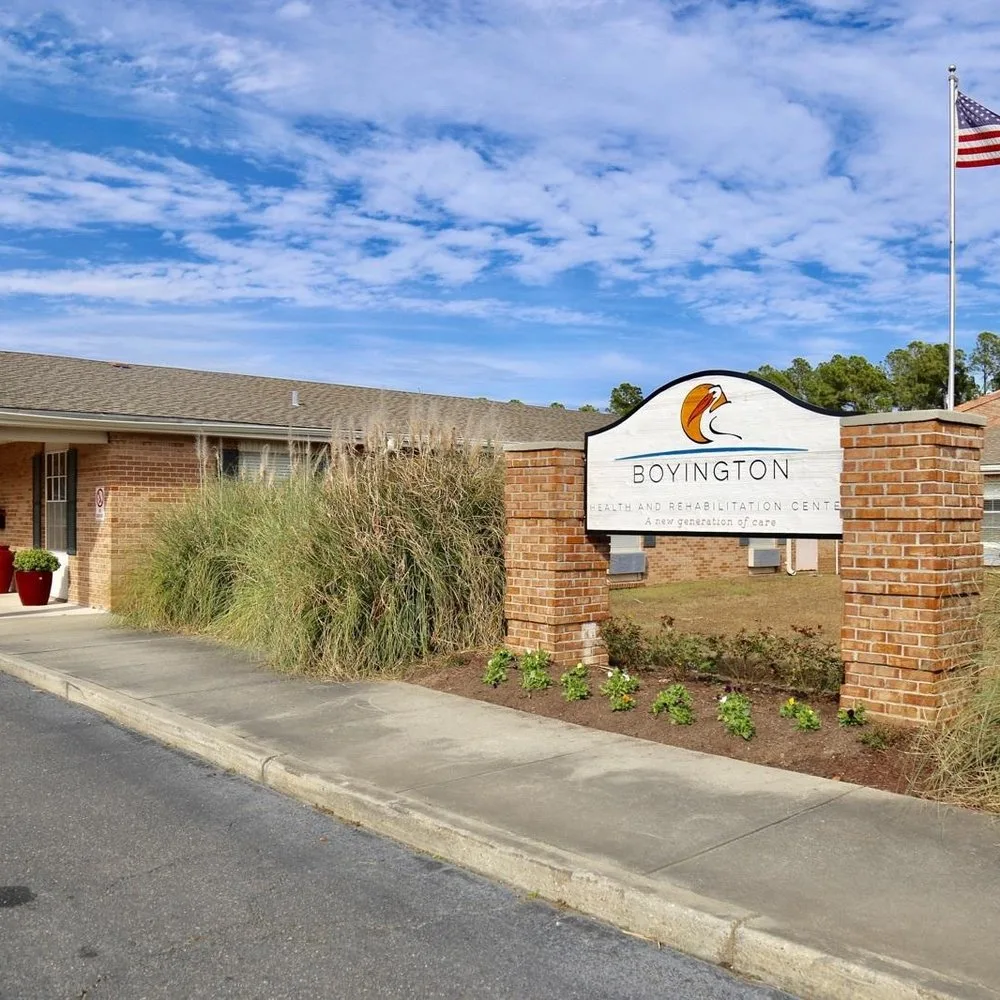
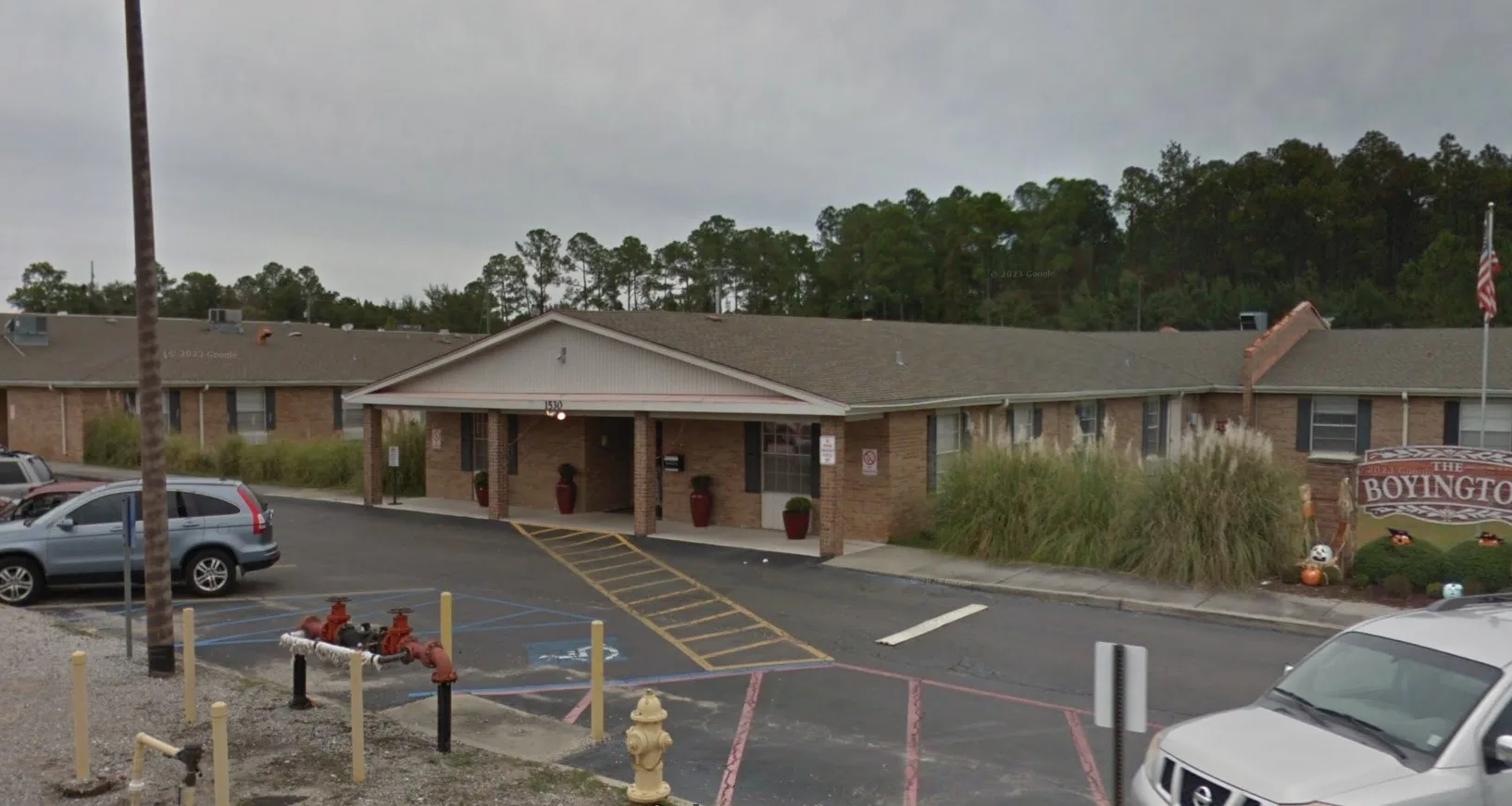
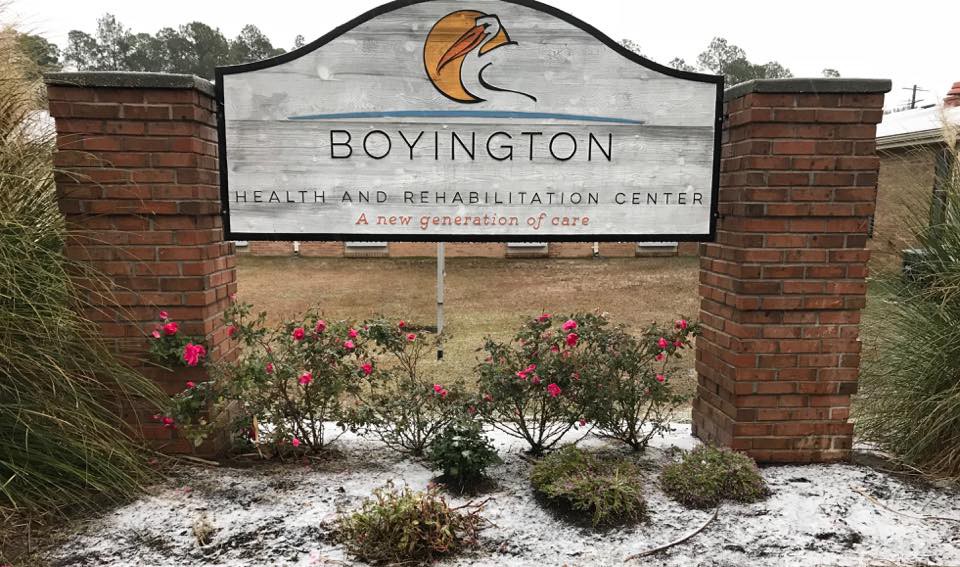
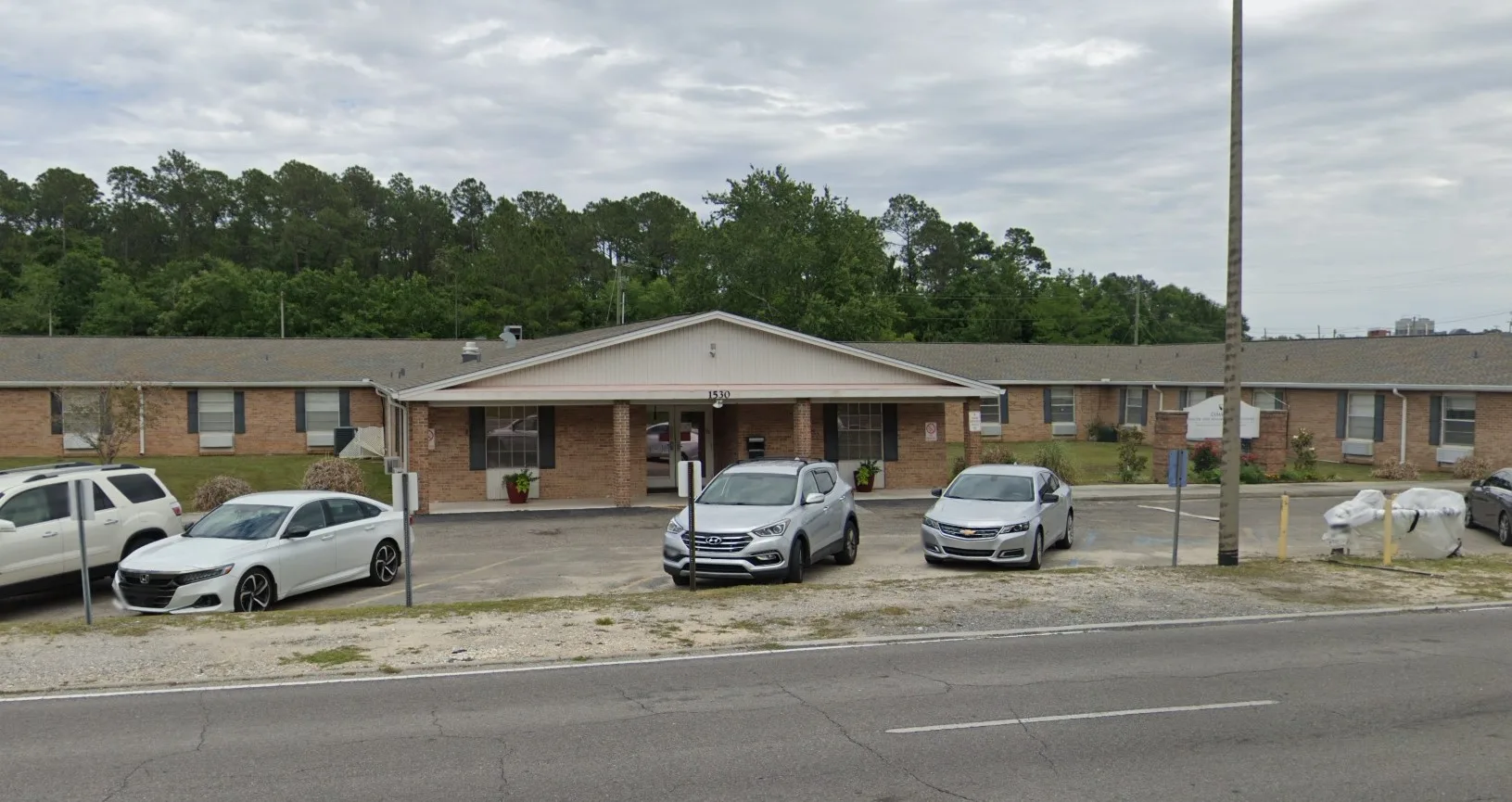
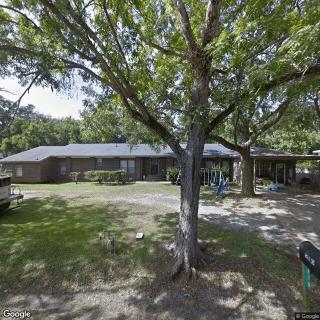
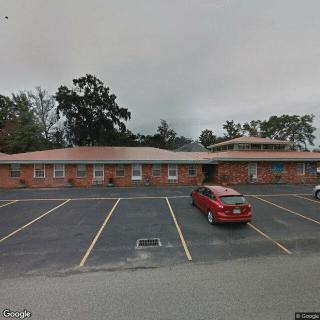
1530 Broad Avenue, Gulfport, MS 39501
For more information about senior living options: (866) 208-4318
Overall Review of Boyington Health And Rehabilitation
Pros
 The staff were very helpful and friendly.
- The staff answered questions, were patient, showed the room, and explained everything.
- The reviewer left feeling confident that her mother would be well cared for there.
- The facility was quiet, clean, and organized.
- The staff were outstanding and very helpful.
- The facility was well staffed and set up for long-term care.
Cons
 The nurses and nurse technician were mean.
- The department only worked with her two hours per day.
- The patient could hardly walk and fell three days later, requiring hospitalization.
- The facility was awful and disgusting, staffed with people who didn’t care.
- People got food poisoning there.
- The nursing and CNA staff rarely visited rooms and did not provide proper health care.
- Patients were lying in feces and their oral care was nonexistent.
- The mother was neglected and her foot was mistreated; it was broken and covered up without doctors’ care.
Review
This community is best suited for families who need close, convenient access to Gulfport and want a facility that feels orderly, secure, and oriented toward long-term residence. It can work for those who value a clearly structured environment and a facility that appears well-maintained on the surface, but it should only be considered by families willing to actively scrutinize care quality, staffing reliability, and overall day-to-day responsiveness. In short, proximity and a tidy, contained setting matter here, but they must be weighed against substantially uneven care experiences.
Alternatives should be on the radar for anyone prioritizing consistently compassionate daily care and dependable rehabilitation support. The reviews reveal repeated warnings about neglect, inconsistent attention from nursing and aides, and serious lapses in daily care, issues that can dramatically impact recovery and quality of life. For a resident who requires reliable monitoring, timely assistance, and thorough hygiene and oral care, other options are likely to deliver more predictable outcomes. Even families who might tolerate a higher price tag will want to compare care cultures to avoid repeating painful outcomes.
On the upside, several accounts describe staff members who are genuinely helpful and friendly, and the facility’s security measures, quiet atmosphere, and organized setup are cited as real strengths. The strongest positive notes come from those who experienced attentive, responsive staff at times, a warm welcome during tours, and clear explanations about rooms and procedures. In these moments the environment feels capable of supporting long-term care, and some families find comfort in a calm, well-arranged space that seems to limit chaos.
Yet the most persistent thread in the reviews is concern about care consistency. Instances of limited staff interaction in rooms, lack of daily health oversight, and reports of neglect paint a troubling picture. Allegations range from insufficient oral care to leaving patients in unsanitary conditions, and even unreported injuries that required escalation. While not every shift or staff member may exhibit the same level of performance, the pattern across multiple accounts suggests a structural risk that cannot be ignored when evaluating this community for ongoing, long-term care or rehabilitative needs.
These pros and cons do not offset each other evenly. The secure, organized environment and the potential for good interpersonal care sit in tension with frequent, serious concerns about day-to-day caregiving and rehab intensity. For rehabilitation in particular, a two-hour daily allotment, if accurate, limits progress and undermines recovery goals; for families counting on discharge readiness, that constraint is unacceptable. Location advantages and a clean, orderly setting help, but they can be outweighed by the need for consistent nursing attention, rapid response to needs, and transparent incident reporting.
Bottom line: this community is not the default pick for families prioritizing reliable, high-quality daily care and robust rehabilitation. It may suit a narrowly defined scenario, where proximity, a well-maintained physical plant, and a willingness to supervise closely coexist with a readiness to navigate potential care gaps. For most families, however, exploring other options with stronger staffing consistency, clearer accountability, and demonstrated success in rehab and daily hygiene will be the prudent move. If proceeding here, insist on a concrete care plan, guaranteed staffing levels, and a clear pathway for rapid escalation of concerns, and treat every tour as a live test of how seriously the administration is prepared to address care lapses.
 180 resident community capacity
 Skilled Nursing Facility
 Air-conditioning
 Beauty salon
 Cable or satellite TV
 Computer center
 Dining room
 Fitness room
 Fully furnished
 Gaming room
 Garden
 Housekeeping services
 Kitchenette
 Move-in coordination
 Outdoor space
 Private bathrooms
 Restaurant-style dining
 Small library
 Telephone
 Wellness center
 Wi-Fi/high-speed internet available
 Gulfport-Biloxi Regional (4 miles away)
 Community operated transportation
 12-16 hour nursing
 24-hour call system
 Activities of daily living assistance
 Assistance with bathing
 Assistance with dressing
 Assistance with transfers
 Diabetes diet
 Medication management
 Mental wellness program
 Special dietary restrictions
 Concierge services
 Planned day trips


 Navigating the Tax Landscape of Caregiving: Credits, Deductions, and Beyond
 Highly Beneficial Low-Impact Exercises for Senior Living Residents
 Is In-Home Healthcare Tax Deductible? Your Comprehensive Guide