
3301 25Th Avenue, Gulfport, MS 39501
For more information about senior living options: (866) 208-4318
Overall Review of North Gulfport Home Program
Cons
 The reviewer is not pleased with the dialysis experience at this place.
- The nurses and dialysis technicians seem not to know what they are doing, especially when hooking patients up to the machines.
- The clinic’s level of ignorance is described as at a whole new level.
- The reviewer warns that choosing this dialysis center could lead to problems.
- The reviewer believes nobody deserves to deal with what was endured there.
Review
North Gulfport Home Program in Gulfport, Mississippi is best suited for seniors who want a small, home-like community with straightforward assisted-living support and fewer on-site medical complexities. It can work well for residents who can manage daily routines with minimal clinical intervention and who value a comfortable, intimate environment. Those seeking robust, on-site medical expertise, especially around dialysis, should understand that this setting may not meet that need. In short, this is a practical choice for comfort, companionship, and routine care, rather than a destination for high-acuity medical services.
Those with residents who rely on dependable, highly skilled dialysis support should consider alternatives. If guaranteed, expert dialysis care on-site is non-negotiable, this community warrants caution and a thorough comparison with facilities that partner with dedicated dialysis teams or nearby certified dialysis centers. Families should evaluate whether care coordination, medical oversight, and staff training align with the resident’s medical complexity and risk tolerance. If the priority is an environment with stronger clinical safeguards, other options deserve serious consideration.
One strongly negative review centers on dialysis safety and staff competence, describing nurses and dialysis technicians as seemingly unprepared and inadequately trained to hook residents up to machines. That level of concern goes beyond dissatisfaction with routine service; it signals potential safety risks and inconsistent medical performance. Such a red flag cannot be dismissed, especially for anyone dependent on reliable dialysis treatment and careful monitoring. Even if other aspects of the community are satisfactory, this core issue weighs heavily in the decision.
Conversely, the overall rating, 3.7 with two five-star reviews, indicates multiple residents or families found redeeming qualities worth noting. While the positive experiences aren’t detailed here, the presence of high marks suggests there are aspects of the community that residents value, whether it’s social life, staff warmth in non-medical tasks, or general living conditions. The small sample size means experiences can diverge substantially; a prospective resident should not assume uniform quality. A campus tour and direct conversations with current residents can reveal which positives might apply to the family’s specific priorities.
The key decision hinge is this: do the perceived comforts and daily living benefits justify exposure to uncertain on-site dialysis quality? If medical risk in dialysis is a central concern, the balance likely tilts away from this option unless safeguards can be verifiably strengthened. If the resident’s medical needs are relatively light outside dialysis, or if dialysis can be managed through an external partner without compromising daily life, the non-medical strengths may tilt the recommendation in its favor. The choice hinges on aligning the resident’s quality of life goals with an explicit, credible plan for safe, reliable medical care.
Before deciding, pursue concrete assurances. Schedule a meeting with the administrator and the dialysis supervisor to discuss staff qualifications, ongoing training, and the facility’s approach to patient safety in dialysis. Request to observe a dialysis session, review care plans, and verify licensing status, recent survey results, and any incident histories. Seek references from other families with dialysis-dependent residents to understand real-world performance. Compare this option against facilities with robust on-site dialysis teams or nearby dialysis-centered centers to ensure medical risk is minimized without sacrificing the everyday benefits of a supportive, home-like environment. The right choice will deliver steady medical reliability alongside meaningful quality-of-life advantages.
 21 resident community capacity
 Assisted Living
 Beauty salon
 Cable or satellite TV
 Dining room
 Fully furnished
 Garden
 Housekeeping services
 Kitchenette
 Move-in coordination
 Outdoor space
 Telephone
 Wi-Fi/high-speed internet available
 Gulfport-Biloxi Regional (2 miles away)
 24-hour call system
 Activities of daily living assistance
 Assistance with bathing
 Assistance with dressing
 Assistance with transfers
 Diabetes diet
 Meal preparation and service
 Medication management
 Mental wellness program
 Special dietary restrictions
 Transportation arrangement (medical)
 Transportation to doctors appointments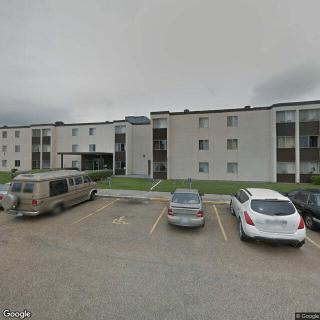
 Vibrant community with convenient access to dining, healthcare, transportation, and local services.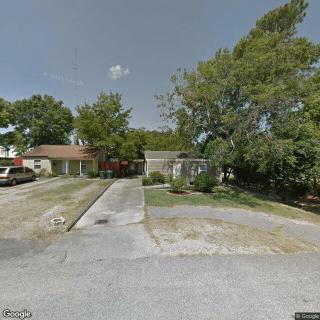


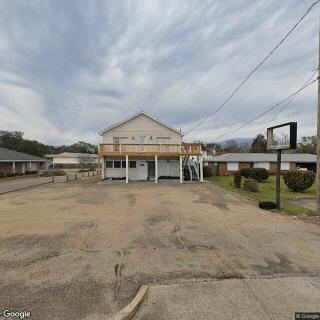



 Exploring the Contrasts Between Assisted Living and Skilled Nursing
 8 Key Indicators That Suggest It May Be Time to Transition from Assisted Living to Skilled Nursing Care
 Vibrant Senior Living: A Comprehensive Guide for Active Older Adults