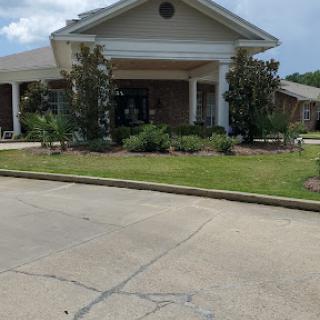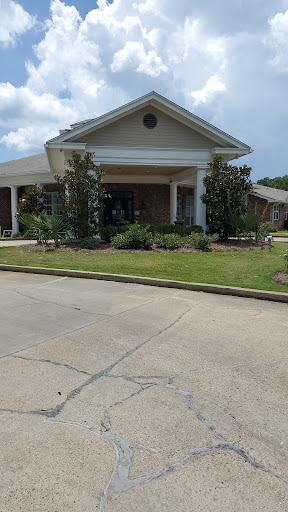
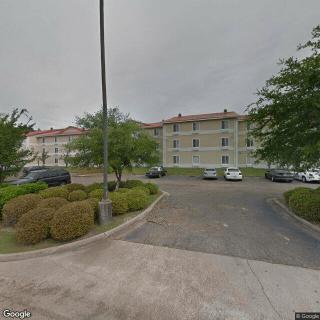
49 Willow Creek Lane, Jackson, MS 39272
For more information about senior living options: (866) 208-4318
Overall Review of Willow Creek Retirement Center
Pros
 The staff is friendly, caring, and hard-working.
- The facility is clean, odor-free, and organized.
- The meals are tasty and fresh.
- The therapies are good, with the PT and OT departments described as wonderful.
- The staff is kind and helpful toward residents.
- Willow Creek seemed nice and left a positive impression on the reviewer.
Cons
 He had no rehab for the first two days, and by the end of the following week he had fallen four times.
- He was given a narcotic to calm him, and rehab couldn’t even wake him to work with him.
- After the fourth fall, he had to be transported back to the hospital.
- The reviewer would not recommend this rehab facility.
- The reviewer reported that the mother’s tremors worsened and there were concerns about care and communication from the doctors and the nurse practitioner.
- The food was terrible, with meals that were unappealing and delays in providing relief for nausea.
- There was a staffing shortage, with calls for more nurses, aides, and a doctor who would communicate with the family.
- The director did nothing but deny, offering no apologies.
Review
Willow Creek Retirement Center in Jackson, Mississippi is best suited for families seeking a rehab-focused option where physical and occupational therapy are tangible strengths and where a clean, friendly environment can support daily life. It is not a universal answer for all seniors, but for residents recovering strength after a hospital stay or needing structured therapy to regain mobility, the center offers accessible rehab services and a receptive, caring aide staff. The facility’s appeal rests on the visible emphasis of therapy programs and a setting that feels orderly and personable. However, potential residents should understand that medical oversight and staffing consistency vary, which can shift the balance of benefits.
Those who may want to consider alternatives include families prioritizing reliable and proactive medical management, routine physician communication, and strong oversight of medications and clinical decisions. If a resident requires steady, on-site physician follow-up, timely labs and clear family communication from a physician or nurse practitioner, Willow Creek may fall short based on several accounts. Individuals with complex medical needs, frequent changes in condition, or a history of adverse reactions to medications should compare options where medical teams are more consistently engaged and deliver prompt updates to families.
On the plus side, the most compelling pros center on the therapy ecosystem and the general atmosphere. Several reviewers praise the OT/PT department as excellent, noting meaningful engagement with rehabilitation goals and a capacity to support meaningful progress when therapy is the focus. The staff, described as friendly and hardworking, contributes to a view of Willow Creek as a place where residents can feel cared for and treated with respect. The physical environment is described as clean and organized, and meals are repeatedly cited as more appealing than typical hospital fare, which can make daily living and recovery easier to sustain. These strengths can meaningfully offset routine routines around meals and social interaction for residents who actively participate in therapy.
Yet the main drawbacks, predominantly centered on medical oversight and day-to-day nursing care, cannot be ignored. Multiple reviews recount delays in medical response, missed opportunities for timely labs, and inconsistent communication from doctors or nurse practitioners. Several families report tremors, potently indicating gaps in ongoing medical assessment and symptom management that can hinder rehabilitation progress. There are also repeated, stomach-turning accounts of staff not attending to basic safety and dignity, such as inadequate assistance with bathing, delays in toileting support, and even critical lapses that left family members worried about basic patient welfare. In short, the therapy strength is real, but it is undermined by systemic nursing and medical-communication gaps.
Given these dynamics, families should adopt a clear, proactive partnership approach if Willow Creek is under consideration. Schedule comprehensive tours with the therapy director to confirm current capacity and wait times, and request candid answers about on-site medical staffing, physician call-back rates, and the process for emergent concerns. Prepare to observe therapy sessions, dining, and activity engagement, and insist on direct lines of communication for medical updates to be shared promptly with family members. If the care plan hinges on consistent medical oversight, verify that a physician or nurse practitioner is actively reviewing the resident’s chart, adjusting medications, and conducting timely labs.
Red flags should be weighed heavily. Reports of long delays to obtain labs, unaddressed tremors, and poor overall medical responsiveness suggest a risk that can derail even strong rehabilitation efforts. Instances of dehumanizing care, inadequate hygiene, and mismanagement of medications or oxygen support are not minor. These concerns indicate potential safety risks and a decline in dignity, factors that can negate the benefits of excellent physical therapy and a clean environment. Families should consider whether there is a facility with firmer accountability and a more consistent medical team, particularly for residents with COPD, urinary management needs, or recent hospital discharges requiring careful monitoring.
In the final assessment, Willow Creek offers a credible rehabilitation-focused option with genuine strengths in therapy and a comforting, orderly setting. The question for families is whether the resident can thrive given the inconsistent medical oversight and staffing gaps that have surfaced in several reviews. For those who can champion their loved one’s care, staying involved, insisting on timely medical communication, and coordinating closely with therapy, the center can support meaningful recovery and a decent quality of life. For others, especially those needing reliable daily medical management and unwavering physician access, exploring alternatives with demonstrably steadier clinical oversight is advisable.
 88 resident community capacity
 Skilled Nursing Facility
 Air-conditioning
 Beauty salon
 Cable or satellite TV
 Computer center
 Dining room
 Fitness room
 Fully furnished
 Gaming room
 Garden
 Housekeeping services
 Kitchenette
 Move-in coordination
 Outdoor space
 Private bathrooms
 Restaurant-style dining
 Small library
 Telephone
 Wellness center
 Wi-Fi/high-speed internet available
 Jackson International (14 miles away)
 Community operated transportation
 12-16 hour nursing
 24-hour call system
 Activities of daily living assistance
 Assistance with bathing
 Assistance with dressing
 Assistance with transfers
 Diabetes diet
 Medication management
 Mental wellness program
 Special dietary restrictions
 Concierge services
 Planned day trips





 Financing Long-Term Nursing Home Care Through Social Security: A Thorough Exploration
 Essential Knowledge on Pneumonia in Older Adults
 Exploring Palliative Care in the Home: A Comprehensive Overview